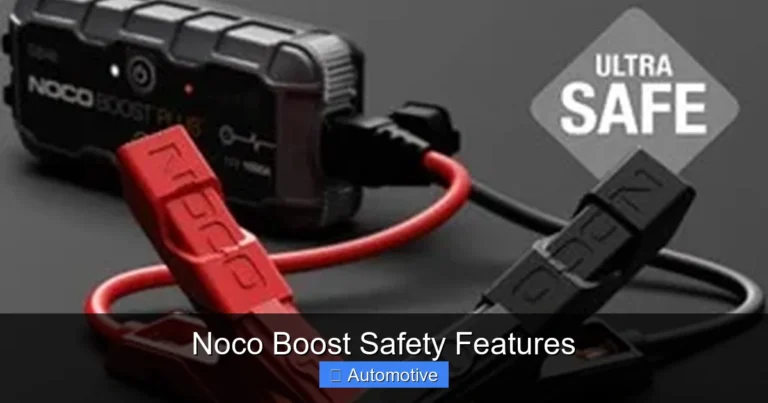
Jump Starter with Air Compressor

A jump starter with air compressor is a versatile automotive tool that revives dead batteries and inflates tires—all in one compact unit. Ideal for emergencies, road trips, or everyday use, it eliminates the need for multiple devices and keeps you prepared for common vehicle issues.
In This Article
Key Takeaways
- Dual-function convenience: Combines jump-starting power and air compression, saving space and increasing preparedness.
- Portable and compact: Lightweight designs make it easy to store in your trunk or glove compartment.
- Safe and user-friendly: Modern models include safety features like reverse polarity protection and LED indicators.
- Versatile power source: Many units also feature USB ports and 12V outputs for charging phones, tablets, and other devices.
- Essential for all seasons: Useful in winter for dead batteries and year-round for maintaining proper tire pressure.
- Cost-effective investment: Prevents costly tow truck calls and helps maintain vehicle performance and fuel efficiency.
- Easy to use: No special skills required—just clamp, connect, and go.
📑 Table of Contents
What Is a Jump Starter with Air Compressor?
A jump starter with air compressor is a multi-functional automotive device designed to solve two common vehicle problems: a dead battery and underinflated tires. Unlike traditional jumper cables that require another vehicle, this standalone unit contains a built-in rechargeable battery capable of jump-starting your car, truck, or SUV. At the same time, it features an integrated air compressor that can inflate tires, sports equipment, or inflatable toys—making it a true all-in-one emergency tool.
These devices are especially valuable for drivers who want to be self-reliant on the road. Whether you’re stuck in a parking lot with a dead battery or notice your tire pressure light blinking during a long drive, a jump starter with air compressor can get you back on the road quickly and safely. Modern versions are compact, lightweight, and packed with smart features like digital displays, LED flashlights, and USB charging ports. They’re no longer just for emergencies—many drivers keep them in their vehicles year-round for peace of mind and everyday convenience.
How It Works
The jump-starting function works by delivering a high burst of current from the internal lithium-ion or lead-acid battery to your vehicle’s dead battery. Most models use clamps that attach directly to the battery terminals—positive to positive, negative to negative—just like traditional jumper cables. Once connected, you simply turn on the device, wait a few seconds, and start your engine.
The air compressor operates independently. You connect the included air hose to the tire valve, set the desired pressure on the digital display (if equipped), and press start. The compressor inflates the tire automatically, often shutting off when the target PSI is reached. This dual functionality means you don’t need to carry separate tools, saving space and reducing clutter in your vehicle.
Why You Need One in Your Vehicle
Imagine this: It’s a cold winter morning, and your car won’t start. You call a friend, wait 45 minutes in the freezing cold, and finally get a jump—only to realize your tire is low on air from the temperature drop. Now picture a different scenario: You grab your jump starter with air compressor from the trunk, jump-start your car in under five minutes, and then top off your tires—all without leaving your vehicle. That’s the power of preparedness.
These devices are not just for extreme situations. Low tire pressure affects fuel efficiency, tire wear, and handling. Regularly checking and adjusting tire pressure can improve gas mileage by up to 3%, according to the U.S. Department of Energy. A jump starter with air compressor makes it easy to maintain optimal tire pressure, especially during seasonal temperature changes when air contracts or expands.
Key Features to Look For
Not all jump starters with air compressors are created equal. When shopping for one, it’s important to consider several key features to ensure you get a reliable, safe, and effective tool. Here’s what to look for:

Visual guide about Jump Starter with Air Compressor
Image source: live.staticflickr.com
Battery Capacity and Peak Amps
The battery capacity, measured in milliampere-hours (mAh), determines how many jump starts the device can deliver on a single charge. For most cars, a unit with 10,000 to 20,000 mAh is sufficient. However, larger vehicles like trucks or SUVs may require higher capacity—look for models with 25,000 mAh or more.
Peak amps refer to the maximum current the device can deliver in a short burst. A higher peak amp rating (e.g., 1000–2000A) means the jump starter can handle larger engines. For example, a compact car might only need 400–600 peak amps, while a V8 engine could require 1000A or more. Always check your vehicle’s manual or consult the manufacturer’s recommendations.
Air Compressor Power and Speed
The air compressor’s performance is measured in liters per minute (LPM) or cubic feet per minute (CFM). A higher LPM means faster inflation. For car tires, a compressor with 30–45 LPM is usually adequate. Some high-end models can inflate a flat tire in under five minutes.
Also consider whether the compressor has a preset pressure function. This allows you to set the desired PSI (e.g., 32 PSI for most passenger cars), and the device will automatically stop inflating once that level is reached. This prevents overinflation and ensures accuracy.
Safety Features
Safety should be a top priority. Look for models with built-in protections such as:
- Reverse polarity protection: Alerts you if the clamps are connected incorrectly.
- Overcharge and over-discharge protection: Prevents damage to the internal battery.
- Short-circuit protection: Shuts off the device if a fault is detected.
- Spark-proof technology: Reduces the risk of sparks during connection.
These features not only protect the device but also reduce the risk of injury or vehicle damage.
Portability and Design
A good jump starter with air compressor should be easy to carry and store. Look for a compact, lightweight design—ideally under 5 pounds. Some models come with carrying cases or built-in handles for added convenience.
The layout of ports and controls matters too. Clamps should be long enough to reach your battery terminals comfortably, and the air hose should be retractable or neatly stored. A built-in LED flashlight with multiple modes (steady, strobe, SOS) is a bonus for nighttime emergencies.
Additional Power Outputs
Many modern jump starters double as portable power banks. Look for USB-A and USB-C ports to charge smartphones, tablets, or GPS devices. Some models even include a 12V DC outlet for powering car accessories like coolers or air purifiers.
This versatility makes the device useful beyond emergencies. On a camping trip, for example, you can use it to charge your phone and inflate a sleeping pad—all from one unit.
Top Use Cases and Real-Life Scenarios
A jump starter with air compressor shines in a variety of real-world situations. Here are some common scenarios where this tool can be a lifesaver:
Visual guide about Jump Starter with Air Compressor
Image source: c.pxhere.com
Dead Battery in a Remote Location
You’re on a road trip through the mountains, and your car won’t start at a remote rest stop. No other vehicles are around, and cell service is spotty. With a jump starter, you can revive your battery in minutes and continue your journey without waiting for help.
Winter Weather Emergencies
Cold temperatures reduce battery efficiency and cause tire pressure to drop. A jump starter with air compressor lets you address both issues quickly. In fact, tire pressure can drop by about 1 PSI for every 10°F decrease in temperature. Regular checks and adjustments can prevent blowouts and improve safety.
Daily Commuting and City Driving
Even in urban areas, flat tires and dead batteries happen. Parking garages, tight spaces, and busy streets make it hard to use traditional jumper cables. A portable jump starter eliminates the need for another vehicle and lets you handle the problem discreetly and efficiently.
Outdoor Adventures and Road Trips
Whether you’re camping, hiking, or exploring national parks, a jump starter with air compressor adds an extra layer of safety. It can power your devices, inflate air mattresses or pool toys, and get your vehicle running if you accidentally leave the lights on.
Elderly or Disabled Drivers
For individuals with limited mobility, using jumper cables can be physically challenging. A jump starter with air compressor is much easier to operate—no heavy lifting or awkward positioning required. The simple clamp-and-go design makes it accessible for almost anyone.
How to Use a Jump Starter with Air Compressor
Using a jump starter with air compressor is straightforward, but it’s important to follow the correct steps to ensure safety and effectiveness. Here’s a step-by-step guide:

Visual guide about Jump Starter with Air Compressor
Image source: c.pxhere.com
Jump-Starting Your Vehicle
- Turn off the engine and all electronics. Make sure the car is in park (or neutral for manual transmissions) and the keys are removed.
- Locate the battery. Open the hood and find the positive (+) and negative (-) terminals. Clean any corrosion with a wire brush if necessary.
- Connect the clamps. Attach the red (positive) clamp to the positive terminal and the black (negative) clamp to the negative terminal or a grounded metal surface (like the engine block).
- Power on the jump starter. Press the power button and wait for the indicator light to confirm it’s ready.
- Start the vehicle. Turn the ignition key. If it doesn’t start immediately, wait 30 seconds and try again.
- Disconnect and recharge. Once the engine is running, remove the clamps in reverse order (black first, then red). Recharge the jump starter as soon as possible.
Inflating Tires
- Check the current tire pressure. Use the built-in gauge or a separate tire pressure gauge.
- Attach the air hose. Remove the tire valve cap and connect the hose securely.
- Set the desired PSI. Use the digital display to input the correct pressure (usually found on a sticker inside the driver’s door).
- Start the compressor. Press the inflation button and monitor the progress.
- Disconnect and replace the cap. Once the target PSI is reached, turn off the compressor, remove the hose, and replace the valve cap.
Safety Tips
- Always read the user manual before first use.
- Never connect the clamps to each other while powered on.
- Keep the device away from water and extreme heat.
- Store in a cool, dry place and recharge every 3–6 months.
- Use only with compatible vehicles (check voltage and engine size).
Maintenance and Care
To keep your jump starter with air compressor in top condition, regular maintenance is essential. Here’s how to care for it:
Charging and Storage
Most units come partially charged but should be fully charged before first use. Use the included charger and avoid overcharging—many models have automatic shutoff. Store the device in a temperature-controlled environment (ideally between 32°F and 77°F) and recharge it every few months, even if not used.
Cleaning and Inspection
Wipe the exterior with a dry cloth to remove dust and dirt. Check the clamps for corrosion and clean them with a baking soda and water solution if needed. Inspect the air hose for cracks or leaks and replace if damaged.
Battery Health
Lithium-ion batteries degrade over time. If you notice reduced performance or shorter run times, it may be time to replace the unit. Most high-quality models last 3–5 years with proper care.
Popular Models and Brands
Several brands offer reliable jump starters with air compressors. Here are a few top-rated options:
NOCO Boost Plus GB40
A compact, 1000-amp jump starter with a built-in air compressor. Features reverse polarity protection, a bright LED flashlight, and USB charging. Ideal for cars, trucks, and motorcycles.
DBPower 2000A Jump Starter
High-capacity model with 2000 peak amps and a 20,000 mAh battery. Includes a digital display, dual USB ports, and a powerful air compressor. Great for larger vehicles.
GOOLOO GP4000
Affordable and feature-rich, with 4000 peak amps, a 20,000 mAh battery, and a fast air compressor. Comes with a carrying case and multiple safety protections.
Schumacher DSR110
A heavy-duty option with 2000 peak amps and a robust air compressor. Designed for trucks and SUVs, it includes a digital display and multiple power outputs.
Conclusion
A jump starter with air compressor is more than just an emergency tool—it’s a smart investment in safety, convenience, and vehicle maintenance. Whether you’re dealing with a dead battery on a cold morning or a slow leak in your tire, this versatile device can save you time, money, and stress. With the right features, proper use, and regular care, it can serve you reliably for years.
Don’t wait until you’re stranded to think about preparedness. Adding a jump starter with air compressor to your vehicle is a simple step that can make a big difference. It’s peace of mind in a compact package—ready whenever you need it.
Frequently Asked Questions
Can a jump starter with air compressor work on all vehicles?
Most models work on cars, trucks, SUVs, motorcycles, and small boats. However, check the peak amp rating and battery compatibility. Large diesel engines may require higher-capacity units.
How long does it take to inflate a tire?
It typically takes 3–7 minutes to inflate a standard car tire from flat to 32 PSI, depending on the compressor’s power and tire size.
Is it safe to use in the rain?
While the device is generally water-resistant, avoid using it in heavy rain or standing water. Always keep the unit and connections dry to prevent electrical hazards.
How often should I recharge the jump starter?
Recharge it every 3–6 months, even if not used. This maintains battery health and ensures it’s ready when needed.
Can it charge my phone while jump-starting?
Yes, most models have USB ports that allow you to charge devices while the jump starter is in use—just avoid overloading the system.
What happens if I connect the clamps backward?
Modern jump starters with reverse polarity protection will alert you with a warning light or sound. The device will not deliver power until the clamps are connected correctly.