Jump Starter for Winter

Winter can be brutal on car batteries, leaving you stranded in freezing temperatures. A jump starter for winter is a compact, portable device that revives dead batteries without needing another car. It’s a must-have tool for safe, stress-free winter driving.
In This Article
- 1 Key Takeaways
- 2 📑 Table of Contents
- 3 Why Winter Demands a Jump Starter
- 4 How a Jump Starter Works
- 5 Choosing the Right Jump Starter for Winter
- 6 Top Benefits of Owning a Jump Starter for Winter
- 7 Maintenance and Care Tips
- 8 Real-Life Scenarios: When a Jump Starter Saves the Day
- 9 Conclusion
- 10 Frequently Asked Questions
- 10.1 Can a jump starter work in freezing temperatures?
- 10.2 How many times can a jump starter revive a dead battery?
- 10.3 Is it safe to leave a jump starter in my car during winter?
- 10.4 Can I use a jump starter on a diesel engine?
- 10.5 Do I need to charge the jump starter after each use?
- 10.6 Can a jump starter damage my car’s electronics?
Key Takeaways
- Winter drains car batteries faster: Cold weather reduces battery capacity by up to 60%, making it harder to start your engine.
- Jump starters are safer than jumper cables: No need for a second vehicle or risky connections—just plug in and go.
- Portable and easy to store: Most jump starters fit in your glove box or trunk and weigh less than 5 pounds.
- Built-in safety features prevent damage: Modern units include reverse polarity protection, short-circuit prevention, and spark-proof technology.
- Multi-functional devices add value: Many jump starters double as phone chargers, flashlights, or air compressors.
- Invest once, use for years: A quality jump starter can last 3–5 years with proper care, saving you money on towing fees.
- Choose the right model for your vehicle: Match the peak amps to your engine size—smaller cars need less power than trucks or SUVs.
📑 Table of Contents
Why Winter Demands a Jump Starter
Winter isn’t just cold—it’s a battery killer. When temperatures drop below freezing, your car’s battery struggles to deliver the power needed to start the engine. Chemical reactions inside the battery slow down, reducing its ability to produce electricity. In fact, a battery that works perfectly at 80°F might only deliver 40–60% of its power at 0°F. That’s why so many drivers wake up to a silent engine on frosty mornings.
A jump starter for winter is your best defense against this seasonal struggle. Unlike traditional jumper cables, which require another vehicle and a good Samaritan, a portable jump starter works independently. You don’t need help, you don’t need to wait, and you don’t risk damaging your car’s electronics. It’s like carrying your own roadside assistance kit in a compact box.
How Cold Weather Affects Your Battery
Car batteries rely on chemical reactions between lead plates and sulfuric acid to generate electricity. Cold temperatures thicken the electrolyte fluid, slowing these reactions. This means the battery can’t deliver the same burst of power it would in warmer weather.
Additionally, winter driving habits—like short trips, frequent use of heaters, defrosters, and seat warmers—put extra strain on the battery. These accessories draw power even when the engine isn’t running, further depleting the charge. Over time, this constant drain weakens the battery, making it more likely to fail when you need it most.
The Risks of Being Stranded in Winter
Getting stuck with a dead battery in winter isn’t just inconvenient—it can be dangerous. If you’re parked in a remote area or on a busy highway, waiting for help can expose you to freezing temperatures, traffic hazards, or even theft. Towing services may take hours to arrive, especially during snowstorms or peak holiday travel times.
A jump starter eliminates this risk. With one in your car, you can revive your battery in minutes and get back on the road safely. It’s peace of mind in a small package.
How a Jump Starter Works
A jump starter is essentially a portable battery pack designed specifically for jump-starting vehicles. It stores electrical energy and delivers it directly to your car’s battery through heavy-duty clamps. The process is simple: connect the clamps to your battery terminals, turn on the jump starter, and start your engine.
Most modern jump starters use lithium-ion batteries, which are lightweight, rechargeable, and capable of holding a charge for months. They’re designed to deliver high bursts of power (measured in peak amps) to overcome the resistance in a cold engine.
Key Components of a Jump Starter
A typical jump starter includes several important parts:
- Battery pack: Stores the energy needed to jump-start your car. Look for lithium-ion models for better performance and longer life.
- Clamps: Heavy-duty cables with alligator clips that connect to your battery terminals. Red for positive (+), black for negative (−).
- Control panel: Displays battery level, charging status, and safety alerts. Some models have digital screens for real-time feedback.
- Safety features: Built-in protections like reverse polarity alarms, overcharge prevention, and short-circuit shielding.
- USB ports: Allow you to charge phones, tablets, or other devices while on the go.
- LED flashlight: Useful for nighttime emergencies or checking under the hood in the dark.
Step-by-Step: How to Use a Jump Starter
Using a jump starter is straightforward, even if you’ve never done it before. Here’s how:
- Turn off the engine and all electronics. This includes lights, radio, and climate control.
- Open the hood and locate the battery. Identify the positive (+) and negative (−) terminals.
- Connect the red clamp to the positive terminal. Make sure it’s secure and metal-to-metal contact.
- Connect the black clamp to the negative terminal or a grounded metal surface. Avoid connecting directly to the negative terminal if possible—this reduces sparking.
- Turn on the jump starter. Wait a few seconds for it to deliver power.
- Start your engine. If it doesn’t start immediately, wait 30 seconds and try again.
- Once running, disconnect the clamps in reverse order. Black first, then red.
- Let your engine run for 15–20 minutes to recharge the battery.
Always read the manufacturer’s instructions before use. Some models have specific startup sequences or safety checks.
Choosing the Right Jump Starter for Winter
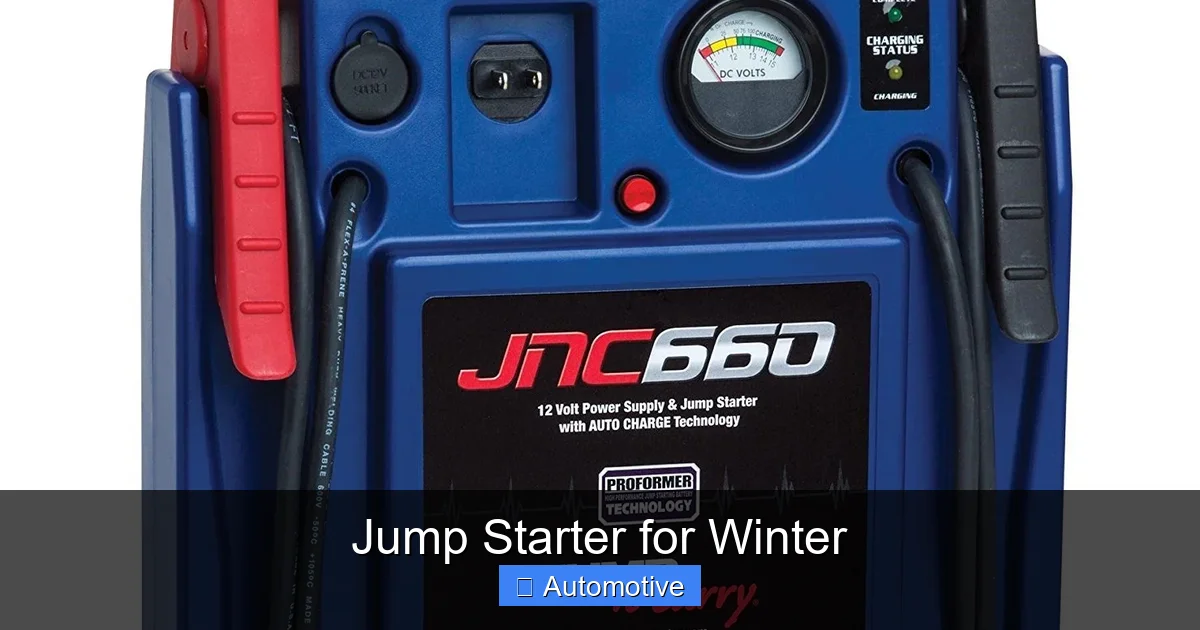
Visual guide about Jump Starter for Winter
Image source: images-na.ssl-images-amazon.com
Not all jump starters are created equal. Choosing the right one depends on your vehicle type, climate, and personal needs. Here’s what to consider:
Peak Amps and Cranking Amps
The most important spec is peak amps—the maximum power the jump starter can deliver in a short burst. For winter use, you’ll want a higher peak amp rating because cold engines require more power to turn over.
As a general rule:
- Compact cars (4-cylinder): 400–600 peak amps
- Mid-size sedans and SUVs (6-cylinder): 600–1000 peak amps
- Trucks and large SUVs (V8 engines): 1000–3000 peak amps
Also check the cranking amps (CA) and cold cranking amps (CCA) ratings. These indicate how well the jump starter performs in cold conditions. A higher CCA means better winter performance.
Battery Capacity and Type
Jump starters come with different battery types:
- Lithium-ion: Lightweight, fast-charging, and long-lasting. Ideal for most drivers.
- Lead-acid: Heavier and bulkier, but often cheaper. Less common in modern portable models.
Look for a capacity of at least 10,000mAh for reliable performance. Higher capacity means more jump attempts per charge.
Portability and Storage
A good jump starter should be easy to carry and store. Most models weigh between 2–5 pounds and fit in a glove box, trunk, or under a seat. Some come with carrying cases or built-in handles for convenience.
Additional Features
Modern jump starters often include extra functions that add value:
- USB charging ports: Charge your phone, GPS, or tablet during emergencies.
- LED flashlight with SOS mode: Great for signaling for help or working in the dark.
- Air compressor: Inflate tires, sports balls, or air mattresses.
- Digital display: Shows battery level, voltage, and error codes.
- Jump-start protection: Prevents damage if clamps are connected incorrectly.
Brand Reputation and Warranty
Stick with trusted brands like NOCO, DBPOWER, GOOLOO, or Schumacher. These companies offer reliable products with strong customer support. Look for a warranty of at least 1–2 years.
Top Benefits of Owning a Jump Starter for Winter
Investing in a jump starter isn’t just about convenience—it’s about safety, savings, and confidence. Here’s why every driver should own one:
No Need for Another Vehicle
Traditional jump-starting requires a second car and a set of jumper cables. In winter, finding someone willing to help can be difficult—especially in bad weather or late at night. A jump starter lets you handle the problem alone, anytime, anywhere.
Faster and More Reliable
Jump starters deliver power instantly. Unlike waiting for a tow truck or a friend, you can be back on the road in under 10 minutes. Many models can jump-start a car multiple times on a single charge.
Protects Your Vehicle’s Electronics
Older jumper cables can cause voltage spikes that damage your car’s computer systems. Modern jump starters have built-in safeguards to prevent this, ensuring a safe and smooth start every time.
Saves Money on Towing and Repairs
A single tow can cost $100 or more. A quality jump starter costs between $50–$150 and can last for years. Over time, it pays for itself many times over.
Peace of Mind
Knowing you’re prepared reduces stress and anxiety, especially during winter travel. Whether you’re commuting to work or heading out on a road trip, a jump starter gives you confidence that you won’t be stranded.
Maintenance and Care Tips
To keep your jump starter in top condition, follow these simple maintenance tips:
Charge Regularly
Even when not in use, lithium-ion batteries lose charge over time. Recharge your jump starter every 3–6 months to ensure it’s ready when needed. Most models have an indicator light that shows charge level.
Store in a Dry, Cool Place
Avoid leaving your jump starter in extreme temperatures—especially in a hot car or freezing garage. Store it in your home or a climate-controlled area when possible.
Inspect Cables and Clamps
Check the clamps for corrosion, cracks, or loose connections. Clean them with a dry cloth if needed. Damaged cables can reduce performance or cause safety issues.
Avoid Overuse
Don’t use your jump starter to power large devices like refrigerators or power tools. It’s designed for short bursts of energy, not continuous use.
Update Firmware (if applicable)
Some advanced models have firmware that can be updated via USB or app. Check the manufacturer’s website for updates that improve performance or safety.
Real-Life Scenarios: When a Jump Starter Saves the Day
Imagine this: It’s 6:30 a.m., and you’re rushing to work. You step outside to find your car covered in frost. You turn the key—nothing. The engine won’t start. Your phone is at 10%, and the nearest gas station is 20 minutes away.
With a jump starter in your glove box, you pop the hood, connect the clamps, and start the engine in under two minutes. You’re on your way, warm and on time.
Or picture this: You’re on a winter road trip through the mountains. Snow is falling, and visibility is low. Your battery dies at a remote rest stop. No other cars in sight. You use your jump starter to get moving again and reach your destination safely.
These aren’t rare events—they’re common winter realities. A jump starter turns potential disasters into minor inconveniences.
Conclusion
Winter driving comes with unique challenges, and a dead battery is one of the most frustrating. But with a jump starter for winter, you’re never truly stranded. It’s a small investment that delivers big rewards: safety, convenience, and peace of mind.
Whether you drive a compact car or a heavy-duty truck, there’s a jump starter designed for your needs. Look for one with enough power, built-in safety features, and useful extras like USB ports or a flashlight. Store it in your car, keep it charged, and trust it to get you moving when the cold weather strikes.
Don’t wait until it’s too late. Prepare now, and enjoy a smoother, safer winter on the road.
Frequently Asked Questions
Can a jump starter work in freezing temperatures?
Yes, most modern jump starters are designed to function in cold weather. Lithium-ion batteries perform well down to -4°F (-20°C), making them ideal for winter use. Always check the manufacturer’s temperature rating before buying.
How many times can a jump starter revive a dead battery?
It depends on the model and battery size. A typical 10,000mAh jump starter can jump-start a compact car 3–5 times on a full charge. Larger units with higher capacity can do more.
Is it safe to leave a jump starter in my car during winter?
It’s best to store your jump starter in a temperature-controlled environment. Extreme cold can reduce battery performance, and extreme heat can damage internal components. If you must leave it in the car, keep it insulated or bring it inside when possible.
Can I use a jump starter on a diesel engine?
Yes, but you’ll need a high-powered model. Diesel engines require more cranking power, so choose a jump starter with at least 1000 peak amps for small diesels and 2000+ for larger trucks.
Do I need to charge the jump starter after each use?
Yes, it’s recommended. Recharging after use ensures it’s ready for the next emergency. Most models take 3–5 hours to fully charge via a wall outlet or car charger.
Can a jump starter damage my car’s electronics?
No, if used correctly. Quality jump starters include safety features like reverse polarity protection and voltage regulation to prevent damage. Always follow the instructions and avoid connecting clamps incorrectly.