Jump Starter for Motorcycles

Contents
- 1 Key Takeaways
- 2 📑 Table of Contents
- 3 What Is a Jump Starter for Motorcycles?
- 4 Why Every Motorcyclist Needs a Jump Starter
- 5 Types of Motorcycle Jump Starters
- 6 How to Choose the Right Jump Starter for Your Motorcycle
- 7 How to Use a Motorcycle Jump Starter Safely
- 8 Top Brands and Models to Consider
- 9 Maintaining Your Jump Starter for Long-Term Reliability
- 10 Common Mistakes to Avoid
- 11 Final Thoughts: Why a Jump Starter Belongs in Every Rider’s Kit
- 12 Frequently Asked Questions

Car Wax Polish
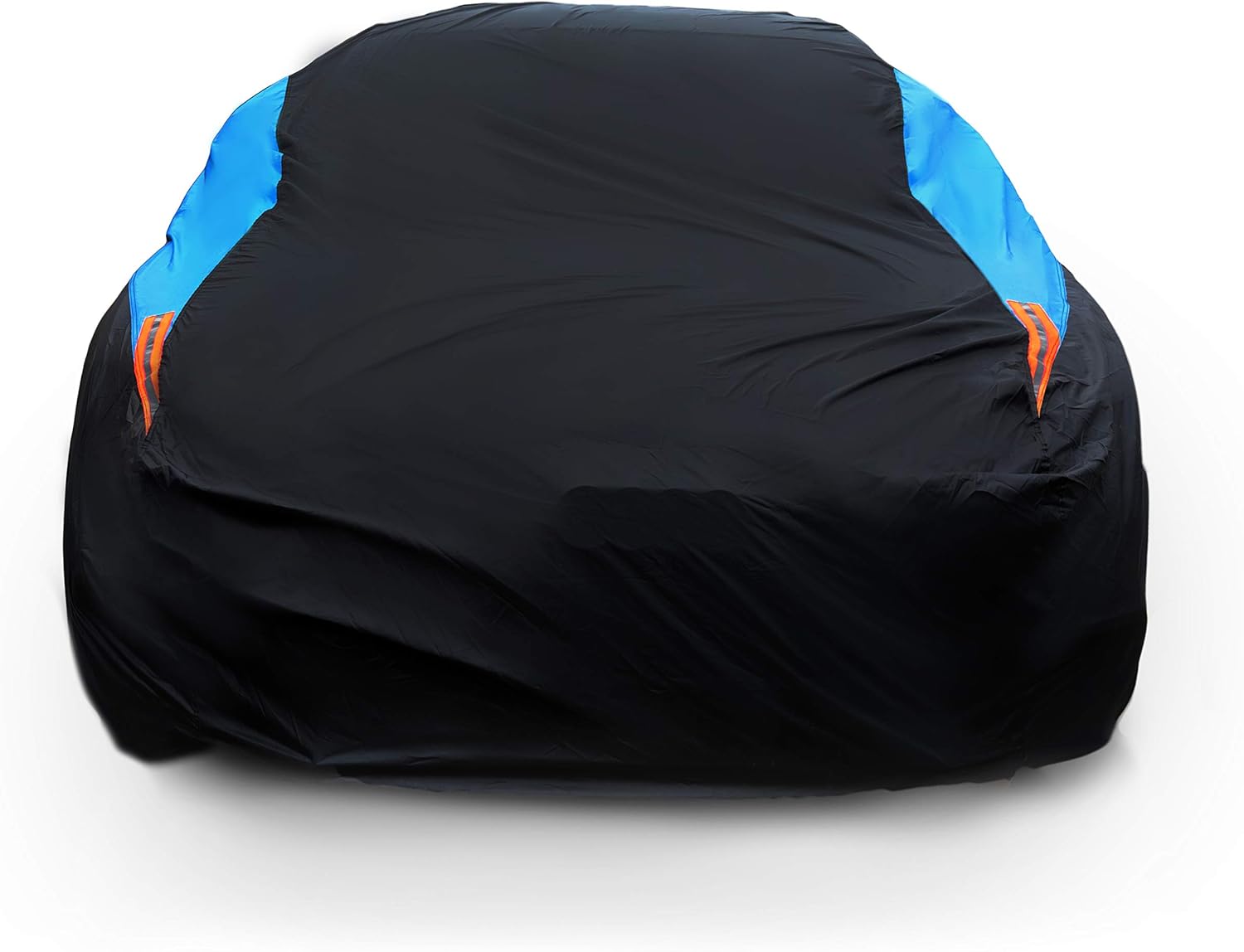
Car Body Cover

Car Battery Charger

Magnetic Car Phone Mount
A jump starter for motorcycles is a lifesaver when your battery dies unexpectedly. These portable devices let you restart your bike without needing another vehicle or jumper cables. Modern models are lightweight, safe, and packed with extra features like USB charging and LED lights.
Key Takeaways
- Compact and portable: Most motorcycle jump starters are small enough to fit in a saddlebag or backpack, making them ideal for riders on the go.
- No second vehicle needed: Unlike traditional jump-starting, these devices work independently—perfect for remote locations or solo trips.
- Built-in safety features: Quality models include reverse polarity protection, short-circuit prevention, and spark-proof technology to protect both you and your bike.
- Multi-functional power banks: Many jump starters double as USB chargers for phones, GPS units, or other small electronics during rides.
- Battery compatibility matters: Ensure the jump starter supports your motorcycle’s battery type (lead-acid, AGM, lithium) and voltage (typically 12V).
- Regular maintenance extends life: Keep your jump starter charged and store it in a cool, dry place to ensure it’s ready when you need it.
- Know your amp requirements: Match the peak and cranking amps of the jump starter to your motorcycle’s engine size for reliable performance.
📑 Table of Contents
- What Is a Jump Starter for Motorcycles?
- Why Every Motorcyclist Needs a Jump Starter
- Types of Motorcycle Jump Starters
- How to Choose the Right Jump Starter for Your Motorcycle
- How to Use a Motorcycle Jump Starter Safely
- Top Brands and Models to Consider
- Maintaining Your Jump Starter for Long-Term Reliability
- Common Mistakes to Avoid
- Final Thoughts: Why a Jump Starter Belongs in Every Rider’s Kit
What Is a Jump Starter for Motorcycles?
A jump starter for motorcycles is a portable battery-powered device designed to restart a dead or weak motorcycle battery without the need for another vehicle. Think of it as a personal roadside rescue kit that fits in your glove compartment or saddlebag. Unlike traditional jumper cables—which require a second running vehicle—these compact units store electrical energy and deliver it directly to your bike’s battery terminals when needed.
Modern motorcycle jump starters are engineered specifically for smaller engines and lower-capacity batteries. They’re typically lithium-ion based, which makes them lightweight yet powerful enough to crank even larger touring bikes. Many also come with digital displays, built-in flashlights, and USB ports, turning them into multi-use emergency tools. Whether you’re stranded on a mountain pass or just forgot to turn off your lights overnight, a quality jump starter can get you back on the road in minutes.
How Does It Work?
Using a jump starter is surprisingly simple. First, you connect the device’s clamps to your motorcycle’s battery—red to positive (+), black to negative (−). Most modern units have smart cables that automatically detect polarity and prevent incorrect connections. Once connected, you press a button to activate the jump start mode. The device then delivers a burst of stored electricity to your battery, giving your starter motor enough power to turn over the engine.
Unlike car jump starters, motorcycle-specific models are optimized for lower amp demands. A typical 12V motorcycle battery requires far less cranking power than a car battery, so these devices are calibrated accordingly. This precision not only improves efficiency but also reduces stress on both the jump starter and your bike’s electrical system.
Why Every Motorcyclist Needs a Jump Starter
Dead batteries are one of the most common—and frustrating—issues riders face. Cold weather, infrequent use, parasitic drains from accessories, or simply an aging battery can leave you stranded. While calling roadside assistance is an option, it can take hours and cost a pretty penny. A jump starter gives you instant, independent control over the situation.
Consider this scenario: You’re on a weekend ride through rural backroads, miles from the nearest town. Your bike won’t start after a lunch stop. With a jump starter in your gear, you’re back riding in under five minutes. Without one? You’re stuck waiting—or worse, pushing your bike to safety. For commuters, weekend warriors, and long-distance tourers alike, this small investment offers peace of mind and real-world reliability.
Safety and Independence on the Road
Riding solo means you can’t always rely on fellow motorcyclists or passing cars for help. A jump starter ensures you’re never truly stranded. Plus, it eliminates the risk of damaging your bike’s sensitive electronics by connecting to an unknown vehicle’s electrical system. Many newer motorcycles have complex ECUs and wiring that can be fried by improper jump-starting techniques—something a dedicated jump starter avoids entirely.
Additionally, carrying a jump starter encourages better battery habits. Knowing you have a backup often motivates riders to check their battery health regularly, replace old units proactively, and avoid leaving lights or chargers plugged in overnight. It’s not just about solving problems—it’s about preventing them.
Types of Motorcycle Jump Starters
Not all jump starters are created equal. Understanding the different types helps you pick the right one for your needs. The three main categories are lithium-ion jump starters, lead-acid portable packs, and hybrid multi-tools.
Lithium-Ion Jump Starters
Lithium-ion models dominate the market today—and for good reason. They’re lightweight (often under 2 pounds), compact, and hold a charge for months. Most can jump-start a motorcycle 10–20 times on a single charge. Brands like NOCO, Antigravity, and Tacklife offer reliable lithium options with peak outputs ranging from 300 to 1,000 amps. These are ideal for sport bikes, cruisers, and adventure motorcycles.
One standout feature is their ability to work in extreme temperatures. Many lithium jump starters function reliably in sub-zero conditions where traditional batteries fail. They also recharge quickly via USB-C or wall adapters, often reaching full capacity in under two hours.
Lead-Acid Portable Packs
Older but still effective, lead-acid jump starters are bulkier and heavier but often more affordable. They’re best suited for garage use or riders who don’t mind the extra weight. While they can deliver high cranking amps, they lose charge faster when stored and don’t perform well in cold weather. If you choose this type, look for sealed, maintenance-free versions to avoid acid leaks.
Hybrid Multi-Tool Jump Starters
These clever devices combine a jump starter with other essential tools: USB charging ports, LED flashlights (sometimes with SOS modes), air compressors, and even tire pressure gauges. For touring riders or those who value minimalism, a hybrid unit reduces the number of items you need to carry. Just be sure the jump-start function isn’t compromised for added features—always check peak amp ratings first.
How to Choose the Right Jump Starter for Your Motorcycle
Selecting the best jump starter isn’t just about price or brand—it’s about matching the device to your bike and riding style. Here’s what to consider before buying.
Check Your Battery Specifications
Start by identifying your motorcycle’s battery type and voltage. Most modern bikes use 12V lead-acid, AGM (Absorbent Glass Mat), or lithium iron phosphate (LiFePO4) batteries. Some high-performance models run on 6V systems, though these are rare. Your owner’s manual will list the exact specs. Once you know your battery type, choose a jump starter compatible with it. Using an incompatible device can damage your battery or the jump starter itself.
Match Amperage to Engine Size
Cranking amps (CA) and peak amps indicate how much power the jump starter can deliver. For small-displacement bikes (under 500cc), a unit with 300–500 peak amps is usually sufficient. Larger engines, like those in Harley-Davidsons or BMW R 1250 GS models, may need 600–1,000 peak amps. Don’t overspend on excessive power, but avoid underpowered units—they may fail when you need them most.
Prioritize Safety Features
Look for jump starters with built-in protections: reverse polarity alerts, short-circuit prevention, over-current protection, and spark-proof clamps. These features prevent accidents and protect your bike’s electronics. Some premium models even include thermal sensors that shut off the device if it overheats during use.
Consider Portability and Extras
If you ride long distances or store your bike outdoors, weight and size matter. Aim for a model under 2.5 pounds that fits easily in your luggage. Bonus features like a bright LED flashlight, USB-A/USB-C ports, and a digital battery level indicator add real value. However, don’t let extras distract from core performance—jump-starting capability should always come first.
How to Use a Motorcycle Jump Starter Safely
Even though jump starters are designed for ease of use, following proper procedures ensures safety and effectiveness. Here’s a step-by-step guide.
Step 1: Prepare Your Bike and Jump Starter
Turn off the ignition and all electrical accessories (lights, GPS, phone chargers). Ensure the jump starter is fully charged—most have indicator lights showing battery level. If it’s been sitting unused for months, recharge it before heading out.
Step 2: Connect the Clamps Correctly
Attach the red (positive) clamp to the positive terminal of your motorcycle battery. Then attach the black (negative) clamp to the negative terminal. If your bike has a sealed or hard-to-reach battery, some manufacturers recommend grounding the black clamp to the engine block or frame instead—but only if specified in the manual. Never let the clamps touch each other during connection.
Step 3: Activate and Start
Press the jump start button on the device. Wait 30–60 seconds for the jump starter to transfer charge. Then try starting your bike normally. If it doesn’t start on the first attempt, wait another minute before retrying—don’t continuously crank, as this can drain the jump starter quickly.
Step 4: Disconnect and Recharge
Once your bike is running, disconnect the clamps in reverse order: black first, then red. Turn off the jump starter and store it properly. Recharge it as soon as possible to maintain readiness for next time.
Pro Tips for Success
- Always wear gloves and eye protection when handling batteries.
- Never use a damaged jump starter or frayed cables.
- If your bike still won’t start after two attempts, the issue may not be the battery—consult a mechanic.
- Test your jump starter every few months by turning it on (without connecting to a battery) to ensure it’s functional.
Top Brands and Models to Consider
With so many options on the market, it helps to know which brands consistently deliver quality and reliability. Here are a few standout choices based on real-world performance and user reviews.
NOCO Boost Plus GB40
The NOCO GB40 is a favorite among riders for its compact design and robust 1,000-amp peak output. It can jump-start motorcycles, cars, and even small boats. It includes spark-proof technology, a built-in flashlight with seven modes, and USB charging. Weighing just 2.4 pounds, it’s easy to stash in a tank bag.
Antigravity XP-1
Designed specifically for powersports, the Antigravity XP-1 delivers 400 peak amps and weighs only 1.1 pounds. It’s compatible with lithium and lead-acid batteries and holds a charge for up to a year. Its rugged casing makes it ideal for off-road and adventure riders.
Tacklife T8 Pro
A budget-friendly option with premium features, the Tacklife T8 Pro offers 800 peak amps, dual USB ports, and a bright LCD screen. It’s slightly larger than competitors but includes a carrying case and comprehensive safety protections.
Schumacher DSR120
For riders who prefer lead-acid reliability, the Schumacher DSR120 provides 120 cranking amps in a durable, spill-proof design. It’s heavier (around 8 pounds) but excellent for garage storage or infrequent use.
Maintaining Your Jump Starter for Long-Term Reliability
A jump starter is only useful if it works when you need it. Proper maintenance ensures longevity and consistent performance.
Charge Regularly
Even when not in use, lithium-ion batteries slowly lose charge. Recharge your jump starter every 3–6 months, or according to the manufacturer’s guidelines. Many models have a “storage mode” that maintains optimal charge levels automatically.
Store Properly
Keep your jump starter in a cool, dry place away from direct sunlight or extreme temperatures. Avoid leaving it in your bike’s storage compartment during hot summer months, as heat degrades battery life. A small padded case protects it from dust and impacts.
Inspect Before Each Ride
Make it a habit to check the device during pre-ride inspections. Look for cracks, loose cables, or corrosion on the clamps. Test the flashlight and USB ports to confirm all functions are working.
Avoid Deep Discharge
Never let your jump starter fully drain. Most units have low-battery cutoffs, but repeated deep discharges shorten overall lifespan. Recharge after every use, even if it still shows remaining power.
Common Mistakes to Avoid
Even experienced riders can make errors when using jump starters. Avoid these pitfalls to stay safe and get the best results.
Using the Wrong Clamp Order
Connecting black to positive or red to negative can cause sparks, damage electronics, or even explode the battery. Always double-check polarity before attaching clamps.
Ignoring Compatibility
Don’t assume all jump starters work with all bikes. Lithium motorcycle batteries, for example, require specific charging profiles. Using a generic car jump starter on a lithium bike battery can cause permanent damage.
Overlooking Weather Conditions
Cold weather reduces battery efficiency. If your jump starter has been stored in a freezing garage, warm it up (e.g., keep it in your jacket) before use. Similarly, avoid using it in heavy rain unless it’s explicitly waterproof.
Skipping Regular Testing
A jump starter that hasn’t been tested in a year might fail when needed most. Incorporate a quick functionality check into your seasonal maintenance routine.
Final Thoughts: Why a Jump Starter Belongs in Every Rider’s Kit
A jump starter for motorcycles isn’t just a convenience—it’s a critical piece of safety gear. In an era where motorcycles are packed with sensitive electronics and riders venture farther from help, having a reliable way to restart your bike independently is invaluable. Whether you’re commuting daily or exploring remote trails, this compact device offers confidence, control, and peace of mind.
Investing in a quality jump starter pays dividends in time saved, stress avoided, and trips completed. With so many affordable, feature-rich options available today, there’s no reason to leave home without one. Pair it with basic tools, a tire repair kit, and a first-aid kit, and you’ll be prepared for nearly any roadside surprise. Remember: the best ride is the one you finish—and a jump starter helps ensure you always do.
Frequently Asked Questions
Can a motorcycle jump starter also charge my phone?
Yes! Most modern jump starters include USB-A or USB-C ports, allowing you to charge smartphones, GPS units, or action cameras. Just make sure the device has enough remaining power—using it to charge electronics drains the battery faster.
How often should I recharge my jump starter?
Recharge your jump starter every 3–6 months, even if you haven’t used it. Lithium-ion batteries self-discharge over time, and a fully depleted unit may not hold a charge properly. Some models have auto-maintenance modes to simplify this process.
Will a jump starter work on a lithium motorcycle battery?
Only if it’s specifically designed for lithium batteries. Standard jump starters can overcharge or damage lithium iron phosphate (LiFePO4) batteries. Always check compatibility before purchasing—look for labels like “LiFePO4 compatible” or consult the manufacturer.
Can I use a car jump starter for my motorcycle?
Technically yes, but it’s not recommended. Car jump starters deliver much higher amperage, which can overwhelm a motorcycle’s smaller electrical system. They’re also bulkier and less convenient to carry. A dedicated motorcycle jump starter is safer and more practical.
What if my motorcycle still won’t start after using a jump starter?
If the bike doesn’t start after two attempts, the problem likely isn’t the battery. It could be a faulty starter motor, bad ignition switch, fuel delivery issue, or electrical fault. In such cases, it’s best to consult a professional mechanic.
Are jump starters waterproof?
Most are not fully waterproof, though some have water-resistant casings. Avoid using them in heavy rain or submerging them in water. If you ride in wet conditions often, look for models with IP ratings (e.g., IP65) indicating dust and water resistance.