Is the Windshield Covered Under Toyota Warranty?

Contents
- 1 Key Takeaways
- 2 📑 Table of Contents
- 3 Understanding Toyota’s New Vehicle Limited Warranty
- 4 Windshield Coverage for Certified Pre-Owned (CPO) Toyotas
- 5 Optional Toyota Glass Protection Plan
- 6 Comprehensive Auto Insurance and Windshield Coverage
- 7 Tips for Preventing Windshield Damage
- 8 Conclusion
- 9 Frequently Asked Questions


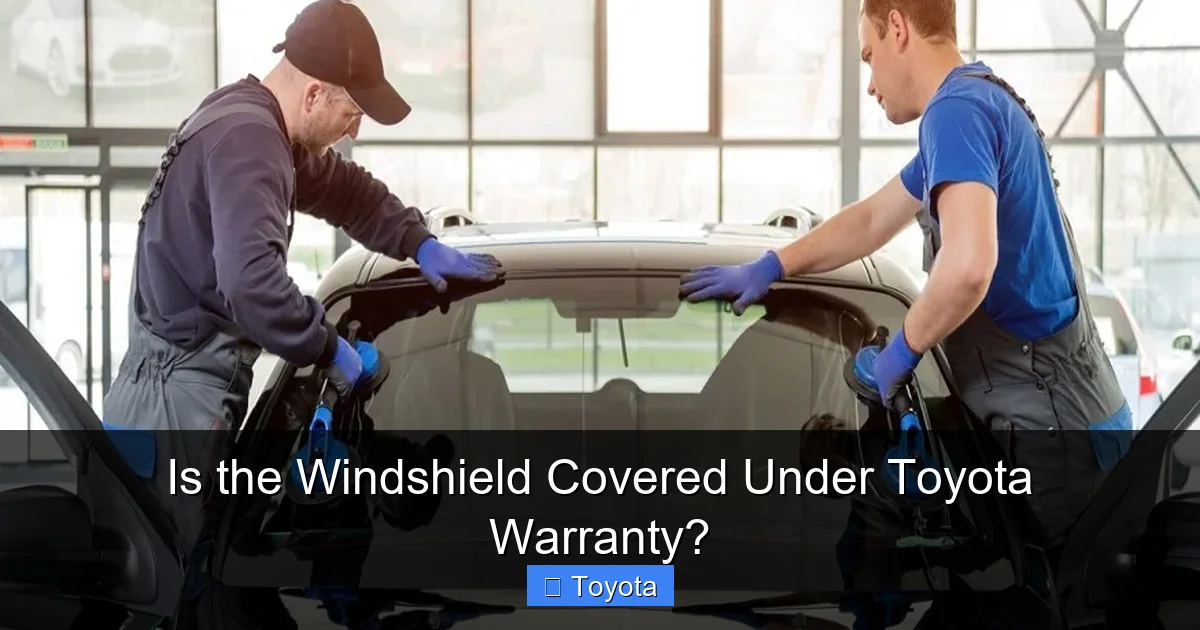
Windshield coverage under Toyota warranty depends on the cause and type of damage. While manufacturing defects are typically covered, chips or cracks from road debris usually aren’t. Understanding your warranty terms and optional glass protection plans can save you money and hassle down the road.
If you’ve ever driven behind a truck on the highway and heard that dreaded *ping* as a pebble hits your windshield, you know how quickly a small chip can turn into a major headache. Now imagine you’re behind the wheel of a brand-new Toyota—maybe a sleek Camry, a rugged RAV4, or a dependable Corolla—and that same chip appears. Your first thought might be: “Is the windshield covered under Toyota warranty?” It’s a smart question, and one that many Toyota owners ask when faced with unexpected glass damage.
The short answer? It depends. Toyota’s warranty policies are designed to protect against manufacturing defects, but they don’t cover every kind of windshield issue. Understanding the difference between what’s covered and what isn’t can save you time, money, and frustration. In this guide, we’ll walk you through everything you need to know about windshield coverage under Toyota’s warranty programs, including what qualifies, what doesn’t, and how you can protect your vehicle’s glass—whether you’re driving off the lot in a new model or cruising in a certified pre-owned Toyota.
We’ll also explore practical tips for maintaining your windshield, explain how insurance and optional protection plans fit into the picture, and help you make informed decisions if damage does occur. Because when it comes to your windshield, clarity isn’t just about visibility—it’s about knowing your options.
Key Takeaways
- Manufacturing defects are covered: If your windshield cracks or fails due to a factory flaw, Toyota’s basic warranty may cover repair or replacement.
- Road damage is usually not covered: Chips, cracks, or breaks from rocks, debris, or accidents fall outside standard warranty protection.
- New Vehicle Limited Warranty applies: Coverage lasts 3 years or 36,000 miles, whichever comes first, for qualifying defects.
- Certified Pre-Owned (CPO) vehicles have limited glass coverage: Some CPO plans include glass protection, but terms vary by dealership and region.
- Optional Toyota Glass Protection Plan available: This add-on covers chips, cracks, and replacements with minimal out-of-pocket cost.
- Insurance may be your best bet: Comprehensive auto insurance often covers windshield repair or replacement, sometimes with no deductible.
- Act quickly on small damage: Prompt repair of chips can prevent cracks from spreading and avoid full replacement costs.
📑 Table of Contents
Understanding Toyota’s New Vehicle Limited Warranty
When you buy a new Toyota, you’re not just getting a reliable vehicle—you’re also getting peace of mind thanks to Toyota’s comprehensive warranty coverage. The cornerstone of this protection is the New Vehicle Limited Warranty, which covers most components of your vehicle for 3 years or 36,000 miles, whichever comes first. This includes parts and materials that fail due to manufacturing defects.
But what about the windshield? Technically, the windshield is considered a “body” component under Toyota’s warranty structure. That means if it develops a problem due to poor workmanship, improper installation, or a defect in materials—like delamination, bubbling, or spontaneous cracking without external cause—it may be covered. For example, if your windshield starts to separate from the frame or develops a haze that wasn’t there at delivery, Toyota may repair or replace it at no cost.
However, it’s important to note that this coverage is strictly for defects that arise during normal use. If the damage is caused by something outside the vehicle—like a rock kicked up from the road, a fallen branch, or vandalism—it won’t be covered under the basic warranty. Toyota’s warranty is not a substitute for insurance or a catch-all for wear and tear.
What Qualifies as a Manufacturing Defect?
So how do you know if your windshield issue is a manufacturing defect? Look for signs that aren’t related to external impact. For instance:
– A crack that appears suddenly without any visible point of impact
– Bubbles or discoloration in the glass that worsen over time
– Poor sealing around the edges leading to leaks or wind noise
– Delamination (layers of the windshield separating)
If you notice any of these issues within the warranty period, contact your local Toyota dealership. They’ll inspect the windshield and determine if it qualifies for coverage. Keep in mind that documentation matters—having photos, service records, and a clear timeline of when the issue first appeared can strengthen your case.
What Doesn’t Qualify?
On the flip side, here’s what Toyota typically won’t cover:
– Chips or cracks from road debris (even if small)
– Damage from accidents or collisions
– Cracks that start from an existing chip and spread
– Scratches from improper cleaning or wiper use
– Damage due to extreme weather (like hail) unless specified in a separate plan
For example, if you’re driving on a gravel road and a stone hits your windshield, creating a star-shaped chip, that’s considered accidental damage—not a defect. Even if the chip is tiny, it won’t be covered under the New Vehicle Limited Warranty.
Windshield Coverage for Certified Pre-Owned (CPO) Toyotas
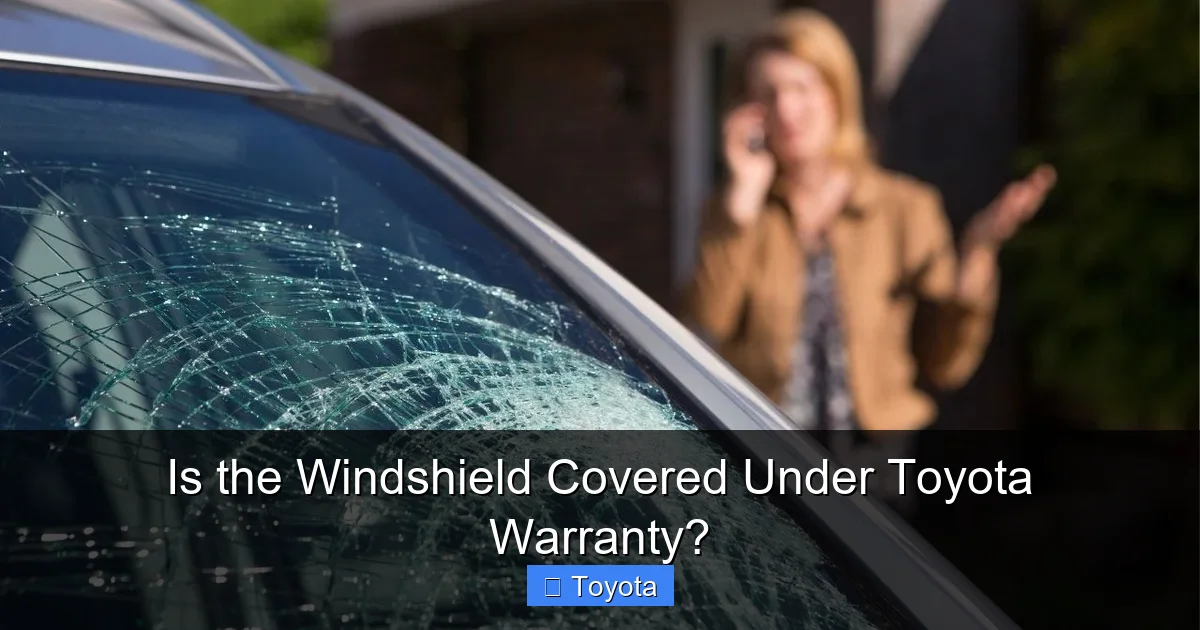
Visual guide about Is the Windshield Covered Under Toyota Warranty?
Image source: vehiclechef.com
If you’ve purchased a Certified Pre-Owned Toyota, you might be wondering if the same windshield coverage rules apply. The answer is: it depends on the specific CPO program and dealership.
Toyota’s CPO vehicles come with a 12-month/12,000-mile Limited Comprehensive Warranty, which covers many components, including some glass-related issues. However, this warranty is more limited than the new vehicle warranty and often excludes wear items and damage from external causes.
Some dealerships may offer additional glass protection as part of their CPO package, especially if the vehicle is newer or has low mileage. For example, a CPO RAV4 might come with a complimentary windshield inspection and minor repair service. But this isn’t guaranteed—always ask your dealer about included protections before finalizing your purchase.
How to Check Your CPO Warranty Terms
To find out if your CPO Toyota includes windshield coverage, review your warranty booklet or contact the dealership where you bought the vehicle. You can also check Toyota’s official CPO website, which outlines standard coverage. If glass protection isn’t included, consider adding it as an optional service—many dealers offer affordable add-ons that cover chips, cracks, and even full replacements.
Real-World Example: CPO Windshield Claim
Let’s say you bought a 2021 Toyota Highlander CPO with 28,000 miles. A few months later, you notice a small crack near the edge of the windshield. You take it to the dealer, who inspects it and determines the crack started from a previous chip that wasn’t properly repaired. Since the damage is due to wear and not a manufacturing defect, it’s not covered under the CPO warranty. However, if the dealer had included a glass protection plan at purchase, you might have gotten it fixed for free or at a reduced cost.
This example highlights the importance of understanding your CPO terms and considering optional coverage.
Optional Toyota Glass Protection Plan

Visual guide about Is the Windshield Covered Under Toyota Warranty?
Image source: gearshifters.org
One of the best ways to ensure your windshield is protected—regardless of how it gets damaged—is by purchasing Toyota’s optional Glass Protection Plan. This add-on service is available at the time of purchase for new and CPO vehicles and can provide significant savings if you ever need a repair or replacement.
The plan typically covers:
– Chips and cracks from road debris
– Full windshield replacement if repair isn’t possible
– Labor and materials
– No deductible or low out-of-pocket cost
For example, a small chip might cost $50–$100 to repair out of pocket, but with the Glass Protection Plan, it could be covered entirely. If the damage spreads and requires a full replacement—which can cost $300–$1,000 depending on the model and features like rain sensors or heads-up display—the plan can save you hundreds.
How Much Does the Plan Cost?
The cost of Toyota’s Glass Protection Plan varies by dealership and vehicle model, but it generally ranges from $150 to $300. Given the high cost of windshield replacements—especially on vehicles with advanced driver-assistance systems (ADAS) that require recalibration after replacement—this can be a smart investment.
Is It Worth It?
If you live in an area with lots of gravel roads, construction zones, or harsh weather, the plan is likely worth it. Even in urban areas, flying debris from trucks or loose gravel can cause damage. Plus, many drivers find the peace of mind invaluable. One Toyota owner in Colorado shared that her RAV4’s windshield was hit by a rock on the highway. Thanks to the Glass Protection Plan, she got it replaced the next day with no out-of-pocket cost.
Comprehensive Auto Insurance and Windshield Coverage
Visual guide about Is the Windshield Covered Under Toyota Warranty?
Image source: gearshifters.org
If you don’t have Toyota’s Glass Protection Plan, your best bet for windshield coverage may be your auto insurance policy—specifically, comprehensive coverage.
Comprehensive insurance covers non-collision events, including:
– Rock chips and cracks
– Hail damage
– Vandalism
– Falling objects
– Animal collisions
Many insurance companies offer windshield repair or replacement with no deductible, especially if you use a preferred repair shop. Some even provide mobile services that come to your home or office.
How Insurance Works for Windshield Claims
Let’s say your Toyota Camry’s windshield gets a large crack after a hailstorm. You file a claim with your insurer. If you have comprehensive coverage, they’ll assess the damage and either repair it (if the crack is small and in a repairable area) or replace it. In many cases, you won’t pay a deductible for glass-only claims.
However, filing a claim could affect your premium, especially if you’ve made multiple claims recently. For minor damage, it might be cheaper to pay out of pocket than risk a rate increase.
Tip: Use OEM Glass When Possible
When replacing your windshield, ask for Original Equipment Manufacturer (OEM) glass. While aftermarket glass is cheaper, OEM glass is designed specifically for your Toyota and ensures proper fit, safety, and compatibility with ADAS features like lane departure warning and automatic wipers. Some insurance policies cover OEM glass, but you may need to request it.
Tips for Preventing Windshield Damage
While you can’t control everything on the road, there are steps you can take to reduce the risk of windshield damage:
- Maintain a safe following distance: Stay at least three car lengths behind large trucks, which are more likely to kick up debris.
- Avoid gravel roads when possible: If you must drive on gravel, reduce speed to minimize rock projection.
- Use high-quality wiper blades: Worn blades can scratch the glass and trap debris.
- Clean your windshield regularly: Remove dirt, bugs, and grime that can hide small chips.
- Park in covered areas: Garages or carports protect against hail, falling branches, and extreme temperature changes that can stress glass.
What to Do If You Get a Chip
If you notice a chip, don’t wait. Small chips can turn into cracks in days, especially with temperature changes or road vibrations. Many auto glass shops offer same-day repair for chips under 1 inch in diameter. Repairing a chip costs $50–$100 and can prevent the need for a full replacement.
Conclusion
So, is the windshield covered under Toyota warranty? The answer isn’t a simple yes or no. Toyota’s New Vehicle Limited Warranty covers manufacturing defects in the windshield for 3 years or 36,000 miles, but it doesn’t cover damage from road debris, accidents, or weather. Certified Pre-Owned vehicles may have limited glass coverage, but it’s often best to check with your dealer.
For true peace of mind, consider adding Toyota’s optional Glass Protection Plan or ensuring your auto insurance includes comprehensive coverage with glass benefits. These options can save you hundreds—or even thousands—in repair and replacement costs.
Remember, your windshield isn’t just a piece of glass—it’s a critical safety component that supports the roof in a rollover and ensures airbags deploy correctly. Taking care of it protects not just your vehicle, but you and your passengers.
Whether you’re driving a new Toyota or a trusted CPO model, understanding your warranty and protection options empowers you to make smart decisions. Stay informed, act quickly on damage, and drive with confidence.
Frequently Asked Questions
Is a cracked windshield covered under Toyota warranty?
Only if the crack is due to a manufacturing defect, such as poor installation or material flaw. Cracks from road debris, accidents, or weather are not covered under the standard warranty.
Does Toyota warranty cover windshield chips?
No, chips caused by rocks or debris are not covered under Toyota’s basic warranty. However, they may be covered by optional glass protection plans or comprehensive insurance.
How long does Toyota warranty cover the windshield?
The New Vehicle Limited Warranty covers the windshield for 3 years or 36,000 miles, whichever comes first, but only for manufacturing defects.
Can I add glass protection after buying my Toyota?
Typically, Toyota’s Glass Protection Plan must be purchased at the time of vehicle purchase. However, some dealerships may offer similar third-party plans afterward.
Will my insurance cover a Toyota windshield replacement?
Yes, if you have comprehensive coverage. Many insurers cover windshield repair or replacement with no deductible, especially for glass-only claims.
Should I repair or replace a chipped windshield?
If the chip is small (under 1 inch) and not in the driver’s line of sight, repair is usually sufficient and costs less than replacement. Larger or spreading damage may require a full replacement.