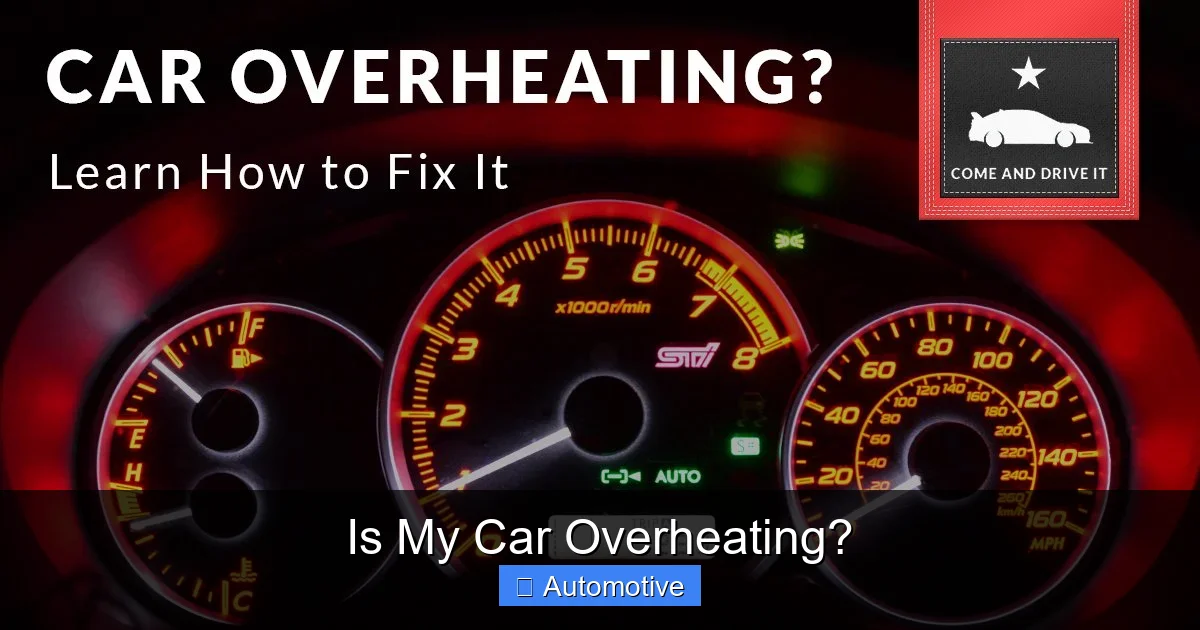
Is My Car Overheating?

Contents
- 1 Key Takeaways
- 2 📑 Table of Contents
- 3 Is My Car Overheating? How to Spot the Warning Signs
- 4 Understanding Your Car’s Cooling System
- 5 Top Warning Signs Your Car Is Overheating
- 6 Common Causes of Car Overheating
- 7 What to Do If Your Car Is Overheating
- 8 How to Prevent Your Car from Overheating
- 9 Long-Term Consequences of Ignoring Overheating
- 10 Conclusion
- 11 Frequently Asked Questions

Car Tool Kit Set

Car GPS Navigator

Car Scratch Remover

Microfiber Car Cleaning Cloth
Is My Car Overheating? Discover the key symptoms, common causes, and immediate steps to take if your engine gets too hot. Don’t ignore the signs—overheating can lead to serious engine damage if not addressed quickly.
Key Takeaways
- Watch for warning signs: Steam, unusual smells, dashboard warning lights, and high temperature gauge readings are red flags.
- Common causes include: Low coolant levels, a faulty thermostat, radiator issues, or a broken water pump.
- Pull over safely if overheating: Turn off the AC, turn on the heater, and stop in a safe location to avoid engine damage.
- Never open a hot radiator cap: It can cause severe burns due to pressurized steam and hot coolant.
- Regular maintenance prevents problems: Check coolant levels and inspect hoses and belts during routine service.
- Seek professional help: If your car overheats frequently, have a mechanic diagnose the root cause.
📑 Table of Contents
- Is My Car Overheating? How to Spot the Warning Signs
- Understanding Your Car’s Cooling System
- Top Warning Signs Your Car Is Overheating
- Common Causes of Car Overheating
- What to Do If Your Car Is Overheating
- How to Prevent Your Car from Overheating
- Long-Term Consequences of Ignoring Overheating
- Conclusion
Is My Car Overheating? How to Spot the Warning Signs
You’re cruising down the highway, enjoying the breeze through your open window, when suddenly—you notice steam rising from under the hood. Your heart skips a beat. Is your car overheating? It’s a question every driver dreads, but one that’s more common than you might think. Overheating isn’t just an inconvenience; it’s a serious issue that can lead to costly repairs or even total engine failure if ignored.
Modern cars are built with advanced cooling systems designed to keep the engine at an optimal temperature. But when something goes wrong—whether it’s a leak, a broken part, or low coolant—the engine can quickly overheat. The good news? Most overheating issues give off clear warning signs long before things get critical. By learning to recognize these symptoms early, you can take action and avoid a breakdown—or worse, a blown head gasket.
In this guide, we’ll walk you through everything you need to know about car overheating: from the telltale signs and common causes to what to do if it happens and how to prevent it in the future. Whether you’re a new driver or have been behind the wheel for decades, understanding how your car’s cooling system works—and how to respond when it fails—can save you time, money, and stress.
Understanding Your Car’s Cooling System
Before diving into the symptoms and solutions, it helps to understand how your car stays cool in the first place. Your engine generates an enormous amount of heat—enough to melt metal if left unchecked. That’s where the cooling system comes in. It’s a network of components working together to absorb, transfer, and release heat away from the engine.
At the heart of the system is the radiator, which sits at the front of your car and uses airflow to cool down hot coolant. The coolant—usually a mix of antifreeze and water—circulates through the engine block, absorbing heat. A water pump pushes this coolant through the system, while a thermostat regulates the flow based on engine temperature. If the engine gets too hot, the thermostat opens to allow more coolant to flow. Fans help pull air through the radiator, especially when the car is idling or moving slowly.
All these parts rely on each other. If one fails, the entire system can break down. For example, a broken water pump won’t circulate coolant, and a clogged radiator won’t release heat effectively. Even something as simple as a loose hose or a small leak can lead to low coolant levels and, eventually, overheating.
Regular maintenance is key. Most manufacturers recommend checking your coolant level every few months and replacing it every 30,000 to 50,000 miles, depending on your vehicle. Ignoring this can lead to corrosion, blockages, and reduced efficiency—all of which increase the risk of overheating.
How the Cooling System Keeps Your Engine Safe
Think of your car’s cooling system like your body’s circulatory system. Just as blood carries oxygen and nutrients, coolant carries heat away from the engine. When everything is working properly, the engine stays at a steady temperature—usually between 195°F and 220°F (90°C to 104°C). This range ensures optimal performance and fuel efficiency.
If the system fails, the engine temperature spikes. Metal parts expand, oil breaks down, and friction increases. Over time, this can warp engine components, crack the cylinder head, or even cause the engine to seize. That’s why it’s crucial to respond quickly when you suspect overheating.
Common Cooling System Components and Their Roles
- Radiator: Cools the hot coolant using airflow and fans.
- Water Pump: Circulates coolant throughout the engine and radiator.
- Thermostat: Controls coolant flow based on engine temperature.
- Coolant Reservoir: Holds extra coolant and allows for expansion as it heats up.
- Hoses and Belts: Transport coolant and power the water pump and fan.
- Radiator Fan: Turns on when the engine gets too hot, especially at low speeds.
Each of these parts plays a vital role. A failure in any one can disrupt the entire system and lead to overheating.
Top Warning Signs Your Car Is Overheating
Now that you know how the cooling system works, let’s talk about the signs that something’s wrong. Overheating doesn’t happen overnight—it usually gives you clues before it becomes a crisis. The sooner you notice them, the better your chances of avoiding serious damage.
One of the most obvious signs is steam or smoke coming from under the hood. This isn’t always a fire—often, it’s just coolant boiling over. But it’s still a major red flag. You might also notice a sweet, syrupy smell, which is the scent of leaking antifreeze. If you catch a whiff of that while driving, pull over and investigate.
Your dashboard is another key source of information. Most cars have a temperature gauge that shows engine heat. If the needle creeps into the red zone or a warning light (often shaped like a thermometer or labeled “TEMP”) comes on, your engine is too hot. Don’t ignore it—this is your car’s way of saying, “Help!”
Other symptoms include a sudden loss of power, strange noises like knocking or hissing, or the heater blowing cold air. These can all indicate that the engine is struggling to stay cool. Even if the temperature gauge hasn’t hit the red yet, any of these signs should prompt you to stop and check things out.
Dashboard Warning Lights and What They Mean
Modern cars are equipped with sensors that monitor engine temperature. When things get too hot, the system triggers a warning light. This light might look like a thermometer, a wavy line, or simply say “ENGINE HOT.” Some vehicles also have a separate “CHECK ENGINE” light that may come on if overheating causes other issues.
Don’t wait to see how bad it gets. If the light comes on, pull over as soon as it’s safe to do so. Continuing to drive can cause irreversible damage.
Unusual Smells and Sounds
Overheating can produce distinct odors and noises. A sweet, antifreeze-like smell usually means a coolant leak. A burning smell could indicate oil leaking onto hot engine parts. Hissing or gurgling sounds may come from air trapped in the cooling system or boiling coolant.
Knocking or pinging sounds are more serious—they suggest the engine is running too hot and detonating fuel prematurely. This can damage pistons and valves.
Performance Issues Linked to Overheating
When an engine overheats, it can’t perform efficiently. You might notice:
- The car feels sluggish or struggles to accelerate
- The heater stops working or blows cold air
- The engine stalls or misfires
- White smoke comes from the exhaust (a sign of coolant entering the combustion chamber)
These symptoms often worsen as the engine gets hotter. If you experience any of them, it’s time to take action.
Common Causes of Car Overheating
Now that you know the signs, let’s look at what’s actually causing the problem. Overheating rarely happens for no reason. Most of the time, it’s due to a specific issue with the cooling system or related components. Identifying the cause is the first step toward fixing it.
One of the most common culprits is low coolant level. Coolant can leak out over time due to worn hoses, a cracked radiator, or a faulty radiator cap. Even a small leak can lead to a big problem if left unchecked. Always check your coolant reservoir when the engine is cold—most cars have “MIN” and “MAX” markings to guide you.
Another frequent cause is a malfunctioning thermostat. This small device controls when coolant flows through the engine. If it gets stuck closed, coolant can’t circulate, and the engine heats up rapidly. If it’s stuck open, the engine may take too long to warm up, but that’s less likely to cause overheating.
A broken water pump is another serious issue. The pump is driven by a belt and is responsible for moving coolant through the system. If the pump fails—due to a worn impeller, broken seal, or seized bearing—coolant stops flowing, and the engine overheats quickly.
Radiator problems are also common. Over time, radiators can clog with debris, rust, or mineral deposits. This blocks airflow and reduces cooling efficiency. A damaged radiator (from a rock hit or corrosion) can also leak coolant.
Other causes include a faulty radiator fan, a blown head gasket, or a slipping serpentine belt. Each of these can disrupt the cooling process and lead to overheating.
Low Coolant Levels: The Silent Culprit
Coolant doesn’t just disappear—it leaks. Common leak points include:
- Radiator seams and fins
- Water pump weep hole
- Heater core hoses
- Head gasket (a serious issue)
If you find a puddle of green, orange, or pink fluid under your car, it’s likely coolant. Top it off only when the engine is cool, and have the leak repaired as soon as possible.
Thermostat Failure: Stuck in the Wrong Position
A thermostat that’s stuck closed is dangerous. It prevents coolant from reaching the radiator, causing the engine to overheat even if everything else is working. Symptoms include rapid temperature spikes and no heat from the heater (since coolant isn’t circulating).
A stuck-open thermostat won’t cause overheating, but it can reduce fuel efficiency and increase emissions.
Water Pump and Radiator Issues
A failing water pump may make a whining or grinding noise. You might also see coolant leaking from the weep hole near the pulley. Replacing a water pump is labor-intensive but necessary to restore proper cooling.
Radiator clogs are harder to spot. If your car overheats in traffic but cools down on the highway, poor airflow through the radiator could be the issue. Flushing the radiator or replacing it may be needed.
What to Do If Your Car Is Overheating
So your car is overheating—what now? Panic won’t help, but quick action can prevent major damage. The first rule is to pull over safely. Don’t keep driving, even if the temperature gauge hasn’t hit the red yet. Every mile you drive with an overheating engine increases the risk of costly repairs.
Once you’re off the road, turn off the engine. But before you pop the hood, wait at least 15–20 minutes. The engine and coolant are extremely hot and under pressure. Opening the radiator cap too soon can cause a burst of steam and boiling liquid, leading to serious burns.
While you wait, turn on the heater to full blast. This may sound counterintuitive, but it helps draw heat away from the engine. It won’t fix the problem, but it can buy you a few extra minutes.
After the engine has cooled, carefully open the hood and check the coolant reservoir. If it’s low, add a 50/50 mix of coolant and water—only if you have it on hand. Never use plain water in cold weather, as it can freeze. If you don’t have coolant, you can use distilled water temporarily, but get the system flushed and refilled properly as soon as possible.
If the coolant level is fine, check for obvious leaks, loose hoses, or a broken fan. If you see steam or smell burning, don’t touch anything—call for roadside assistance.
Step-by-Step Emergency Response
- Pull over in a safe location and turn off the engine.
- Turn on the heater to full heat to help dissipate engine heat.
- Wait 15–20 minutes for the engine to cool.
- Open the hood carefully and check the coolant reservoir.
- Add coolant or water if safe to do so.
- If the problem persists, call a tow truck or roadside assistance.
When to Call for Help
You should never try to drive a car that’s actively overheating. If the temperature light stays on after adding coolant, or if you see steam, smoke, or hear strange noises, it’s time to call for help. Towing your car to a mechanic is far cheaper than replacing an engine.
How to Prevent Your Car from Overheating
The best way to deal with overheating is to stop it before it starts. Regular maintenance is your first line of defense. Here are some simple steps you can take to keep your cooling system in top shape.
Check your coolant level every month. Look at the reservoir when the engine is cold and make sure it’s between the “MIN” and “MAX” lines. Top it off if needed, but don’t overfill.
Inspect hoses and belts for cracks, bulges, or leaks. Replace any that look worn. Most belts should be replaced every 60,000 to 100,000 miles.
Have your coolant flushed and replaced according to your owner’s manual. Old coolant loses its protective properties and can cause corrosion.
Keep the radiator clean. Bugs, dirt, and debris can block airflow. Use a soft brush or compressed air to clean the fins gently.
Pay attention to your driving conditions. Towing heavy loads, driving in extreme heat, or idling for long periods increases the risk of overheating. Give your engine a break when possible.
DIY Maintenance Tips
- Check coolant level monthly
- Inspect hoses and belts for wear
- Clean the radiator fins regularly
- Use the correct coolant type for your vehicle
- Never ignore warning lights or unusual smells
When to See a Mechanic
If your car overheats once, it might be a fluke. But if it happens repeatedly, there’s likely an underlying issue. Have a professional inspect your cooling system, including the water pump, thermostat, and radiator. They can also check for head gasket leaks using a combustion leak tester.
Long-Term Consequences of Ignoring Overheating
Ignoring an overheating engine isn’t just risky—it can be expensive. The longer you drive with high temperatures, the more damage occurs. Here’s what can happen:
A warped cylinder head is one of the most common results. The intense heat causes metal to expand unevenly, leading to cracks or warping. This can cause coolant to leak into the combustion chamber, resulting in white smoke and poor performance.
A blown head gasket is even worse. This seals the engine block and cylinder head. If it fails, coolant and oil can mix, leading to sludge, overheating, and engine failure. Replacing a head gasket is one of the most labor-intensive and costly repairs.
In extreme cases, the engine can seize. This happens when metal parts expand so much they lock together. At that point, the engine is usually beyond repair and must be replaced.
Even minor overheating can reduce engine life and increase emissions. It’s not worth the risk.
Conclusion
So, is your car overheating? If you’ve noticed steam, strange smells, warning lights, or performance issues, the answer might be yes. But don’t panic—overheating is often preventable and fixable if caught early.
By understanding your car’s cooling system, recognizing the warning signs, and knowing how to respond, you can protect your engine and avoid costly repairs. Regular maintenance is key: check your coolant, inspect hoses, and listen for unusual sounds.
If your car does overheat, pull over safely, let it cool, and assess the situation. Never open a hot radiator cap, and don’t keep driving if the problem persists. When in doubt, call a professional.
Your car is a major investment. Taking care of it means more than just oil changes and tire rotations—it means paying attention to the systems that keep it running smoothly. Stay alert, stay informed, and your car will thank you with years of reliable service.
Frequently Asked Questions
What should I do if my car overheats while driving?
Pull over safely, turn off the engine, and wait 15–20 minutes for it to cool. Turn on the heater to help dissipate heat, then check the coolant level. If it’s low, add coolant or water if safe. If the problem continues, call for roadside assistance.
Can I drive my car if the temperature gauge is in the red?
No. Driving with an overheating engine can cause severe damage, including a blown head gasket or engine seizure. Pull over immediately and turn off the engine to prevent further harm.
Why is my car overheating but the coolant level is fine?
This could indicate a faulty thermostat, water pump, radiator fan, or a clogged radiator. Even with enough coolant, poor circulation or airflow can cause overheating. Have a mechanic inspect the system.
How often should I check my car’s coolant?
Check the coolant level at least once a month when the engine is cold. Also, have the coolant flushed and replaced every 30,000 to 50,000 miles, or as recommended in your owner’s manual.
Is it safe to add water to my radiator in an emergency?
Yes, but only if you don’t have coolant. Use distilled water to avoid mineral buildup. However, this is a temporary fix—coolant provides antifreeze protection and corrosion inhibitors that water lacks.
Can a bad thermostat cause overheating?
Yes. If the thermostat gets stuck closed, it prevents coolant from flowing to the radiator, causing the engine to overheat quickly. A stuck-open thermostat won’t cause overheating but can reduce efficiency.