Is It Illegal to Sell a Car with a Rusted Frame
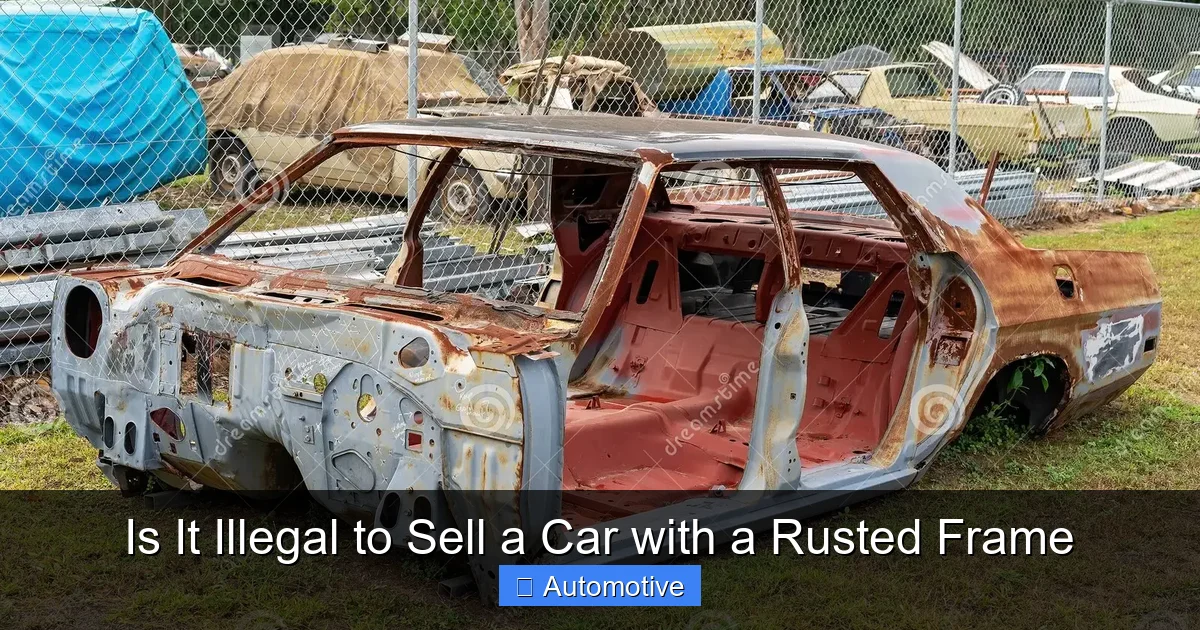
Selling a car with a rusted frame isn’t always illegal, but it can be—depending on your state’s laws, the extent of the rust, and whether you disclose it properly. Severe frame rust can compromise safety, fail inspections, and lead to legal liability if hidden from buyers.
In This Article
- 1 Key Takeaways
- 2 📑 Table of Contents
- 3 Is It Illegal to Sell a Car with a Rusted Frame?
- 4 Understanding Frame Rust: What It Is and Why It Matters
- 5 Legal Requirements by State: Where It’s Illegal to Sell a Rusted Frame
- 6 Safety Risks of Driving and Selling a Rusted Frame
- 7 Disclosure Laws: What You Must Tell Buyers
- 8 What to Do If Your Car Has a Rusted Frame
- 9 Protecting Yourself as a Seller
- 10 Conclusion
- 11 Frequently Asked Questions
- 11.1 Can I sell a car with a rusted frame in any state?
- 11.2 What happens if I sell a rusted-frame car without telling the buyer?
- 11.3 Is surface rust on the frame a problem?
- 11.4 Can a car with a rusted frame pass inspection?
- 11.5 Should I repair frame rust before selling?
- 11.6 What should I write in the disclosure for a rusted frame?
Key Takeaways
- Legality varies by state: Some states ban selling cars with structural rust, while others only require disclosure.
- Safety is the main concern: Rusted frames can weaken a vehicle’s structural integrity, increasing crash risk.
- Disclosure is often required: Hiding frame rust can lead to fraud charges or lawsuits from buyers.
- Inspection failures are common: Many states won’t register a car with unsafe frame damage.
- Buyers may have legal recourse: If you sell a rusted-frame car without warning, the buyer could sue for damages.
- Repair or scrap may be better options: Fixing minor rust or selling for parts can be safer and more ethical.
- Document everything: Keep repair records and written disclosures to protect yourself legally.
📑 Table of Contents
- Is It Illegal to Sell a Car with a Rusted Frame?
- Understanding Frame Rust: What It Is and Why It Matters
- Legal Requirements by State: Where It’s Illegal to Sell a Rusted Frame
- Safety Risks of Driving and Selling a Rusted Frame
- Disclosure Laws: What You Must Tell Buyers
- What to Do If Your Car Has a Rusted Frame
- Protecting Yourself as a Seller
- Conclusion
Is It Illegal to Sell a Car with a Rusted Frame?
So, you’ve got an old car sitting in the driveway. It’s seen better days—maybe the paint is fading, the engine groans a little, and there’s some rust eating away at the undercarriage. You’re thinking about selling it, but you’re not sure if that rust on the frame is a dealbreaker. More importantly, you’re wondering: Is it even legal to sell a car with a rusted frame?
The short answer? It depends. Selling a car with frame rust isn’t automatically illegal everywhere, but it can be—especially if the rust is severe, hidden, or makes the vehicle unsafe. Laws vary widely from state to state, and what’s acceptable in one place might get you in legal trouble in another. Plus, there are serious safety and ethical considerations. A rusted frame can compromise the structural integrity of your vehicle, putting drivers and passengers at risk in the event of a crash.
In this guide, we’ll break down everything you need to know about selling a car with a rusted frame. We’ll cover the legal landscape, safety risks, disclosure requirements, and practical tips to help you make the right decision—whether that’s repairing, selling, or scrapping the vehicle. By the end, you’ll have a clear understanding of your responsibilities as a seller and how to avoid costly mistakes.
Understanding Frame Rust: What It Is and Why It Matters
Visual guide about Is It Illegal to Sell a Car with a Rusted Frame
Image source: cartradeinsider.com
Before diving into the legalities, it’s important to understand what frame rust actually is and why it’s such a big deal. The frame—also known as the chassis—is the backbone of your vehicle. It supports the engine, suspension, body, and all major components. When rust sets in, especially on structural parts, it can weaken the entire structure.
Types of Rust on a Vehicle
Not all rust is created equal. Some forms are cosmetic and harmless, while others are dangerous and potentially illegal to ignore.
- Surface rust: This is the mildest form. It appears as reddish-brown spots on metal surfaces, often on body panels. It hasn’t penetrated deeply and can usually be sanded and painted over. Surface rust on non-structural parts is generally not a legal issue.
- Scale rust: This is more serious. The metal begins to flake and pit, indicating deeper corrosion. If it’s on the frame, it can reduce strength and may require repair.
- Penetrating rust (structural rust): This is the worst kind. It eats through the metal, creating holes or thin, weakened areas. When this happens on the frame, it can compromise the vehicle’s safety and may make it illegal to sell in many states.
How Rust Affects the Frame
The frame is designed to absorb impact and maintain rigidity during collisions. When rust eats away at it, that ability is diminished. Imagine a bridge with corroded support beams—it might hold up under normal conditions, but under stress, it could fail. The same principle applies to your car.
For example, a 2005 Ford F-150 with severe frame rust near the rear suspension mounts might pass a visual inspection at first glance. But during a crash test or even a hard braking maneuver, the weakened area could buckle, leading to loss of control or injury. That’s why frame rust is taken so seriously—it’s not just about appearance; it’s about safety.
Common Areas Where Frame Rust Occurs
Rust tends to develop in specific areas due to moisture, salt, and road debris. These include:
- Wheel wells and suspension mounts: Constant exposure to water and dirt makes these spots prime targets.
- Undercarriage near the exhaust system: Heat and moisture combine to accelerate corrosion.
- Frame rails near the cabin: These support the body and are critical in side impacts.
- Rear frame sections on trucks and SUVs: Often exposed to heavy loads and road salt.
If you’re inspecting your own vehicle, look for bubbling paint, flaking metal, or soft spots when you press on the frame. A screwdriver test—gently poking the metal to see if it flakes or gives way—can reveal hidden damage.
Legal Requirements by State: Where It’s Illegal to Sell a Rusted Frame
Visual guide about Is It Illegal to Sell a Car with a Rusted Frame
Image source: azrust.com
Now for the million-dollar question: Is it illegal to sell a car with a rusted frame? The answer depends heavily on where you live. While there’s no federal law banning the sale of rusted-frame vehicles, individual states have their own rules—and they can be strict.
States with Strict Anti-Rust Laws
Several states have enacted laws that make it illegal to sell or register a vehicle with structural rust damage. These laws are often tied to safety inspections and emissions testing.
- New York: Requires annual safety inspections. Vehicles with frame rust that compromises structural integrity will fail inspection and cannot be registered. Selling such a vehicle without disclosure could lead to legal action.
- Massachusetts: Similar to New York, the state mandates rigorous inspections. Frame rust that affects safety is an automatic fail. Sellers must disclose known defects, including rust.
- Pennsylvania: Requires annual inspections. Structural rust that weakens the frame is grounds for rejection. The state also has “lemon laws” that may apply if a buyer discovers hidden rust after purchase.
- Connecticut: Inspectors check for frame damage. If rust has caused holes or significant thinning, the vehicle won’t pass. Selling it anyway could be considered fraud.
- New Jersey: While inspections are less frequent, frame rust that affects safety can still prevent registration. Buyers have the right to sue for misrepresentation.
In these states, selling a car with a rusted frame—especially if you don’t disclose it—can result in fines, voided sales, or even criminal charges for fraud.
States with Disclosure-Only Requirements
Other states don’t outright ban the sale of rusted-frame vehicles but require full disclosure. In these places, it’s legal to sell the car as long as you’re honest about the condition.
- Texas: No annual inspection for most vehicles, but sellers must complete a “Vehicle Inspection Report” if the car is over 10 years old. Frame rust must be disclosed. Failure to do so could lead to a buyer’s lawsuit.
- Florida: No state-mandated inspections, but sellers must disclose known defects. Hiding frame rust could be considered deceptive trade practice under Florida law.
- Arizona: Minimal regulations, but the state follows general consumer protection laws. Misrepresenting a vehicle’s condition can lead to civil liability.
Even in states with lax rules, ethical and legal risks remain. A buyer who gets into an accident because of hidden frame rust could sue you for damages.
States with No Specific Rust Laws
Some states have no formal regulations about frame rust. However, this doesn’t mean you’re off the hook. General laws against fraud, misrepresentation, and selling unsafe vehicles still apply.
For example, in Nevada, there’s no inspection requirement for used cars, and no specific rust law. But if you sell a car with a rusted frame and tell the buyer it’s “in great condition,” you could be liable if the buyer later discovers the damage and claims you lied.
Federal Guidelines and NHTSA Stance
While the federal government doesn’t regulate used car sales directly, the National Highway Traffic Safety Administration (NHTSA) emphasizes vehicle safety. They recommend that any structural damage—including severe rust—be repaired before a vehicle is driven or sold.
The NHTSA also supports state inspection programs and has issued guidelines on frame integrity. Though not legally binding, these recommendations influence state laws and court decisions.
Safety Risks of Driving and Selling a Rusted Frame
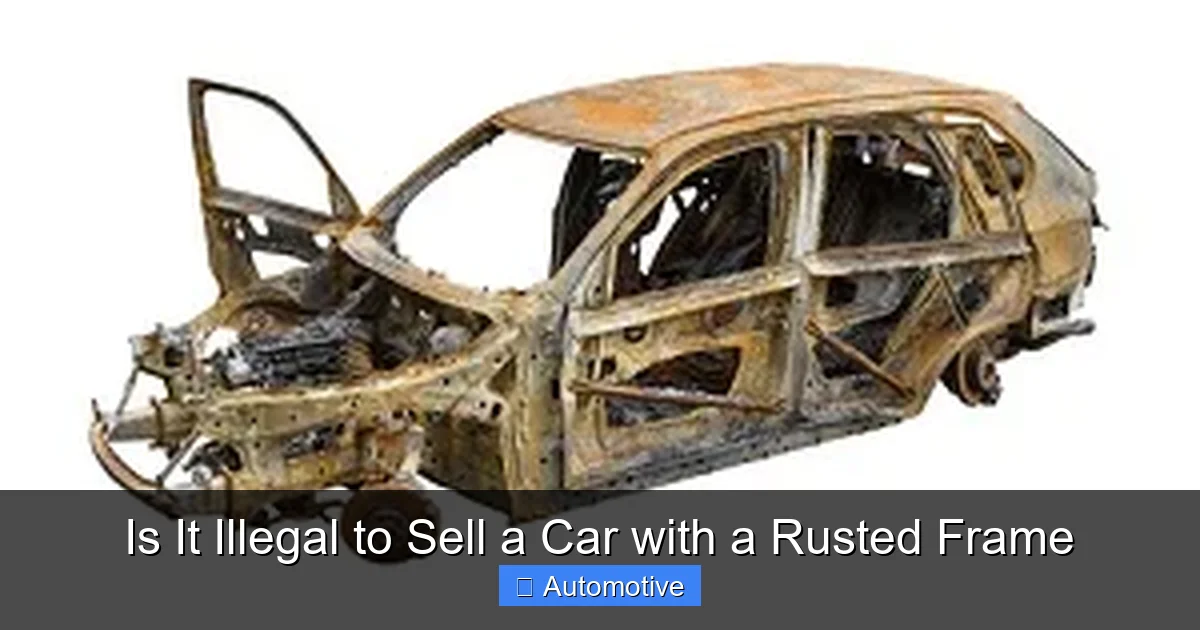
Visual guide about Is It Illegal to Sell a Car with a Rusted Frame
Image source: s30740.pcdn.co
Even if it’s not illegal in your state, selling a car with a rusted frame raises serious safety concerns. Let’s look at why this matters—not just for the buyer, but for everyone on the road.
Structural Weakness and Crash Performance
The frame is designed to crumple in a controlled way during a crash, absorbing energy and protecting the passenger cabin. When rust weakens the frame, this system fails. Instead of crumpling predictably, the frame may buckle unexpectedly, leading to:
- Increased risk of cabin intrusion
- Loss of vehicle control during impact
- Higher chance of rollover in side collisions
A real-world example: In 2018, a 2003 Chevrolet Silverado with severe frame rust near the rear axle collapsed during a low-speed rear-end collision. The cabin was crushed, and the driver suffered serious injuries. Investigators found that the rust had reduced the frame’s strength by over 40%.
Suspension and Steering Failure
Rust often attacks suspension mounting points. When these weaken, components like control arms, shocks, and steering links can detach. This can cause sudden loss of steering or braking ability.
Imagine driving down the highway at 65 mph when a rusted suspension mount gives way. The wheel could lock or veer sharply, leading to a crash. These failures often happen without warning, making them especially dangerous.
Increased Risk of Fire and Electrical Issues
Rust can also damage wiring harnesses and fuel lines that run along the frame. Corroded fuel lines may leak, creating a fire hazard. Damaged wiring can cause short circuits, leading to electrical fires or sudden loss of power.
Long-Term Deterioration
Even if the car seems drivable now, rust is progressive. What starts as a small patch can spread rapidly, especially in humid or salty climates. A vehicle that’s safe today might become dangerous in a year or two.
This is why many mechanics and insurers refuse to work on cars with known frame rust. They don’t want to be liable if something goes wrong.
Disclosure Laws: What You Must Tell Buyers
One of the biggest legal risks in selling a rusted-frame car is failing to disclose the damage. Most states require sellers to be honest about known defects—especially those that affect safety.
Written Disclosure Requirements
In many states, you must provide a written statement about the vehicle’s condition. This is often part of the title transfer or bill of sale. Common disclosures include:
- “Frame damage”
- “Structural rust”
- “Previous repairs to frame”
- “Vehicle not safe for highway use”
For example, in California, sellers must complete a “Transfer and Release of Liability” form and disclose any known safety issues. Hiding frame rust could result in fines up to $1,000.
Oral vs. Written Disclosure
While telling a buyer “there’s some rust underneath” might seem enough, it’s not always legally sufficient. Vague statements can be challenged in court. A buyer might claim you downplayed the severity.
To protect yourself, always disclose rust in writing. Use clear language like:
“The vehicle has significant rust on the rear frame rails. The metal is thin in areas and may compromise structural integrity. Not recommended for regular driving.”
As-Is Sales and Liability
Many private sellers sell cars “as-is,” meaning the buyer accepts the vehicle in its current condition. While this limits your liability, it doesn’t eliminate it entirely.
If you knew about the rust and didn’t disclose it, the “as-is” clause may not protect you. Courts have ruled that sellers can still be liable for fraud if they actively conceal defects.
Example of a Disclosure Gone Wrong
In 2020, a seller in Ohio sold a 2001 Dodge Ram for $3,500, claiming it was “mechanically sound.” The buyer later discovered severe frame rust and sued. The court ruled in the buyer’s favor, citing failure to disclose a known safety defect. The seller had to refund the money and pay damages.
This case shows that even in states with loose regulations, honesty is the best policy.
What to Do If Your Car Has a Rusted Frame
So, you’ve confirmed your car has frame rust. What now? You have several options, each with pros and cons.
Option 1: Repair the Rust
If the rust is minor or localized, professional repair may be possible. This involves:
- Cutting out the rusted section
- Welding in a new piece of metal
- Applying rust inhibitor and paint
Costs vary, but expect to pay $500–$2,000 depending on the extent of damage. Only certified welders should perform frame repairs—improper work can make the problem worse.
Option 2: Sell for Parts or Scrap
If the frame is too damaged to repair, selling the car for parts or scrap metal is a safe and legal option. Many junkyards and recycling centers will buy rusted vehicles.
You’ll get less money—maybe $200–$500—but you avoid legal and safety risks. Be sure to remove the license plates and notify the DMV that the vehicle is no longer in use.
Option 3: Sell with Full Disclosure
If the rust is moderate and the car is still drivable, you can sell it—but only with full transparency. Price it low (e.g., $500–$1,500), disclose the damage in writing, and recommend a professional inspection.
Target buyers who understand rust issues, such as mechanics, restorers, or off-road enthusiasts who plan to rebuild the vehicle.
Option 4: Donate the Vehicle
Some charities accept rusted cars for parts or scrap. You may qualify for a tax deduction. Just make sure the organization is reputable and provides a receipt.
Protecting Yourself as a Seller
No matter what you decide, take steps to protect yourself legally:
- Get a professional inspection: Have a mechanic assess the rust and provide a written report.
- Document everything: Keep photos, repair records, and inspection reports.
- Use a detailed bill of sale: Include a section for disclosures and have both parties sign.
- Avoid misleading language: Don’t say “rust-free” or “structurally sound” if it’s not true.
- Consult a lawyer if unsure: If the rust is severe, seek legal advice before selling.
Conclusion
Selling a car with a rusted frame isn’t always illegal, but it’s rarely a good idea—especially if the rust is severe or undisclosed. Laws vary by state, but the common thread is safety. A weakened frame puts lives at risk and can lead to serious legal consequences for sellers who hide the truth.
Your best move? Be honest, be informed, and prioritize safety over profit. Whether you repair, scrap, or sell with full disclosure, doing the right thing protects you, the buyer, and everyone on the road.
Remember: A few hundred dollars saved today isn’t worth a lawsuit, injury, or worse tomorrow. When in doubt, walk away—or fix it right.
Frequently Asked Questions
Can I sell a car with a rusted frame in any state?
It depends on the state. Some states ban the sale of vehicles with structural rust, while others only require disclosure. Always check your local laws before selling.
What happens if I sell a rusted-frame car without telling the buyer?
You could face legal action for fraud or misrepresentation. Buyers may sue for damages, and you might have to refund the sale price or pay additional penalties.
Is surface rust on the frame a problem?
Surface rust is usually cosmetic and not illegal. But if it progresses to scale or penetrating rust, it can weaken the frame and become a safety and legal issue.
Can a car with a rusted frame pass inspection?
In most states with safety inspections, a car with structural frame rust will fail. Inspectors look for holes, thinning metal, or weakened areas that compromise safety.
Should I repair frame rust before selling?
If the rust is minor, repairs can increase the car’s value and safety. For severe rust, it’s often better to sell for parts or scrap to avoid liability.
What should I write in the disclosure for a rusted frame?
Be specific: mention the location, extent, and potential risks. Example: “Severe rust on rear frame rails; metal is thin and may compromise structural integrity.”