Is It Illegal to Sell a Car with a Rolled Back Odometer
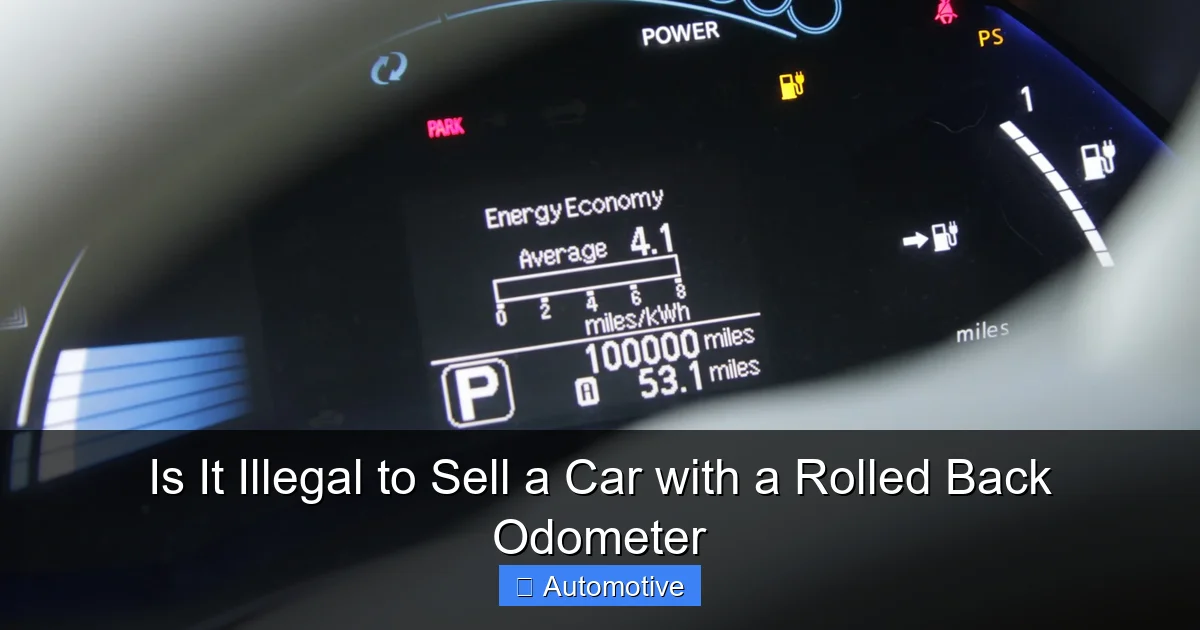
Selling a car with a rolled back odometer is a federal crime in the United States and many other countries. It’s considered odometer fraud, a form of consumer deception that can result in hefty fines, jail time, and civil lawsuits. Always be honest about a vehicle’s mileage to protect yourself and your buyers.
In This Article
- 1 Key Takeaways
- 2 📑 Table of Contents
- 3 Is It Illegal to Sell a Car with a Rolled Back Odometer?
- 4 What Is Odometer Fraud?
- 5 Federal and State Laws Against Odometer Tampering
- 6 Real-Life Consequences of Selling a Car with a Rolled Back Odometer
- 7 How to Detect a Rolled Back Odometer
- 8 What to Do If You’ve Been a Victim of Odometer Fraud
- 9 How Sellers Can Avoid Odometer Fraud Accusations
- 10 Conclusion
- 11 Frequently Asked Questions
- 11.1 Is it illegal to roll back an odometer in the U.S.?
- 11.2 What happens if you sell a car with a rolled back odometer?
- 11.3 Can digital odometers be rolled back?
- 11.4 How can I check if a car’s odometer has been rolled back?
- 11.5 Can I sue someone for selling me a car with a rolled back odometer?
- 11.6 What should I do if I suspect odometer fraud?
Key Takeaways
- Odometer rollback is illegal: Tampering with a vehicle’s odometer to show lower mileage is a federal offense under U.S. law and similar laws in many other countries.
- Penalties are severe: Offenders can face fines up to $10,000, imprisonment for up to 10 years, and civil liability for damages.
- Buyers can sue: Purchasers who discover odometer fraud can take legal action to recover financial losses, including the cost of repairs and diminished value.
- Digital odometers aren’t safe: Even modern digital systems can be tampered with using specialized tools, making fraud harder to detect.
- Always disclose mileage truthfully: Sellers must provide accurate odometer readings and sign a federal odometer disclosure statement when transferring ownership.
- Check vehicle history reports: Buyers should use services like Carfax or AutoCheck to verify mileage and detect potential rollback.
- Report suspected fraud: If you suspect odometer tampering, report it to the National Highway Traffic Safety Administration (NHTSA) or your state’s motor vehicle department.
📑 Table of Contents
- Is It Illegal to Sell a Car with a Rolled Back Odometer?
- What Is Odometer Fraud?
- Federal and State Laws Against Odometer Tampering
- Real-Life Consequences of Selling a Car with a Rolled Back Odometer
- How to Detect a Rolled Back Odometer
- What to Do If You’ve Been a Victim of Odometer Fraud
- How Sellers Can Avoid Odometer Fraud Accusations
- Conclusion
Is It Illegal to Sell a Car with a Rolled Back Odometer?
Imagine you’re in the market for a used car. You find one that looks great—low miles, clean title, and a price that seems too good to be true. You buy it, drive it home, and later discover the odometer has been rolled back. The car has actually been driven twice as far as shown. Not only are you stuck with a potentially unreliable vehicle, but you’ve also paid far more than it’s worth. This scenario isn’t just frustrating—it’s the result of a serious crime: odometer fraud.
Odometer rollback is the act of altering a vehicle’s mileage reading to make it appear lower than it actually is. This deceptive practice is not only unethical but also illegal in most countries, including the United States. Whether done manually on older analog odometers or through software on modern digital systems, tampering with mileage is a violation of federal and state laws. The consequences go beyond legal trouble—they erode trust in the used car market and put consumers at financial and safety risk.
In this article, we’ll explore why selling a car with a rolled back odometer is illegal, the laws that prohibit it, the penalties involved, and how both buyers and sellers can protect themselves. Whether you’re thinking about selling your car or buying one, understanding odometer fraud is essential to making informed, legal, and safe decisions.
What Is Odometer Fraud?
Visual guide about Is It Illegal to Sell a Car with a Rolled Back Odometer
Image source: carroar.com
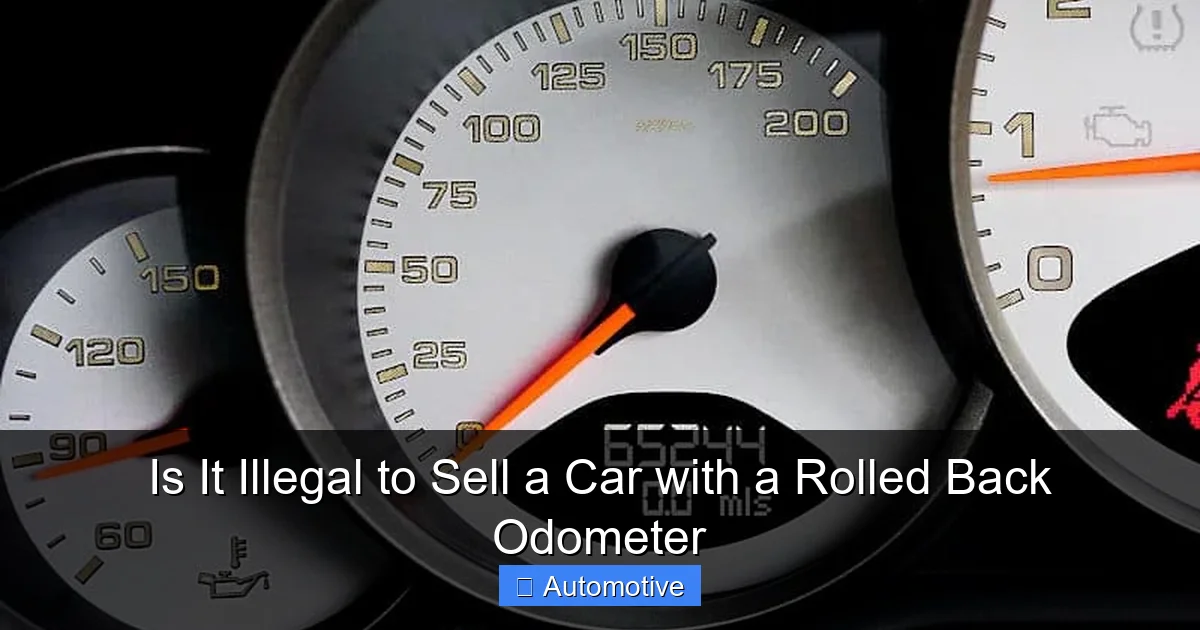
Odometer fraud, also known as mileage rollback or odometer tampering, is the illegal act of altering a vehicle’s odometer to display a lower mileage than the car has actually traveled. This deception is typically done to increase the vehicle’s resale value. A car with lower mileage is generally perceived as being in better condition, requiring less maintenance, and having a longer lifespan—all of which justify a higher price.
How Odometer Rollback Works
In older vehicles with mechanical (analog) odometers, rolling back the mileage was relatively straightforward. These systems used a series of numbered wheels that could be manually turned backward using tools like a drill or screwdriver. A skilled individual could reduce the displayed mileage by thousands of miles in just minutes.
Today, most vehicles use digital odometers, which store mileage data in the car’s electronic control unit (ECU) or other onboard computers. While this makes tampering more complex, it’s far from impossible. With specialized software and diagnostic tools, fraudsters can access the vehicle’s computer system and rewrite the mileage data. Some even use handheld devices purchased online to reset odometers on multiple cars quickly and discreetly.
Why People Commit Odometer Fraud
The primary motivation behind odometer rollback is financial gain. Sellers—whether private individuals, dealerships, or professional scammers—want to maximize their profit. A car with 50,000 miles might sell for $15,000, while the same model with 150,000 miles could go for only $8,000. By reducing the mileage, sellers can pocket thousands of extra dollars.
Other reasons include:
– Re-selling rental or fleet vehicles that have high mileage but are still in good condition.
– Hiding excessive wear and tear to avoid scrutiny during inspections.
– Preparing a vehicle for export to countries with less stringent regulations.
Unfortunately, odometer fraud isn’t limited to shady back-alley deals. It can occur at reputable dealerships, online marketplaces, and even through certified pre-owned programs. That’s why vigilance is crucial for both buyers and regulators.
Federal and State Laws Against Odometer Tampering
Visual guide about Is It Illegal to Sell a Car with a Rolled Back Odometer
Image source: frogcars.com
In the United States, odometer fraud is strictly prohibited under federal law. The primary legislation governing this issue is the **Motor Vehicle Information and Cost Savings Act**, passed in 1972, and later strengthened by the **Federal Anti-Odometer Tampering Act** and the **Truth in Mileage Act (TIMA)** of 1986.
The Truth in Mileage Act (TIMA)
TIMA is one of the most important laws protecting consumers from odometer fraud. It requires that every time a vehicle is sold, traded, or leased in the U.S., the seller must provide a written odometer disclosure statement. This document must include:
– The current mileage reading.
– The date of the reading.
– The seller’s signature.
– A statement confirming whether the mileage is accurate, exceeds the odometer’s mechanical limits, or is suspected to be incorrect.
This disclosure must be provided on the vehicle’s title or a separate form, depending on state requirements. Failure to provide this information—or providing false information—is a direct violation of federal law.
Federal Penalties for Odometer Fraud
The U.S. Department of Transportation (DOT) and the National Highway Traffic Safety Administration (NHTSA) enforce odometer laws. Violators can face:
– **Criminal penalties:** Up to 10 years in federal prison and fines of up to $10,000 per violation.
– **Civil penalties:** Up to $10,000 per violation, plus damages awarded to the victim.
– **Restitution:** Offenders may be required to compensate buyers for financial losses.
These penalties apply to anyone involved in the fraud, including sellers, mechanics, dealerships, and even buyers who knowingly participate.
State Laws and Enforcement
In addition to federal laws, all 50 states have their own regulations against odometer tampering. State motor vehicle departments (DMVs) often work with law enforcement to investigate and prosecute cases. Some states impose even harsher penalties, including license suspension for dealers and mandatory restitution.
For example, in California, odometer fraud is a felony punishable by up to four years in prison and fines up to $50,000. In Texas, the offense is a state jail felony, and offenders can be sued for triple damages.
Real-Life Consequences of Selling a Car with a Rolled Back Odometer
Visual guide about Is It Illegal to Sell a Car with a Rolled Back Odometer
Image source: fourwheeltrends.com
The legal consequences of odometer fraud are severe, but the real-world impact goes beyond fines and jail time. Let’s look at a few examples to understand how this crime affects people.
Case Study: The Florida Dealer Scandal
In 2019, a used car dealership in Florida was shut down after an investigation revealed that over 200 vehicles had their odometers rolled back by an average of 50,000 miles. The owner and several employees were charged with federal odometer fraud. Buyers who purchased these cars reported engine failures, transmission problems, and costly repairs—all because the vehicles had been driven far more than disclosed.
One buyer, a single mother, spent $12,000 on a “low-mileage” SUV only to discover it had over 180,000 miles. She was forced to take out a second loan to cover repairs. The dealership was eventually ordered to pay $2.3 million in restitution to affected customers.
Case Study: The Online Marketplace Scam
In 2021, a man in Ohio was arrested for selling used cars on Craigslist and Facebook Marketplace with rolled back odometers. He used a handheld device to reset the mileage on dozens of vehicles before listing them online. Buyers across multiple states reported similar issues—cars breaking down within weeks of purchase.
The suspect was charged with wire fraud, odometer tampering, and identity theft. He faced up to 20 years in prison and was ordered to pay over $500,000 in restitution.
These cases show that odometer fraud isn’t a victimless crime. It harms consumers, undermines trust in the automotive industry, and can lead to serious financial and safety consequences.
How to Detect a Rolled Back Odometer
As a buyer, you can’t always trust what the odometer says. But there are several ways to spot potential tampering and protect yourself from fraud.
Check the Vehicle History Report
One of the best tools for detecting odometer rollback is a vehicle history report from services like Carfax, AutoCheck, or the National Motor Vehicle Title Information System (NMVTIS). These reports compile data from DMVs, insurance companies, repair shops, and law enforcement to show:
– Previous odometer readings.
– Title brands (e.g., salvage, flood damage).
– Accident history.
– Service and maintenance records.
If the mileage jumps backward or shows inconsistencies over time, it’s a red flag. For example, if a car shows 60,000 miles in 2020, then 45,000 miles in 2021, that’s a clear sign of tampering.
Inspect the Odometer and Interior
Even with digital odometers, physical signs can reveal tampering:
– **Worn pedals, steering wheel, or seats:** High-mileage cars show more wear. If the odometer says 30,000 miles but the driver’s seat is heavily worn, something’s off.
– **Scratches or marks around the odometer:** On older cars, tampering may leave visible damage.
– **Inconsistent tire wear:** Tires typically last 30,000–50,000 miles. If the odometer is low but the tires are bald or mismatched, the car may have been driven more.
Get a Pre-Purchase Inspection
Always have a trusted mechanic inspect the car before buying. They can check the engine, transmission, and other components for signs of high mileage. They may also use diagnostic tools to verify the odometer reading against the vehicle’s computer data.
Ask for Maintenance Records
Legitimate sellers should be able to provide service records. Look for oil changes, brake replacements, and other maintenance that aligns with the mileage. If the car has 40,000 miles but no records of major services, it could be a sign of rollback.
What to Do If You’ve Been a Victim of Odometer Fraud
Discovering that your car’s odometer has been rolled back can be devastating. But you’re not powerless. Here’s what you can do:
Document Everything
Gather all evidence, including:
– The odometer disclosure statement.
– Purchase contract and receipts.
– Vehicle history report.
– Photos of the car and odometer.
– Communication with the seller.
This documentation will be crucial if you decide to take legal action.
Contact the Seller
Reach out to the seller and explain the situation. Some may offer a refund or compensation, especially if they’re a dealership. However, don’t rely on their goodwill—many fraudsters will deny responsibility.
File a Complaint
Report the fraud to:
– The **National Highway Traffic Safety Administration (NHTSA)** via their website.
– Your **state’s attorney general** or consumer protection agency.
– The **Federal Trade Commission (FTC)**.
– The **local police** or sheriff’s office.
These agencies can investigate and may help build a case against the seller.
Consult a Lawyer
You may be entitled to compensation under federal and state laws. A consumer protection attorney can help you file a civil lawsuit to recover:
– The difference in the car’s value.
– Repair costs.
– Legal fees.
– Punitive damages in some cases.
In many states, you can sue for triple damages if the fraud is proven.
How Sellers Can Avoid Odometer Fraud Accusations
If you’re selling a car, honesty is the best policy. Here’s how to stay on the right side of the law:
Always Provide Accurate Mileage
When transferring ownership, fill out the odometer disclosure statement truthfully. If you’re unsure of the exact mileage, state that it’s “not actual” or “exceeds mechanical limits.” Never guess or falsify the reading.
Keep Records
Maintain service records, repair receipts, and any documentation that supports the car’s mileage. This protects you if a buyer later questions the reading.
Be Transparent
If the car has high mileage or known issues, disclose them upfront. Buyers appreciate honesty, and it reduces the risk of disputes or legal trouble.
Avoid Suspicious Tools
Never use or purchase devices that reset odometers. Even if you’re not committing fraud, being associated with such tools can raise red flags.
Conclusion
Selling a car with a rolled back odometer is not just unethical—it’s illegal. Odometer fraud violates federal and state laws, harms consumers, and can lead to serious legal and financial consequences. Whether you’re buying or selling a vehicle, always prioritize transparency and accuracy when it comes to mileage.
For buyers, vigilance is key. Use vehicle history reports, inspect the car thoroughly, and get a pre-purchase inspection. For sellers, honesty builds trust and protects you from legal trouble. Remember, a few extra miles on the odometer won’t make or break a sale—but a lie about those miles can cost you everything.
By understanding the laws and staying informed, we can all help create a fairer, safer used car market.
Frequently Asked Questions
Is it illegal to roll back an odometer in the U.S.?
Yes, it is illegal to roll back or tamper with a vehicle’s odometer in the United States. This is considered odometer fraud and is prohibited under federal law, including the Truth in Mileage Act.
What happens if you sell a car with a rolled back odometer?
You can face criminal charges, including fines up to $10,000 and imprisonment for up to 10 years. You may also be sued by the buyer for damages and restitution.
Can digital odometers be rolled back?
Yes, digital odometers can be tampered with using specialized software and diagnostic tools. While more difficult than analog systems, it is still possible and illegal.
How can I check if a car’s odometer has been rolled back?
Use a vehicle history report from Carfax or AutoCheck, inspect the car for wear and tear, and get a pre-purchase inspection from a mechanic.
Can I sue someone for selling me a car with a rolled back odometer?
Yes, you can file a civil lawsuit to recover financial losses, including the difference in value, repair costs, and legal fees. Some states allow for triple damages.
What should I do if I suspect odometer fraud?
Document the evidence, contact the seller, and report the issue to the NHTSA, your state’s consumer protection agency, and law enforcement.