Is It Hard to Sell a Rebuilt Title Car

Contents
- 1 Key Takeaways
- 2 📑 Table of Contents
- 3 Is It Hard to Sell a Rebuilt Title Car?
- 4 Understanding Rebuilt Titles: What Buyers Need to Know
- 5 Challenges of Selling a Rebuilt Title Car
- 6 How to Prepare Your Rebuilt Title Car for Sale
- 7 Marketing Your Rebuilt Title Car Effectively
- 8 Negotiating and Closing the Sale
- 9 Final Thoughts: Turning Challenges into Opportunities
- 10 Frequently Asked Questions


Selling a rebuilt title car can be more challenging than selling a clean title vehicle, but it’s far from impossible. With the right approach—transparency, proper documentation, and smart pricing—you can attract serious buyers and close the deal. This guide breaks down everything you need to know to sell your rebuilt title car with confidence.
Key Takeaways
- Rebuilt titles reduce resale value: Buyers expect a discount due to the vehicle’s accident or salvage history, typically 20–40% less than a clean title equivalent.
- Transparency builds trust: Full disclosure about the car’s history, repairs, and inspection reports increases buyer confidence and reduces hesitation.
- Market to the right audience: Target buyers who understand rebuilt titles, such as mechanics, DIY enthusiasts, or budget-conscious drivers.
- Documentation is critical: Keep detailed repair records, inspection certificates, and photos to prove the car is safe and roadworthy.
- Financing and insurance hurdles exist: Some lenders and insurers are hesitant to work with rebuilt title cars, which can limit buyer options.
- Pricing strategy matters: Price competitively based on market research and the car’s condition to attract serious offers.
- Private sales often work better: Dealerships may avoid rebuilt title cars, so selling directly to a private buyer can yield better results.
📑 Table of Contents
- Is It Hard to Sell a Rebuilt Title Car?
- Understanding Rebuilt Titles: What Buyers Need to Know
- Challenges of Selling a Rebuilt Title Car
- How to Prepare Your Rebuilt Title Car for Sale
- Marketing Your Rebuilt Title Car Effectively
- Negotiating and Closing the Sale
- Final Thoughts: Turning Challenges into Opportunities
Is It Hard to Sell a Rebuilt Title Car?
If you’re trying to sell a car with a rebuilt title, you’ve probably already noticed that it’s not as simple as listing a clean title vehicle and waiting for offers to roll in. There’s a stigma around rebuilt titles, and many buyers approach them with caution—sometimes even fear. But here’s the truth: selling a rebuilt title car isn’t impossible. In fact, with the right mindset, preparation, and strategy, you can sell your vehicle successfully and for a fair price.
A rebuilt title means the car was once declared a total loss by an insurance company—usually after a serious accident, flood, or other major damage—but has since been repaired and passed a state inspection to be legally drivable again. While this process restores the car’s roadworthiness, it doesn’t erase its past. Buyers know this, and that awareness affects how they perceive value, safety, and reliability.
So, is it hard to sell a rebuilt title car? The short answer is yes, it can be more difficult than selling a clean title car—but not because the vehicle is inherently bad. The challenge lies in overcoming buyer skepticism, navigating financing and insurance limitations, and positioning your car as a smart, safe, and affordable option. The good news? Thousands of rebuilt title cars sell every year. People buy them for many reasons: lower prices, project car potential, or simply because they need reliable transportation on a budget.
In this guide, we’ll walk you through everything you need to know to sell your rebuilt title car with confidence. From understanding why buyers hesitate to practical tips on pricing, marketing, and closing the deal, we’ve got you covered.
Understanding Rebuilt Titles: What Buyers Need to Know
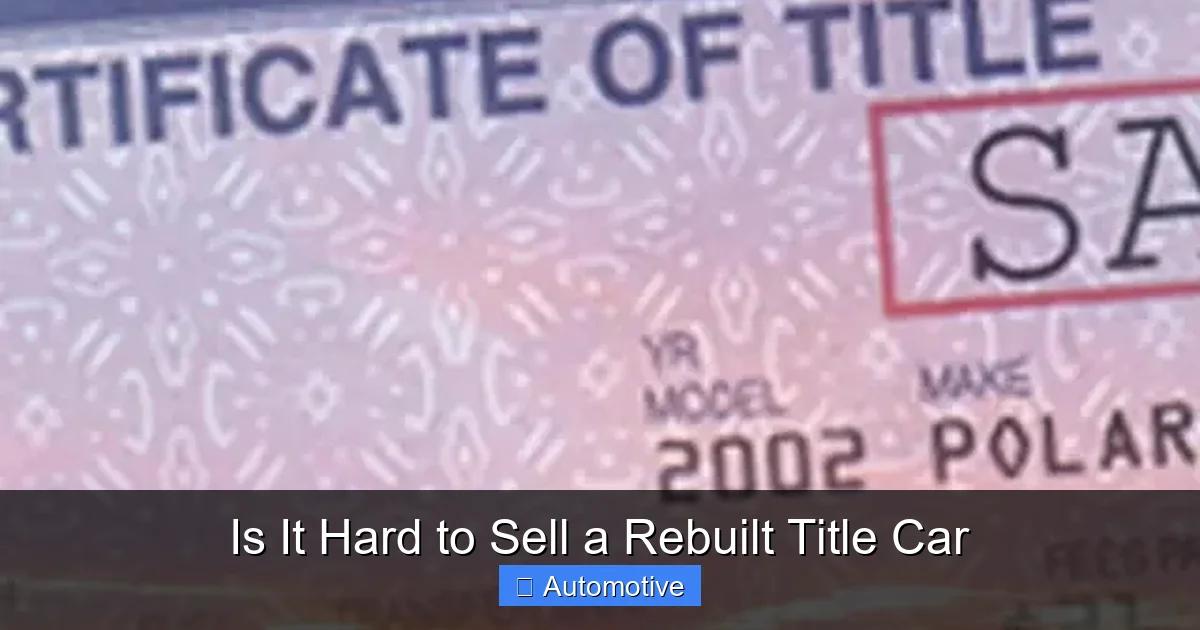
Visual guide about Is It Hard to Sell a Rebuilt Title Car
Image source: motorbiscuit.com
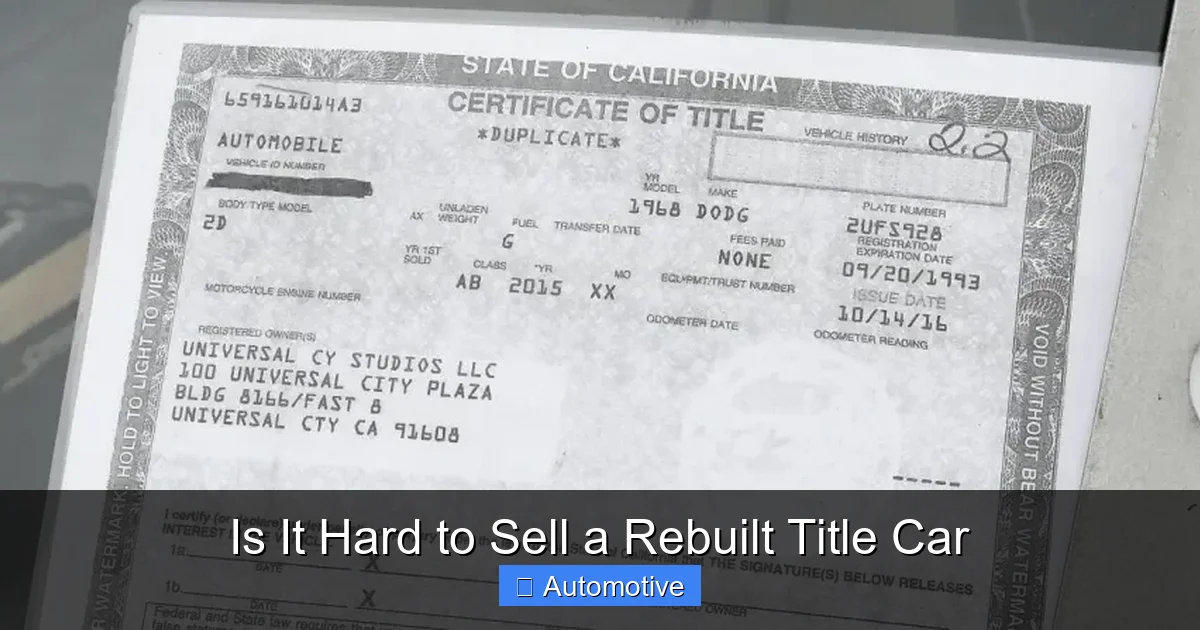
Before you can sell your rebuilt title car, it helps to understand exactly what a rebuilt title means—and why it matters to buyers. A rebuilt title is issued after a vehicle that was previously declared a salvage (or total loss) has been repaired and inspected by a state-approved agency. The inspection confirms that the car meets safety and roadworthiness standards, allowing it to be registered and driven legally.
But here’s the catch: a rebuilt title is a permanent mark on the vehicle’s history. Unlike a clean title, which suggests the car has never been severely damaged, a rebuilt title tells a story of damage and repair. And that story can scare off some buyers.
Why Do Rebuilt Titles Scare Buyers?
Many people associate rebuilt titles with unsafe or unreliable vehicles. They worry that even if the car looks good and runs well now, there could be hidden problems—structural weaknesses, electrical issues, or compromised safety features—that weren’t fully addressed during repairs. This fear is understandable, especially when you consider that some rebuilt cars were once flood-damaged or involved in high-impact crashes.
Another concern is resale value. Buyers know that if they ever want to sell the car themselves, they’ll face the same challenges you’re facing now. This creates a psychological barrier: “If I buy this, will I ever be able to sell it?” That uncertainty can make even a great deal feel risky.
The Difference Between Rebuilt and Salvage Titles
It’s important not to confuse a rebuilt title with a salvage title. A salvage title means the car was declared a total loss but hasn’t been repaired or inspected yet. It cannot be driven legally until it passes inspection and gets a rebuilt title. So, if your car has a rebuilt title, it has already cleared that hurdle—which is a big plus.
Still, the stigma remains. Some buyers assume that any car with a salvage or rebuilt history is “junk,” even if it’s been professionally restored. That’s why your job as a seller is to educate, reassure, and prove that your car is safe, reliable, and worth buying.
Who Buys Rebuilt Title Cars?
Despite the challenges, there’s a market for rebuilt title cars. The right buyers include:
– Budget-conscious drivers: People who need reliable transportation but can’t afford a clean title car.
– DIY mechanics and car enthusiasts: These buyers enjoy working on cars and see a rebuilt title as a project opportunity.
– Commercial buyers: Businesses that need fleet vehicles or work trucks often don’t care about title history as long as the car is functional.
– Second-car buyers: Someone looking for a backup vehicle or a car for a teen driver may prioritize affordability over title status.
Understanding your target audience helps you tailor your listing, pricing, and communication to attract the right kind of buyer.
Challenges of Selling a Rebuilt Title Car
Visual guide about Is It Hard to Sell a Rebuilt Title Car
Image source: i.ytimg.com
Selling a rebuilt title car comes with unique obstacles that don’t apply to clean title vehicles. These challenges can slow down the sale, reduce offers, or even prevent a sale altogether—if you’re not prepared.
Lower Resale Value
One of the biggest hurdles is the reduced market value. Rebuilt title cars typically sell for 20% to 40% less than comparable clean title models. This discount reflects the perceived risk and the car’s damaged history. For example, a 2018 Honda Civic with a clean title might sell for $18,000, but the same car with a rebuilt title might only fetch $12,000–$14,000.
This price gap can be frustrating, especially if you’ve invested time and money into repairs. But it’s important to accept that the market values rebuilt titles lower—and pricing your car accordingly is key to attracting buyers.
Difficulty Obtaining Financing
Many banks and credit unions are hesitant to finance rebuilt title cars. Lenders see them as higher-risk investments because of their history and lower resale value. If a buyer can’t secure a loan, they may have to pay cash—which limits the pool of potential buyers.
Some lenders do offer financing for rebuilt title vehicles, but often with higher interest rates or stricter requirements. This can be a dealbreaker for buyers who were counting on financing to make the purchase affordable.
Insurance Complications
Insurance can also be tricky. While most insurers will cover a rebuilt title car, some may charge higher premiums or refuse comprehensive and collision coverage. This is because they’re concerned about the car’s structural integrity and the potential for future claims.
Buyers may discover this only after they’ve made an offer, which can kill the deal. To avoid surprises, encourage interested buyers to check with their insurance provider early in the process.
Limited Trade-In Options
If you’re hoping to trade in your rebuilt title car at a dealership, you’re likely out of luck. Most dealerships avoid taking on rebuilt title vehicles because they don’t want the hassle of reselling them. Even if a dealer does accept it, the trade-in value will be minimal—often just scrap value.
This means your best bet is usually a private sale, where you have more control over pricing and negotiation.
Buyer Skepticism and Misconceptions
Finally, there’s the human factor. Many buyers simply don’t understand rebuilt titles or assume the worst. They may ask questions like, “Was it in a flood?” or “Is it safe to drive?” without realizing that a rebuilt title means the car has passed rigorous inspections.
Your job is to address these concerns head-on with facts, documentation, and honesty. The more transparent you are, the more likely buyers are to see your car as a smart purchase rather than a risky gamble.
How to Prepare Your Rebuilt Title Car for Sale

Visual guide about Is It Hard to Sell a Rebuilt Title Car
Image source: static.carsdn.co
The more prepared you are, the smoother your sale will go. Taking the time to properly prepare your rebuilt title car can make a huge difference in how buyers perceive it—and how much they’re willing to pay.
Gather All Documentation
Start by collecting every piece of paperwork related to the car’s history and repairs. This includes:
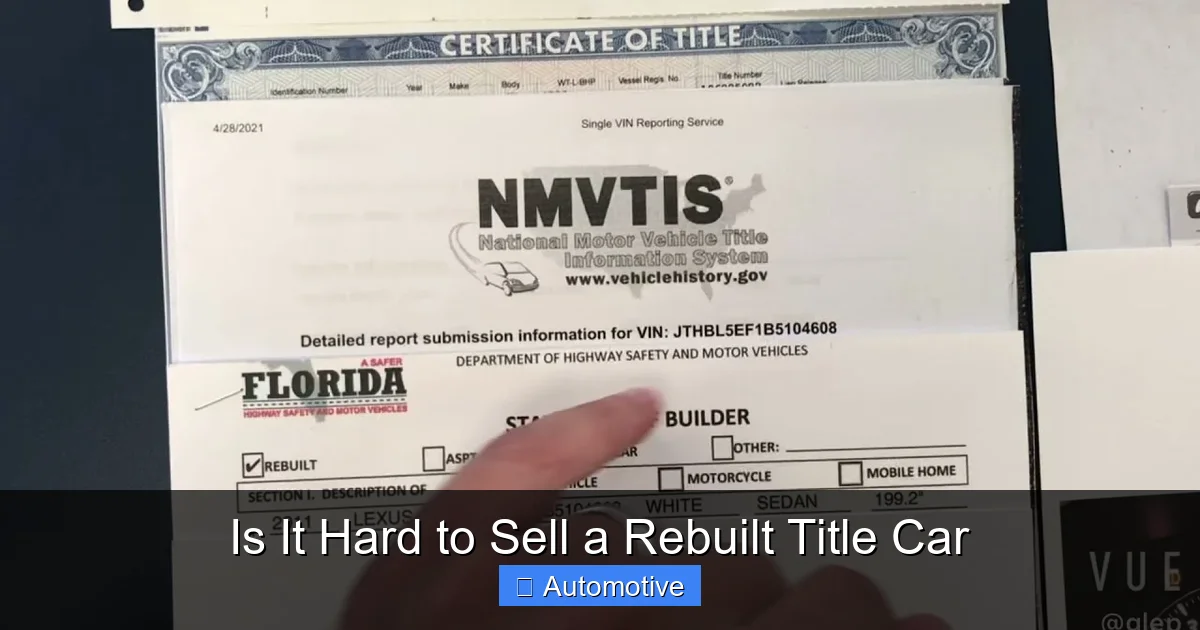
– The rebuilt title certificate
– State inspection reports
– Repair invoices and receipts
– Photos of the damage and repairs (before and after)
– Maintenance records
– Any warranty information (if applicable)
This documentation proves that the car was properly repaired and is safe to drive. It also shows buyers that you’re serious, responsible, and transparent.
Get a Professional Inspection
Even though your car already passed a state inspection to get its rebuilt title, consider getting a second opinion from a trusted mechanic. A pre-sale inspection can uncover any hidden issues and give you a chance to fix them before listing the car.
Plus, you can offer the inspection report to buyers as added reassurance. Some sellers even include a “mechanic’s certification” stating that the car is in good working condition.
Clean and Detail the Car
First impressions matter. A clean, well-maintained car looks more trustworthy and valuable—even with a rebuilt title. Give your car a thorough wash, wax, and interior cleaning. Vacuum the carpets, wipe down surfaces, and remove any personal items.
If there are minor cosmetic flaws, consider fixing them. A fresh coat of paint on a bumper or replacing worn floor mats can go a long way in boosting appeal.
Take High-Quality Photos
Photos are your first chance to grab a buyer’s attention. Take clear, well-lit pictures from multiple angles—front, back, sides, interior, engine bay, and trunk. Include close-ups of any repairs or unique features.
Avoid filters or misleading angles. Honest, high-quality photos build trust and reduce the chance of buyers feeling misled.
Set a Competitive Price
Pricing is crucial. Research similar rebuilt title cars in your area using sites like Kelley Blue Book, Edmunds, or local classifieds. Adjust for your car’s condition, mileage, and features.
Remember: buyers expect a discount. Don’t try to price your car like a clean title vehicle. A fair, competitive price will attract more interest and lead to quicker offers.
Marketing Your Rebuilt Title Car Effectively
Once your car is ready, it’s time to list it. But how you market it can make or break your sale.
Write a Honest, Detailed Listing
Your listing should be clear, informative, and upfront about the rebuilt title. Don’t hide the history—embrace it. Explain what caused the salvage title, what repairs were done, and how the car performs now.
Use bullet points to highlight key features, recent repairs, and included documentation. For example:
– Rebuilt title due to front-end collision (2021)
– New bumper, headlights, and radiator installed
– Passed state inspection in March 2023
– 60,000 miles, excellent fuel economy
– Includes repair receipts and inspection report
Being upfront builds trust and filters out buyers who aren’t serious.
Choose the Right Platforms
List your car on platforms that attract private buyers, such as:
– Craigslist
– Facebook Marketplace
– OfferUp
– AutoTrader (private seller section)
– Local classifieds
Avoid dealership-only platforms, as most won’t accept rebuilt titles.
Respond Promptly and Professionally
When buyers reach out, respond quickly and politely. Answer questions honestly and provide additional photos or documents if requested.
Avoid pressuring buyers or making exaggerated claims. Let the car’s condition and your transparency do the selling.
Be Ready for Test Drives
Allow serious buyers to test drive the car—but always go with them or meet in a public place for safety. Use the test drive as an opportunity to explain the car’s features and reassure them about its condition.
Negotiating and Closing the Sale
When you get an offer, stay calm and professional. Negotiation is normal, especially with rebuilt title cars.
Know Your Bottom Line
Decide in advance the lowest price you’re willing to accept. Be prepared to negotiate, but don’t feel pressured to go below your minimum.
Accept Secure Payment
For private sales, cash or a cashier’s check is safest. Avoid personal checks or wire transfers, which can be risky.
Complete the Paperwork Correctly
Transfer the title properly, provide a bill of sale, and notify your state’s DMV of the sale. Keep copies of all documents for your records.
Remove License Plates and Cancel Insurance
In most states, you’ll need to remove the license plates and cancel your insurance once the sale is complete.
Final Thoughts: Turning Challenges into Opportunities
Selling a rebuilt title car isn’t easy, but it’s far from impossible. The key is to approach the process with honesty, preparation, and patience. By understanding the challenges, preparing your car thoroughly, and marketing it to the right audience, you can turn a potentially difficult sale into a successful one.
Remember: a rebuilt title doesn’t mean a bad car. It means a car with a history—one that’s been repaired, inspected, and restored to safe, drivable condition. And for the right buyer, that can be a great deal.
So don’t give up. With the right strategy, your rebuilt title car can find a new home—and a new life—with someone who appreciates its value.
Frequently Asked Questions
Can you sell a car with a rebuilt title?
Yes, you can sell a car with a rebuilt title. Many private buyers are willing to purchase rebuilt title vehicles, especially if they’re priced fairly and come with proper documentation.
Do rebuilt title cars have lower value?
Yes, rebuilt title cars typically sell for 20% to 40% less than comparable clean title vehicles due to their damaged history and perceived risk.
Will insurance cover a rebuilt title car?
Most insurance companies will cover a rebuilt title car, but some may charge higher premiums or refuse comprehensive and collision coverage.
Can you finance a rebuilt title car?
Financing is possible but more difficult. Some lenders offer loans for rebuilt title vehicles, often with higher interest rates or stricter terms.
Do dealerships buy rebuilt title cars?
Most dealerships avoid buying rebuilt title cars due to resale challenges. Private sales are usually the best option.
How do you prove a rebuilt title car is safe?
Provide documentation such as repair receipts, inspection reports, and photos. A pre-sale mechanic’s inspection can also reassure buyers.