Is It Hard to Sell a Car with a Salvage Title

Selling a car with a salvage title is harder than selling a clean-title vehicle, but it’s far from impossible. With the right preparation, transparency, and pricing strategy, you can find a buyer—especially in niche markets like mechanics, rebuilders, or budget-conscious drivers. The key is understanding the challenges and knowing how to overcome them effectively.
In This Article
- 1 Key Takeaways
- 2 📑 Table of Contents
- 3 Is It Hard to Sell a Car with a Salvage Title?
- 4 Why Salvage Titles Make Selling Difficult
- 5 Who Buys Salvage Title Cars?
- 6 How to Prepare Your Salvage Car for Sale
- 7 Where and How to Sell a Salvage Car
- 8 Can You Get a Rebuilt Title to Help Sell?
- 9 Final Tips for a Successful Sale
- 10 Conclusion
- 11 Frequently Asked Questions
Key Takeaways
- Salvage titles reduce resale value: Buyers expect steep discounts, often 20–40% less than clean-title equivalents.
- Fewer buyers are willing to take the risk: Many avoid salvage cars due to safety concerns, financing issues, and insurance hurdles.
- Disclosure is legally required: You must clearly state the salvage status in your listing and during the sale to avoid legal trouble.
- Target the right audience: Mechanics, rebuilders, and DIY enthusiasts are more likely to buy salvage vehicles.
- Rebuilt titles improve marketability: If the car has been repaired and passed inspection, it may qualify for a rebuilt title, making it easier to sell.
- Private sales often work better than dealerships: Most dealers won’t accept salvage cars, so selling privately gives you more control.
- Documentation builds trust: Providing repair records, photos, and inspection reports increases buyer confidence.
📑 Table of Contents
Is It Hard to Sell a Car with a Salvage Title?
If you’ve ever owned a car that’s been in a serious accident, flood, or fire, you might have ended up with a salvage title. And if you’re now thinking about selling that vehicle, you’ve probably asked yourself: *Is it hard to sell a car with a salvage title?* The short answer is yes—it’s more difficult than selling a car with a clean title. But it’s not impossible. With the right approach, you can still find a buyer and get a fair price.
A salvage title means the car was declared a total loss by an insurance company. This usually happens when the cost to repair the vehicle exceeds a certain percentage of its value—often 70% to 75%, depending on the state. Once that happens, the title is branded as “salvage,” which stays with the car forever, even if it’s fully repaired. This label raises red flags for many buyers, which is why selling becomes a challenge.
But here’s the good news: there are people who actively look for salvage vehicles. Mechanics, body shops, DIY car enthusiasts, and even some budget drivers see value in these cars. They know how to assess damage, do repairs, or use parts. So while the pool of potential buyers is smaller, it’s not empty. The key is knowing how to reach them and how to present your car in the best possible light.
Why Salvage Titles Make Selling Difficult
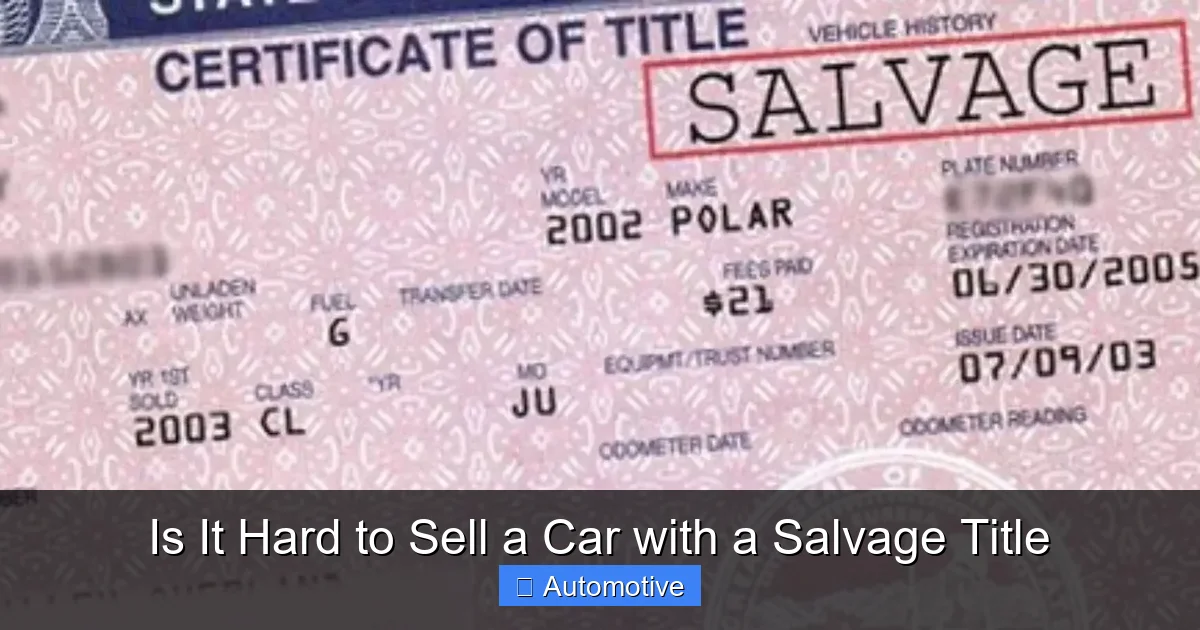
Visual guide about Is It Hard to Sell a Car with a Salvage Title
Image source: static.overfuel.com
Selling a car with a salvage title comes with several hurdles that don’t exist with clean-title vehicles. Understanding these challenges is the first step to overcoming them.
Lower Resale Value
One of the biggest issues is the drop in value. Buyers expect a significant discount when they see a salvage title. On average, a salvage car sells for 20% to 40% less than the same model with a clean title. For example, a 2018 Honda Civic with a clean title might go for $16,000, but the same car with a salvage title could fetch only $9,600 to $12,800—depending on the extent of the damage and repairs.
This discount isn’t just about the past damage. It also reflects the uncertainty buyers feel. They worry about hidden problems, structural weaknesses, or future repair costs. Even if your car runs perfectly, the title itself creates doubt.
Limited Buyer Pool
Most everyday drivers avoid salvage cars. They want reliability, safety, and peace of mind—things that a salvage title can make them question. Families, commuters, and first-time buyers are especially cautious. They often can’t get financing or full insurance coverage, which further limits their interest.
As a result, your potential buyers are mostly:
– Mechanics who can fix or rebuild the car
– Body shops looking for parts or project vehicles
– DIY enthusiasts who enjoy restoring cars
– Used car dealers who specialize in salvage or rebuilt vehicles
This narrower audience means you’ll need to market your car differently and be patient. It might take longer to sell, but the right buyer will come along.
Financing and Insurance Challenges
Another major hurdle is that many banks and credit unions won’t finance a salvage-title car. Lenders see them as high-risk investments. If a buyer can’t get a loan, they’ll need to pay cash—which not everyone can do.
Insurance is also tricky. Some companies won’t insure salvage vehicles at all, while others offer only liability coverage, not comprehensive or collision. This means the buyer might not be able to drive the car legally unless they can get insured. These practical barriers turn away many otherwise interested buyers.
Legal and Disclosure Requirements
You’re legally required to disclose the salvage status when selling a car. In most states, failing to do so can lead to fines, lawsuits, or even criminal charges. Buyers can sue you for fraud if they later discover the car had a salvage title and you didn’t tell them.
This means you must be upfront in your listing, during conversations, and on the bill of sale. Honesty isn’t just the law—it’s also the best way to build trust and avoid problems down the road.
Who Buys Salvage Title Cars?
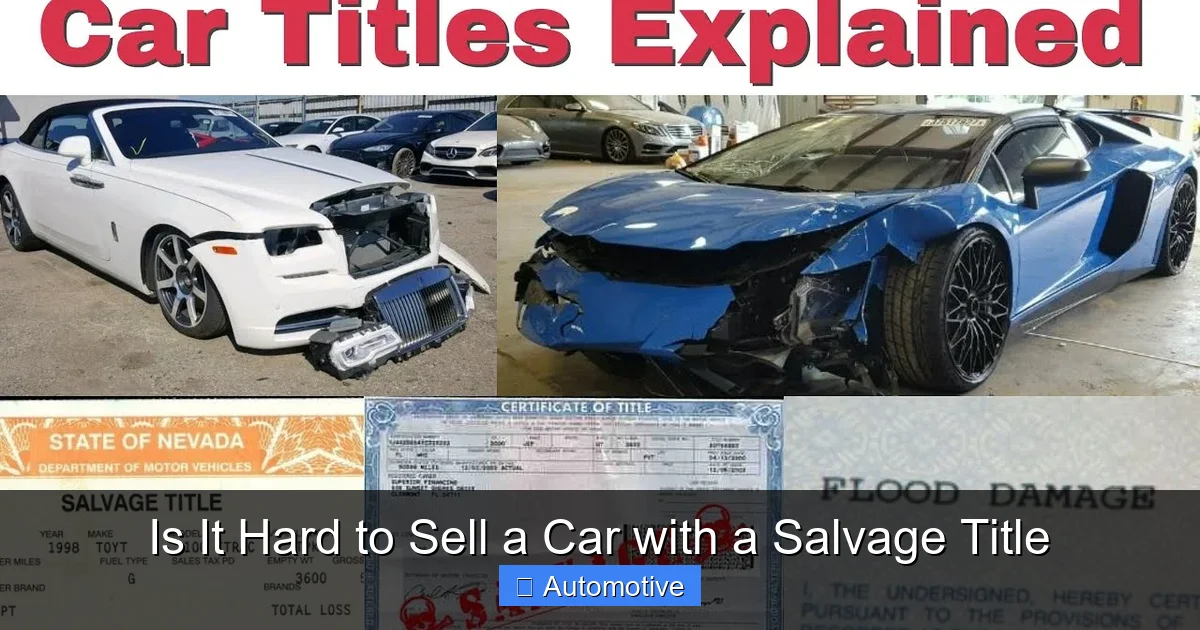
Visual guide about Is It Hard to Sell a Car with a Salvage Title
Image source: i.ytimg.com
Even though the market is smaller, there are definitely people who buy salvage-title vehicles. Knowing who they are helps you target your marketing and set realistic expectations.
Mechanics and Body Shops
These professionals are among the most common buyers. They have the skills to assess damage, order parts, and do repairs. For them, a salvage car is a project or a source of usable parts. They’re not worried about the title—they’re focused on what the car can become.
For example, a mechanic might buy a salvage Toyota Camry with front-end damage. They can replace the bumper, headlights, and radiator, then resell it as a rebuilt-title car for a profit. Or they might use the engine and transmission in another vehicle.
DIY Enthusiasts and Restorers
Car lovers who enjoy working on vehicles often seek out salvage cars. They see them as affordable projects. A college student might buy a salvage Ford Mustang to learn welding and bodywork. A weekend warrior might restore a classic car that was totaled in a flood.
These buyers are motivated by passion, not just profit. They’re willing to invest time and money because they enjoy the process. If your car has sentimental value or is a rare model, this group might be especially interested.
Used Car Dealers and Rebuilders
Some dealers specialize in salvage and rebuilt vehicles. They buy cars at auction, fix them up, and sell them with a rebuilt title. These buyers are looking for good deals and low acquisition costs.
They’ll inspect your car carefully and negotiate hard, but they can be reliable buyers—especially if your vehicle is in decent shape or has valuable parts.
Budget-Conscious Buyers
Not everyone can afford a clean-title car. Some people need transportation but have limited funds. If your salvage car is mechanically sound and safe to drive, it might appeal to someone who just needs a reliable commuter.
For instance, a single parent working two jobs might not care about the title history if the car starts, runs, and gets them to work. They’re taking a risk, but the low price makes it worth it to them.
How to Prepare Your Salvage Car for Sale
Visual guide about Is It Hard to Sell a Car with a Salvage Title
Image source: thedrive.com
The better your car looks and the more information you provide, the easier it will be to sell. Preparation is key—even if the car has a salvage title.
Get It Inspected (If Possible)
If your car has been repaired, consider getting a professional inspection. Some states require a rebuilt inspection before issuing a rebuilt title. Even if it’s not required, an inspection report from a trusted mechanic can reassure buyers.
The report should include:
– A summary of past damage
– Details of repairs done
– Current condition of engine, transmission, brakes, and frame
– Photos of key components
This document acts as proof that the car is safe and roadworthy. It can make a big difference in buyer confidence.
Clean and Detail the Car
First impressions matter. A dirty, cluttered car looks neglected—even if it runs well. Take the time to wash, wax, vacuum, and clean the interior. Remove personal items, air out bad smells, and fix minor cosmetic issues like cracked dashboards or torn seats.
A clean car suggests care and responsibility. It tells buyers you’ve maintained it, which can offset concerns about the salvage title.
Gather All Documentation
Buyers want to see proof of what happened and what was fixed. Collect:
– The salvage title
– Repair invoices and receipts
– Photos of the damage and repairs
– Previous registration and insurance records
– Any inspection reports
Organize these in a folder or digital file. Offer to share them early in the process. Transparency builds trust.
Be Honest About the Damage
Don’t hide the car’s history. Be upfront about why it got a salvage title. Was it a front-end collision? Flood damage? Fire? How extensive was the damage? What parts were replaced?
Buyers appreciate honesty. If you try to downplay the damage, they’ll find out—and they’ll walk away. But if you’re open and detailed, they’re more likely to believe you’re not hiding anything.
Set a Realistic Price
Pricing is critical. You can’t expect clean-title money. Research similar salvage cars in your area using sites like Craigslist, Facebook Marketplace, or AutoTrader. Look at cars with similar year, make, model, mileage, and damage type.
Then, price yours competitively—usually 20% to 40% below clean-title value. For example:
– Clean-title 2017 Subaru Outback: $18,000
– Salvage-title 2017 Subaru Outback (minor rear damage): $12,000
– Salvage-title 2017 Subaru Outback (major flood damage): $8,000
Be prepared to negotiate. Buyers will expect a discount, so leave some room.
Where and How to Sell a Salvage Car
Choosing the right platform and strategy can make or break your sale.
Sell Privately for Better Control
Private sales usually work better than trading in or selling to a dealer. Most dealerships won’t accept salvage cars—they don’t want the liability or hassle. Even if they do, they’ll offer you pennies on the dollar.
Selling privately gives you more control over price, presentation, and negotiation. You can target the right buyers and build trust through direct communication.
Use Online Marketplaces
List your car on popular platforms like:
– Craigslist
– Facebook Marketplace
– OfferUp
– AutoTrader (some categories allow salvage)
– eBay Motors
Write a clear, honest title: “2016 Honda Accord – Salvage Title – Runs Great – Needs Minor Body Work”
In the description, include:
– Year, make, model, mileage
– Reason for salvage title
– Extent of damage and repairs
– Current condition
– Why you’re selling
– Asking price
– Contact info
Use high-quality photos from multiple angles—outside, inside, engine, damage areas, and repaired sections.
Advertise in Niche Communities
Reach out to groups that love project cars:
– Local car clubs (Mustang, Honda, BMW, etc.)
– Facebook groups for car enthusiasts
– Forums like Reddit’s r/projectcar or r/cars
– Mechanic shops and body shops (ask if they know anyone looking)
These communities are full of people who understand salvage cars and might be interested.
Consider Selling for Parts
If the car isn’t drivable or repairable, selling it for parts might be your best option. You can sell the whole car to a junkyard or dismantler, or sell individual parts online.
For example:
– A working engine can sell for $1,000–$3,000
– Transmission: $500–$1,500
– Wheels, seats, electronics: $50–$300 each
This takes more effort, but it can maximize your return.
Be Patient and Persistent
Selling a salvage car can take weeks or even months. Don’t get discouraged if you don’t get immediate offers. Keep your listing active, respond quickly to inquiries, and be open to reasonable offers.
Sometimes, the right buyer just needs time to decide.
Can You Get a Rebuilt Title to Help Sell?
If your car has been repaired and is roadworthy, you might be able to get a rebuilt title. This can make it much easier to sell.
What Is a Rebuilt Title?
A rebuilt title means the car was previously salvaged but has been repaired and passed a state inspection. It’s a step up from salvage—and it reassures buyers that the car is safe to drive.
Not all states offer rebuilt titles, but most do. The process usually involves:
1. Repairing the car to meet safety standards
2. Getting a rebuilt inspection from a state-approved mechanic or agency
3. Submitting paperwork and paying a fee
4. Receiving a rebuilt title
Benefits of a Rebuilt Title
– Easier to insure (many companies offer full coverage)
– Possible to finance (some lenders accept rebuilt titles)
– Higher resale value (still less than clean, but more than salvage)
– Broader buyer appeal
For example, a 2015 Ford F-150 with a salvage title might sell for $10,000. The same truck with a rebuilt title could go for $14,000—a 40% increase.
Is It Worth the Effort?
It depends on the car and your goals. If the repairs are already done and the car is in good shape, getting a rebuilt title is usually worth it. It opens doors to more buyers and better prices.
But if the car needs major work or you’re selling it for parts, it might not be worth the time and cost.
Final Tips for a Successful Sale
Selling a car with a salvage title isn’t easy, but these tips can help you succeed:
– Be transparent: Honesty builds trust and avoids legal issues.
– Price it right: Don’t overvalue the car. Be realistic.
– Target the right buyers: Focus on mechanics, rebuilders, and enthusiasts.
– Provide proof: Share repair records, photos, and inspection reports.
– Clean it up: A well-presented car sells faster.
– Be patient: It might take time, but the right buyer will come.
Remember, a salvage title doesn’t mean the car is worthless. It just means you need to work a little harder to find the right buyer.
Conclusion
So, is it hard to sell a car with a salvage title? Yes—but it’s not impossible. The challenges are real: lower value, fewer buyers, financing and insurance issues, and legal disclosure requirements. But with the right preparation, pricing, and marketing, you can still sell your car successfully.
The key is understanding your audience. Mechanics, DIYers, and rebuilders see potential where others see risk. By being honest, providing documentation, and targeting the right platforms, you can find a buyer who appreciates what your car has to offer.
Don’t let the salvage title scare you. With patience and persistence, you can turn a difficult sale into a successful one.
Frequently Asked Questions
Can you sell a car with a salvage title?
Yes, you can sell a car with a salvage title, but it’s more challenging than selling a clean-title vehicle. You must disclose the salvage status legally and target buyers who understand the risks and benefits.
How much less does a salvage car sell for?
On average, a salvage-title car sells for 20% to 40% less than the same model with a clean title. The exact discount depends on the extent of the damage, repairs done, and market demand.
Can you get insurance on a salvage car?
It depends on the insurer and state. Some companies offer only liability coverage, while others may insure rebuilt-title cars. Full coverage is rare for salvage titles, so buyers should check with insurers before purchasing.
Can you finance a salvage-title car?
Most traditional lenders won’t finance a salvage-title car due to the high risk. However, some credit unions or specialized lenders may offer loans, especially if the car has a rebuilt title and passes inspection.
Is it worth repairing a salvage car to sell?
It can be worth it if the repairs are affordable and the car has good resale potential. Getting a rebuilt title can increase value and make it easier to sell, but only if the car is safe and roadworthy.
Where is the best place to sell a salvage car?
Private sales through online marketplaces like Craigslist, Facebook Marketplace, or car enthusiast forums work best. Avoid dealerships, as most won’t accept salvage vehicles.