If My Registration Is Suspended Can I Sell My Car
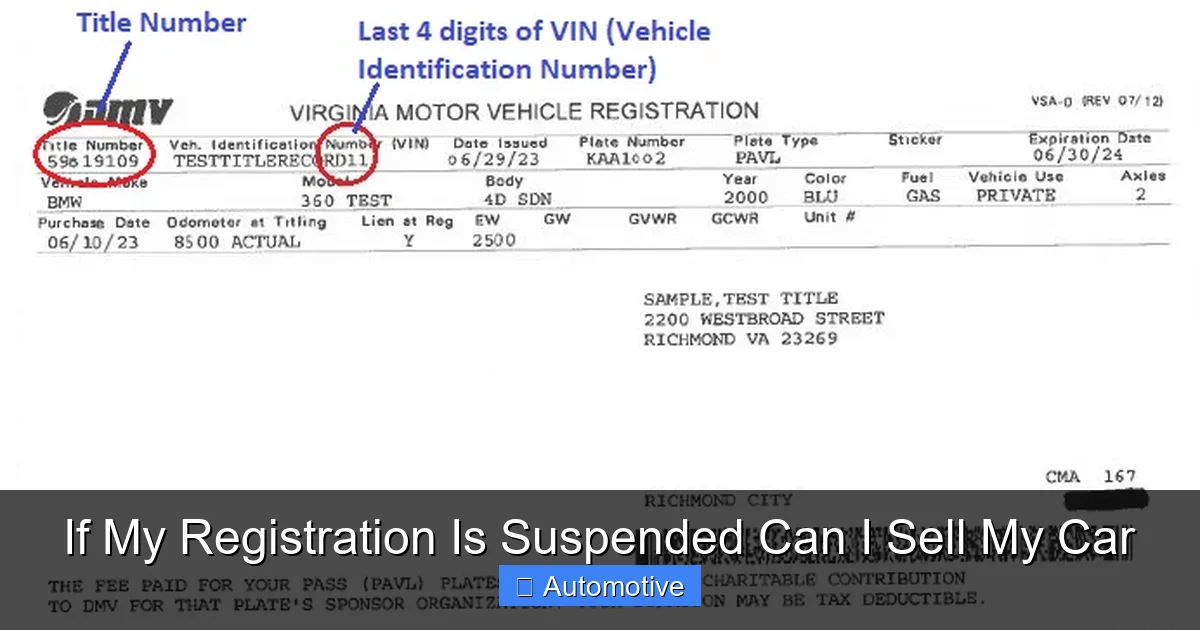
If your vehicle registration is suspended, you may still be able to sell your car, but the process depends on your state’s laws and the reason for the suspension. While a suspended registration doesn’t automatically block a sale, you’ll often need to resolve the issue or work with the buyer and DMV to complete the transfer legally.
This is a comprehensive guide about if my registration is suspended can i sell my car.
In This Article
- 1 Key Takeaways
- 2 If My Registration Is Suspended Can I Sell My Car?
- 3 Understanding Registration Suspension: What It Means and Why It Happens
- 4 Can You Legally Sell a Car with Suspended Registration?
- 5 Steps to Sell Your Car with a Suspended Registration
- 6 Can the Buyer Register the Car After Purchase?
- 7 Alternatives and Special Considerations
- 8 Protecting Yourself and the Buyer
- 9 Conclusion
- 10 Frequently Asked Questions
- 10.1 Can I sell my car if my registration is suspended in California?
- 10.2 Do I need valid registration to transfer a car title?
- 10.3 Will a suspended registration affect my car’s resale value?
- 10.4 Can the buyer get insurance if the registration is suspended?
- 10.5 What happens if I don’t disclose the suspended registration to the buyer?
- 10.6 Can I sell my car to a dealership with a suspended registration?
Key Takeaways
- You can often sell a car with suspended registration: Most states allow private sales even if registration is expired or suspended, but the buyer may need to handle re-registration.
- Check your state’s DMV rules: Laws vary widely—some states require valid registration to transfer title, while others allow sales with proper documentation.
- The reason for suspension matters: If the suspension is due to unpaid fines, insurance lapse, or emissions failure, you may need to fix it before selling.
- Disclose the suspension to buyers: Honesty builds trust and avoids legal trouble—buyers should know the car’s status before purchase.
- Use a bill of sale and title transfer: These documents are essential to legally transfer ownership, even if registration is suspended.
- Consider getting a temporary permit: In some cases, you can obtain a short-term registration or transit permit to facilitate the sale.
- Work with the buyer on re-registration: Help the new owner register the vehicle in their name to ensure a smooth, legal transfer.
[FEATURED_IMAGE_PLACEHOLDER]
If My Registration Is Suspended Can I Sell My Car?
So, your car’s registration has been suspended—maybe you forgot to renew it, missed an insurance payment, or failed an emissions test. Now you’re thinking about selling the vehicle, but you’re not sure if it’s even legal to do so. You’re not alone. Many car owners face this confusing situation and wonder: If my registration is suspended, can I sell my car?
The short answer? Yes, in most cases, you can still sell your car even if the registration is suspended. But it’s not always as simple as handing over the keys and the title. The process depends on several factors, including your state’s laws, the reason for the suspension, and how transparent you are with the buyer. While a suspended registration doesn’t automatically disqualify a sale, it can complicate things—especially if the buyer wants to drive the car right away or register it in their name.
In this guide, we’ll walk you through everything you need to know about selling a car with a suspended registration. We’ll cover the legal ins and outs, state-specific rules, practical steps to take, and how to protect both yourself and the buyer. Whether you’re dealing with a lapsed insurance policy, unpaid fines, or an expired registration, we’ve got you covered. By the end, you’ll know exactly what to do—and what to avoid—so you can sell your car smoothly and legally.
Understanding Registration Suspension: What It Means and Why It Happens
Before we dive into whether you can sell your car, let’s first understand what a registration suspension actually is. Vehicle registration is more than just a sticker on your windshield—it’s a legal requirement that proves your car is authorized to operate on public roads. When your registration is suspended, it means the state has temporarily revoked your right to drive the vehicle legally. This doesn’t necessarily mean the car is unusable, but it does restrict how and when you can operate it.
Registration suspensions can happen for a variety of reasons. The most common include failing to renew your registration on time, letting your auto insurance lapse, not passing a required emissions or safety inspection, or accumulating too many traffic violations or unpaid fines. In some cases, the suspension is automatic—like when your insurance company reports a policy cancellation to the DMV. In others, it’s triggered by a notice from the state after you’ve missed a deadline or failed to respond to a citation.
It’s important to note that a suspended registration is different from a revoked or canceled registration. Suspension is usually temporary and can be lifted once you meet certain conditions, such as paying fines, renewing insurance, or passing an inspection. Revocation, on the other hand, is more serious and often requires a hearing or lengthy process to restore.
So why does this matter when selling your car? Because the status of your registration affects how easily the buyer can take ownership and get the vehicle back on the road. If the suspension is due to something simple like an expired registration, the buyer may be able to handle the renewal themselves. But if it’s tied to unpaid fines or legal issues, those problems may need to be resolved before the sale can go through.
Common Reasons for Registration Suspension
Let’s break down the most frequent causes of registration suspension so you can better understand your situation:
- Expired Registration: This is the most straightforward reason. If you don’t renew your registration by the due date, the DMV will suspend it. In many states, you can still sell the car, but the buyer will need to renew it in their name.
- Lapsed Auto Insurance: Most states require continuous auto insurance coverage. If your policy lapses and the DMV is notified, your registration can be suspended until you provide proof of new coverage.
- Failed Emissions or Safety Inspection: Some states require periodic vehicle inspections. If your car fails or you miss the inspection deadline, registration may be suspended until the issue is fixed.
- Unpaid Fines or Tickets: Accumulating unpaid traffic tickets, parking violations, or court fines can lead to registration suspension as a way to pressure payment.
- Outstanding Child Support or Tax Liens: In certain states, failure to pay child support or back taxes can result in vehicle registration suspension.
- Multiple Traffic Violations: Repeated offenses like speeding, reckless driving, or DUI can lead to suspension as part of a driver’s license or registration penalty.
Understanding the root cause of your suspension is the first step in determining whether you can sell your car—and how to do it properly.
Can You Legally Sell a Car with Suspended Registration?
Now for the big question: Can you legally sell a car if your registration is suspended? The answer is generally yes—but with important caveats. In most states, owning a car and having a valid registration are two separate things. You can legally own a vehicle even if it’s not currently registered, and that means you can sell it. However, the ability to transfer ownership and register the car in a new owner’s name depends on state laws and the specifics of the suspension.
Let’s look at how different states handle this situation. In states like California, Texas, and Florida, you can sell a car with a suspended registration, but the buyer will typically need to resolve the registration issue before they can drive it legally. In some cases, the DMV may allow a title transfer even with a suspended registration, as long as the buyer agrees to handle the renewal. In other states, such as New York or Illinois, the rules are stricter—some DMV offices may refuse to process a title transfer if the registration is suspended, especially if it’s due to unpaid fines or insurance lapse.
One key factor is whether the suspension is administrative (like an expired registration) or punitive (like unpaid fines or legal violations). Administrative suspensions are usually easier to work around. For example, if your registration simply expired last month, you can often sell the car and let the buyer renew it. But if the suspension is due to unpaid tickets or a court order, you may need to clear those debts first before the DMV will allow a transfer.
Another consideration is the title status. As long as you hold a clear title (meaning you own the car outright and there are no liens), you have the legal right to sell it—even if the registration is suspended. The title is what proves ownership, while registration proves the vehicle is legally allowed to be driven. So, in most cases, you can transfer the title to a new owner regardless of registration status.
However, practical challenges may arise. For instance, some buyers may be hesitant to purchase a car they can’t immediately drive or register. Others may worry about inheriting your fines or legal issues. That’s why transparency is crucial. You’ll need to disclose the suspension to potential buyers and explain what steps they’ll need to take to get the car road-legal.
State-by-State Variations: What You Need to Know
Because vehicle laws vary by state, it’s essential to check your local DMV guidelines. Here’s a quick overview of how a few states handle selling a car with suspended registration:
- California: You can sell a car with a suspended registration, but the buyer must renew it in their name. If the suspension is due to unpaid fines, those may need to be resolved first.
- Texas: The DMV allows title transfers even with a suspended registration, but the buyer will need to pay any outstanding fees or fines to register the vehicle.
- Florida: You can sell the car, but the buyer must obtain a new registration. If the suspension is due to insurance lapse, the buyer will need to provide proof of coverage.
- New York: The DMV may delay title transfer if registration is suspended due to unpaid fines or insurance issues. Resolving the suspension first is often recommended.
- Illinois: You can sell the car, but the buyer must handle re-registration. If the suspension is due to emissions failure, the car must pass inspection before registration.
Always contact your local DMV or check their website for the most accurate and up-to-date information. Rules can change, and some counties or cities may have additional requirements.
Steps to Sell Your Car with a Suspended Registration
Selling a car with a suspended registration isn’t impossible—it just requires a bit more planning and communication. Here’s a step-by-step guide to help you navigate the process smoothly and legally.
1. Determine the Reason for Suspension
Before listing your car for sale, find out exactly why your registration was suspended. Check your DMV account online, review any notices you’ve received, or call your local DMV office. Knowing the cause will help you decide whether you need to fix it before selling or if the buyer can handle it.
For example, if the suspension is due to an expired registration, the buyer can usually renew it themselves. But if it’s because of unpaid fines or a lapsed insurance policy, you may need to resolve those issues first—especially if the DMV won’t process a title transfer until they’re cleared.
2. Gather All Necessary Documents
Even with a suspended registration, you’ll need to provide the buyer with key paperwork to complete the sale. Make sure you have:
- The vehicle title: This proves you own the car. If the title is lost, apply for a duplicate from the DMV before selling.
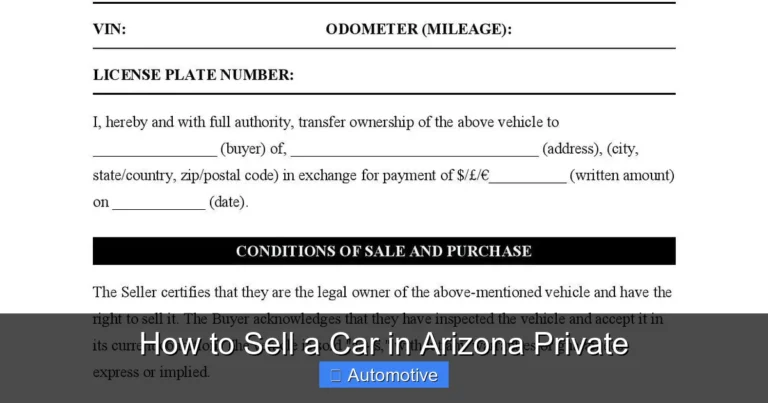
- A bill of sale: This document records the sale details, including the sale price, date, and both parties’ information. Many states provide free templates online.
- Odometer disclosure: Required in most states for vehicles under 10 years old, this form confirms the mileage at the time of sale.
- Release of liability form: After the sale, you should file this with the DMV to protect yourself from future tickets or accidents involving the car.
- Maintenance records (optional but helpful): These can increase buyer confidence and justify your asking price.
Having these documents ready shows the buyer you’re organized and serious about the sale.
3. Disclose the Suspension to Buyers
Honesty is the best policy. When advertising your car, clearly state that the registration is currently suspended and explain why. For example: “Registration suspended due to expired renewal—buyer will need to renew in their name.” This transparency builds trust and prevents misunderstandings later.
You can still market the car as “runs great” or “low mileage,” but don’t hide the registration issue. Buyers appreciate upfront communication, and it reduces the risk of disputes or legal trouble down the line.
4. Set a Fair Price
A suspended registration may affect your car’s value, especially if the buyer has to pay fees to get it road-legal. Consider adjusting your asking price to reflect this. For instance, if the buyer will need to pay $150 in renewal fees and $50 for a new inspection, you might lower your price by $200 to compensate.
Alternatively, you could offer to cover some of the costs yourself—like paying the renewal fee before the sale—to make the deal more attractive.
5. Complete the Title Transfer
Once you’ve found a buyer, sign the title over to them. Make sure to fill out all required sections, including the sale price and odometer reading. Some states require notarization, so check your local rules.
The buyer will then take the signed title, bill of sale, and other documents to their local DMV to register the vehicle in their name. They’ll need to pay any applicable fees, taxes, and fines to complete the process.
6. File a Release of Liability
After the sale, don’t forget to file a release of liability form with your DMV. This protects you from being held responsible for any tickets, accidents, or violations that occur after the sale. In most states, you can do this online or by mail.
Can the Buyer Register the Car After Purchase?
One of the biggest concerns for buyers is whether they can register the car after buying it with a suspended registration. The good news is that in most cases, yes—they can. But the process and requirements depend on the state and the reason for the suspension.
In states like Texas and Florida, the buyer can typically register the vehicle as long as they provide proof of insurance, pay the registration fees, and pass any required inspections. The previous owner’s suspension doesn’t carry over—once the title is transferred, the new owner starts fresh.
However, if the suspension was due to unpaid fines or legal issues, those may still be tied to the vehicle or the previous owner. For example, if you owe back taxes or child support, some states may place a lien on the car, which could complicate the transfer. In such cases, the buyer might need to pay the outstanding amount or work with the DMV to clear the issue.
To help the buyer, provide them with all relevant information about the suspension and any documentation that explains the situation. If possible, assist them in contacting the DMV to confirm what steps they’ll need to take. This cooperation can make the sale smoother and increase the chances of a successful transfer.
Tips for a Smooth Registration Transfer
- Encourage the buyer to visit the DMV promptly: The sooner they register the car, the less risk there is of delays or additional fees.
- Provide proof of insurance requirements: Let the buyer know what type of coverage is needed in your state.
- Share inspection requirements: If the car needs an emissions or safety test, inform the buyer so they can schedule it in advance.
- Offer to help with paperwork: If you’re nearby, you can accompany the buyer to the DMV to answer questions or provide signatures.
By supporting the buyer through the registration process, you’re not only being helpful—you’re also protecting yourself from potential liability.
Alternatives and Special Considerations
Sometimes, selling a car with a suspended registration isn’t the best option—or it’s simply not feasible. In those cases, you may want to consider alternatives or take special steps to make the sale possible.
Option 1: Resolve the Suspension Before Selling
If the suspension is due to something you can easily fix—like renewing your registration or paying a small fine—it may be worth doing so before listing the car. A valid registration can increase the car’s appeal and value, and it removes a potential obstacle for buyers.
For example, if your registration expired last month and the renewal fee is $75, paying it now could help you sell the car faster and for a higher price. Plus, you avoid the hassle of explaining the suspension to every potential buyer.
Option 2: Sell to a Private Party vs. a Dealer
You have two main options when selling: a private buyer or a dealership. Each has pros and cons when registration is suspended.
Selling privately gives you more control over the price and process, but you’ll need to handle the paperwork and disclosure yourself. Some private buyers may be willing to take on a car with a suspended registration, especially if it’s a good deal.
Selling to a dealer is often easier—they’ll handle the title transfer and registration, and they may not care about the suspension as long as the car is in decent condition. However, dealers typically offer less money than private sales, since they need to resell the car for a profit.
Option 3: Use a Temporary or Transit Permit
In some states, you can apply for a temporary registration or transit permit that allows the buyer to drive the car to the DMV or inspection station. This can be helpful if the buyer wants to test-drive the vehicle or get it registered immediately after purchase.
Check with your DMV to see if this option is available. You may need to provide proof of insurance and pay a small fee.
Option 4: Sell for Parts or Scrap
If the car isn’t running or the suspension is due to major issues (like a failed inspection you can’t afford to fix), you might consider selling it for parts or as scrap. While you won’t get as much money, it’s a quick way to offload the vehicle without dealing with registration complications.
Protecting Yourself and the Buyer
Selling a car with a suspended registration comes with risks—for both you and the buyer. To protect everyone involved, follow these best practices:
- Be honest and transparent: Disclose the suspension upfront and provide all relevant details.
- Use a written bill of sale: This legally documents the transaction and protects both parties.
- Keep copies of all paperwork: Save the bill of sale, title transfer, and release of liability for your records.
- Avoid cash-only deals: Use a cashier’s check or bank transfer to reduce the risk of fraud.
- Meet in a safe, public place: If meeting a private buyer, choose a well-lit location like a DMV or police station parking lot.
By taking these precautions, you can ensure a fair, legal, and stress-free sale.
Conclusion
So, if my registration is suspended, can I sell my car? The answer is a cautious yes—with the right approach. While a suspended registration adds complexity to the sale, it doesn’t make it impossible. By understanding the reason for the suspension, knowing your state’s laws, and being transparent with buyers, you can successfully transfer ownership and move on.
The key is preparation. Gather your documents, disclose the issue, and help the buyer navigate the registration process. In some cases, resolving the suspension beforehand may be the best move. In others, selling as-is with clear communication is perfectly acceptable.
Remember, the goal is a smooth, legal transfer that protects both you and the buyer. With the right steps, you can sell your car—even with a suspended registration—and walk away with peace of mind.
Frequently Asked Questions
Can I sell my car if my registration is suspended in California?
Yes, you can sell your car in California even if the registration is suspended. However, the buyer will need to renew the registration in their name and may need to resolve any underlying issues, such as unpaid fines or insurance lapse.
Do I need valid registration to transfer a car title?
Not always. In many states, you can transfer a title even with a suspended registration, as long as you have a clear title and proper documentation. However, some states may delay the transfer if there are unpaid fines or legal issues.
Will a suspended registration affect my car’s resale value?
It might. Buyers may be hesitant to purchase a car they can’t immediately register or drive. Consider lowering your price or offering to cover some of the renewal costs to make the sale more attractive.
Can the buyer get insurance if the registration is suspended?
Yes, the buyer can usually get insurance once they own the car. However, they’ll need to register the vehicle before they can legally drive it, which may require resolving the suspension first.
What happens if I don’t disclose the suspended registration to the buyer?
Failing to disclose the suspension can lead to legal disputes, loss of buyer trust, or even liability if the buyer faces fines or penalties. Always be honest about the car’s status.
Can I sell my car to a dealership with a suspended registration?
Yes, most dealerships will buy a car even with a suspended registration, especially if it’s in good condition. They’ll handle the paperwork and registration, though they may offer a lower price.