If I Sell My Car What Happens to the Insurance
Selling your car doesn’t automatically cancel your insurance. You must notify your insurer to avoid paying for coverage you no longer need. Failing to do so could lead to wasted premiums or liability issues.
[FEATURED_IMAGE_PLACEOLDER]
So, you’ve decided to sell your car. Maybe you’re upgrading to a newer model, switching to public transit, or just simplifying your life. Whatever the reason, it’s an exciting step—but it comes with responsibilities beyond handing over the keys and signing the title. One of the most overlooked yet crucial aspects? Your car insurance.
Many people assume that once they sell their vehicle, the insurance just… disappears. But here’s the truth: **your insurance policy doesn’t vanish when you sell your car**. It remains active under your name unless you take action. And if you don’t handle it properly, you could end up paying for coverage on a vehicle you no longer own—or worse, face legal or financial consequences.
Car insurance is tied to the policyholder, not the vehicle itself. That means even after the sale, your insurer still considers you responsible for the policy. If you keep paying premiums without canceling, you’re essentially throwing money away. On the flip side, if you cancel too early—before the new owner takes possession—you could leave yourself exposed if something happens during the transition.
In this guide, we’ll walk you through exactly what happens to your insurance when you sell your car, how to cancel or adjust your policy, and what to do if you’re planning to buy another vehicle soon. We’ll also cover common mistakes, state-specific rules, and tips to make the process smooth and stress-free. Whether you’re selling privately, trading in at a dealership, or donating your car, this information will help you stay protected and save money.
In This Article
- 1 Key Takeaways
- 2 📑 Table of Contents
- 3 Understanding How Car Insurance Works When You Sell
- 4 Steps to Take Immediately After Selling Your Car
- 5 What Happens If You Buy Another Car Soon?
- 6 State-Specific Rules and Requirements
- 7 Common Mistakes to Avoid
- 8 Tips for a Smooth Transition
- 9 Conclusion
- 10 Frequently Asked Questions
- 10.1 Do I need to cancel my insurance immediately after selling my car?
- 10.2 Will I get a refund if I cancel my policy early?
- 10.3 Can the new owner use my insurance policy?
- 10.4 What if I’m buying a new car right away?
- 10.5 Do I need to notify the DMV about canceling my insurance?
- 10.6 What happens if I forget to cancel my policy?
Key Takeaways
- Insurance doesn’t transfer with the car: Your policy stays in your name unless you explicitly cancel or transfer it.
- Cancel promptly after sale: Contact your insurer as soon as the sale is complete to stop payments and avoid overpaying.
- You may get a refund: Unused premiums are typically refunded on a pro-rata basis, minus any fees.
- Don’t drive uninsured: If you plan to buy another vehicle, maintain coverage to avoid a lapse, which can raise future rates.
- Document everything: Keep records of the sale and communication with your insurer to prevent disputes.
- Check state requirements: Some states require proof of insurance cancellation when transferring ownership.
- Consider short-term options: If buying a new car soon, explore temporary or non-owner policies to stay covered.
📑 Table of Contents
Understanding How Car Insurance Works When You Sell
Car insurance is designed to protect you, the driver, and the vehicle you’re operating. But here’s a key point many people miss: **the policy is linked to you, not the car**. That means when you sell your vehicle, the insurance doesn’t automatically transfer to the new owner. Instead, it stays in your name until you formally cancel it or make changes.
Think of it like a subscription service. If you cancel your streaming service, you stop paying—but if you just stop using it without canceling, you’ll keep getting charged. The same logic applies to car insurance. Even if you no longer have the car, your insurer will continue billing you unless you notify them.
This is especially important because driving without insurance—or being listed on a policy for a car you don’t own—can lead to complications. For example, if the new owner gets into an accident and your policy is still active, your insurer might be contacted. While they likely won’t pay out (since you’re not the driver or owner), it could still create confusion, delays, or even affect your claims history.
Additionally, most insurance policies are written with the assumption that the named driver is the primary operator. If someone else is driving the car regularly—like the new owner—and they’re not listed on the policy, coverage could be denied in the event of a claim. This is why it’s essential to cancel your policy as soon as the sale is finalized.
Why Insurance Doesn’t Transfer Automatically
One of the biggest misconceptions is that selling a car automatically cancels the insurance. But that’s not how it works. Insurance companies require explicit communication to make changes to a policy. They don’t monitor vehicle sales or DMV records in real time.
When you sell your car, the title and registration transfer to the new owner, but your insurance policy remains unchanged. The new owner must obtain their own insurance before driving the vehicle legally. In most states, it’s illegal to operate a car without valid insurance, so the buyer will need to secure coverage immediately.
Because of this, your policy continues to exist independently. You’re still the named insured, and you’re still responsible for premium payments—unless you cancel. This is why it’s so important to contact your insurer right after the sale.
The Risks of Keeping an Active Policy After Sale
Keeping your insurance active after selling your car might seem harmless, but it can lead to several issues:
– **Wasted money:** You’ll keep paying premiums for a vehicle you no longer own. Depending on your policy, this could cost hundreds of dollars over a few months.
– **Liability concerns:** If the new owner causes an accident and your policy is still active, your insurer might be involved in the claims process—even if you’re not at fault. This could affect your claims history or rates.
– **Policy misuse:** If the new owner uses your policy information (like your insurance card) to file a claim, it could be considered fraud—even if unintentional.
– **Renewal complications:** When your policy renews, you’ll need to update it or cancel it. Failing to do so could result in automatic renewal and continued charges.
To avoid these problems, it’s best to cancel your policy as soon as the sale is complete.
Steps to Take Immediately After Selling Your Car
Visual guide about If I Sell My Car What Happens to the Insurance
Image source: mychoice.ca
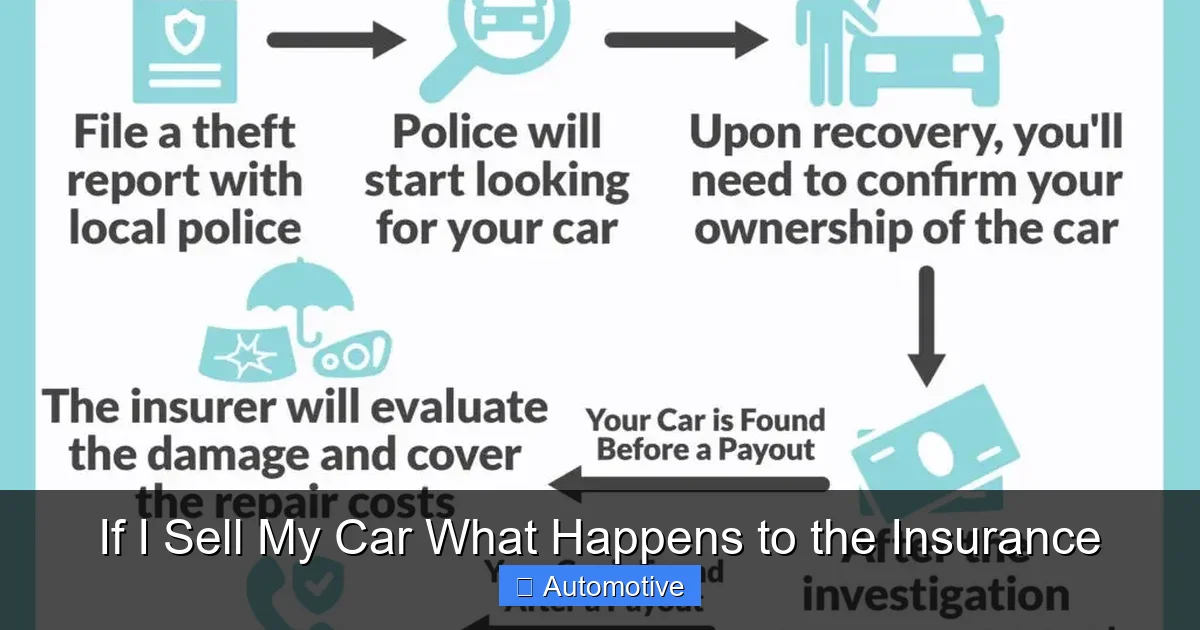
Selling your car is a big step, and handling the insurance correctly is part of a smooth transition. Here’s what you should do right after the sale to protect yourself and your finances.
1. Notify Your Insurance Company
The first and most important step is to contact your insurance provider. Let them know you’ve sold your vehicle and want to cancel or adjust your policy. Most insurers allow you to do this over the phone, online, or through their mobile app.
When you call, be ready to provide:
– Your policy number
– The date of the sale
– The vehicle identification number (VIN)
– Confirmation that the car is no longer in your possession
Some insurers may ask for a copy of the bill of sale or title transfer as proof. It’s a good idea to have these documents handy.
2. Request a Pro-Rata Refund
When you cancel your policy mid-term, you’re entitled to a refund for the unused portion of your premium. This is called a pro-rata refund, meaning you get back the money for the days you didn’t use the coverage.
For example, if you paid $600 for six months of coverage and cancel after two months, you should receive a refund for the remaining four months—minus any cancellation fees.
Most insurers process refunds within 7–14 business days. The refund may come as a check or be credited back to your original payment method.
3. Remove the Sold Vehicle from Your Policy
If you have multiple vehicles on your policy, you may not need to cancel the entire policy—just remove the sold car. This is common if you’re keeping another vehicle or plan to buy a new one soon.
Your insurer will adjust your coverage and recalculate your premium based on the remaining vehicles. This can save you money compared to canceling everything and starting over.
4. Keep Records of the Sale and Cancellation
Documentation is your best friend when selling a car. Keep copies of:
– The bill of sale
– Title transfer documents
– Email or call confirmation from your insurer
– Refund receipt
These records can help resolve disputes if your insurer claims you didn’t cancel or if there’s confusion about coverage dates.
5. Return or Destroy Your Insurance Card
Once the policy is canceled, you should no longer have an active insurance card for that vehicle. If you have a physical card, destroy it to prevent misuse. If you’re keeping other vehicles insured, make sure your current card reflects only the active cars.
What Happens If You Buy Another Car Soon?
Visual guide about If I Sell My Car What Happens to the Insurance
Image source: s-media-cache-ak0.pinimg.com
If you’re planning to buy another vehicle right away, you don’t necessarily need to cancel your entire policy. In fact, maintaining continuous coverage can benefit you in several ways.
Avoiding a Coverage Lapse
One of the biggest factors in determining your insurance rates is whether you’ve had a lapse in coverage. Insurance companies view drivers with gaps as higher risk, which can lead to significantly higher premiums.
If you cancel your policy after selling your car and then wait a week or two to insure a new vehicle, that gap—even if brief—could count as a lapse. To avoid this, consider keeping your policy active until your new car is ready.
Options for Temporary Coverage
If there’s a short gap between selling your old car and buying a new one, you have a few options:
– **Keep your policy active:** If you’re buying a new car within a few days, it may be easier to keep your current policy and just add the new vehicle when you get it.
– **Non-owner car insurance:** This is a type of policy that provides liability coverage when you drive a vehicle you don’t own. It’s useful if you’re borrowing a car or renting frequently while waiting for your new vehicle.
– **Short-term or temporary policies:** Some insurers offer short-term coverage for a few days or weeks. These are less common but can be a good solution for brief gaps.
Adding a New Vehicle to Your Policy
When you buy a new car, you’ll need to add it to your insurance policy. Most insurers require you to do this within a few days of purchase—often 7 to 14 days, depending on the company.
You’ll need to provide:
– The new vehicle’s VIN
– Make, model, and year
– Purchase date and price
– Desired coverage levels
Your premium will be adjusted based on the new vehicle’s value, safety rating, and other factors. In some cases, you may qualify for a multi-car discount if you’re insuring more than one vehicle.
State-Specific Rules and Requirements
Visual guide about If I Sell My Car What Happens to the Insurance
Image source: groupnews24.com
Insurance laws vary by state, so it’s important to understand the rules where you live. While the general principles are similar across the U.S., some states have specific requirements when selling a vehicle.
Proof of Insurance Cancellation
In some states, you may need to provide proof that you’ve canceled your insurance when transferring the title. This is to ensure that the vehicle isn’t being driven uninsured during the transition.
For example, in California, the DMV may require a “Notice of Transfer and Release of Liability” form, which includes information about insurance. While they don’t always ask for a cancellation letter, having one can help avoid delays.
Grace Periods for New Owners
Many states give new owners a short grace period—usually 7 to 30 days—to insure a newly purchased vehicle. During this time, the buyer can drive the car legally while setting up their own policy.
However, this doesn’t mean you can keep your policy active during this period. The new owner is responsible for their own coverage, and your policy should be canceled once the sale is complete.
Reporting the Sale to the DMV
In most states, you’re required to report the sale of your vehicle to the DMV within a certain timeframe—often 5 to 10 days. This helps protect you from liability if the new owner gets a ticket or causes an accident before transferring the title.
When you report the sale, you may also need to surrender your license plates or notify the DMV that you no longer insure the vehicle. Check your state’s DMV website for specific instructions.
Common Mistakes to Avoid
Even with the best intentions, it’s easy to make mistakes when selling a car and handling insurance. Here are some common pitfalls and how to avoid them.
Assuming Insurance Cancels Automatically
This is the number one mistake. Just because you sold the car doesn’t mean your policy ends. You must contact your insurer to cancel or adjust it.
Canceling Too Early
If you cancel your policy before the new owner takes possession, you could be left uninsured if something happens during the handoff. For example, if you’re driving the car to meet the buyer and get into an accident, you’ll need coverage.
To avoid this, wait until the sale is complete and the vehicle is no longer in your possession before canceling.
Not Getting a Refund
Some people forget to ask for a refund when canceling their policy. Always confirm with your insurer that you’ll receive a pro-rata refund for unused premiums.
Keeping Old Insurance Cards
If you keep an old insurance card in your wallet or car, it could cause confusion or be used fraudulently. Destroy any outdated cards and update your current one.
Ignoring Multi-Car Policies
If you have multiple vehicles on one policy, don’t cancel the entire policy unless you’re getting rid of all cars. Instead, remove only the sold vehicle to keep coverage for the others.
Tips for a Smooth Transition
Selling a car doesn’t have to be stressful. With a little planning, you can handle the insurance side of things quickly and correctly.
– **Plan ahead:** If you know you’re selling your car, contact your insurer a few days before the sale to understand the process.
– **Use digital tools:** Many insurers let you manage your policy online. You can cancel, request refunds, and download documents from your account.
– **Ask about discounts:** If you’re buying a new car, ask your insurer about loyalty discounts or multi-policy savings.
– **Stay insured:** If you’re not ready to buy a new car, consider non-owner insurance to maintain continuous coverage.
– **Keep communication open:** If you’re unsure about anything, call your insurer. They can guide you through the process and answer questions.
Conclusion
Selling your car is a big decision, and handling the insurance correctly is a critical part of the process. Remember: **your insurance doesn’t cancel itself when you sell your vehicle**. You must take action to stop payments, avoid liability, and protect your financial interests.
By notifying your insurer promptly, requesting a refund, and keeping good records, you can ensure a smooth transition. If you’re buying another car soon, consider options like temporary coverage or adding the new vehicle to your existing policy to avoid a lapse.
Don’t let insurance become an afterthought. A few minutes of planning can save you money, stress, and potential legal issues down the road. Whether you’re upgrading, downsizing, or making a lifestyle change, handling your car insurance the right way is a smart move.
Frequently Asked Questions
Do I need to cancel my insurance immediately after selling my car?
Yes, you should cancel your insurance as soon as the sale is complete and the vehicle is no longer in your possession. This prevents unnecessary premium charges and reduces liability risks.
Will I get a refund if I cancel my policy early?
Most insurers offer a pro-rata refund for unused premiums. The refund is typically processed within 7–14 days, minus any cancellation fees.
Can the new owner use my insurance policy?
No, the new owner must obtain their own insurance. Your policy remains in your name and does not transfer with the vehicle.
What if I’m buying a new car right away?
You can keep your policy active and add the new vehicle when you purchase it. This helps avoid a coverage lapse, which can increase future rates.
Do I need to notify the DMV about canceling my insurance?
In some states, yes. Check your local DMV requirements, as they may ask for proof of insurance cancellation when transferring ownership.
What happens if I forget to cancel my policy?
You’ll continue to be billed for coverage on a vehicle you no longer own. Contact your insurer as soon as possible to cancel and request a refund.