Hyundai Sell My Car

Hyundai Sell My Car makes it easy to trade in or sell your Hyundai vehicle with confidence. Whether you’re upgrading or cashing out, Hyundai offers transparent valuations, seamless processes, and trusted support every step of the way.
Selling a car can feel overwhelming—especially when you’re not sure where to start, how much your vehicle is worth, or who to trust. If you own a Hyundai, you’re in luck. Hyundai has built a reputation not just for reliable, stylish vehicles, but also for making the car-buying—and car-selling—experience as smooth as possible. That’s where the “Hyundai Sell My Car” process comes in. Whether you’re looking to trade in your current Hyundai for a newer model or simply want to sell it outright, Hyundai offers a range of tools, programs, and dealer support designed to simplify the entire journey.
Unlike third-party platforms that may leave you guessing about pricing or dealing with unreliable buyers, Hyundai’s official channels provide transparency, speed, and peace of mind. From online valuation tools to in-person inspections by certified technicians, every step is structured to help you get the best value for your vehicle. And if you’re planning to upgrade to a new Hyundai, the process becomes even more rewarding—with trade-in incentives, financing deals, and seamless transitions between your old and new car.
In This Article
- 1 Key Takeaways
- 2 📑 Table of Contents
- 3 Why Choose Hyundai to Sell Your Car?
- 4 How the Hyundai Sell My Car Process Works
- 5 Hyundai Trade-In vs. Selling Outright: Which Is Right for You?
- 6 Maximizing Your Hyundai’s Value Before You Sell
- 7 Hyundai Certified Pre-Owned (CPO) Program: A Smart Resale Option
- 8 Common Mistakes to Avoid When Selling Your Hyundai
- 9 Conclusion: Sell Your Hyundai with Confidence
- 10 Frequently Asked Questions
- 10.1 How much can I expect to get for my Hyundai?
- 10.2 Can I sell my Hyundai if it has a loan or lease?
- 10.3 Is the online appraisal accurate?
- 10.4 Do I need to fix my car before selling it to Hyundai?
- 10.5 Can I sell my Hyundai to any dealer, or only Hyundai dealerships?
- 10.6 What documents do I need to sell my Hyundai?
Key Takeaways
- Official Hyundai Trade-In Program: Hyundai dealers offer certified trade-in evaluations, ensuring fair market value based on your car’s condition, mileage, and demand.
- Fast and Convenient Process: From online appraisal to final payment, Hyundai streamlines selling your car in as little as one visit.
- Competitive Offers: Hyundai often matches or beats third-party quotes, especially when you’re buying a new Hyundai model.
- Peace of Mind with Certified Inspections: Trained technicians assess your vehicle thoroughly, so you know exactly what you’re getting.
- Flexible Options: Trade in for a new Hyundai, sell outright, or explore Hyundai’s Certified Pre-Owned (CPO) resale program.
- Digital Tools for Easy Valuation: Use Hyundai’s online appraisal tool to get an instant estimate before visiting a dealer.
- Support Beyond the Sale: Hyundai provides documentation help, title transfer guidance, and financing options if you’re upgrading.
📑 Table of Contents
- Why Choose Hyundai to Sell Your Car?
- How the Hyundai Sell My Car Process Works
- Hyundai Trade-In vs. Selling Outright: Which Is Right for You?
- Maximizing Your Hyundai’s Value Before You Sell
- Hyundai Certified Pre-Owned (CPO) Program: A Smart Resale Option
- Common Mistakes to Avoid When Selling Your Hyundai
- Conclusion: Sell Your Hyundai with Confidence
Why Choose Hyundai to Sell Your Car?
When it comes to selling your Hyundai, you have options—but not all are created equal. Private sales might offer higher prices in theory, but they come with risks: no-shows, payment scams, time-consuming negotiations, and the hassle of handling paperwork. Online marketplaces can be unpredictable, and third-party buyers often lowball offers to maximize their profit. That’s why many Hyundai owners are turning to the brand itself to sell their vehicles.
Hyundai’s “Sell My Car” ecosystem is built around trust, convenience, and customer satisfaction. The company understands its vehicles better than anyone, which means their appraisals are accurate and fair. Dealers are trained to evaluate Hyundai models with precision, considering factors like maintenance history, trim level, and even regional demand. Plus, when you sell through Hyundai, you’re not just getting a transaction—you’re getting a relationship. Many dealers offer follow-up support, warranty options on new purchases, and even loyalty rewards for returning customers.
Another major advantage? Speed. While a private sale can take weeks or even months, Hyundai’s process is designed to be completed in a single visit. You walk in with your car, get a professional appraisal, receive a firm offer, and walk out with a check or trade-in credit—all in under an hour. And if you’re buying a new Hyundai, the trade-in value can be applied directly to your purchase, reducing your out-of-pocket cost and simplifying financing.
How the Hyundai Sell My Car Process Works
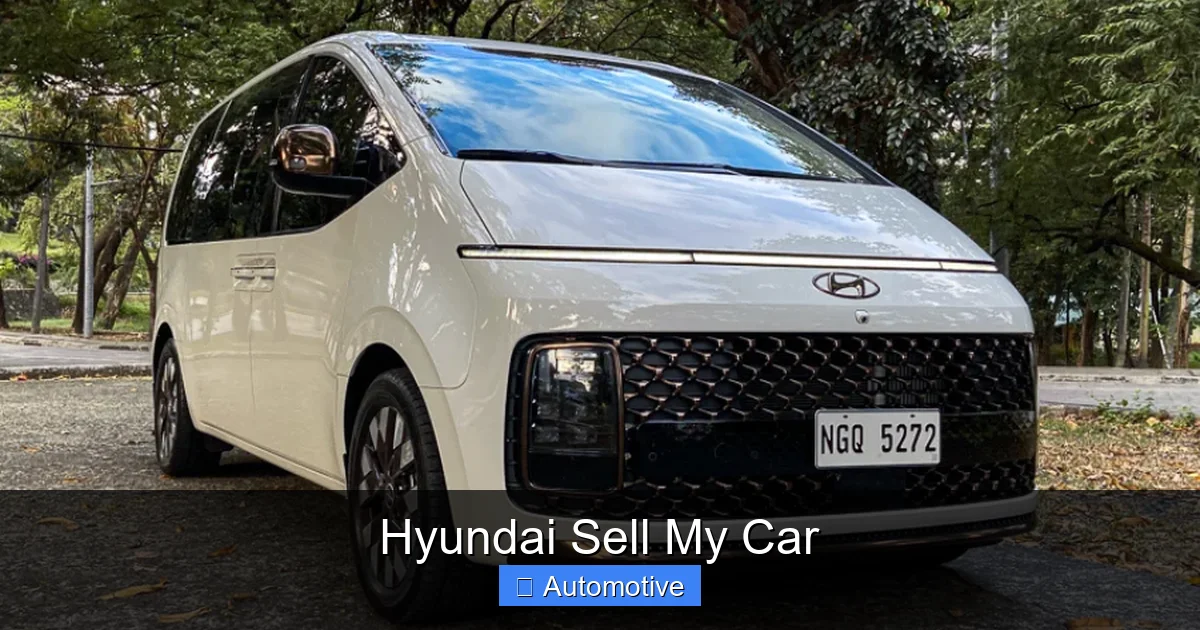
Visual guide about Hyundai Sell My Car
Image source: img.philkotse.com
The Hyundai Sell My Car process is straightforward, whether you’re trading in or selling outright. It begins with an initial valuation, which you can do online or in person. Hyundai’s digital appraisal tool asks for basic details about your vehicle: year, model, trim, mileage, condition, and any optional features. Within minutes, you’ll receive an estimated value range based on current market data and Hyundai’s proprietary pricing models.
Once you have that estimate, you can schedule an appointment at a participating Hyundai dealership. During your visit, a certified technician will conduct a thorough inspection of your vehicle. This isn’t just a quick look under the hood—they’ll check the engine, transmission, brakes, tires, interior condition, electronics, and even scan for any diagnostic trouble codes. The goal is to verify the condition you reported and ensure the final offer reflects the true value of your car.
After the inspection, the dealer will present you with a firm offer. This offer is typically valid for a set period—often 7 to 14 days—giving you time to decide without pressure. If you accept, the sale is finalized on the spot. Hyundai handles the title transfer, lien release (if applicable), and any necessary paperwork. You’ll receive payment via check or direct deposit, depending on the dealer’s process.
If you’re trading in for a new Hyundai, the process is even smoother. The trade-in value is applied directly to the purchase price of your new vehicle, reducing your down payment or monthly payments. Many dealers also offer special incentives for trading in a Hyundai, such as bonus cash, reduced APR financing, or complimentary maintenance packages.
Step-by-Step: What to Expect When Selling Your Hyundai
Let’s walk through a real-world example. Say you own a 2019 Hyundai Tucson with 45,000 miles, in good condition with no major accidents. You’ve been thinking about upgrading to the latest Tucson Hybrid. Here’s how the process might unfold:
1. **Online Appraisal:** You visit Hyundai’s official website and use the “Sell My Car” tool. You enter your VIN or manually input your vehicle details. The system generates an estimated value of $18,500–$19,200 based on similar listings in your area.
2. **Schedule an Appointment:** You find a nearby Hyundai dealer with high customer ratings and book a time slot. You’re told to bring your title, registration, keys, and any service records.
3. **In-Person Inspection:** At the dealership, a technician spends about 20 minutes inspecting your Tucson. They note minor wear on the driver’s seat and a small scratch on the rear bumper but confirm the engine and transmission are in excellent condition.
4. **Offer Presentation:** The dealer presents a final offer of $18,800—right in the middle of your initial estimate. They explain that the offer is valid for 10 days and can be applied to any new Hyundai purchase.
5. **Decision Time:** You decide to move forward and trade in your Tucson for a new Tucson Hybrid. The $18,800 is applied to the $32,000 purchase price, reducing your out-of-pocket cost to $13,200. You choose a financing plan with 0.9% APR for 36 months and drive off in your new car the same day.
This entire process—from appraisal to driving away—takes less than two hours. Compare that to listing your car online, meeting strangers for test drives, and waiting weeks for a buyer, and it’s easy to see why so many Hyundai owners prefer the official route.
Hyundai Trade-In vs. Selling Outright: Which Is Right for You?
One of the first decisions you’ll make is whether to trade in your Hyundai or sell it outright. Both options have pros and cons, and the best choice depends on your goals.
Trading in your car is ideal if you’re planning to buy a new Hyundai. The process is seamless, and the trade-in value reduces your purchase price immediately. You also avoid the hassle of finding a buyer, negotiating, and handling the sale yourself. Plus, many Hyundai dealers offer trade-in bonuses—extra cash or incentives when you trade in a Hyundai for a new one. For example, during promotional periods, you might receive an additional $1,000 toward your new vehicle just for trading in your old Hyundai.
On the other hand, selling your car outright—either to a dealer or through Hyundai’s Certified Pre-Owned program—might yield a higher payout. Dealers often pay more for vehicles they can resell as CPO units, especially if your Hyundai is low-mileage, well-maintained, and still under factory warranty. Hyundai’s CPO program includes a 10-year/100,000-mile powertrain warranty, 150-point inspection, and roadside assistance, making these vehicles highly desirable on the resale market.
However, selling outright means you won’t get the immediate benefit of applying the value to a new purchase. You’ll need to handle the transaction separately, and if you’re buying a new car, you’ll still need to arrange financing. That said, if you’re not in the market for a new Hyundai, selling outright is often the smarter financial move.
When to Trade In
– You’re buying a new Hyundai and want to simplify the process.
– You value convenience over maximizing profit.
– You’re eligible for trade-in incentives or special financing offers.
– Your car has high mileage or wear, making it harder to sell privately.
When to Sell Outright
– You’re not planning to buy a new car right away.
– Your Hyundai is in excellent condition and could fetch a premium price.
– You want to maximize your return and are willing to handle the sale process.
– You’re considering selling to a third-party buyer but want the security of a Hyundai-certified inspection.
Maximizing Your Hyundai’s Value Before You Sell
No matter which route you choose, getting the most value for your Hyundai starts with preparation. A little effort before you sell can make a big difference in the final offer. Think of it like staging a house before putting it on the market—small improvements can significantly boost perceived value.
Start with a thorough cleaning. Wash the exterior, wax it if possible, and vacuum the interior. Remove personal items, trash, and clutter. Consider using an odor eliminator if there are lingering smells from pets, smoking, or food. A clean car not only looks better but also signals to the dealer that you’ve taken good care of it.
Next, address minor cosmetic issues. Fix small dents, scratches, or chips in the paint. Replace burnt-out light bulbs, worn wiper blades, and cracked mirrors. These are inexpensive fixes that can prevent deductions from your offer. If your tires are worn, consider replacing them—especially if they’re below the legal tread depth. Dealers often subtract hundreds of dollars for tire replacement, so investing in a new set can pay off.
Don’t forget the maintenance records. Bring all service receipts, oil change logs, and repair invoices. A well-documented history proves your Hyundai has been properly maintained, which increases its value. If you’ve had major work done—like a transmission rebuild or new brakes—make sure it’s noted and supported by receipts.
Finally, consider getting a pre-sale inspection from an independent mechanic. This isn’t required, but it can give you peace of mind and help you identify any hidden issues before the dealer does. If problems are found, you can fix them proactively rather than having them used to lower your offer.
Pro Tip: Timing Matters
The time of year can also affect your Hyundai’s value. Convertibles and SUVs tend to sell for more in spring and summer, while sedans and hybrids may hold their value better in fall and winter. Additionally, new model releases can impact demand for older versions. If a new Tucson is launching soon, dealers may be less eager to take on older models. Plan your sale accordingly to catch the peak demand window.
Hyundai Certified Pre-Owned (CPO) Program: A Smart Resale Option
If your Hyundai is less than 6 years old and has under 80,000 miles, it may qualify for Hyundai’s Certified Pre-Owned (CPO) program. This is a premium resale channel that can significantly increase your car’s value. CPO vehicles undergo a rigorous 150-point inspection, including engine, transmission, brakes, suspension, electronics, and interior systems. Any issues are repaired to factory standards before the car is certified.
Once certified, your Hyundai comes with a 10-year/100,000-mile powertrain warranty (from the original in-service date), a 12-month/12,000-mile comprehensive warranty, and 24/7 roadside assistance. These benefits make CPO vehicles highly attractive to buyers, allowing dealers to command higher prices.
Selling your Hyundai through the CPO program means you’ll likely receive a better offer than a standard trade-in. Dealers know they can resell CPO units at a premium, so they’re willing to pay more upfront. Plus, the certification process adds credibility—buyers trust Hyundai’s stamp of approval, which reduces negotiation and speeds up the sale.
To qualify, your vehicle must pass the inspection, have a clean title (no salvage or flood damage), and meet mileage and age requirements. If your Hyundai doesn’t qualify, don’t worry—you can still sell it through the standard trade-in or outright sale process.
Common Mistakes to Avoid When Selling Your Hyundai
Even with Hyundai’s streamlined process, it’s easy to make mistakes that cost you money or time. Avoid these common pitfalls to ensure a smooth and profitable sale.
First, don’t skip the preparation. Showing up with a dirty, cluttered car sends the message that you haven’t cared for it. Dealers may assume there are hidden issues and lower their offer accordingly. Take the time to clean and inspect your vehicle before your appointment.
Second, don’t accept the first offer without comparing. While Hyundai’s valuations are generally fair, it’s smart to get quotes from multiple dealers. Use the online tool to get a baseline, then visit two or three dealerships to compare offers. You might find one dealer willing to pay more, especially if they’re running a promotion.
Third, don’t forget to remove personal items. It’s easy to overlook things like garage door openers, sunglasses, or documents in the glove box. Not only is this a security risk, but it can also delay the sale if the dealer has to spend time clearing out your belongings.
Finally, don’t rush the paperwork. Make sure all documents are signed correctly, the title is transferred properly, and any liens are released. If you’re trading in, confirm that the trade-in value is correctly applied to your new purchase. Mistakes here can lead to delays or financial issues down the line.
Conclusion: Sell Your Hyundai with Confidence
Selling your Hyundai doesn’t have to be stressful or complicated. With Hyundai’s official “Sell My Car” programs, you get a transparent, efficient, and trustworthy way to turn your vehicle into cash or credit. Whether you’re trading in for a new model or selling outright, Hyundai offers tools, support, and incentives designed to maximize your value and simplify the process.
From online appraisals to certified inspections, every step is built around your convenience and satisfaction. And with options like the Certified Pre-Owned program, you can even boost your car’s value through professional certification. So if you’re ready to move on from your current Hyundai, don’t settle for uncertainty or lowball offers. Use Hyundai’s trusted network to sell your car quickly, fairly, and with peace of mind.
Your Hyundai has served you well—now let Hyundai help you get the most out of it.
Frequently Asked Questions
How much can I expect to get for my Hyundai?
The value of your Hyundai depends on its year, model, mileage, condition, and market demand. Use Hyundai’s online appraisal tool for an instant estimate, or visit a dealer for a detailed inspection and firm offer.
Can I sell my Hyundai if it has a loan or lease?
Yes. If you have an outstanding loan, the trade-in value will first pay off the remaining balance. If the value exceeds the loan, you’ll receive the difference. For leased vehicles, contact your leasing company and Hyundai dealer to coordinate the transfer.
Is the online appraisal accurate?
The online tool provides a reliable estimate based on market data, but the final offer may vary after an in-person inspection. It’s a great starting point, but always confirm with a dealer visit.
Do I need to fix my car before selling it to Hyundai?
Minor cosmetic issues may reduce your offer, but major repairs aren’t required. Focus on cleaning, basic maintenance, and addressing obvious wear to maximize value.
Can I sell my Hyundai to any dealer, or only Hyundai dealerships?
You can sell to any licensed dealer, but Hyundai dealerships offer the most tailored experience, including CPO certification, trade-in incentives, and expert knowledge of Hyundai vehicles.
What documents do I need to sell my Hyundai?
Bring your vehicle title, registration, valid ID, keys, and any service records. If there’s a lien, you’ll also need a lien release from your lender.