How to Wire a Second Battery for Car Audio
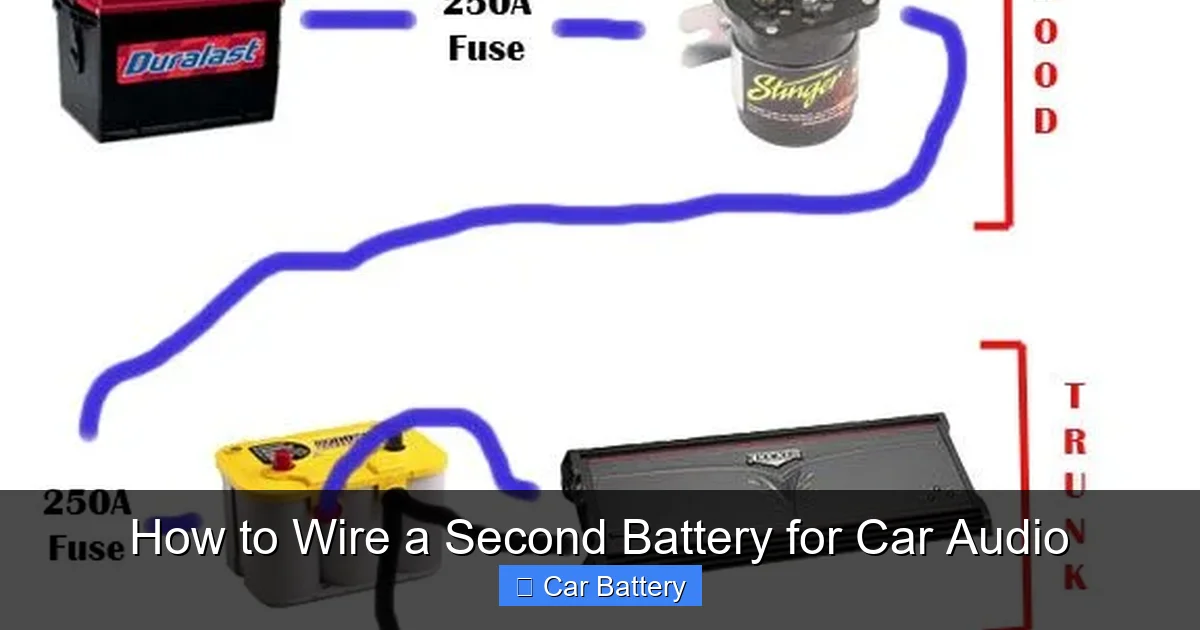
Adding a second battery to your car audio system can dramatically improve performance by stabilizing voltage and preventing dimming lights or blown fuses. This guide walks you through every step—from choosing the right battery to safe wiring techniques—so you can power your subs and amps with confidence.
So, you’ve dropped some serious cash on a killer car audio setup—maybe a pair of 12-inch subs, a 1000-watt amp, and a head unit that makes your neighbors peek through their blinds. But every time you hit the bass drop, your headlights dim like they’re scared of the beat. Or worse—your car won’t start after a long session at the parking lot concert. Sound familiar?
You’re not alone. Most factory electrical systems aren’t built to handle the massive power demands of high-end car audio. Your alternator struggles, your main battery drains fast, and your system’s performance suffers. The solution? A second battery. But it’s not as simple as slapping another battery under the hood and calling it a day. Done wrong, you could fry your electronics, start a fire, or leave yourself stranded. Done right, though, a second battery can transform your ride into a rolling concert hall with clean, consistent power and zero voltage sag.
In this guide, we’ll walk you through everything you need to know about how to wire a second battery for car audio—safely, efficiently, and without blowing a fuse (literally). Whether you’re a weekend warrior or a full-on audio enthusiast, this step-by-step breakdown will help you boost your system’s performance while protecting your vehicle’s electrical system.
In This Article
- 1 Key Takeaways
- 2 📑 Table of Contents
- 3 Why Add a Second Battery to Your Car Audio System?
- 4 Choosing the Right Second Battery
- 5 Essential Components for Safe Wiring
- 6 Step-by-Step Wiring Guide
- 7 Common Mistakes to Avoid
- 8 Maintenance and Monitoring
- 9 Conclusion
- 10 Frequently Asked Questions
- 10.1 Can I use a regular car battery as a second battery for audio?
- 10.2 Do I need a second battery if I have a high-output alternator?
- 10.3 Where should I mount the second battery?
- 10.4 How do I know what wire gauge to use?
- 10.5 Will a second battery improve sound quality?
- 10.6 Can I charge the second battery while driving?
Key Takeaways
- Choose the right battery type: Opt for a deep-cycle AGM or lithium battery designed for repeated discharge and recharge, not a standard starter battery.
- Use proper gauge wiring: Undersized cables cause voltage loss and overheating—match wire size to your amplifier’s current draw (e.g., 4 AWG for 500W, 1/0 AWG for 1000W+).
- Install a battery isolator or relay: This prevents your second battery from draining your main starting battery when the engine is off.
- Mount batteries securely: Use a certified battery box or tray with hold-downs to prevent movement during driving.
- Fuse both positive leads: Install an inline fuse within 18 inches of each battery’s positive terminal to protect against short circuits.
- Ground correctly: Connect the second battery’s negative terminal directly to the chassis or engine block using a heavy-gauge cable.
- Test before cranking the volume: Check voltage, connections, and isolator function before turning on your system.
📑 Table of Contents
Why Add a Second Battery to Your Car Audio System?
Let’s start with the “why.” Why go through the hassle of installing a second battery? After all, your car already has one, right?
The truth is, your factory battery is designed for one primary job: starting your engine. It’s built to deliver a quick burst of high current to crank the motor, then recharge quickly via the alternator. But car audio—especially high-powered systems with subwoofers and amplifiers—demands sustained, high-current power over long periods. This is where your stock battery falls short.
When you play music at high volumes, your amplifier pulls more current than your alternator can supply. The extra power has to come from somewhere—and that’s usually your main battery. As it drains, voltage drops. That’s why your lights dim, your stereo cuts out, or your car struggles to start after a long session. Over time, this constant deep discharging can shorten your battery’s lifespan or even damage it.
A second battery—specifically a deep-cycle battery—acts as a dedicated power reservoir for your audio system. It’s designed to be discharged and recharged repeatedly without losing capacity. By offloading the power demand from your main battery, you protect your vehicle’s starting system and ensure your music stays loud and clear.
Benefits of a Second Battery
- Stable Voltage: Prevents voltage drops that cause dimming lights and audio distortion.
- Extended Battery Life: Reduces strain on your main battery, helping it last longer.
- More Power for Amps: Delivers the current your amplifiers need for peak performance.
- Safer System Operation: Lowers the risk of overloading your alternator or blowing fuses.
- Flexibility for Upgrades: Gives you headroom to add more subs or amps later.
Think of it like upgrading from a garden hose to a fire hose. Your stock system is fine for a light sprinkle, but when you need a powerful, steady stream of power, you need a bigger tank.
Choosing the Right Second Battery
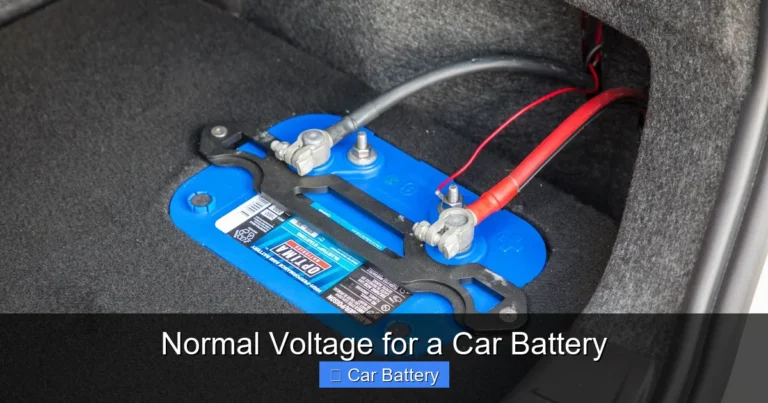
Visual guide about How to Wire a Second Battery for Car Audio
Image source: caraudiohunt.com
Not all batteries are created equal—especially when it comes to car audio. Picking the wrong one can lead to poor performance, short lifespan, or even safety hazards. So, what should you look for?
Battery Type: Deep-Cycle vs. Starter
The first decision is battery type. You’ll want a deep-cycle battery, not a standard starter battery. Here’s why:
Starter batteries (like your factory one) are built for short, high-current bursts. They have thin plates optimized for quick energy release—perfect for cranking an engine, but terrible for sustained power draw. If you use a starter battery for your audio system, it’ll degrade quickly and may fail within months.
Deep-cycle batteries, on the other hand, are designed to be discharged deeply (up to 80% of capacity) and recharged repeatedly. They have thicker plates and denser materials that handle long-term power delivery. This makes them ideal for car audio, where your amp might be pulling 50–100 amps for hours.
AGM vs. Flooded vs. Lithium
Within the deep-cycle category, you’ve got three main options:
- Flooded Lead-Acid (FLA): The most affordable option. These are traditional wet-cell batteries that require regular maintenance (checking water levels, venting gases). They’re reliable but heavy and can spill acid if tipped.
- Absorbent Glass Mat (AGM): A sealed, maintenance-free upgrade. AGM batteries use fiberglass mats to hold electrolyte, making them spill-proof, vibration-resistant, and safer for under-hood installation. They also charge faster and deliver more consistent power—ideal for car audio.
- Lithium (LiFePO4): The premium choice. Lithium iron phosphate batteries are lightweight, have a longer lifespan (2,000+ cycles), and can discharge deeper without damage. They’re also more efficient and charge faster. However, they’re significantly more expensive and require a compatible charger and battery management system (BMS).
For most car audio setups, an AGM deep-cycle battery offers the best balance of performance, safety, and cost. If you’re running a massive system (2000W+) or want maximum efficiency, lithium is worth the investment—but only if you’re ready for the added complexity.
Capacity and Size
Battery capacity is measured in amp-hours (Ah). A higher Ah rating means more stored energy. For car audio, aim for at least 70–100Ah. A 100Ah AGM battery can power a 500W amp for about 1–2 hours at moderate volume before needing a recharge.
Also consider physical size. Measure your available space—under the hood, in the trunk, or under a seat. Make sure the battery fits securely and doesn’t interfere with other components. Many enthusiasts mount the second battery in the trunk using a custom tray or enclosure.
Essential Components for Safe Wiring
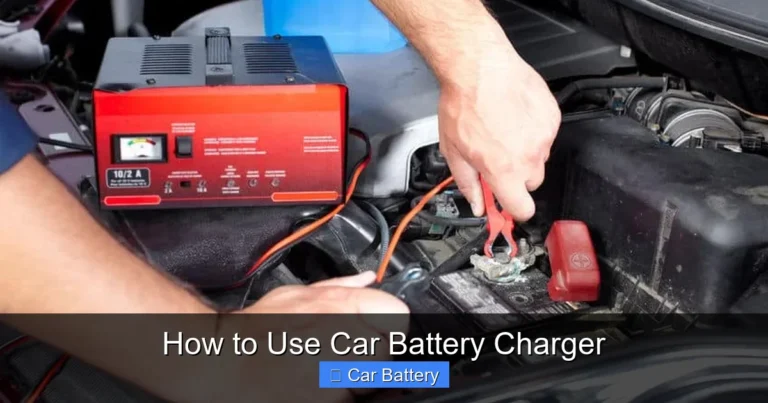
Visual guide about How to Wire a Second Battery for Car Audio
Image source: caraudiohunt.com
Wiring a second battery isn’t just about connecting cables. You need the right components to ensure safety, efficiency, and reliability. Skipping these can lead to overheating, fire, or electrical damage.
Battery Isolator or Relay
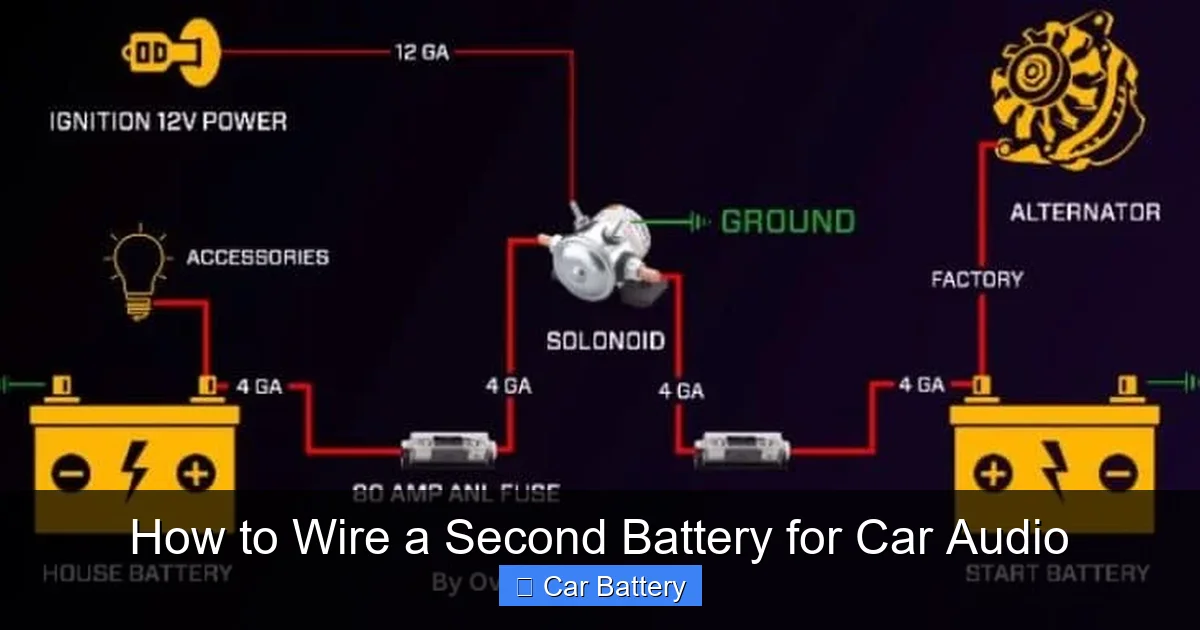
This is arguably the most important component. A battery isolator (or dual-battery relay) prevents your second battery from draining your main battery when the engine is off.
Here’s how it works: When the engine is running, the isolator connects both batteries, allowing the alternator to charge them simultaneously. When you turn off the engine, it automatically disconnects the second battery, so your audio system can’t drain the main battery and leave you stranded.
There are two main types:
- Diode Isolator: Uses diodes to allow current flow in one direction. Simple and reliable, but causes a small voltage drop (about 0.7V), which can reduce charging efficiency.
- Solenoid (Relay) Isolator: Uses an electromagnetic switch to connect/disconnect batteries. More efficient (no voltage drop) and better for high-current systems. Recommended for most car audio setups.
Install the isolator between the positive terminals of the two batteries. Most come with wiring diagrams—follow them carefully.
Fuses and Circuit Protection
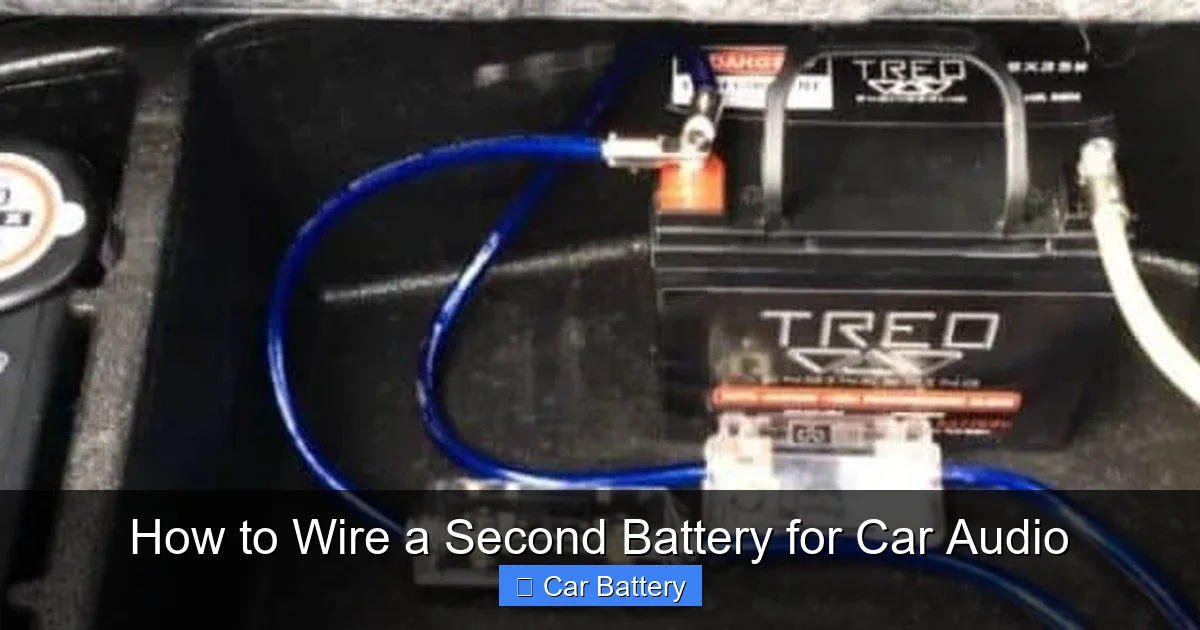
Fuses are your first line of defense against short circuits and fires. You must install an inline fuse on the positive cable of each battery, within 18 inches of the terminal.
Use the correct fuse rating based on your wire gauge and system current. For example:
- 4 AWG wire → 150A fuse
- 1/0 AWG wire → 250A fuse
Choose high-quality ANL or Maxi fuses in a fuse holder designed for automotive use. Never skip this step—it’s not optional.
Wiring and Connectors
Use high-quality, oxygen-free copper wire with thick insulation. The gauge (thickness) depends on your amplifier’s power draw:
- Up to 500W RMS → 4 AWG
- 500W–1000W → 2 AWG
- 1000W–1500W → 1/0 AWG
- 1500W+ → 2/0 AWG or larger
Undersized wire causes voltage loss, overheating, and reduced performance. Use a wire gauge calculator if you’re unsure.
For connectors, use ring terminals with heat-shrink insulation. Crimp them properly—don’t just twist and tape. Loose connections create resistance, heat, and potential fire hazards.
Grounding
Proper grounding is critical. Connect the negative terminal of your second battery directly to the vehicle’s chassis or engine block using a heavy-gauge cable (same size as your positive wire). Clean the grounding point with sandpaper to remove paint and rust for a solid connection.
Never ground to a plastic panel or painted surface. A poor ground can cause noise, voltage issues, and system failure.
Step-by-Step Wiring Guide
Visual guide about How to Wire a Second Battery for Car Audio
Image source: lifewire.com
Now that you’ve got your components, let’s wire it up. Follow these steps carefully. If you’re not confident with electrical work, consult a professional.
Step 1: Disconnect the Main Battery
Safety first! Disconnect the negative terminal of your main battery to prevent accidental shorts while working.
Step 2: Mount the Second Battery
Secure the second battery in a stable, ventilated location. Use a certified battery box or tray with hold-downs. If mounting in the trunk, ensure it’s protected from moisture and vibration.
Step 3: Run the Positive Cable
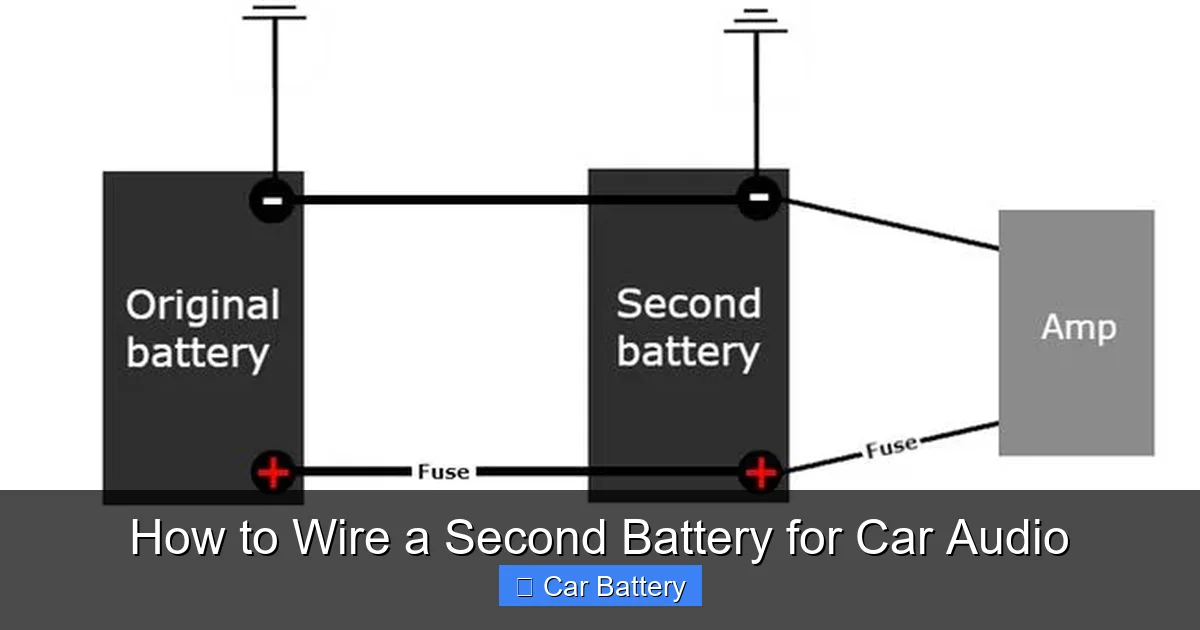
Run a heavy-gauge positive cable from the second battery’s positive terminal to the isolator. Then, run another cable from the isolator to the main battery’s positive terminal. Install an inline fuse on each cable near the battery terminals.
Step 4: Connect the Isolator
Follow the isolator’s wiring diagram. Typically, you’ll connect:
- One input to the main battery
- One output to the second battery
- A control wire to a 12V ignition source (so it only engages when the engine is running)
This ensures the isolator only connects the batteries when charging is possible.
Step 5: Ground the Second Battery
Run a heavy-gauge cable from the second battery’s negative terminal to a clean, unpainted metal point on the chassis or engine block. Use a ring terminal and tighten securely.
Step 6: Connect to Your Audio System
Run a separate power cable from the second battery’s positive terminal to your amplifier’s power input. Install an inline fuse near the battery. Connect the amplifier’s ground to the same chassis ground point.
Step 7: Reconnect and Test
Reconnect the main battery’s negative terminal. Start the engine and check:
- Voltage at both batteries (should be ~13.8–14.4V when running)
- Isolator engagement (second battery should charge when engine is on)
- No loose connections or overheating
Play music at moderate volume and monitor for dimming lights or voltage drops. If everything looks good, you’re ready to crank it up!
Common Mistakes to Avoid
Even experienced DIYers make errors. Here are the most common pitfalls:
Using the Wrong Battery
Don’t use a starter battery for your audio system. It’ll fail quickly and could leak acid. Stick with deep-cycle AGM or lithium.
Skipping the Isolator
Without an isolator, your second battery will drain your main battery when the engine is off. You’ll end up with two dead batteries.
Undersized Wiring
Thin wires can’t handle the current. They’ll heat up, cause voltage drops, and pose a fire risk. Always use the correct gauge.
Poor Grounding
A bad ground creates noise, reduces performance, and can damage electronics. Always ground to bare metal.
No Fuses
This is a fire hazard. Always fuse both positive cables near the batteries.
Overloading the Alternator
Adding a second battery doesn’t eliminate the need for a high-output alternator. If your system draws more than your alternator can supply, you’ll still have voltage issues. Consider upgrading your alternator if running 1000W+.
Maintenance and Monitoring
Once installed, your second battery needs regular care:
- Check connections monthly for tightness and corrosion.
- Inspect cables for wear or damage.
- Monitor battery voltage with a voltmeter or dash gauge.
- Recharge the second battery if it drops below 12.4V.
- For flooded batteries, check water levels every 3–6 months.
Consider installing a battery monitor to track voltage, current, and state of charge in real time.
Conclusion
Wiring a second battery for car audio is one of the smartest upgrades you can make. It delivers cleaner power, protects your main battery, and lets your system perform at its best. With the right components, proper wiring, and attention to safety, you’ll enjoy deep, distortion-free bass without worrying about dimming lights or a dead car.
Remember: choose a deep-cycle AGM or lithium battery, use heavy-gauge wiring, install a battery isolator, and always fuse your connections. Take your time, double-check your work, and don’t hesitate to ask for help if needed.
Your ears—and your car—will thank you.
Frequently Asked Questions
Can I use a regular car battery as a second battery for audio?
No, regular starter batteries aren’t designed for deep discharging. They’ll degrade quickly and may fail within months. Always use a deep-cycle battery (AGM or lithium) for car audio.
Do I need a second battery if I have a high-output alternator?
A high-output alternator helps, but it may not fully prevent voltage drops during heavy bass. A second battery acts as a buffer, providing instant power and reducing strain on your electrical system.
Where should I mount the second battery?
Common locations include the trunk, under the seat, or in the engine bay (if space allows). Use a secure battery box or tray and ensure proper ventilation, especially for flooded batteries.
How do I know what wire gauge to use?
Match the wire size to your amplifier’s power draw. Use 4 AWG for up to 500W, 2 AWG for 500–1000W, and 1/0 AWG for 1000W+. Always err on the side of thicker wire for safety and performance.
Will a second battery improve sound quality?
Yes—by stabilizing voltage, it reduces distortion, prevents clipping, and ensures your amp gets consistent power. This results in cleaner, louder, and more dynamic sound.
Can I charge the second battery while driving?
Yes, with a battery isolator. It connects both batteries when the engine runs, allowing the alternator to charge the second battery. When the engine is off, it disconnects to prevent drain.