How to Turn on a Tankless Water Heater
Turning on a tankless water heater is simple once you know the steps. This guide walks you through safety checks, power and gas connections, and startup procedures for reliable performance.
In This Article
- 1 Key Takeaways
- 2 📑 Table of Contents
- 3 How to Turn On a Tankless Water Heater
- 4 Understanding Your Tankless Water Heater
- 5 Safety First: Pre-Startup Checklist
- 6 Step-by-Step: Turning On a Gas Tankless Water Heater
- 7 Step-by-Step: Turning On an Electric Tankless Water Heater
- 8 Troubleshooting Common Startup Issues
- 9 Maintenance Tips for Long-Term Performance
- 10 Final Thoughts
- 11 Frequently Asked Questions
- 11.1 Can I turn on a tankless water heater without water running?
- 11.2 How long does it take for a tankless water heater to heat water?
- 11.3 Why won’t my tankless water heater ignite?
- 11.4 Do I need a professional to turn on my tankless water heater?
- 11.5 What temperature should I set my tankless water heater?
- 11.6 Can I turn off my tankless water heater when not in use?
Key Takeaways
- Turn off power and water supply first: Always shut off electricity and water before starting to prevent accidents or damage.
- Check gas and venting systems: Ensure proper gas line pressure and clear exhaust vents for safe operation.
- Prime the unit with water: Open hot water taps to allow air to escape and water to flow through the heater.
- Power on the unit correctly: Follow manufacturer instructions to activate the control panel and ignition system.
- Set your desired temperature: Use the digital display to adjust water temperature safely—usually between 105°F and 120°F.
- Test and monitor performance: Run hot water at multiple fixtures to confirm consistent heating and proper function.
- Schedule regular maintenance: Annual servicing prevents mineral buildup and extends the life of your tankless water heater.
📑 Table of Contents
- How to Turn On a Tankless Water Heater
- Understanding Your Tankless Water Heater
- Safety First: Pre-Startup Checklist
- Step-by-Step: Turning On a Gas Tankless Water Heater
- Step-by-Step: Turning On an Electric Tankless Water Heater
- Troubleshooting Common Startup Issues
- Maintenance Tips for Long-Term Performance
- Final Thoughts
How to Turn On a Tankless Water Heater
So, you’ve just installed a brand-new tankless water heater—or maybe you’re firing up an existing one after a long winter shutdown. Either way, you’re probably wondering: “How do I actually turn this thing on?” Don’t worry. It’s not as complicated as it looks. Unlike traditional tank-style heaters that store hot water, tankless units heat water on demand using either gas or electricity. That means they need a slightly different startup process to get going safely and efficiently.
In this guide, we’ll walk you through every step—from safety precautions to final testing—so you can enjoy endless hot showers without the guesswork. Whether you’re a DIY enthusiast or just trying to avoid another cold shower, this article has your back. We’ll cover everything you need to know about how to turn on a tankless water heater, including common mistakes to avoid and tips for long-term performance.
Understanding Your Tankless Water Heater
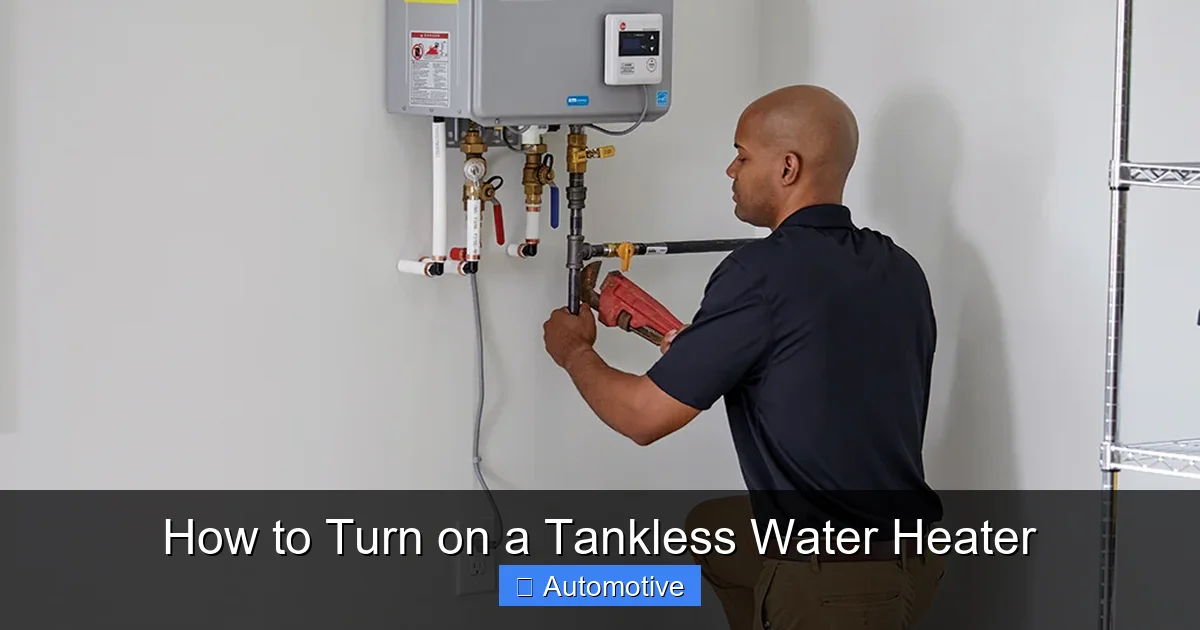
Visual guide about How to Turn on a Tankless Water Heater
Image source: contentgrid.homedepot-static.com
Before flipping any switches or turning any knobs, it’s important to understand what kind of tankless water heater you have. These units come in two main types: gas-powered and electric. Gas models use natural gas or propane to heat water via a burner, while electric models rely on heating elements inside the unit. Both types are compact, wall-mounted, and designed to provide hot water only when you need it—no standby heat loss, no waiting for a tank to refill.
Gas tankless water heaters are more common in homes with existing gas lines because they can deliver higher flow rates, making them ideal for larger households. Electric models are often used in smaller spaces or areas without gas access, but they require significant electrical capacity—sometimes needing a dedicated 240-volt circuit. Knowing your unit type is crucial because the startup process differs slightly between gas and electric systems.
Another key feature of tankless heaters is their digital control panel. Most modern units come with an LCD or LED display that lets you set your preferred water temperature, monitor performance, and even troubleshoot error codes. Some high-end models even connect to Wi-Fi for remote control via smartphone apps. But no matter how fancy the interface, the core principle remains the same: water flows through the unit, gets heated instantly, and comes out hot at your tap.
Common Features and Components
Let’s break down the main parts you’ll interact with when turning on your tankless water heater:
– Inlet and outlet water connections: Cold water enters through the inlet, gets heated, and exits through the outlet to your plumbing system.
– Gas valve (for gas units): Controls the flow of natural gas or propane to the burner.
– Ignition system: Sparks the burner when hot water is needed (electronic ignition is standard in newer models).
– Heat exchanger: The core component where water absorbs heat—usually made of copper or stainless steel.
– Venting system (gas units only): Removes combustion gases safely outdoors.
– Control panel: Allows you to adjust temperature, view status, and reset the unit if needed.
Understanding these components helps you troubleshoot issues later and ensures you follow the correct startup sequence. For example, if your unit won’t ignite, it could be due to a blocked vent, low gas pressure, or a faulty ignition system—all things you can check once you know what to look for.
Safety First: Pre-Startup Checklist
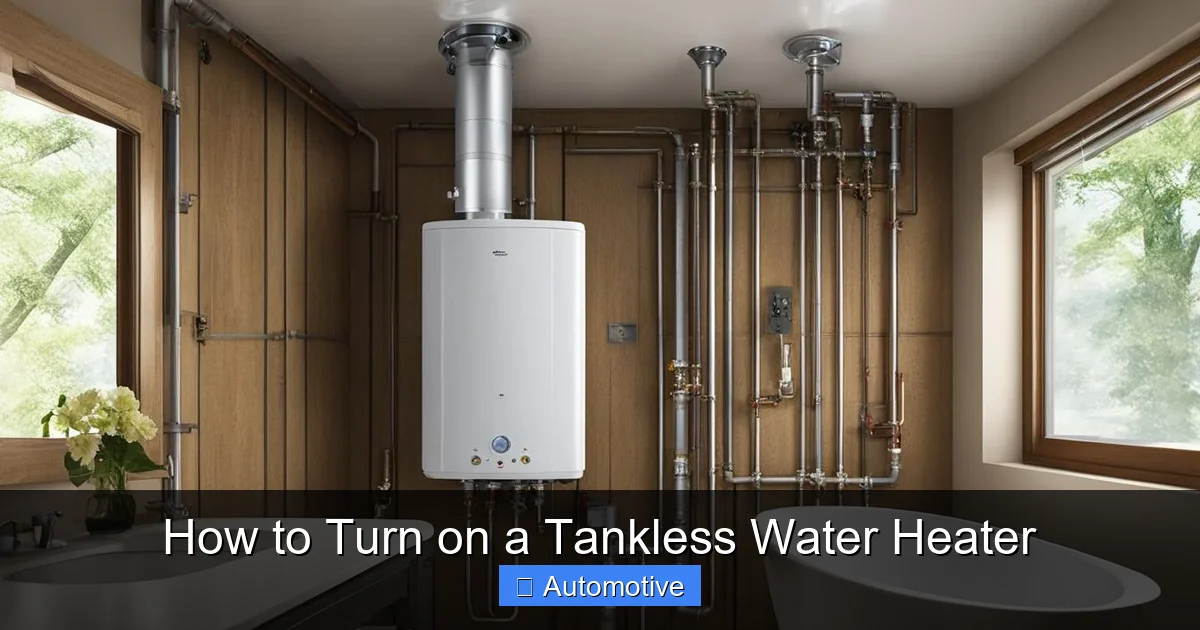
Visual guide about How to Turn on a Tankless Water Heater
Image source: cdn.prod.website-files.com
Never skip the safety steps. Tankless water heaters involve electricity, gas, and high-pressure water—any of which can pose risks if mishandled. Before you even think about turning the unit on, go through this pre-startup checklist:
1. Turn Off Power and Water Supply
Start by shutting off the main power supply to the unit. For electric models, this means flipping the dedicated circuit breaker in your electrical panel. For gas units, turn off the gas valve located near the heater. Next, close the cold water inlet valve to prevent water from entering the unit during setup. This step is critical—it protects internal components from damage and prevents leaks.
2. Inspect for Leaks or Damage
Visually inspect all water connections, gas lines, and venting components. Look for cracks, loose fittings, or signs of corrosion. If you notice any damage, don’t proceed—contact a licensed plumber or HVAC technician. Even small leaks can worsen over time and cause costly water damage.
3. Verify Venting Is Clear
Gas tankless water heaters require proper venting to expel combustion byproducts. Make sure the exhaust vent is unobstructed and properly installed according to local codes. Blocked vents can lead to carbon monoxide buildup—a serious safety hazard. If you’re unsure, consult your installation manual or a professional.
4. Check Gas Pressure (Gas Units Only)
Use a manometer to verify that gas pressure meets the manufacturer’s specifications (usually between 4–10.5 inches of water column for natural gas). Low pressure can prevent ignition; high pressure can damage the unit. If you don’t have a manometer, many utility companies offer free pressure checks.
5. Ensure Adequate Water Flow
Tankless heaters need a minimum flow rate (typically 0.5–1 gallon per minute) to activate. If your plumbing has low pressure or clogged aerators, the unit may not turn on. Clean faucet aerators and showerheads before startup.
Taking these precautions might seem like overkill, but they save you from headaches—and potential hazards—down the line. Remember: safety isn’t optional when dealing with gas and electricity.
Step-by-Step: Turning On a Gas Tankless Water Heater
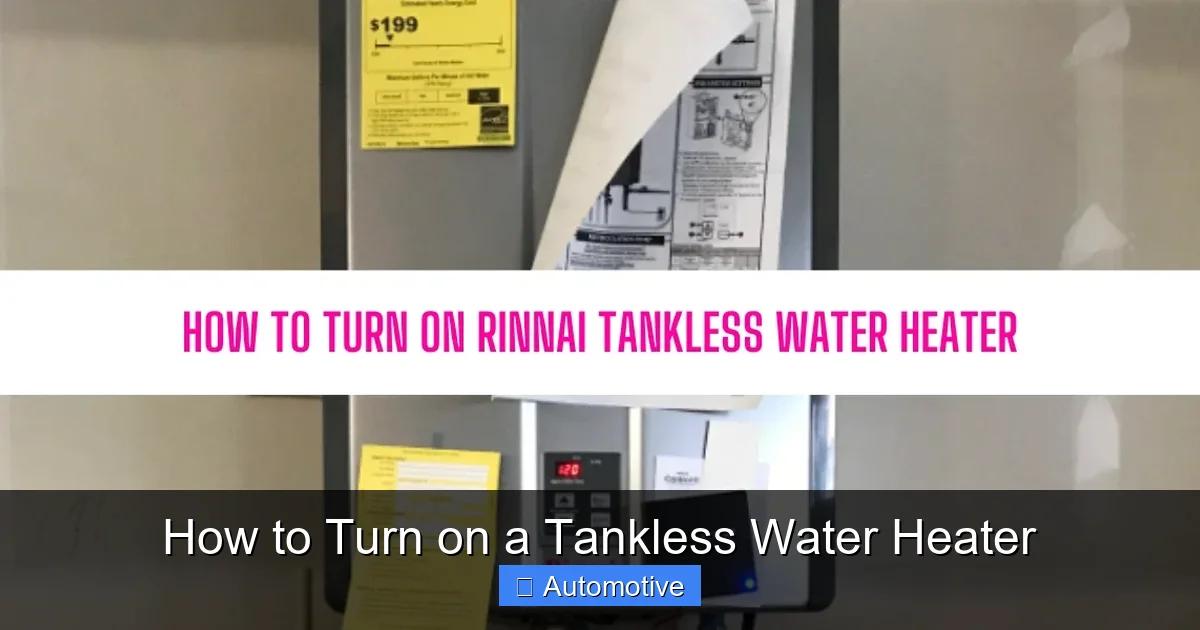
Visual guide about How to Turn on a Tankless Water Heater
Image source: lildutchuncle.com
Now that you’ve completed the safety checklist, it’s time to fire up your gas-powered tankless water heater. Follow these steps carefully:
Step 1: Open the Gas Valve
Locate the gas shutoff valve near your unit (usually a red or yellow lever). Turn it to the “on” position so gas can flow to the heater. You should hear a faint hiss—that’s normal. If you smell gas, stop immediately, leave the area, and call your gas company.
Step 2: Restore Water Supply
Slowly open the cold water inlet valve. This allows water to enter the unit. Don’t rush—sudden pressure changes can damage internal parts.
Step 3: Prime the System
Open a hot water tap in your home (like a bathroom sink). Let it run for 1–2 minutes until water flows steadily. This purges air from the lines and ensures the heat exchanger fills properly. Without this step, the unit might overheat or fail to ignite.
Step 4: Power On the Unit
Flip the circuit breaker to restore electricity. The control panel should light up. Some units have a physical power button—press it if applicable.
Step 5: Set the Temperature
Use the control panel to select your desired temperature. Most manufacturers recommend 120°F for general use—hot enough for comfort but cool enough to prevent scalding. Avoid setting it above 140°F unless necessary (e.g., for dishwashers without built-in heaters).
Step 6: Test Ignition
Turn on a hot water tap again. Within seconds, the burner should ignite (you’ll hear a soft whoosh or see a flame indicator on the display). Hot water should begin flowing. If it doesn’t, check for error codes on the panel and consult your manual.
Step 7: Monitor Performance
Run hot water at multiple fixtures (shower, kitchen sink, washing machine) to ensure consistent heating. If one tap works but another doesn’t, you may have a flow rate issue or undersized unit.
Pro tip: If your unit fails to ignite, wait 5–10 minutes before retrying. Many models have built-in safety delays to prevent gas buildup.
Step-by-Step: Turning On an Electric Tankless Water Heater
Electric tankless water heaters follow a similar process but without gas components. Here’s how to safely activate yours:
Step 1: Confirm Electrical Connections
Ensure the unit is wired to a dedicated 240-volt circuit with the correct amperage (check your manual—common sizes are 30A, 40A, or 60A). Never share the circuit with other appliances.
Step 2: Turn On the Breaker
Flip the dedicated breaker in your electrical panel. The control panel should illuminate. If it doesn’t, double-check wiring or consult an electrician.
Step 3: Restore Water Supply
Open the cold water inlet valve slowly. Again, avoid sudden pressure surges.
Step 4: Prime the System
Open a hot water tap and let it run until water flows steadily. This removes air pockets and primes the heating elements.
Step 5: Set the Temperature
Use the digital display to choose your preferred setting. Electric units often heat faster than gas models, so start low (110°F) and adjust as needed.
Step 6: Test Hot Water Output
Turn on a fixture and wait 10–15 seconds. Hot water should appear. If not, check for tripped breakers or error messages.
Note: Electric tankless heaters draw a lot of power. Running multiple high-demand appliances (like a dryer and heater simultaneously) may trip your main breaker. Plan usage accordingly.
Troubleshooting Common Startup Issues
Even with careful preparation, things can go wrong. Here are some common problems and quick fixes:
Unit Won’t Turn On
– Check power source: Is the breaker on? Is the outlet receiving voltage?
– Verify water flow: No water = no activation. Clean aerators and ensure valves are open.
– Look for error codes: Most units display codes like “E1” (no ignition) or “E5” (overheat). Refer to your manual.
Water Isn’t Hot Enough
– Increase temperature setting: Use the control panel to raise the temp.
– Check flow rate: High flow can reduce heating. Install low-flow fixtures or consider a larger unit.
– Descale the heat exchanger: Mineral buildup insulates the element. Use a descaling kit annually.
Strange Noises or Smells
– Popping or sizzling: Normal during initial heating as air escapes.
– Burning smell: Could indicate dust on heating elements—run hot water for 10 minutes to burn it off.
– Gas odor: Shut off gas immediately and call a professional.
Intermittent Heating
– Check for cross-flow: Ensure cold and hot lines aren’t connected incorrectly.
– Inspect thermistors: Faulty sensors can misread water temperature.
When in doubt, consult your owner’s manual or contact customer support. Never attempt to disassemble the unit yourself—warranties often void if tampered with.
Maintenance Tips for Long-Term Performance
Turning on your tankless water heater is just the beginning. To keep it running smoothly for 15–20 years, regular maintenance is essential.
Annual Descaling
Hard water leaves mineral deposits (mainly calcium and magnesium) inside the heat exchanger. Over time, this reduces efficiency and can cause overheating. Use a food-grade descaling solution (like vinegar or commercial kits) to flush the system once a year. Most manufacturers provide instructions—typically involving a pump, hoses, and a bucket.
Filter Cleaning
Many units have inlet water filters to catch sediment. Clean them every 6–12 months. Simply unscrew the filter housing, rinse the mesh, and reinstall.
Vent Inspection (Gas Units)
Check vents annually for blockages (bird nests, debris) and corrosion. Replace damaged sections promptly.
Professional Servicing
Schedule a technician visit every 2–3 years for deep cleaning, gas pressure checks, and component inspection. This is especially important in areas with hard water or high usage.
Monitor Error Codes
Modern units log errors. Keep a record and address recurring issues early—they often signal bigger problems.
With proper care, your tankless water heater will deliver reliable, energy-efficient hot water for decades.
Final Thoughts
Learning how to turn on a tankless water heater might seem daunting at first, but it’s really just a matter of following a few key steps: safety first, prime the system, power it up, and test thoroughly. Whether you have a gas or electric model, the principles are the same—respect the components, follow the manual, and don’t rush the process.
Once it’s running, you’ll enjoy endless hot water, lower energy bills, and a smaller carbon footprint compared to traditional tanks. And with regular maintenance, your unit will serve your household reliably for years to come.
So go ahead—turn that knob, flip that switch, and enjoy your first perfectly heated shower. You’ve earned it.
Frequently Asked Questions
Can I turn on a tankless water heater without water running?
No, never operate a tankless water heater without water flowing through it. Doing so can cause the heat exchanger to overheat and fail. Always open a hot water tap before powering on the unit.
How long does it take for a tankless water heater to heat water?
Most tankless units heat water within 10–30 seconds of turning on a tap. The exact time depends on flow rate, incoming water temperature, and unit size.
Why won’t my tankless water heater ignite?
Common causes include low gas pressure, blocked vents, no water flow, or a faulty ignition system. Check your error code and consult the manual for troubleshooting steps.
Do I need a professional to turn on my tankless water heater?
Not necessarily—many homeowners can safely start up their units using the manufacturer’s guide. However, if you’re unsure about gas or electrical connections, hire a licensed technician.
What temperature should I set my tankless water heater?
Set it between 105°F and 120°F for safety and efficiency. Higher temperatures increase scalding risk and energy use, while lower temps may not kill bacteria in dishwashers.
Can I turn off my tankless water heater when not in use?
Yes, but it’s not required. Most units enter standby mode when idle, using minimal power. Turning it off during long vacations can save a small amount of energy.