How to Turn a Car On With a Key Fob Easily and Securely

Contents


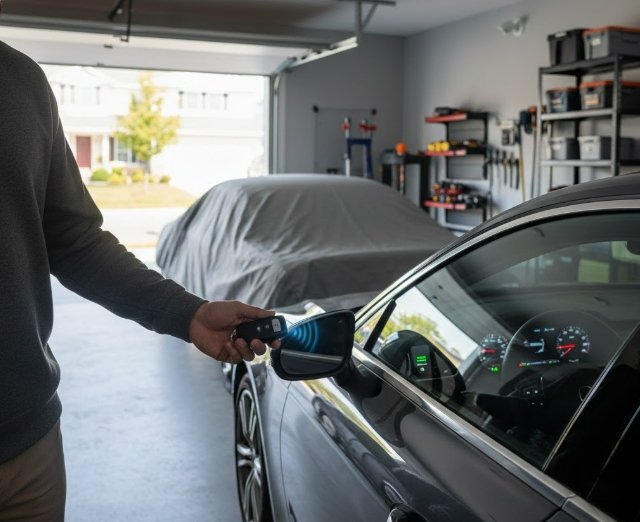
Using a key fob to turn on a car is simple and convenient. Most modern cars allow you to start the engine by pressing a button on the key fob while it is inside or near the vehicle. This removes the need to insert a traditional key and makes starting your car faster.
To get your car running, you usually need to have the key fob within the vehicle’s range, press the start button or sometimes the button on the fob itself. Some cars may have specific sequences, like pressing the start button twice. Knowing how your key fob works can save time and avoid frustration.
If the car doesn’t start, it might be because of a low battery in the fob or the car not detecting the signal. Understanding these basics made it much easier for me to operate my car remotely and troubleshoot if needed.
Key Takeways
- Keep the key fob close to the car to ensure it starts properly.
- Press the start button or key fob button according to your car’s system.
- Replace the key fob battery if the car does not respond.
Understanding Key Fob Technology
Key fobs come in different kinds and use specific methods to connect with your car. Knowing these details helps you use your key fob correctly and troubleshoot if it doesn’t work.
Types of Key Fobs
There are mainly two types of key fobs: basic remote fobs and smart key fobs. Basic remote fobs let you lock, unlock, and sometimes start your car remotely using buttons. They often require you to press a button on the fob or inside the vehicle to start the engine.
Smart key fobs, also called proximity fobs, allow you to start your car without pressing any button on the fob. When you are close enough to the car, the system recognizes the fob and lets you start the engine by pressing a button inside the car.
Some key fobs include a hidden physical key inside. This key is useful if the fob’s battery dies or the wireless system fails.
How Key Fobs Communicate with Vehicles
Key fobs use radio signals to talk to your car. When you press a button, the fob sends a coded signal that the car’s receiver module picks up. This signal acts like a password to unlock doors or start the engine.
The communication relies on radio frequency identification (RFID) technology. Your car listens for a specific code from your fob. If the codes match, the car allows the action, like unlocking or ignition.
To keep your car safe, the codes often change with every use. This system is called rolling codes and it helps prevent thieves from copying your key fob signal.
If the battery in your key fob is dead, the signal won’t reach the car. Some cars let you start the engine by holding the fob close to a sensor or using the hidden key.
Preparing to Start Your Car with a Key Fob
Before I start my car with a key fob, I make sure everything is set for a smooth and safe experience. This includes taking safety steps to avoid accidents and checking the key fob’s battery to prevent errors in starting the car.
Safety Precautions
I always check that my car is in park or neutral before starting it. This prevents the car from moving unexpectedly when I press the start button. I keep my foot on the brake pedal as an extra safety step, which most cars require for the engine to start.
I make sure the area around the car is clear. This avoids any accidents if the vehicle starts moving. If I’m in a closed garage, I open doors or windows to avoid buildup of exhaust fumes. This keeps the area safe to breathe while the engine runs.
Checking Key Fob Battery
A weak or dead key fob battery can stop the car from starting. I check the battery regularly, especially if I notice the key fob works less reliably. Most key fobs use small coin batteries that are easy to replace.
If the battery is low, I replace it with the exact type listed in the car manual. In many cars, I can start the engine even if the battery is dead by holding the key fob close to a special sensor near the start button or steering column. Knowing this saves time and frustration when I need to start the car urgently.
Step-by-Step Guide to Turning On a Car with a Key Fob
Turning on a car with a key fob usually involves pressing specific buttons while inside the vehicle with the fob nearby. If the keyless system fails or the battery dies, there is often a physical key backup method to start the car.
Standard Keyless Start Procedure
First, I make sure I have the key fob inside the car. Then, I press the brake pedal firmly. While holding the brake, I press the start button, usually located near the steering wheel or gear shift.
The engine should start within a second or two. If it doesn’t, I check the fob’s battery and make sure I’m fully pressing the brake. Some cars may require holding the start button for one to two seconds instead of a simple press.
Sometimes, I also keep the fob very close to the start button or a marked spot on the dash if the car has trouble recognizing the signal.
Using Physical Key Backup
If the key fob battery dies or the vehicle won’t start with the remote, I use the physical key inside the fob. Usually, the key is hidden inside the fob and can be pulled out by pressing a small button.
I use the physical key to unlock the driver’s door manually. In many cars, there’s a special slot or ignition hole to insert the key and start the engine.
For push-button start cars without a visible ignition, I place the fob close to a designated spot (like a key slot or the start button) to allow the car to detect it. Then, I hold the brake and press the start button to turn the engine on.
This method works well when the key fob battery is dead but the car still needs to verify the key’s presence.
Troubleshooting Common Issues
Some key fob problems come up often but have clear fixes. Knowing how to check the battery and avoid signal interference can save time and get your car started faster.
Unresponsive Key Fob
When my key fob won’t respond, the first thing I check is the battery. A weak or dead battery is the most common cause. I test the battery with a small voltage tester or simply replace it if it looks old.
If replacing the battery doesn’t help, I inspect the buttons and circuit inside the fob. Dirt or damage can stop buttons from working. Opening the fob carefully and cleaning it with rubbing alcohol often restores function.
Sometimes, I need to resync the key fob to my car. This usually involves pressing buttons in a specific order or turning the ignition on and off. Following the car manual helps with this step.
Interference Problems
Sometimes the key fob works but the car doesn’t start because of signal interference. Electronic devices nearby or strong radio waves can block the fob’s signal.
If I suspect interference, I move away from possible sources like cell phones, Wi-Fi routers, or other cars with remote starters. Holding the fob close to the start button or inside the car can also improve the connection.
In some cases, I use a signal booster designed for key fobs to strengthen the signal and reduce interruptions. This helps when I am in areas with high electronic noise.
Maintaining and Replacing Key Fobs
Taking good care of a key fob can save time and money. Knowing how to replace the battery and recognize when the fob needs a full replacement helps keep your car working smoothly.
Battery Replacement Tips
I found that key fob batteries usually last 1 to 2 years. When the fob stops working well or the range shrinks, it’s a sign the battery needs changing. Most key fobs use small coin batteries like CR2032 or CR2025.
To replace the battery, you usually pry open the fob case carefully with a small flat tool. Avoid damaging the plastic or internal parts. Then, swap the old battery with the new one, matching its positive and negative sides exactly.
After replacing the battery, test the fob near the car to ensure it works properly. If it still has issues, I check the contacts inside the fob for dirt or corrosion and clean them gently. Regular battery replacements keep the fob responsive and avoid getting locked out.
When to Get a New Key Fob
If your key fob is damaged, lost, or won’t work even after battery changes, it might be time to replace it. Sometimes, the internal electronics or buttons wear out over time. Cracks, water damage, or broken parts can also make the fob unreliable.
Some vehicles allow you to program a new key fob yourself, which can save you money. But if your car needs special programming done by a dealer or locksmith, that might add cost.
Buying an original equipment manufacturer (OEM) fob ensures compatibility, but third-party models can be cheaper. I recommend keeping a spare key fob handy to avoid problems if your main one fails.
Security Considerations and Best Practices
Using a key fob to start my car is very convenient, but it comes with some security risks. It’s important to protect my car from hackers and thieves who can exploit the wireless signals. Also, storing my key fob safely helps prevent unauthorized access.
Preventing Key Fob Hacking
Key fob hacking often works by intercepting or amplifying the signal between the fob and the car. I protect my vehicle by never leaving my key fob near doors or windows where thieves can use relay attacks to extend the signal.
I can reduce risks by turning off my fob’s wireless signal if the car allows it or by using a Faraday pouch to block signals when I’m not using the key fob. Regularly updating the car’s software and getting the key fob checked by a dealer helps, too.
Being aware that thieves use signal jamming and relay devices keeps me cautious. I never ignore warning signs like doors unlocking on their own or the engine starting without me.
Safe Storage Recommendations
I always store my key fob away from entry points of my home, ideally in a metal container or Faraday bag, which blocks signal transmission. Leaving the fob in a drawer or a car key box reduces the risk of signal theft.
Charging stations and nightstands near doors are poor places to leave my key fob because the signal can be captured from outside. I also avoid keeping spare keys in obvious or easy-to-find places.
Using physical locks or additional security like steering wheel locks adds another layer of protection. These practices help me stop criminals from exploiting my key fob’s signal and keep my car safer overall.
FAQs
How close do I need to be to start my car with the key fob?
I find that most key fobs work within a short range, usually around 30 feet. This helps prevent someone far away from starting your car by accident or on purpose. Always check your car’s manual for the exact distance.
What should I do if my key fob doesn’t start the car?
First, I make sure the fob’s battery isn’t dead. If the battery is low, it may still unlock the car but won’t start it. Sometimes, holding the fob closer to the start button or using the physical key can help.
Is it safe to use the key fob to start my car remotely?
Yes, it is generally safe. The system often includes security features like encrypted signals so only your fob can start the car. However, I wouldn’t leave the car running unattended for too long using the remote start.
Can weather affect how well the key fob works?
Extreme cold or heat can weaken battery performance in the fob, making it less effective. I always keep an eye on my key fob’s range and replace the battery if it starts acting up.
| Question | Quick Fact |
|---|---|
| How often should I change the battery? | Every 1-2 years or when range drops |
| What if I lose my key fob? | Contact the dealer for a replacement |
| Can I use the key fob if my car battery is dead? | Usually no; the car needs power to start |
Does starting with a fob take longer than a regular key?
It’s about the same in most cases. I just press the button instead of turning a key, which can feel quicker and more convenient.
Are key fobs more secure than traditional keys?
Generally, yes. They use codes that change each time you use them, making it harder for thieves to copy. But I still lock my car manually if I feel unsure.
Conclusion
Using a key fob to start a car is simple and effective. It gives me fast access without fumbling for keys. The push-button start system is designed for ease and adds a layer of security by using wireless signals between the fob and car.
This method is also safer because it reduces the chances of theft. Many key fobs include anti-theft features, making it harder for someone to steal the vehicle. I find this security very reassuring, especially when parking in unfamiliar places.
Starting the car remotely with a key fob helps with comfort, too. On hot or cold days, I can warm up or cool down my car before I get in. This feature saves time and lets me enjoy a comfortable drive right away.
If you pick a reliable key fob and keep it well maintained, it will serve you well for years. Always make sure the battery is charged and the device is synced properly with your vehicle.
Key points to remember:
- Quick and convenient car start
- Enhanced security
- Comfort in extreme weather
- Easy to maintain for long-term use
I recommend choosing a quality key fob that fits your car model. This choice makes starting your vehicle hassle-free and keeps you confident on the road every day.