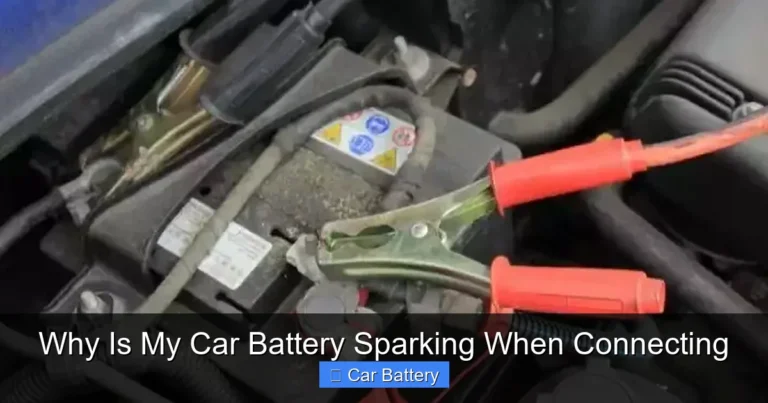
Weak Car Battery How to Start Your Car
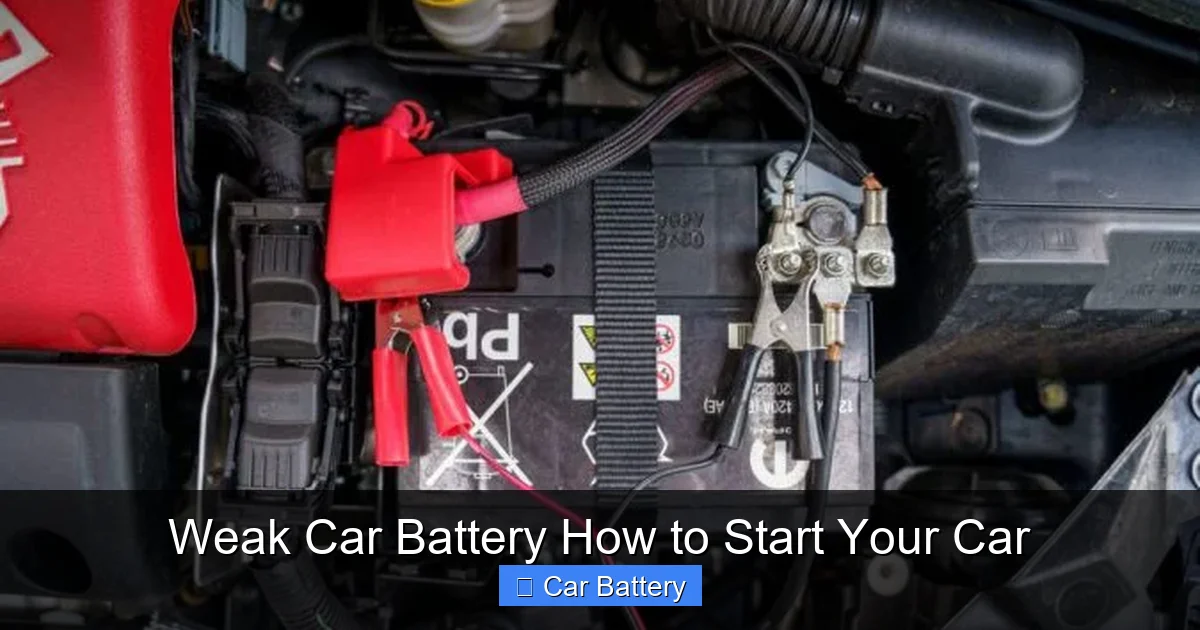
A weak car battery can leave you stranded, but knowing how to jump-start or push-start your vehicle can get you back on the road quickly. This guide provides a complete, step-by-step walkthrough for both methods, along with crucial safety tips and advice on what to do after a successful start. Always prioritize safety and proper procedure to avoid damage to your car’s electrical system.
You turn the key. Or you press the start button. Instead of the confident roar of your engine, you hear a dreaded clicking sound. Maybe the dashboard lights dim dramatically. Perhaps there’s just a sad, slow crank. We’ve all been there. A weak car battery is one of the most common reasons for a no-start situation.
It’s frustrating, but it doesn’t have to ruin your day. With the right knowledge and a little help, you can often get your car started and on your way. This guide is your friendly roadmap through that stressful moment. We’ll walk you through every step, from the classic jump-start to the old-school push-start, all while keeping safety as our top priority.
Think of this as your go-to manual for beating a weak battery. We’ll cover the tools you need, the steps to follow, and what you should do after you get the engine running. Let’s turn that frustration into action and get you moving again.
In This Article
- 1 Key Takeaways
- 2 📑 Table of Contents
- 3 Understanding Your Weak Car Battery
- 4 Method 1: The Classic Jump-Start
- 5 Method 2: Push-Starting (For Manual Transmissions Only)
- 6 Method 3: Using a Portable Jump Starter
- 7 What to Do After You Start Your Car
- 8 Safety Tips and Common Mistakes to Avoid
- 9 Prevention: How to Avoid a Weak Battery
- 10 Conclusion
- 11 Frequently Asked Questions
Key Takeaways
- Safety is Paramount: Always wear safety glasses, keep sparks away from the battery, and ensure vehicles do not touch during a jump-start.
- Correct Jumper Cable Order is Critical: Connect positive to positive first, then negative to the donor car’s negative terminal and your car’s engine block. Reverse the order when disconnecting.
- Not All Cars Can Be Push-Started: This method only works for manual transmission vehicles. Automatic cars require a jump-start or portable booster.
- Drive to Recharge: After a jump-start, drive for at least 20-30 minutes to allow the alternator to recharge the weak battery.
- Diagnose the Root Cause: A weak battery is often a symptom. Get your battery, alternator, and charging system tested to prevent future issues.
- Invest in a Portable Jump Starter: A compact, battery-powered jump pack is a modern, convenient, and safe alternative to traditional jumper cables.
📑 Table of Contents
Understanding Your Weak Car Battery
Before you start connecting cables, it helps to know what you’re dealing with. A car battery has one main job: to provide a massive burst of electrical power to start the engine. Once the engine is running, the alternator takes over, powering the car’s systems and recharging the battery.
A weak battery simply doesn’t have enough stored charge to turn the starter motor. This can happen for many reasons. Extreme cold weather is a big one. It slows down the chemical reactions inside the battery. Leaving your headlights or an interior dome light on overnight is a classic mistake. Short trips where the alternator doesn’t have time to recharge the battery can also weaken it over time.
Finally, batteries just wear out. Most last 3 to 5 years. An old battery loses its ability to hold a full charge. Knowing the signs—slow cranking, dim lights, electrical glitches—can help you plan ahead and avoid a surprise no-start.
Symptoms of a Weak Battery
- The Slow Crank: The engine turns over very sluggishly, like it’s struggling.
- Clicking Sound: You hear a rapid clicking from the starter solenoid, but the engine doesn’t turn.
- Dim Lights: Headlights and dashboard lights are noticeably dimmer than usual.
- Electrical Issues: Power windows move slowly, the radio resets, or warning lights flicker.
- Total Silence: Turning the key results in absolutely nothing—no lights, no sounds.
Method 1: The Classic Jump-Start
This is the most common way to start a car with a weak battery. You use jumper cables to borrow power from another vehicle’s healthy battery. It’s simple, but you must do it correctly to avoid sparks, damage, or injury.
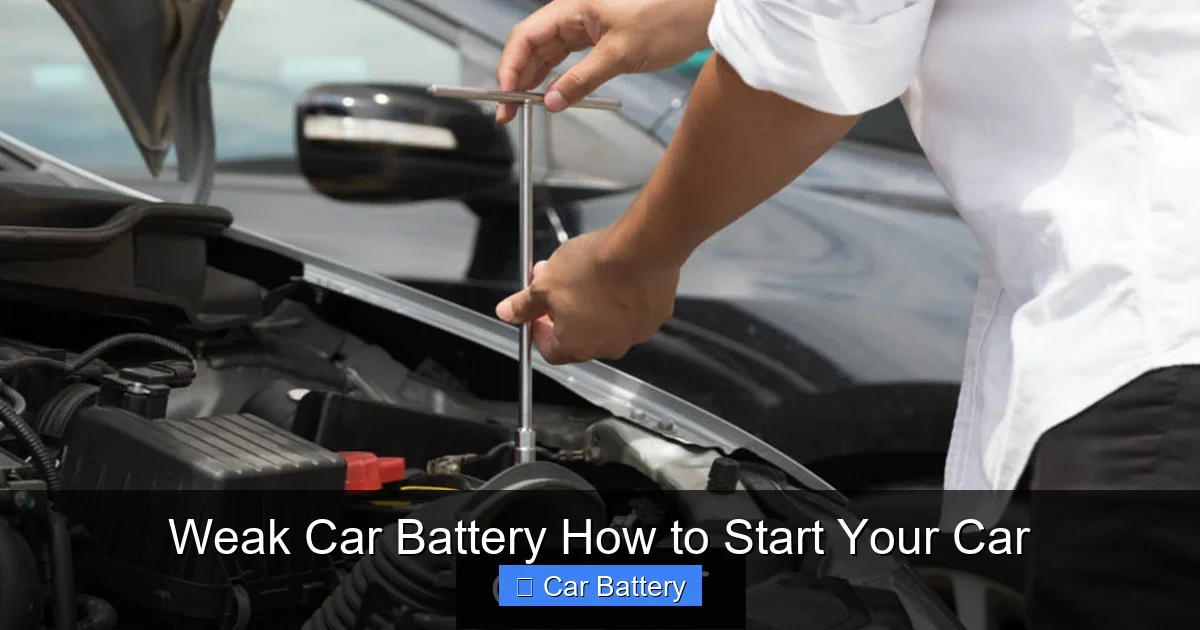
Visual guide about Weak Car Battery How to Start Your Car
Image source: carput.my
What You’ll Need
- A set of good-quality jumper cables (the thicker the wires, the better).
- A “donor” vehicle with a fully charged battery of the same voltage (almost always 12 volts).
- Safety glasses (recommended).
- Owner’s manuals for both cars (to check for any special instructions).
Step-by-Step Jump-Start Guide
Step 1: Prepare Both Vehicles. Park the donor car close to your car so the jumper cables can reach both batteries easily. Make sure the vehicles are not touching. Turn off both engines, set the parking brakes, and put both cars in “Park” (automatic) or “Neutral” (manual). Turn off all accessories (radio, lights, A/C).
Step 2: Identify the Terminals. Open the hoods and locate both batteries. Find the positive (+) and negative (-) terminals. They are usually marked clearly in red (positive) and black (negative). Clean off any major corrosion if you can.
Step 3: Connect the Jumper Cables in THIS ORDER. This sequence is designed to minimize the risk of a dangerous spark near the battery.
- Connect one RED clamp to the POSITIVE (+) terminal of the dead battery.
- Connect the other RED clamp to the POSITIVE (+) terminal of the good battery.
- Connect one BLACK clamp to the NEGATIVE (-) terminal of the good battery.
- Connect the final BLACK clamp to an UNPAINTED METAL SURFACE on your car’s engine block or chassis. This is your ground. Do not connect it to the dead battery’s negative terminal if possible, as it can cause a spark.
Step 4: Start the Donor Car. Start the engine of the donor car and let it run for a minute or two. This allows its alternator to begin sending charge through the cables.
Step 5: Start Your Car. Now, try to start your car. It should crank and start. If it doesn’t, wait another 2-3 minutes for more charge to transfer and try again. If it still fails, the problem might be more than just a weak battery.
Step 6: Disconnect the Cables in REVERSE ORDER. Once your car is running, carefully remove the cables in the exact opposite order you put them on.
- Disconnect the BLACK clamp from your car’s metal ground.
- Disconnect the BLACK clamp from the donor car’s negative (-) terminal.
- Disconnect the RED clamp from the donor car’s positive (+) terminal.
- Disconnect the RED clamp from your car’s positive (+) terminal.
Step 7: Keep Your Engine Running. Do not turn off your car! You need to drive it to recharge the weak battery.
Method 2: Push-Starting (For Manual Transmissions Only)
No cables? No donor car? If you drive a manual transmission, you have another option: push-starting (or bump-starting). This method uses the car’s own momentum to turn the engine over instead of the starter motor.
Visual guide about Weak Car Battery How to Start Your Car
Image source: media.torque.com.sg
Important: This will not work for automatic transmission cars. The mechanics are different. Trying to push-start an automatic can cause serious damage.
How to Push-Start Your Car
Step 1: Find a Helper and a Clear, Flat Space. You’ll need one or two people to push the car. A slight downhill slope is ideal. Ensure the path is clear and safe.
Step 2: Prepare the Car. Get in the driver’s seat. Turn the ignition to the “On” position (dashboard lights on). Press the clutch pedal all the way to the floor and put the car into second gear. Second gear is easier to mesh than first for this.
Step 3: Build Momentum. Release the parking brake. Signal to your helpers to start pushing. As the car rolls, aim for a speed of about 5-10 mph.
Step 4: “Pop” the Clutch. Once you have good momentum, quickly release the clutch pedal. You will feel the engine jerk and turn over. As soon as it starts, immediately press the clutch pedal back in to prevent stalling.
Step 5: Drive to Recharge. Just like after a jump-start, keep the engine running and drive for a while to charge the weak battery.
Method 3: Using a Portable Jump Starter
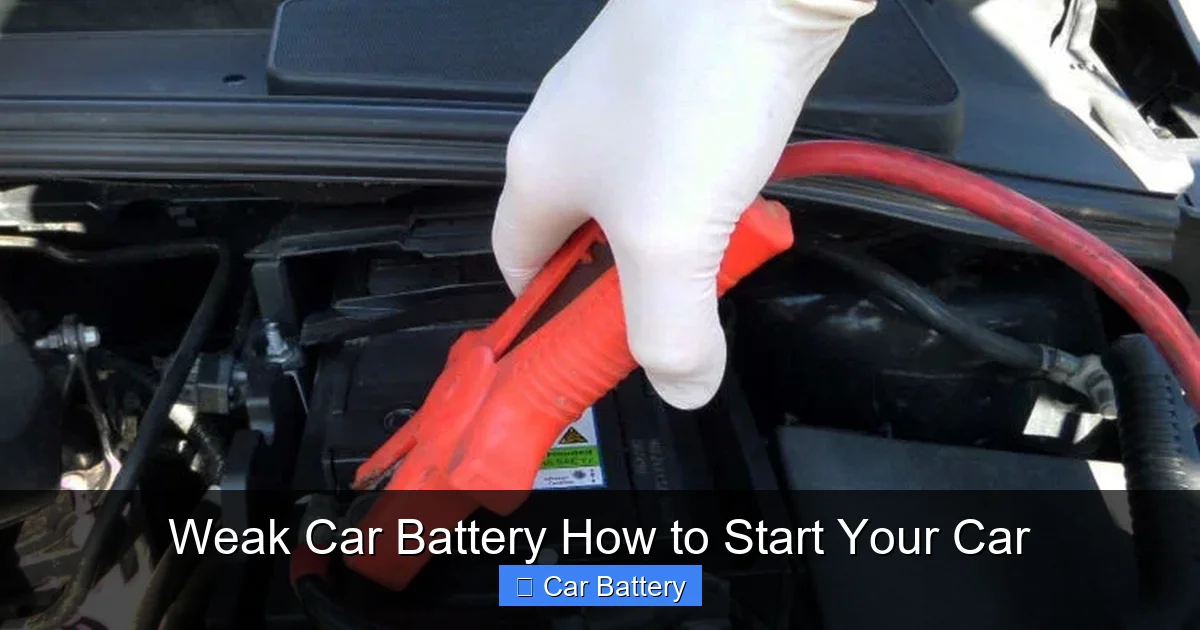
This is the modern, one-person solution. A portable jump starter (or booster pack) is a compact lithium-ion battery with special cables attached. It’s a must-have for your emergency kit.
Visual guide about Weak Car Battery How to Start Your Car
Image source: wikihow.com
Why It’s a Great Tool
- No Second Car Needed: You are completely self-sufficient.
- Safer and Simpler: Fewer connection steps and less risk of incorrect hookup.
- Multipurpose: Many models double as power banks to charge phones and have built-in flashlights.
To use it, you simply connect its red clamp to your battery’s positive terminal and its black clamp to a ground (just like in Step 3 of jump-starting). Then turn the unit on and start your car. Always follow the specific instructions that come with your device.
What to Do After You Start Your Car
Getting the engine running is only half the battle. Now you need to address the weak battery.
Drive Immediately. Take your car for a drive of at least 20-30 minutes on the open road. This gives the alternator enough time to put a meaningful charge back into the battery. Idling the engine is not enough; the alternator needs the higher RPMs of driving.
Get Your Battery Tested. As soon as you can, visit an auto parts store or mechanic. They can perform a free load test on your battery. This test will tell you if the battery is simply discharged or if it’s failed and needs replacement. They can also test your alternator to make sure it’s charging properly.
Consider the Cause. Ask yourself why the battery was weak. Was it a one-time mistake (left a light on)? Or is it an old battery that can’t hold a charge? Addressing the root cause is key to preventing a repeat.
Safety Tips and Common Mistakes to Avoid
Working with car batteries involves electricity and flammable gases. A careful approach is non-negotiable.
Essential Safety Rules
- Wear Eye Protection: Batteries contain sulfuric acid that can splash.
- No Smoking or Sparks: Batteries release hydrogen gas, which is highly explosive.
- Check for Damage: Never jump-start a battery that is cracked, leaking, or frozen.
- Follow the Order: The connect/disconnect sequence exists for a reason. Don’t wing it.
Mistakes You Don’t Want to Make
- Connecting Negative to Negative First: This can cause a major spark right at the weak battery.
- Letting the Clamps Touch: While connected, ensure the red and black clamps never touch each other.
- Turning Off the Car Too Soon: Shutting off the engine right after a jump-start will likely leave you with a weak battery again.
- Ignoring Underlying Problems: Using jump-starts as a permanent fix will eventually leave you stranded for good.
Prevention: How to Avoid a Weak Battery
The best way to deal with a weak battery is to stop it from happening.
- Take Regular Long Drives: If you mainly take short trips, make a point of a longer weekly drive.
- Turn Off Everything: Make a habit of checking lights, plugs, and accessories before exiting the car.
- Keep Terminals Clean: Periodically check for corrosion (a white, powdery substance) and clean it with a baking soda and water solution.
- Test Annually: Have your battery and charging system tested every year, especially before winter.
- Know Your Battery’s Age: Write the purchase date on it with a marker. Plan to replace it proactively after 4 years.
Conclusion
A weak car battery is an inconvenience, not a catastrophe. Armed with the knowledge from this guide, you can face that clicking sound with confidence. Remember the core principles: safety first, follow the correct steps for jump-starting or push-starting, and always follow up with a drive and a professional test.
Investing in a set of good jumper cables or a portable jump starter is investing in peace of mind. And by understanding what drains a battery and how to care for it, you can extend its life and avoid most no-start surprises. Keep this guide bookmarked, share it with friends, and you’ll never have to feel helpless with a weak battery again. Now, go enjoy the drive!
Frequently Asked Questions
Can I jump-start a completely dead battery?
Yes, you can usually jump-start a completely dead battery, as long as it isn’t physically damaged, frozen, or internally failed. The donor car’s alternator provides the necessary power to crank your engine. However, if the battery is old and can no longer hold a charge, it may die again immediately after you turn off the car.
How long should I drive after a jump-start?
You should drive for at least 20 to 30 minutes at highway speeds, not just idle the engine. This gives your alternator sufficient time to put a substantial charge back into the weak battery. A short drive may not be enough to prepare it for the next start.
Why won’t my car start even with a jump?
If a proper jump-start doesn’t work, the problem may not be just a weak battery. Potential issues include a failed starter motor, bad alternator, corroded battery cables, a faulty ignition switch, or a severely discharged battery that cannot accept a charge. Professional diagnosis is needed.
Is it safe to jump-start a modern car?
Yes, but you should take extra care. Modern cars have complex electronics. Always follow the correct connection order to avoid voltage spikes. For maximum safety, consult your owner’s manual first, as some manufacturers recommend specific procedures or connection points instead of the battery directly.
Can a weak battery damage my alternator?
Yes, a chronically weak or failing battery can overwork your alternator. The alternator has to constantly try to charge a battery that won’t hold a charge, which can lead to premature alternator failure. It’s important to replace a bad battery to protect the rest of the charging system.
What’s better, jumper cables or a portable jump starter?
A portable jump starter is generally better for convenience and safety. It allows you to start your car alone, eliminates the risk of incorrect connections with another vehicle, and is often safer for sensitive electronics. Jumper cables are cheaper but require a second vehicle and carry a slightly higher risk of user error.