How to Sell Your Car in Oregon
Selling your car in Oregon doesn’t have to be stressful. With the right preparation, pricing, and paperwork, you can complete the process quickly and legally. This guide walks you through every step—from cleaning your car to transferring ownership—so you can sell with confidence.
In This Article
- 1 Key Takeaways
- 2 📑 Table of Contents
- 3 How to Sell Your Car in Oregon: A Complete Step-by-Step Guide
- 4 Step 1: Prepare Your Vehicle for Sale
- 5 Step 2: Determine the Right Price
- 6 Step 3: Gather the Required Paperwork
- 7 Step 4: Advertise Your Car Effectively
- 8 Step 5: Handle Inquiries and Test Drives Safely
- 9 Step 6: Complete the Sale and Transfer Ownership
- 10 Alternative Selling Options
- 11 Final Tips for a Successful Sale
- 12 Frequently Asked Questions
Key Takeaways
- Prepare your vehicle: Clean it inside and out, fix minor issues, and gather maintenance records to boost buyer confidence and value.
- Price it right: Use tools like Kelley Blue Book or Edmunds to research fair market value based on your car’s condition, mileage, and location.
- Complete required paperwork: You’ll need a signed title, odometer disclosure, and a release of liability form to legally transfer ownership.
- Advertise effectively: Take high-quality photos, write a clear description, and list your car on trusted platforms like Craigslist, Facebook Marketplace, or Autotrader.
- Meet safely: Choose public places for test drives, bring a friend, and verify payment before handing over the keys.
- File a release of liability: Submit this form to the Oregon DMV within 10 days to avoid future liability for the vehicle.
- Consider selling to a dealer or online buyer: For a faster, hassle-free sale, explore options like CarMax, Carvana, or Vroom.
📑 Table of Contents
- How to Sell Your Car in Oregon: A Complete Step-by-Step Guide
- Step 1: Prepare Your Vehicle for Sale
- Step 2: Determine the Right Price
- Step 3: Gather the Required Paperwork
- Step 4: Advertise Your Car Effectively
- Step 5: Handle Inquiries and Test Drives Safely
- Step 6: Complete the Sale and Transfer Ownership
- Alternative Selling Options
- Final Tips for a Successful Sale
How to Sell Your Car in Oregon: A Complete Step-by-Step Guide
So, you’ve decided it’s time to sell your car in Oregon. Maybe you’re upgrading to something newer, downsizing, or just ready for a change. Whatever the reason, selling a car can feel overwhelming—especially if it’s your first time. But don’t worry. With the right approach, you can sell your car quickly, legally, and for a fair price.
Oregon has specific rules and requirements when it comes to transferring vehicle ownership, and understanding them upfront can save you time, money, and headaches down the road. From pricing your car correctly to completing the necessary paperwork, every step matters. This guide will walk you through the entire process, from start to finish, so you can sell your car with confidence.
Whether you’re selling privately or trading in at a dealership, knowing your options and being prepared will make all the difference. We’ll cover everything from cleaning your car and taking great photos to meeting buyers safely and filing the right forms with the DMV. By the end of this guide, you’ll have a clear roadmap to sell your car in Oregon—smoothly and successfully.
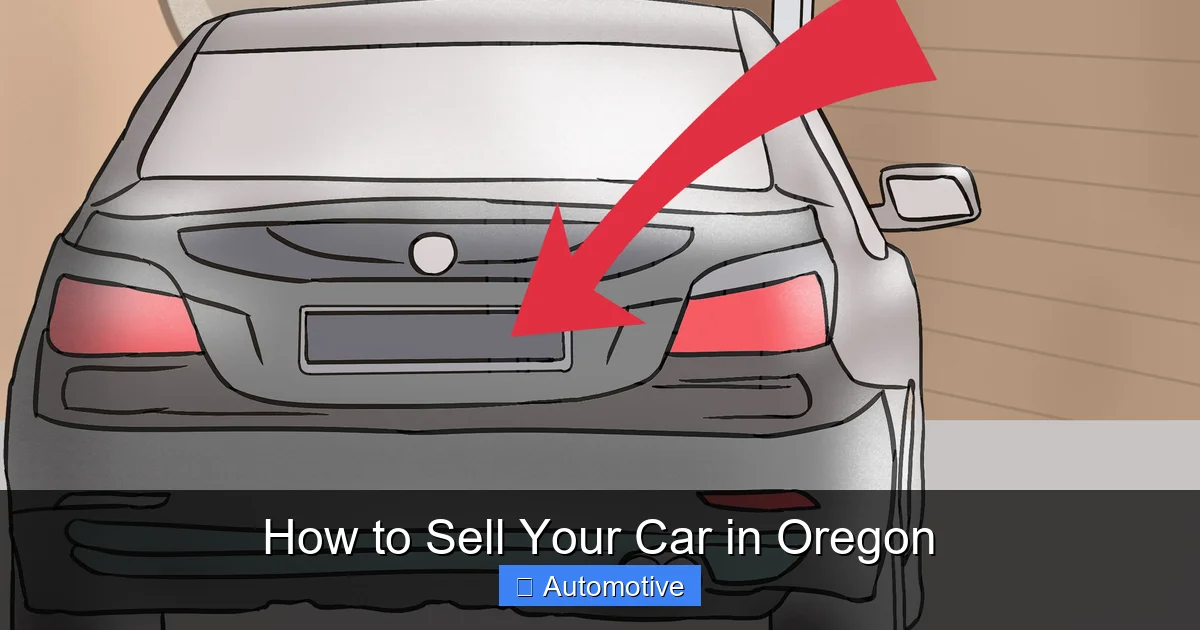
Step 1: Prepare Your Vehicle for Sale
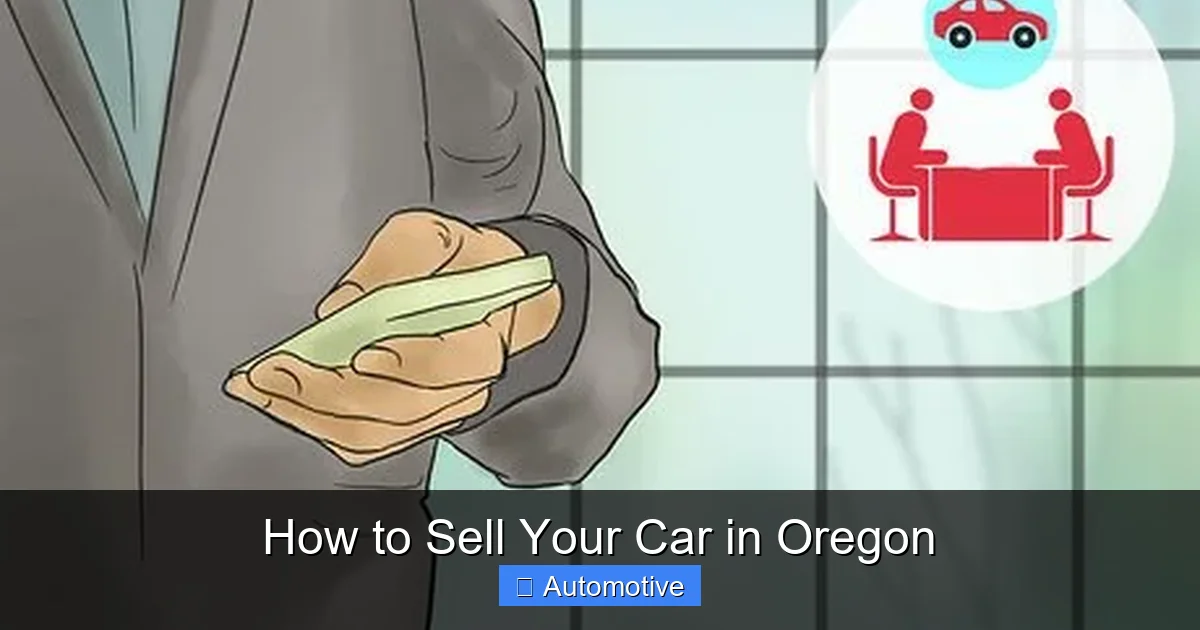
Visual guide about How to Sell Your Car in Oregon
Image source: wikihow.com
Before you even think about listing your car, take the time to get it ready. A well-prepared vehicle not only looks more appealing to buyers but can also help you get a higher sale price. Think of it this way: you’re not just selling a car—you’re selling an experience. And first impressions count.
Clean It Inside and Out
Start with a thorough cleaning. Wash the exterior, wax it if possible, and clean the windows inside and out. Don’t forget the wheels and tires—grime and brake dust can make even a nice car look neglected. Use a tire shine product to give them a fresh, polished look.
Inside, vacuum every corner, including under the seats and in the trunk. Wipe down all surfaces—dashboard, door panels, center console—with a gentle cleaner. Remove any personal items, trash, or clutter. If your car has unpleasant odors, consider using an odor eliminator or placing an open box of baking soda in the cabin overnight.
A clean car signals to buyers that it’s been well cared for. It’s a small investment of time that can pay big dividends.
Address Minor Repairs and Maintenance
You don’t need to rebuild the engine, but fixing small issues can make a big difference. Replace burnt-out bulbs, fix cracked windshields (or at least get a quote), and top off fluids like windshield washer and coolant. If your tires are worn or uneven, consider replacing them—safety is a top concern for buyers.
Check the air filter, brakes, and battery. If any of these are near the end of their life, replacing them now can prevent negotiations or lost sales later. Even something as simple as replacing worn floor mats or fixing a sticky door handle shows attention to detail.
Gather Maintenance Records and Documentation
Buyers love transparency. If you have records of regular oil changes, tire rotations, or major repairs, gather them in a folder or binder. This proves your car has been maintained and can justify a higher asking price.
Also, locate your owner’s manual, spare key, and any accessories like roof racks or floor mats. These extras add value and show you’ve taken good care of the vehicle.
Step 2: Determine the Right Price
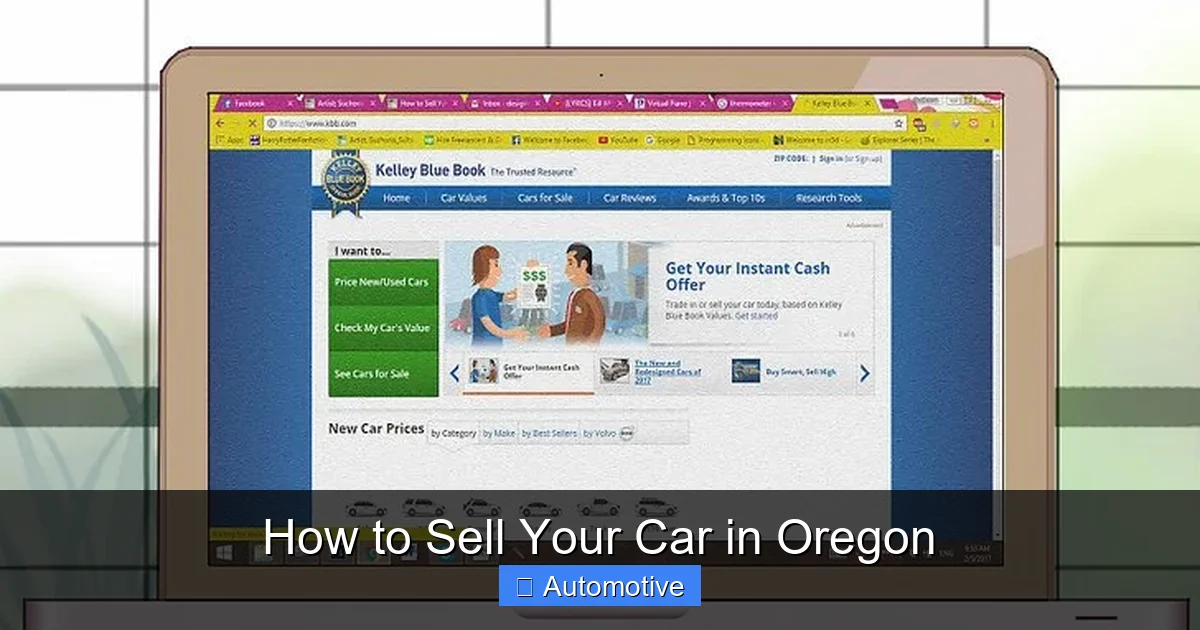
Visual guide about How to Sell Your Car in Oregon
Image source: wikihow.com
Pricing your car correctly is one of the most important steps in the selling process. Overprice it, and you’ll scare off buyers. Underprice it, and you’ll leave money on the table. The goal is to find that sweet spot—fair market value.
Research Comparable Listings
Start by looking at similar cars for sale in your area. Use websites like Kelley Blue Book (KBB), Edmunds, or NADA Guides. Enter your car’s make, model, year, mileage, condition, and features to get an estimated value.
But don’t stop there. Check local listings on Craigslist, Facebook Marketplace, and Autotrader. Look at cars with similar mileage, condition, and options. Are they priced higher or lower than the online estimates? Local demand can influence pricing—especially in cities like Portland or Eugene where certain models are more popular.
Adjust for Condition and Extras
Your car’s condition plays a big role in its value. If it’s in excellent shape with low mileage and a clean history, you can price it at the higher end of the range. If it has cosmetic flaws, high mileage, or a history of accidents, adjust accordingly.
Don’t forget to factor in extras. Upgraded sound systems, leather seats, or advanced safety features can add value. But be realistic—buyers may not pay full price for aftermarket additions.
Consider Timing and Market Trends
The time of year can affect demand. Convertibles sell better in spring and summer, while SUVs and trucks may move faster in fall and winter. Also, keep an eye on gas prices—high fuel costs can make fuel-efficient cars more desirable.
If you’re in a hurry to sell, you might need to price slightly below market value. But if you can wait, holding out for the right buyer could get you a better offer.
Step 3: Gather the Required Paperwork
Visual guide about How to Sell Your Car in Oregon
Image source: oregonsportsnews.com
Selling a car in Oregon isn’t just about handing over the keys—it’s a legal transaction. You’ll need to complete several documents to transfer ownership properly and protect yourself from future liability.
Vehicle Title
The title is the most important document. It proves you own the car and allows you to sell it. Make sure your name is correctly listed as the owner. If you’re married and the car is jointly owned, both names should appear on the title.
If you’ve lost your title, you can request a duplicate from the Oregon DMV. You’ll need to fill out Form 735-8000 and pay a small fee. It’s best to do this before listing your car to avoid delays.
When selling, you’ll need to sign the title over to the buyer. In Oregon, the seller must complete the “Assignment of Title by Owner” section on the back of the title. Include the sale price, odometer reading, and date of sale.
Odometer Disclosure
Federal law requires you to disclose the vehicle’s mileage at the time of sale. This is done on the title itself. If the odometer is broken or has been replaced, you must note that as well.
Be honest—misrepresenting mileage is illegal and can lead to serious consequences.
Release of Liability Form
This is a critical step that many sellers forget. After the sale, you must file a Release of Liability with the Oregon DMV. This form notifies the state that you’re no longer responsible for the vehicle—meaning you won’t be liable for parking tickets, accidents, or other issues after the sale.
You can submit the form online at the DMV website or mail it in. It’s free and should be done within 10 days of the sale. Keep a copy for your records.
Bill of Sale (Optional but Recommended)
While not required by law, a bill of sale provides proof of the transaction. It includes details like the buyer’s and seller’s names, vehicle information, sale price, and date. You can find free templates online or use the one provided by the Oregon DMV.
Having a signed bill of sale can protect both parties in case of disputes.
Step 4: Advertise Your Car Effectively
Now that your car is ready and priced, it’s time to find a buyer. The way you advertise can make or break your sale. A great listing attracts serious buyers and helps you sell faster.
Take High-Quality Photos
Photos are the first thing buyers see. Take them in good lighting—early morning or late afternoon works best. Shoot from multiple angles: front, back, sides, interior, trunk, and engine bay.
Clean the car first and park it in a neutral, uncluttered background. Avoid shadows or glare. If possible, take photos during the day but not in direct sunlight.
Include close-ups of any flaws or damage. Being upfront builds trust and reduces the chance of buyers walking away after seeing the car in person.
Write a Clear and Honest Description
Your description should be detailed but easy to read. Start with the basics: make, model, year, mileage, and condition. Then highlight key features like fuel efficiency, safety ratings, or recent repairs.
Be honest about any issues. Saying “minor paint scratch on rear bumper” is better than hiding it. Buyers appreciate transparency and are more likely to trust you.
Use bullet points to make it scannable. Mention if the car has a clean title, no accidents, or a recent inspection. Include why you’re selling—this can humanize the listing and build rapport.
Choose the Right Platforms
Where you list your car matters. Popular options in Oregon include:
– **Craigslist**: Great for local buyers. Free to list, but be cautious of scams.
– **Facebook Marketplace**: Easy to use and integrates with your social network. Buyers can message you directly.
– **Autotrader**: Ideal for serious buyers. There’s a fee, but it attracts qualified leads.
– **Cars.com**: Another paid option with a large audience.
You can also post on local buy/sell/trade groups or community boards. The more places you list, the more visibility you’ll get—just be ready to manage inquiries.
Step 5: Handle Inquiries and Test Drives Safely
Once your ad is live, expect calls, texts, and messages. How you respond can influence whether a buyer follows through.
Respond Promptly and Professionally
Reply to inquiries quickly—within a few hours if possible. Be polite and provide clear answers. If a buyer asks about mileage or condition, give honest, concise responses.
Avoid sharing personal information like your home address or phone number in the initial message. Use email or messaging apps until you’re comfortable.
Schedule Safe Meetings
When it’s time to meet, choose a public, well-lit location like a shopping center parking lot or police station. Avoid meeting at your home.
Bring a friend or family member with you. Let someone know where you’re going and when you expect to return.
Conduct Test Drives Responsibly
Always ride along during a test drive. This protects you and gives you a chance to answer questions. Ask for the buyer’s driver’s license and verify it’s valid.
Set ground rules: no speeding, no reckless driving, and stay in a safe area. If the buyer seems nervous or inexperienced, offer to drive first.
Verify Payment Before Handing Over the Keys
Once a buyer agrees to purchase, make sure payment is secure before transferring ownership. Cash is the safest option for private sales. If using a cashier’s check, verify it’s legitimate with your bank before completing the sale.
Avoid personal checks—they can bounce. If the buyer wants to finance the purchase, they should secure financing first.
Step 6: Complete the Sale and Transfer Ownership
The final step is completing the transaction legally and smoothly.
Sign Over the Title
Both you and the buyer must sign the title. Make sure all information is accurate—especially the sale price and odometer reading. The buyer will need the signed title to register the car in their name.
Provide a Bill of Sale
Hand over the completed bill of sale. Both parties should keep a copy.
Remove License Plates
In Oregon, license plates stay with the seller—not the vehicle. Remove them before handing over the car. You can reuse them on another vehicle or return them to the DMV.
Notify the DMV
As mentioned earlier, file your Release of Liability form within 10 days. This protects you from future liability.
Cancel Your Insurance
Once the sale is complete, contact your insurance company to cancel or adjust your policy. Don’t cancel too early—wait until the buyer has registered the car.
Alternative Selling Options
If you’d rather skip the hassle of private selling, consider these alternatives:
Sell to a Dealership
Trade-ins are convenient but usually offer less money than private sales. Dealers need to make a profit, so they’ll lowball you. However, it’s fast, safe, and handles all the paperwork.
Use an Online Car Buyer
Companies like CarMax, Carvana, and Vroom offer instant quotes and will buy your car directly. They handle registration, title transfer, and payment. The offer might be lower than a private sale, but it’s hassle-free.
Sell at Auction
If you have a rare or high-value car, selling at auction might make sense. But fees and commissions can eat into your profit.
Final Tips for a Successful Sale
– Be patient. The right buyer may take time to find.
– Stay safe. Always meet in public and verify payment.
– Be honest. Transparency builds trust and prevents disputes.
– Keep records. Save copies of all documents.
– Don’t rush. A well-prepared sale leads to better outcomes.
Selling your car in Oregon doesn’t have to be complicated. With preparation, honesty, and the right approach, you can sell your vehicle quickly and for a fair price. Whether you go private or use a dealer, following these steps will help you cross the finish line with confidence.
Frequently Asked Questions
Do I need a smog check to sell my car in Oregon?
No, Oregon does not require a smog or emissions test for private vehicle sales. However, some buyers may request one for peace of mind, especially for older vehicles.
Can I sell my car if I still owe money on it?
Yes, but you’ll need to pay off the loan before transferring ownership. Contact your lender to get a payoff amount and arrange for the title to be released after the sale.
What if my car doesn’t have a title?
You can request a duplicate title from the Oregon DMV by submitting Form 735-8000 and paying a fee. It’s best to do this before listing your car.
How long does it take to sell a car in Oregon?
It varies, but most cars sell within 2–6 weeks if priced correctly and advertised well. Clean, popular models may sell faster.
Can I sell my car to someone out of state?
Yes, but the buyer will need to register the car in their home state. Make sure to complete all Oregon paperwork, including the release of liability.
What happens if I don’t file a release of liability?
If you don’t file the form, you could be held responsible for tickets, accidents, or other issues involving the vehicle after the sale. Always submit it within 10 days.