How to Sell Your Car in Massachusetts

Selling your car in Massachusetts doesn’t have to be stressful. This guide walks you through every step—from preparing your vehicle to finalizing the sale legally—so you can get the best price and avoid common pitfalls.
Selling your car in Massachusetts can feel overwhelming, especially if it’s your first time. Between understanding state laws, pricing your vehicle, and finding the right buyer, there’s a lot to juggle. But with the right preparation and knowledge, the process can be smooth, safe, and even profitable. Whether you’re upgrading to a new ride, downsizing, or simply ready to part ways with your current vehicle, this guide will walk you through every step—so you can sell your car in Massachusetts with confidence.
Massachusetts has its own set of rules and regulations when it comes to vehicle sales, and ignoring them can lead to headaches down the road. From emissions testing to title transfers, the Bay State takes car sales seriously. But don’t worry—this isn’t meant to scare you. Instead, it’s designed to protect both buyers and sellers. By following the correct procedures, you’ll avoid legal issues, ensure a fair deal, and make the experience as stress-free as possible. Plus, with a well-prepared car and a solid sales strategy, you could walk away with more cash in your pocket than you expected.
In This Article
- 1 Key Takeaways
- 2 📑 Table of Contents
- 3 Understand Massachusetts Car Sale Laws
- 4 Determine the Right Price for Your Car
- 5 Prepare Your Car for Sale
- 6 Choose the Best Way to Sell Your Car
- 7 Create an Effective Listing
- 8 Complete the Sale Safely and Legally
- 9 Frequently Asked Questions
- 9.1 Do I need a bill of sale to sell my car in Massachusetts?
- 9.2 Can I sell my car without a valid inspection in Massachusetts?
- 9.3 How long do I have to file a Release of Liability after selling my car?
- 9.4 What happens if I lose my car title in Massachusetts?
- 9.5 Can I sell my car if it has a lien on it?
- 9.6 Is it better to sell privately or trade in my car?
Key Takeaways
- Know the legal requirements: Massachusetts has specific rules for car sales, including title transfer, emissions testing, and bill of sale documentation.
- Price your car correctly: Use tools like Kelley Blue Book or Edmunds to research fair market value based on your car’s condition, mileage, and features.
- Prepare your vehicle: Clean it inside and out, fix minor issues, and gather maintenance records to boost buyer confidence.
- Choose the right selling method: Decide between private sale, trade-in, or selling to a dealership based on your priorities for speed, convenience, and profit.
- Complete the paperwork properly: Ensure the title is signed correctly, file a Release of Liability, and provide a bill of sale to protect yourself legally.
- Advertise effectively: Use high-quality photos, write a clear description, and list your car on trusted platforms like Craigslist, Facebook Marketplace, or Autotrader.
- Handle the transaction safely: Meet in public, accept secure payment methods, and never hand over the keys until payment is confirmed.
📑 Table of Contents
Understand Massachusetts Car Sale Laws
Before you even think about listing your car, it’s crucial to understand the legal framework governing vehicle sales in Massachusetts. The state has specific requirements that must be met to ensure the sale is valid and protects both parties. Failing to comply can result in fines, liability issues, or even legal disputes.
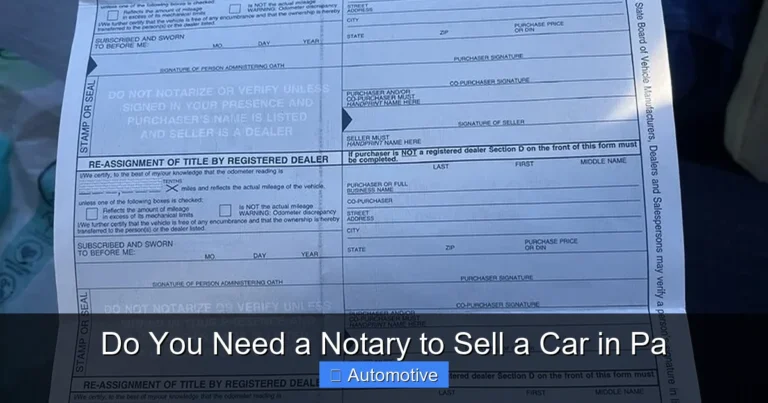
Title Transfer Requirements
One of the most important steps in selling your car is transferring the title to the new owner. In Massachusetts, the title must be signed over correctly to complete the sale. The seller (that’s you) must sign the back of the title in the designated area. Make sure your signature matches the name on the front of the title exactly. If you’re married and the car is in both names, both spouses must sign unless one has legal authorization (like a power of attorney).
It’s also important to note that Massachusetts uses a “notarized” title system. This means the signatures on the title must be notarized if the vehicle is being sold for more than $1,000. If the sale is under $1,000, notarization is not required, but it’s still a good idea to have it done for extra protection. You can get your signature notarized at a bank, UPS store, or other authorized notary public locations.
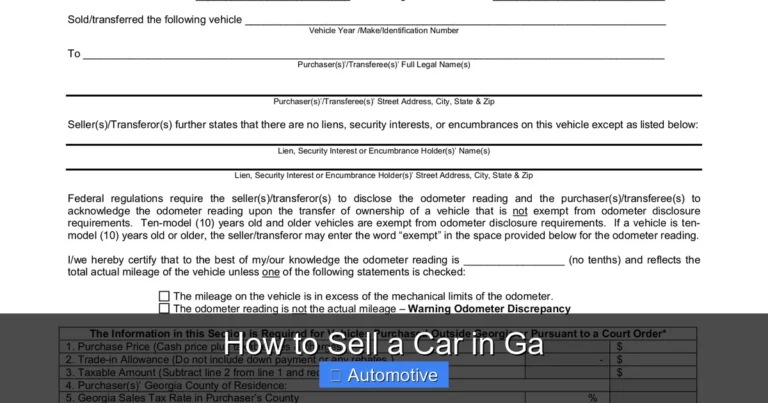
Bill of Sale
While not always required by law, a bill of sale is highly recommended in Massachusetts. This document serves as proof of the transaction and includes key details like the sale price, date, vehicle identification number (VIN), and names and addresses of both buyer and seller. You can find free bill of sale templates online or use the one provided by the Massachusetts Registry of Motor Vehicles (RMV).
Having a bill of sale protects you in case the buyer fails to register the car or if there’s a dispute later. It also helps the buyer complete their registration process smoothly. Always keep a copy for your records.
Emissions and Safety Inspections
Massachusetts requires most vehicles to pass an annual safety and emissions inspection. If your car is more than one model year old, it must have a valid inspection sticker at the time of sale. However, there’s a key exception: if your car fails inspection, you can still sell it, but you must disclose this fact to the buyer in writing.
If the car passes inspection, make sure the sticker is current and visible. A valid inspection increases buyer confidence and can help you get a higher price. If the inspection is due soon, consider getting it done before listing the car—this shows you’re proactive and responsible.
Release of Liability
After the sale, you must file a Release of Liability with the Massachusetts RMV. This form tells the state that you’re no longer responsible for the vehicle, including parking tickets, toll violations, or accidents that occur after the sale date. You can submit this form online through the RMV website or by mailing it in.
Filing the Release of Liability is critical—it’s your legal protection. Without it, you could still be held liable for issues involving the car, even after you’ve sold it. Make sure to do this within a few days of the sale.
Determine the Right Price for Your Car
Pricing your car correctly is one of the most important factors in a successful sale. Overprice it, and you’ll scare away buyers. Underprice it, and you’ll lose money. The goal is to find that sweet spot—fair market value—that reflects your car’s condition, age, mileage, and demand.
Research Market Value
Start by researching what similar cars are selling for in your area. Use trusted online tools like Kelley Blue Book (KBB), Edmunds, or NADA Guides. These platforms allow you to enter your car’s make, model, year, mileage, trim level, and condition to get an estimated value.
For example, if you’re selling a 2018 Honda Civic with 60,000 miles in good condition, KBB might estimate its private party value at $16,500. But that’s just a starting point. You’ll need to adjust based on local demand, seasonal trends, and any unique features your car has.
Consider Your Car’s Condition
Be honest about your car’s condition. Is it in excellent shape with low mileage and a clean service history? Or does it have dents, scratches, or mechanical issues? Buyers will notice, and overstating the condition can lead to distrust or failed inspections.
If your car needs repairs, decide whether it’s worth fixing them before selling. For minor issues like a broken taillight or worn brake pads, the cost of repair is often less than the increase in sale price. But for major problems like transmission issues, it might be better to sell as-is and adjust the price accordingly.
Factor in Market Demand
Some cars sell faster than others. In Massachusetts, SUVs and trucks are often in high demand due to the state’s snowy winters. Compact cars and hybrids may also be popular in urban areas like Boston. If your car fits a high-demand category, you might be able to ask for a slightly higher price.
Seasonality also plays a role. Convertibles and sports cars often sell better in spring and summer, while 4WD vehicles move faster in fall and winter. Timing your sale to match peak demand can help you get a better offer.
Prepare Your Car for Sale
First impressions matter—especially when selling a car. A clean, well-maintained vehicle not only attracts more buyers but also justifies a higher price. Think of it as staging your car for success.
Clean Inside and Out
Start with a thorough cleaning. Wash the exterior, wax it if possible, and clean the windows inside and out. Don’t forget the wheels and tires—dirty rims can make a car look neglected.
Inside, vacuum the carpets and seats, wipe down surfaces, and remove any personal items. Use an odor eliminator if there are lingering smells from pets, smoke, or food. A fresh, clean interior makes the car feel newer and more cared for.
Address Minor Repairs
Fixing small issues can make a big difference. Replace burnt-out bulbs, top off fluids, and repair minor dents or scratches if affordable. Even something as simple as replacing worn wiper blades shows attention to detail.
If your car has a check engine light on, consider getting it diagnosed. Sometimes it’s a cheap fix like a loose gas cap, but if it’s a serious issue, be transparent with buyers. Hiding problems can lead to legal trouble or a failed inspection.
Gather Documentation
Buyers love seeing a complete service history. Gather all maintenance records, receipts for repairs, and the owner’s manual. If you’ve kept up with oil changes, tire rotations, and major services, highlight that in your listing.
Also, make sure you have the original window sticker (if available), warranty information, and any aftermarket accessories like a roof rack or upgraded sound system. These details add value and help justify your asking price.
Choose the Best Way to Sell Your Car
There are several ways to sell your car in Massachusetts, each with its own pros and cons. Your choice will depend on how quickly you want to sell, how much effort you’re willing to put in, and how much money you want to make.
Private Sale
Selling privately typically yields the highest return. You set the price, negotiate directly with buyers, and keep all the proceeds (minus advertising costs). Platforms like Craigslist, Facebook Marketplace, and Autotrader are popular for private sales.
The downside? It takes time and effort. You’ll need to create a listing, respond to inquiries, schedule test drives, and handle the paperwork. There’s also a higher risk of scams or unsafe meetings, so take precautions.
Trade-In at a Dealership
Trading in your car at a dealership is the easiest option. You drive in, get an appraisal, and apply the value toward a new purchase. It’s convenient and saves you the hassle of selling privately.
However, trade-in values are usually lower than private sale prices. Dealerships need to make a profit when they resell your car, so they offer less. If you’re buying a new car and want a quick, hassle-free process, this might be the way to go.
Sell to a Car Buying Service
Companies like CarMax, Carvana, or Vroom will buy your car directly, often with an online offer. You enter your car’s details, get a quote, and schedule a pickup or drop-off. It’s fast and secure.
The trade-off? You’ll likely get less than a private sale, but more than a trade-in. These services are ideal if you want a guaranteed sale without the stress of meeting strangers or negotiating.
Create an Effective Listing
Your listing is your car’s first impression. A well-crafted ad with great photos and clear information can attract serious buyers and help you sell faster.
Write a Clear, Honest Description
Start with a strong headline that includes the year, make, model, and key features (e.g., “2019 Toyota RAV4 Hybrid – Low Miles, Excellent Condition”). In the description, highlight the car’s best qualities: low mileage, clean title, recent maintenance, or special features like Apple CarPlay or AWD.
Be honest about any flaws. Saying “minor paint scratches on rear bumper” builds trust. Avoid vague terms like “runs great” without specifics. Instead, say “recently passed inspection, new brakes installed last month.”
Use High-Quality Photos
Take photos in good lighting, preferably outdoors during daylight. Capture the exterior from multiple angles, the interior (front and back seats), the engine bay, and the trunk. Include close-ups of any unique features or minor damage.
Avoid dark, blurry, or cluttered shots. A clean, well-lit photo makes your car look cared for and professional.
Choose the Right Platform
List your car on multiple platforms to reach more buyers. Craigslist is free and widely used, but be cautious of scams. Facebook Marketplace is convenient and allows you to see buyer profiles. Autotrader and Cars.com attract serious buyers but may charge a fee.
Include your location (city or town), contact info, and availability for test drives. Respond to inquiries quickly—buyers often move on if they don’t hear back within a day.
Complete the Sale Safely and Legally
The final step is closing the deal. This is where many sellers make mistakes, so take your time and follow the right procedures.
Meet in a Safe Location
Always meet potential buyers in a public, well-lit place like a police station parking lot, shopping center, or busy street. Avoid your home or isolated areas. Bring a friend if possible, and let someone know where you’re going.
Verify Payment
Accept secure payment methods only. Cash is safest for private sales. If using a cashier’s check or money order, verify it’s legitimate before handing over the keys. Never accept personal checks—they can bounce.
For larger amounts, consider meeting at a bank to confirm the funds.
Sign Over the Title and Provide Documentation
Once payment is confirmed, sign the title and give it to the buyer along with the bill of sale, maintenance records, and any other relevant documents. Make sure the buyer understands they need to register the car and get insurance.
File the Release of Liability
Within a few days, file the Release of Liability with the RMV. This protects you from future liability. You can do this online at the Massachusetts RMV website.
Cancel Your Insurance
After the sale, contact your insurance company to cancel or adjust your policy. Don’t cancel too early—wait until the buyer has registered the car to avoid a coverage gap.
Selling your car in Massachusetts doesn’t have to be complicated. By understanding the legal requirements, pricing your car fairly, preparing it well, and handling the transaction safely, you can turn your old vehicle into cash with minimal stress. Whether you choose a private sale, trade-in, or online buyer, the key is preparation and honesty. Take the time to do it right, and you’ll not only get a fair price but also peace of mind knowing the sale was done legally and ethically. So clean up that car, gather your paperwork, and get ready to hand over the keys with confidence.
Frequently Asked Questions
Do I need a bill of sale to sell my car in Massachusetts?
While not always required by law, a bill of sale is strongly recommended. It protects both buyer and seller by documenting the sale details, including price, date, and vehicle information.
Can I sell my car without a valid inspection in Massachusetts?
Yes, you can sell a car without a current inspection, but you must disclose this in writing to the buyer. The new owner will need to get it inspected before registering the vehicle.
How long do I have to file a Release of Liability after selling my car?
You should file the Release of Liability as soon as possible after the sale, ideally within 3–5 days. This protects you from liability for any incidents involving the car after the sale.
What happens if I lose my car title in Massachusetts?
If you’ve lost your title, you can apply for a duplicate through the Massachusetts RMV. You’ll need to fill out Form RMV-2 and pay a small fee. It’s best to do this before listing your car for sale.
Can I sell my car if it has a lien on it?
Yes, but the lien must be paid off before or at the time of sale. You’ll need to contact your lender to coordinate the payoff and obtain a lien release to transfer the title.
Is it better to sell privately or trade in my car?
Selling privately usually gets you more money, but it takes more time and effort. Trading in is faster and easier but typically results in a lower offer. Choose based on your priorities for speed, convenience, and profit.