How to Sell Your Car in Arizona

Selling your car in Arizona doesn’t have to be stressful. With the right steps—like preparing your vehicle, pricing it fairly, handling paperwork correctly, and choosing safe selling methods—you can get a great deal while staying compliant with state laws. Whether you’re selling privately or trading in, this guide covers everything you need to know.
In This Article
- 1 Key Takeaways
- 2 📑 Table of Contents
- 3 How to Sell Your Car in Arizona: A Step-by-Step Guide
- 4 Step 1: Prepare Your Car for Sale
- 5 Step 2: Determine the Right Price
- 6 Step 3: Gather Required Paperwork
- 7 Step 4: Advertise Your Car Effectively
- 8 Step 5: Handle Test Drives and Negotiations Safely
- 9 Step 6: Finalize the Sale and Transfer Ownership
- 10 Alternative Selling Options in Arizona
- 11 Final Thoughts: Selling Your Car in Arizona Made Simple
- 12 Frequently Asked Questions
- 12.1 Do I need a smog check to sell my car in Arizona?
- 12.2 Can I sell my car without a title in Arizona?
- 12.3 How long do I have to report the sale to ADOT?
- 12.4 Should I keep my license plates when selling my car?
- 12.5 What’s the best way to get paid when selling a car privately?
- 12.6 Can I sell my car if it doesn’t pass emissions in Arizona?
Key Takeaways
- Prepare your car thoroughly: Clean it inside and out, fix minor issues, and gather maintenance records to boost buyer confidence and value.
- Price it right using local market data: Use tools like Kelley Blue Book, Edmunds, and local listings to set a competitive price based on Arizona’s used car market.
- Complete all required paperwork: You’ll need a signed title, bill of sale, odometer disclosure, and emissions compliance (if applicable) to transfer ownership legally.
- Advertise effectively: Use high-quality photos, write honest descriptions, and list on trusted platforms like Craigslist, Facebook Marketplace, or Autotrader.
- Meet buyers safely: Always meet in public places, bring a friend, and avoid accepting personal checks or wire transfers to prevent scams.
- Understand Arizona-specific rules: Vehicles over 5 years old don’t need emissions testing in most counties, but some areas like Maricopa require it.
- Consider trade-ins or cash offers: Dealerships and online buyers like CarMax or Carvana offer convenience, though private sales usually yield higher profits.
📑 Table of Contents
- How to Sell Your Car in Arizona: A Step-by-Step Guide
- Step 1: Prepare Your Car for Sale
- Step 2: Determine the Right Price
- Step 3: Gather Required Paperwork
- Step 4: Advertise Your Car Effectively
- Step 5: Handle Test Drives and Negotiations Safely
- Step 6: Finalize the Sale and Transfer Ownership
- Alternative Selling Options in Arizona
- Final Thoughts: Selling Your Car in Arizona Made Simple
How to Sell Your Car in Arizona: A Step-by-Step Guide
So, you’ve decided it’s time to sell your car in Arizona. Maybe you’re upgrading to something newer, downsizing, or just ready for a change. Whatever the reason, selling a vehicle can feel overwhelming—especially if you’ve never done it before. But don’t worry. With a clear plan and the right knowledge, you can sell your car smoothly, legally, and for a fair price.
Arizona has its own set of rules and market conditions that affect how—and how quickly—you can sell your vehicle. From emissions testing requirements to title transfer procedures, there are specific steps you must follow to stay compliant and protect yourself from fraud. The good news? Once you understand the process, it’s actually pretty straightforward.
In this guide, we’ll walk you through every step of selling your car in Arizona—from prepping your vehicle to finalizing the sale. Whether you’re selling privately, trading in at a dealership, or using an online buyer, we’ve got you covered. We’ll also share insider tips to help you avoid common pitfalls and get the best possible deal.
Step 1: Prepare Your Car for Sale
Before you even think about listing your car, you need to make sure it’s in the best possible condition. First impressions matter—especially when selling a used vehicle. A clean, well-maintained car not only attracts more buyers but also justifies a higher asking price.
Clean It Inside and Out
Start with a thorough cleaning. Wash the exterior, wax it if possible, and clean the windows inside and out. Don’t forget the wheels and tires—grime buildup can make a car look neglected. Inside, vacuum the seats, carpets, and floor mats. Wipe down all surfaces, including the dashboard, door panels, and center console. Remove any personal items, trash, or clutter.
If your car has odors—like smoke, pets, or food—consider using an odor eliminator or taking it to a professional detailer. A fresh-smelling interior can make a big difference in how buyers perceive your car.
Fix Minor Issues
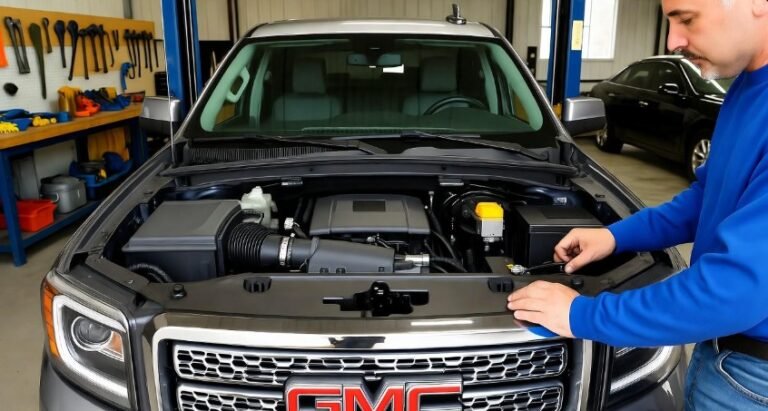
You don’t need to spend thousands on repairs, but addressing small problems can increase your car’s value and appeal. Replace burnt-out bulbs, fix cracked windshields (if minor), and top off fluids. If your tires are worn or uneven, consider replacing them—safety is a top concern for buyers.
Even something as simple as replacing worn wiper blades or fixing a sticky door handle shows that you’ve cared for the vehicle. These small touches can set your car apart from others on the market.
Gather Maintenance Records
Buyers love transparency. Having a complete service history—oil changes, brake jobs, tire rotations—builds trust and proves your car has been well-maintained. If you don’t have physical records, check with your mechanic or use apps like Carfax or MyCarfax to access digital logs.
Include receipts for major repairs or upgrades, like a new transmission or suspension work. These documents can justify a higher price and reassure buyers that the car is reliable.
Get a Pre-Sale Inspection
Consider getting a pre-sale inspection from a trusted mechanic. This isn’t required, but it can help you identify hidden issues before listing the car. Fixing problems ahead of time prevents surprises during test drives and builds buyer confidence.
Some sellers even include the inspection report in their listing to show the car is in good shape. It’s a small investment that can pay off in faster sales and better offers.
Step 2: Determine the Right Price
Pricing your car correctly is one of the most important steps in the selling process. Overprice it, and it may sit on the market for months. Underprice it, and you lose money. The goal is to find the sweet spot where your car is competitive but still reflects its true value.
Research Local Market Prices
Start by checking what similar cars are selling for in your area. Use trusted pricing tools like Kelley Blue Book (KBB), Edmunds, and NADA Guides. Enter your car’s make, model, year, mileage, trim level, and condition to get a suggested retail and private party value.
But don’t stop there. Look at actual listings on platforms like Craigslist, Facebook Marketplace, Autotrader, and Cars.com. Filter by your city or ZIP code to see what buyers are paying in Arizona. Pay attention to how long cars stay listed—if similar models are selling quickly, you might be able to ask a bit more.
Adjust for Condition and Features
Your car’s condition, mileage, and features will affect its value. A well-maintained vehicle with low mileage and popular options (like a sunroof, backup camera, or premium sound system) can command a higher price.
Be honest about your car’s condition. If it has cosmetic flaws, high mileage, or needs repairs, adjust your price accordingly. Buyers will notice, and overpricing can lead to lowball offers or no interest at all.
Consider Timing and Demand
The time of year can impact how quickly your car sells and for how much. In Arizona, convertibles and sports cars may sell faster in spring and summer, while SUVs and trucks are in higher demand during fall and winter.
Also, consider local events. If there’s a major festival, concert, or sports event in your area, more people may be out shopping for cars. Timing your listing to coincide with high traffic can increase visibility and offers.
Set a Competitive Asking Price
Once you’ve done your research, set a price that’s fair but leaves room for negotiation. Most buyers expect to haggle, so pricing slightly above your target can give you flexibility.
For example, if your research shows similar cars selling for $15,000, you might list yours at $15,500. This gives you room to negotiate down to $15,000 while still getting a good deal.
Avoid pricing too high just because you “need” a certain amount. Buyers can spot overpriced cars quickly, and they’ll move on to more reasonable options.
Step 3: Gather Required Paperwork
Selling a car in Arizona involves more than just handing over the keys. You’ll need to complete several legal documents to transfer ownership properly and protect yourself from liability.
Title Transfer
The most important document is the vehicle title. In Arizona, the seller must sign the title over to the buyer. Make sure the buyer’s name, address, and the sale price are filled out correctly. Never leave any fields blank—use “N/A” if necessary.
If you’ve lost your title, you can request a duplicate from the Arizona Department of Transportation (ADOT). You’ll need to fill out Form 96-0236, provide ID, and pay a small fee. It’s best to do this before listing your car to avoid delays.
Bill of Sale
While not always required, a bill of sale is highly recommended. It serves as proof of the transaction and includes details like the sale date, price, vehicle identification number (VIN), and both parties’ information.
You can download a free Arizona bill of sale template from the ADOT website or create your own. Keep a copy for your records—it can help if there are any disputes later.
Odometer Disclosure
Federal law requires you to disclose the vehicle’s mileage at the time of sale. This is usually done on the title itself, but if your title doesn’t have a space for it, you’ll need a separate odometer disclosure statement.
Be honest about the mileage. Tampering with odometer readings is a serious crime and can lead to fines or legal action.
Emissions Compliance (If Required)
In Arizona, most vehicles over five years old must pass an emissions test before they can be registered. However, this requirement varies by county.
In Maricopa County (which includes Phoenix), Pima County (Tucson), and parts of Pinal County, emissions testing is mandatory for gasoline-powered vehicles. Diesel vehicles and hybrids may have different rules.
If your car is in one of these areas, you’ll need a valid emissions certificate to sell it. You can get tested at an authorized station. If your car fails, you’ll need to make repairs before selling.
In other counties, emissions testing is not required. Check the ADOT website or call your local MVD office to confirm the rules in your area.
Release of Liability
After the sale, you must notify ADOT that you’re no longer responsible for the vehicle. This is called a release of liability. You can submit it online through the ADOT portal or by mailing Form 40-1005.
This step is crucial—it protects you from tickets, tolls, or accidents that occur after the sale. Without it, you could still be held liable.
Step 4: Advertise Your Car Effectively
Now that your car is ready and your paperwork is in order, it’s time to find a buyer. The way you advertise can make or break your sale.
Choose the Right Platforms
There are many places to list your car, but not all are created equal. Popular options in Arizona include:
– **Craigslist:** Great for local buyers, but be cautious of scams.
– **Facebook Marketplace:** Easy to use and widely trusted; you can share with local groups.
– **Autotrader and Cars.com:** Ideal for serious buyers; may attract higher offers.
– **OfferUp and Letgo:** Mobile-friendly apps with local reach.
Consider listing on multiple platforms to maximize exposure. But avoid paid listings unless you’re confident they’ll pay off—many free options work just as well.
Write a Clear, Honest Description
Your listing should be detailed but easy to read. Include:
– Year, make, model, and trim
– Mileage and condition
– Key features (e.g., sunroof, navigation, leather seats)
– Recent repairs or maintenance
– Reason for selling
Be honest about any flaws. Saying “minor paint scratches on rear bumper” is better than hiding them. Buyers appreciate transparency, and it reduces the chance of disputes later.
Take High-Quality Photos
Photos are the first thing buyers see. Take pictures in good lighting—early morning or late afternoon works best. Capture:
– Exterior shots from multiple angles
– Interior photos (dashboard, seats, trunk)
– Close-ups of tires, engine, and any damage
– Undercarriage (if clean)
Avoid filters or editing that misrepresents the car. A clean, well-lit photo of a slightly worn car is better than a filtered image of a dirty one.
Respond Promptly to Inquiries
When buyers reach out, reply quickly and professionally. Answer questions honestly and offer to schedule a test drive. If you’re not available, let them know when you can meet.
Avoid sharing personal information like your home address or phone number in public messages. Use the platform’s messaging system until you’re ready to meet.
Step 5: Handle Test Drives and Negotiations Safely
Once you have interested buyers, it’s time to let them test drive the car. This is where many sellers make mistakes—either by being too cautious or not cautious enough.
Meet in a Safe, Public Location
Always meet in a well-lit, public place like a police station parking lot, shopping center, or busy gas station. Avoid meeting at your home or in remote areas.
Bring a friend or family member with you. Let someone know where you’re going and when you expect to return.
Verify the Buyer’s Identity
Ask to see the buyer’s driver’s license and make sure it matches the name on their message. You can also ask for a copy (but don’t keep it longer than necessary).
Avoid selling to someone who refuses to show ID or seems evasive.
Supervise the Test Drive
You or a trusted friend should accompany the buyer on the test drive. This protects your car and gives you a chance to answer questions.
Set ground rules: no speeding, no off-road driving, and stay within a reasonable area. If the buyer wants to drive alone, consider saying no—it’s safer for everyone.
Be Ready to Negotiate
Most buyers will try to negotiate. Be prepared with your lowest acceptable price and stick to it. If the offer is too low, politely decline and explain why your price is fair.
You can also offer incentives like including a full tank of gas, new floor mats, or a recent oil change to sweeten the deal without lowering the price.
Avoid Common Scams
Watch out for red flags like:
– Buyers who want to pay with a personal check or wire transfer
– Requests to ship the car or meet in another state
– Overpayment scams (where the buyer sends a check for more than the price and asks for the difference back)
Always accept cash, cashier’s check, or secure payment apps like Zelle or Venmo (but verify funds before handing over the car).
Step 6: Finalize the Sale and Transfer Ownership
Once you’ve agreed on a price, it’s time to complete the sale. This is the most critical step—get it wrong, and you could face legal or financial trouble.
Complete the Title and Bill of Sale
Have the buyer sign the title and bill of sale in front of you. Make sure all information is accurate and legible.
If the buyer is financing the car, they may need to sign the title in a specific way. Check with their lender if needed.
Collect Payment Securely
Accept payment in a safe form. Cash is the safest option. If using a cashier’s check, verify it at the bank before handing over the car.
Never release the car until payment is confirmed. Scammers have been known to use fake checks that clear initially but bounce later.
Hand Over the Keys and Documents
Give the buyer the keys, owner’s manual, spare keys, and any service records. Make sure they understand how to operate key features.
Remove your license plates—Arizona requires sellers to keep their plates. The buyer will need to register the car with new plates.
Submit the Release of Liability
Within 5 days of the sale, submit your release of liability to ADOT. This protects you from future liability.
You can do this online at the ADOT website or by mail. Keep your confirmation for your records.
Cancel Your Insurance
Once the car is sold, contact your insurance company to cancel or transfer coverage. Don’t wait—driving an uninsured vehicle, even for a short time, can lead to fines.
If you’re buying a new car, you can often transfer your policy or add the new vehicle before canceling the old one.
Alternative Selling Options in Arizona
If the private sale process feels too time-consuming, consider these alternatives:
Trade-In at a Dealership
Trading in your car at a dealership is convenient. You can apply the value toward a new purchase and avoid the hassle of advertising and meeting buyers.
However, trade-in values are usually lower than private sale prices. Dealers need to make a profit when they resell the car.
Get quotes from multiple dealerships to compare offers. Use your research from Step 2 to negotiate a fair deal.
Sell to an Online Buyer
Companies like CarMax, Carvana, and Vroom offer instant cash for your car. You can get an online quote, schedule an inspection, and receive payment quickly.
These services are safe and convenient, but like trade-ins, they may offer less than a private sale. Still, the speed and ease can be worth it if you’re in a hurry.
Consignment Services
Some dealerships and specialty shops offer consignment services. They sell your car for you and take a commission.
This can be a good option if you don’t have time to manage the sale yourself. Just make sure to read the contract carefully and understand the fees.
Final Thoughts: Selling Your Car in Arizona Made Simple
Selling your car in Arizona doesn’t have to be a headache. With the right preparation, pricing, and paperwork, you can complete the process smoothly and legally. Whether you choose to sell privately or use a dealership, the key is to stay informed and protect yourself every step of the way.
Remember: clean your car, price it fairly, gather all required documents, advertise honestly, meet buyers safely, and finalize the sale properly. By following these steps, you’ll not only get a great deal but also avoid common pitfalls and scams.
And don’t forget the Arizona-specific rules—like emissions testing in certain counties and the importance of submitting a release of liability. These small details can make a big difference in how smoothly your sale goes.
So take a deep breath, follow this guide, and get ready to sell your car with confidence. The right buyer is out there—and with a little effort, you’ll find them.
Frequently Asked Questions
Do I need a smog check to sell my car in Arizona?
In most Arizona counties, vehicles over five years old do not require emissions testing. However, Maricopa, Pima, and parts of Pinal County require a valid emissions certificate for gasoline-powered vehicles. Check with your local MVD office to confirm requirements in your area.
Can I sell my car without a title in Arizona?
No, you must have a signed title to legally sell your car in Arizona. If you’ve lost your title, request a duplicate from ADOT using Form 96-0236. It’s best to do this before listing your vehicle to avoid delays.
How long do I have to report the sale to ADOT?
You must submit a release of liability to ADOT within 5 days of the sale. This protects you from future liability for tickets, accidents, or tolls. You can do this online or by mail.
Should I keep my license plates when selling my car?
Yes, Arizona requires sellers to keep their license plates. The buyer will need to register the vehicle and get new plates. Do not leave your plates on the car.
What’s the best way to get paid when selling a car privately?
Cash is the safest and most reliable payment method. If using a cashier’s check, verify it at the bank before handing over the car. Avoid personal checks, wire transfers, or overpayment scams.
Can I sell my car if it doesn’t pass emissions in Arizona?
If your car is in a county that requires emissions testing and it fails, you must repair it before selling. Buyers will not be able to register the vehicle without a valid emissions certificate. In non-testing counties, emissions compliance is not required for sale.