How to Sell My Wrecked Car
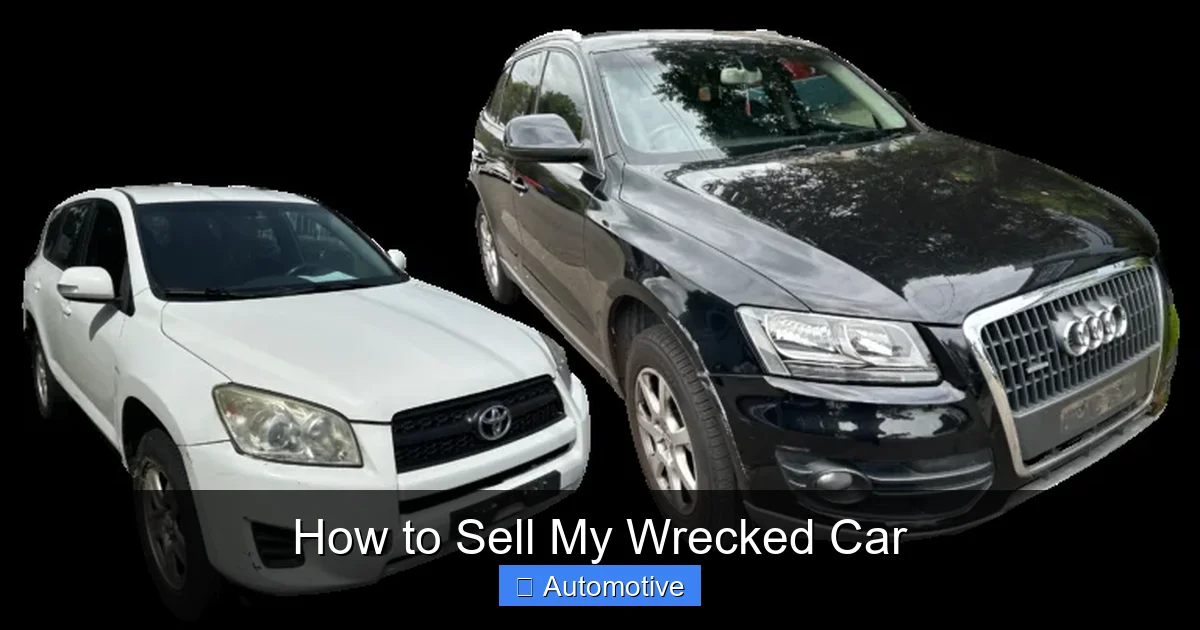
Selling a wrecked car doesn’t have to be stressful or confusing. With the right approach, you can turn a damaged vehicle into quick cash—even if it doesn’t run. This guide walks you through every step, from assessing your car’s value to choosing the best buyer and handling paperwork smoothly.
So, you’ve got a wrecked car sitting in your driveway—maybe it was in an accident, flooded, or just stopped running one day and never started again. You’re thinking, “How do I sell my wrecked car?” and honestly, that’s a smart move. Even if it looks like a lost cause, that vehicle still has value. Whether it’s scrap metal, usable parts, or even a project for a DIY enthusiast, there’s someone out there willing to pay for it.
The good news? Selling a wrecked car is easier than most people think—especially if you know where to look and what steps to follow. You don’t need to be a mechanic or a sales expert. All you need is a clear plan, a bit of patience, and the right information. In this guide, we’ll walk you through everything from evaluating your car’s condition to handing over the keys (or towing it away) with cash in your pocket.
Let’s be real: no one wants to deal with a broken-down car. It takes up space, becomes an eyesore, and can even lower your property’s curb appeal. But instead of letting it rot, why not turn it into something useful—like extra money for your next vehicle, home repairs, or even a vacation? The key is knowing how to navigate the process without getting ripped off or stuck in red tape.
In This Article
- 1 Key Takeaways
- 2 📑 Table of Contents
- 3 Step 1: Evaluate Your Wrecked Car’s Condition
- 4 Step 2: Understand Your Selling Options
- 5 Step 3: Get Multiple Quotes and Compare Offers
- 6 Step 4: Handle the Paperwork Correctly
- 7 Step 5: Prepare the Car for Pickup or Sale
- 8 Step 6: Choose the Right Time and Method to Sell
- 9 Final Tips for a Smooth Sale
- 10 Frequently Asked Questions
- 10.1 Can I sell my wrecked car if it doesn’t run?
- 10.2 Do I need a title to sell a wrecked car?
- 10.3 How much can I expect to get for my wrecked car?
- 10.4 Will a junkyard tow my car for free?
- 10.5 Can I sell my wrecked car if it has a salvage title?
- 10.6 Is it better to sell the whole car or part it out?
Key Takeaways
- Assess the damage honestly: Determine whether your car is repairable or truly totaled to set realistic expectations and pricing.
- Know your options: You can sell to junkyards, online car buyers, private buyers, or scrap metal dealers—each with pros and cons.
- Get multiple quotes: Comparing offers from at least three buyers ensures you get fair market value for your wrecked vehicle.
- Handle title and paperwork correctly: A clean title is usually required; if lost, contact your DMV immediately to avoid delays.
- Remove personal items and license plates: Always clear out belongings and return plates to avoid liability or fines.
- Consider selling parts separately: Functional components like tires, battery, or electronics may fetch more than the whole car.
- Act quickly: The longer you wait, the more weather and vandalism can reduce your car’s value.
📑 Table of Contents
Step 1: Evaluate Your Wrecked Car’s Condition
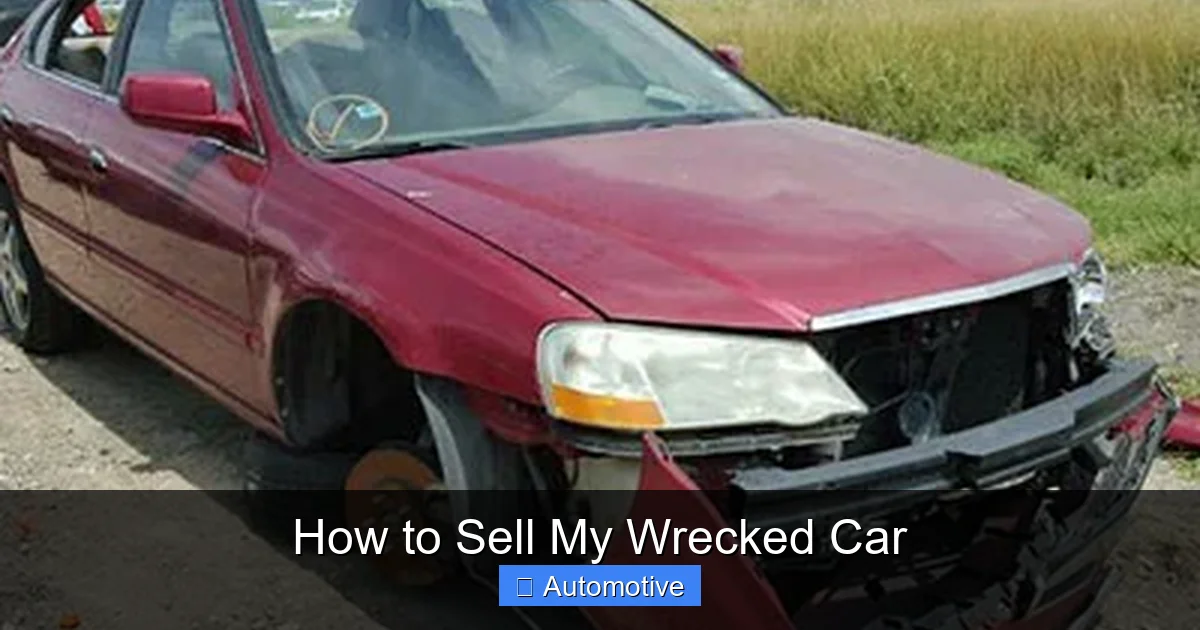
Before you even think about listing or calling buyers, you need to understand what you’re working with. Not all wrecked cars are created equal. Some are lightly damaged and could be fixed with a few thousand dollars. Others are completely totaled—meaning the cost to repair exceeds the car’s value. Knowing where your vehicle falls on this spectrum will help you decide how to sell it and what price to expect.
Determine If Your Car Is Repairable or Totaled
Start by asking yourself: “Could this car be driven again with reasonable repairs?” If the answer is yes, you might have more options—including selling it to a private buyer who wants a project car. But if the frame is bent, the engine is destroyed, or there’s major flood damage, it’s likely totaled.
Insurance companies usually declare a car “totaled” when repair costs exceed 70–80% of its actual cash value. But even if your insurer hasn’t made that call, you can estimate it yourself. Use free online tools like Kelley Blue Book (KBB) or Edmunds to check your car’s pre-accident value. Then, get a repair estimate from a trusted mechanic or body shop. If repairs cost more than the car is worth, it’s probably not worth fixing—but it’s still worth selling.
Check for Salvageable Parts
Even if the car isn’t drivable, many parts may still be in good shape. Tires, wheels, battery, alternator, catalytic converter, headlights, and even the stereo system can be valuable. For example, a used catalytic converter can sell for $100–$300 depending on the model. A good set of alloy wheels might fetch $200–$500. If you’re handy, you could remove these parts yourself and sell them separately on platforms like eBay, Facebook Marketplace, or Craigslist.
But be careful: removing parts can complicate the sale if you’re planning to sell the whole car later. Some buyers want the vehicle intact, and taking pieces out might lower the overall offer. Weigh the time and effort against potential profit. If you only have one or two valuable parts, it might not be worth the hassle. But if several components are in demand, parting it out could double or triple your return.
Document the Damage
Take clear photos from multiple angles—front, back, sides, interior, under the hood, and close-ups of major damage. This isn’t just for your records; it’s essential when getting quotes from buyers. The more detail you provide, the more accurate their offers will be. Plus, if you’re selling privately, good photos build trust with potential buyers.
Also, gather any repair records, maintenance history, or accident reports. Even if the car is wrecked, showing that it was well-maintained before the damage can increase its value. For instance, a 2015 Honda Civic with a blown engine but a full service history might be more appealing to a mechanic or parts buyer than one with unknown maintenance.
Step 2: Understand Your Selling Options
Visual guide about How to Sell My Wrecked Car
Image source: copartdirect.com
Once you know what you’ve got, it’s time to explore your selling avenues. There’s no one-size-fits-all solution—your best option depends on your car’s condition, your timeline, and how much effort you’re willing to put in.
Sell to a Junkyard or Scrap Yard
This is one of the fastest and easiest ways to sell a wrecked car. Junkyards buy vehicles for their metal content and usable parts. They typically pay based on weight, so heavier cars (like trucks or SUVs) may bring in more cash. Most will tow your car for free, which is a huge plus if it’s not drivable.
To find local junkyards, search “junkyard near me” or “cash for cars” online. Call a few and ask for quotes. Be ready to provide the make, model, year, and condition. Some yards specialize in certain brands or types of vehicles, so it pays to shop around.
Pro tip: Ask if they pay in cash or check. Cash is ideal, but some businesses only issue checks for liability reasons. Also, confirm that they’ll handle the towing—don’t assume it’s included.
Use an Online Car Buying Service
Companies like CarMax, Carvana, Vroom, and CashForCars.com will buy wrecked vehicles—even if they don’t run. These services are convenient because you can get an instant online quote, schedule a pickup, and often receive payment the same day.
The downside? Their offers tend to be lower than what you might get from a private sale or parting it out. They factor in their own resale or recycling costs, so they’re not paying top dollar. But if speed and convenience matter more than maximizing profit, this is a solid choice.
To use these services, visit their website, enter your car’s details, upload photos, and answer questions about the damage. Within minutes, you’ll get an estimate. If you accept, they’ll arrange pickup—usually within 24–48 hours.
Sell Privately to a Buyer or Mechanic
If your car has some life left in it—or valuable parts—a private sale might yield the highest return. Platforms like Facebook Marketplace, Craigslist, and OfferUp let you list your vehicle for free or low cost. You can target mechanics, car enthusiasts, or DIYers who want a project car.
When listing, be honest about the damage. Use phrases like “non-running,” “salvage title,” or “parts only” to set clear expectations. Include all the photos and details you gathered earlier. Price it competitively—check similar listings in your area to see what others are asking.
Private sales take more time and effort. You’ll need to respond to messages, meet potential buyers, and possibly negotiate. But if you’re patient, you could walk away with significantly more cash than a junkyard would offer.
Sell to a Salvage Auction
Salvage auctions are online marketplaces where insurers, rebuilders, and recyclers bid on damaged vehicles. Companies like Copart and IAA (Insurance Auto Auctions) dominate this space. These auctions are great for cars with salvage titles or those declared totaled by insurance.
To sell through a salvage auction, you’ll usually need to create an account, upload documentation, and pay a small listing fee (often $25–$50). The auction runs for a set period, and the highest bidder wins. Payment and towing are handled through the platform.
The benefit? You’re reaching a national audience of buyers who specialize in wrecked cars. The downside? It can take 7–14 days to complete the sale, and fees eat into your profit.
Contact Local Mechanics or Wrecking Yards
Sometimes, the best buyer is right around the corner. Local mechanics often buy wrecked cars for parts or to rebuild and resell. Wrecking yards (also called auto recyclers) specialize in dismantling vehicles and selling used parts.
Call around and ask if they buy damaged cars. Some may only take certain models or years, but it’s worth asking. They might offer a better price than a national chain because they know the local market.
Step 3: Get Multiple Quotes and Compare Offers
Visual guide about How to Sell My Wrecked Car
Image source: cash4clunkers.org
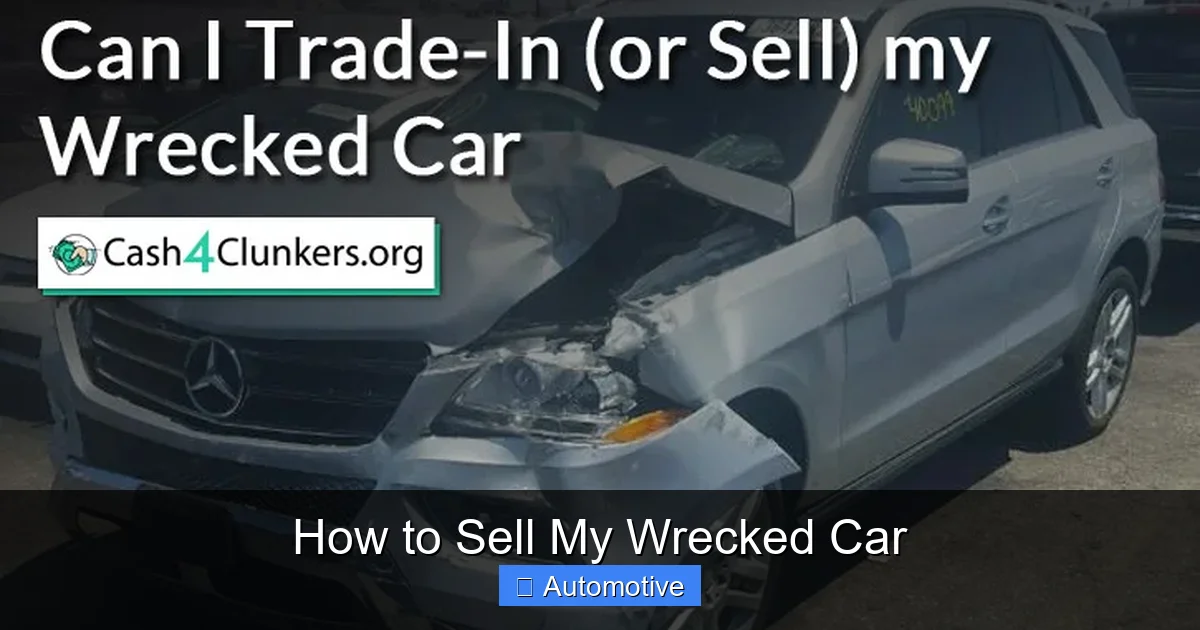
Never accept the first offer you get. Just like buying a car, selling one requires shopping around. Different buyers value wrecked vehicles differently based on their business model, location, and current demand for parts or metal.
Call at Least Three Buyers
Reach out to three junkyards, online buyers, or salvage auctions. Provide the same information to each: make, model, year, mileage, condition, and location. Ask for a firm quote—not just an estimate.
For example, let’s say you have a 2010 Ford F-150 that was rear-ended and won’t start. Junkyard A offers $400, Junkyard B offers $550, and an online buyer offers $480 with free towing. Now you have a range and can negotiate from a position of strength.
Ask About Hidden Fees
Some buyers advertise “free towing” but deduct the cost from your payment. Others charge fees for paperwork processing or environmental disposal. Always ask: “Is this the final amount I’ll receive?” or “Are there any deductions?”
Also, confirm how and when you’ll be paid. Cash on pickup is best. If they’re mailing a check, ask how long it will take and if there’s a tracking option.
Negotiate When Possible
Don’t be afraid to negotiate—especially with private buyers or local yards. If one offers $500 and another offers $600, you can use the higher offer as leverage. Say something like, “I have another buyer offering $600. Can you match that?”
Most buyers expect some haggling, so they often start low. A little politeness and persistence can go a long way.
Step 4: Handle the Paperwork Correctly
Visual guide about How to Sell My Wrecked Car
Image source: melbournevipcashforcars.com.au
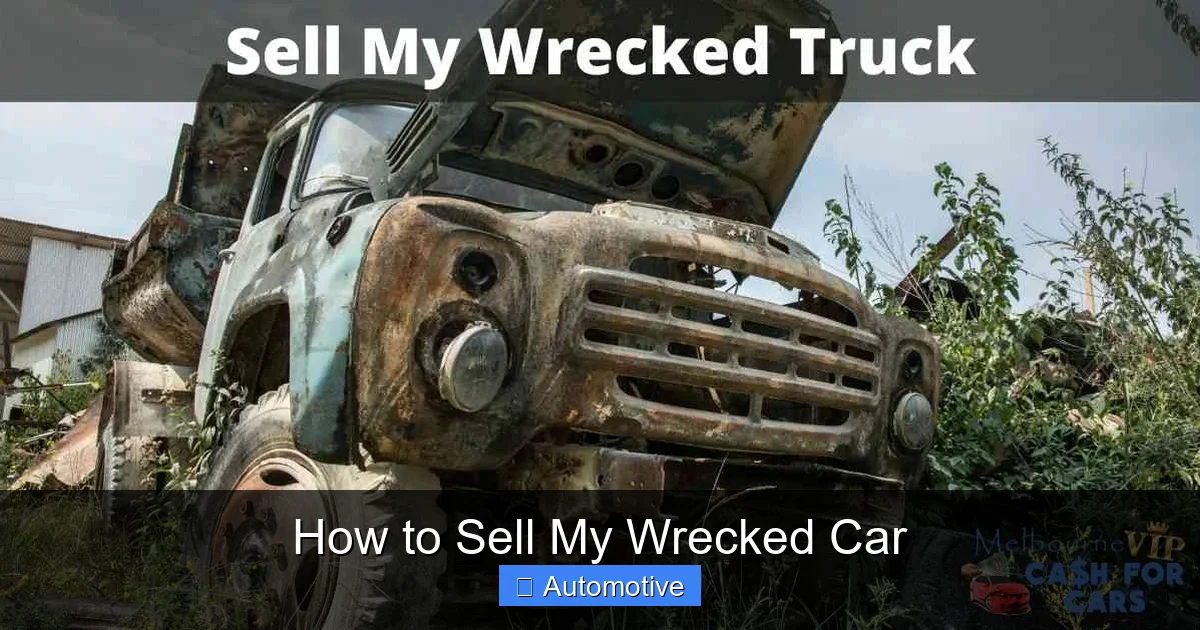
Selling a wrecked car isn’t just about handing over the keys—it’s about transferring legal ownership. Mess this up, and you could be liable for tickets, tolls, or even accidents involving your old car.
Transfer the Title
In most states, you must sign over the title to the buyer. Make sure the buyer’s name and address are correct, and fill out the odometer reading if required. Some states also require a notarized signature or a bill of sale.
If your car has a salvage title, the process is the same—but the buyer should know what that means. A salvage title indicates the car was declared totaled and may have significant damage. It can affect insurance and resale value.
What If You Don’t Have the Title?
Lost your title? Don’t panic. Contact your state’s Department of Motor Vehicles (DMV) to request a duplicate. There’s usually a small fee ($10–$25) and a processing time of 1–2 weeks. Some DMVs let you apply online.
If the car was financed, the lender may hold the title. In that case, you’ll need to pay off the loan first or get permission from the lender to sell.
Cancel Your Insurance and Registration
Once the sale is complete, call your insurance company to cancel or transfer coverage. You don’t want to keep paying for a car you no longer own. Also, return your license plates to the DMV if required in your state. In some places, you can keep them for your next vehicle.
Provide a Bill of Sale
Even if not required, a bill of sale protects both you and the buyer. It should include:
– Date of sale
– Vehicle identification number (VIN)
– Make, model, and year
– Sale price
– Names and addresses of both parties
– Signatures
You can find free templates online or use your DMV’s form.
Step 5: Prepare the Car for Pickup or Sale
Before the buyer arrives, do a few final checks to avoid complications.
Remove Personal Belongings
Check the glove box, trunk, under seats, and center console. It’s easy to forget old receipts, sunglasses, or garage door openers. Once the car is gone, you can’t get them back.
Drain Fluids (If Required)
Some junkyards require you to drain gasoline, oil, and other fluids before pickup. Check with the buyer first. If they handle it, great. If not, you may need to do it yourself or hire a service.
Disconnect the Battery
This prevents electrical issues and makes the car safer to tow. Use gloves and eye protection, and follow proper battery removal steps.
Leave the Keys (or Not)
If the car doesn’t run, the buyer may not need the keys. But if it’s drivable or has an alarm system, leave them in a secure spot or hand them over directly.
Step 6: Choose the Right Time and Method to Sell
Timing and method matter more than you might think.
Sell Sooner Rather Than Later
The longer a wrecked car sits, the more it deteriorates. Rain, snow, and sun can damage interiors and electronics. Vandalism and theft are also risks. Aim to sell within 2–4 weeks of the accident or decision to sell.
Consider Seasonal Demand
Certain times of year are better for selling cars. Spring and summer see higher demand for project cars and parts. Winter may favor buyers looking for cheap transportation or parts for repairs.
Use Social Media and Local Groups
Post your listing in local Facebook groups, Nextdoor, or car enthusiast forums. Word of mouth can lead to quick sales—especially if someone knows a mechanic or hobbyist looking for a specific model.
Final Tips for a Smooth Sale
– Be honest about the damage—buyers appreciate transparency.
– Keep communication professional and timely.
– Never accept payment in cash unless you’re present and verified.
– Get everything in writing, especially if selling privately.
– Trust your gut—if a buyer seems shady, walk away.
Selling your wrecked car might feel overwhelming at first, but with this guide, you’re equipped to handle it like a pro. Whether you choose a junkyard, online buyer, or private sale, the key is preparation and patience. That old car may be wrecked, but it’s not worthless—and now you know exactly how to turn it into cash.
Frequently Asked Questions
Can I sell my wrecked car if it doesn’t run?
Yes, absolutely. Many buyers—including junkyards, scrap yards, and online car buyers—purchase non-running vehicles. They value the car for its metal, parts, or potential for rebuilding.
Do I need a title to sell a wrecked car?
In most states, yes. A valid title is required to legally transfer ownership. If you’ve lost it, contact your local DMV to request a duplicate before selling.
How much can I expect to get for my wrecked car?
Prices vary widely based on make, model, year, damage, and location. On average, expect $100–$1,000 for a non-running car, with higher payouts for trucks, SUVs, or vehicles with valuable parts.
Will a junkyard tow my car for free?
Most reputable junkyards offer free towing as part of the sale. Always confirm this before agreeing to a deal to avoid surprise fees.
Can I sell my wrecked car if it has a salvage title?
Yes. Many buyers specifically look for salvage-title vehicles to rebuild or use for parts. Just be transparent about the title status in your listing.
Is it better to sell the whole car or part it out?
It depends. Parting out can yield more money if several components are valuable, but it takes time and effort. Selling the whole car is faster and easier, especially if the damage is extensive.