How to Sell Car in Maryland
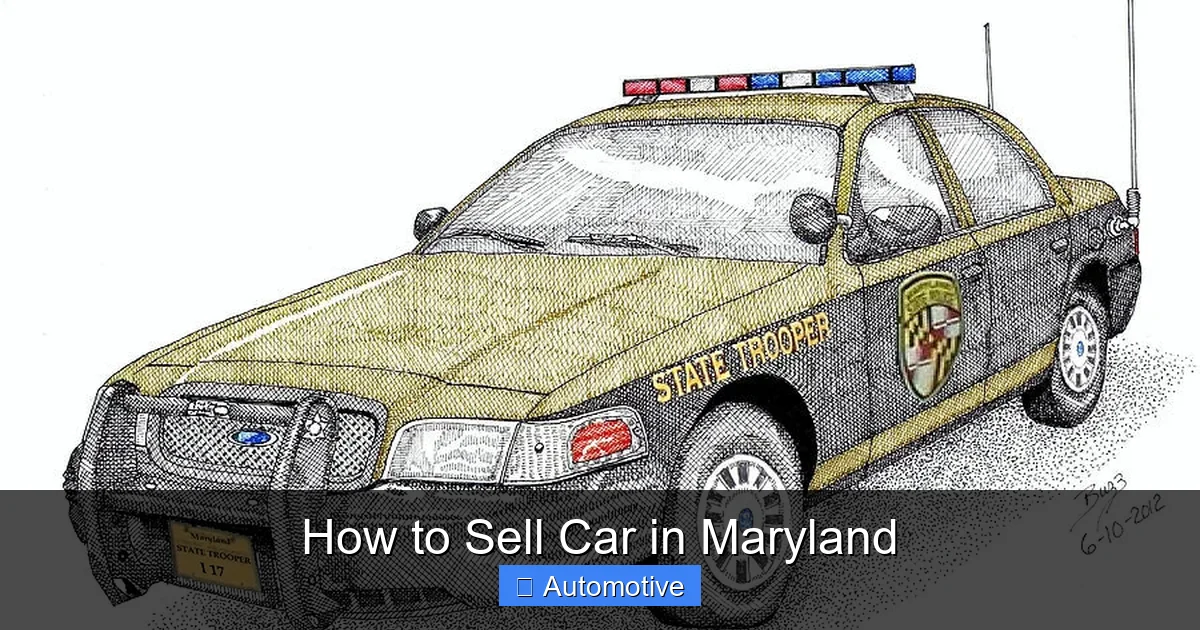
Selling a car in Maryland doesn’t have to be stressful. With the right preparation, paperwork, and pricing strategy, you can complete the process smoothly and legally—whether you’re trading in, selling privately, or using an online buyer.
So, you’ve decided it’s time to part ways with your car. Maybe you’re upgrading to something newer, downsizing, or just ready for a change. Whatever the reason, selling a car in Maryland can feel overwhelming—especially if you’ve never done it before. But here’s the good news: with a little planning and the right steps, you can sell your car quickly, legally, and for a fair price.
Maryland has specific rules and requirements when it comes to transferring vehicle ownership, and skipping even one step could lead to headaches down the road—like being held responsible for parking tickets or accidents after you’ve sold the car. That’s why it’s crucial to follow the process carefully. Whether you’re selling to a private buyer, trading in at a dealership, or using an online car-buying service, the basics remain the same: prepare your car, price it correctly, handle the paperwork, and protect yourself legally.
In this guide, we’ll walk you through every step of how to sell a car in Maryland—from cleaning your vehicle to signing over the title and notifying the state. We’ll cover private sales, trade-ins, and instant cash offers, plus share practical tips to help you avoid common pitfalls. By the end, you’ll feel confident and ready to sell your car the smart way.
In This Article
- 1 Key Takeaways
- 2 📑 Table of Contents
- 3 Step 1: Prepare Your Vehicle for Sale
- 4 Step 2: Determine the Right Price
- 5 Step 3: Gather Required Paperwork
- 6 Step 4: Choose How to Sell Your Car
- 7 Step 5: Advertise and Show Your Car
- 8 Step 6: Complete the Sale and Transfer Ownership
- 9 Final Tips for a Smooth Sale
- 10 Frequently Asked Questions
- 10.1 Do I need a safety inspection to sell my car in Maryland?
- 10.2 Can I sell my car if I still owe money on it?
- 10.3 What happens if I don’t submit the Notice of Sale?
- 10.4 Can I sell my car without a title in Maryland?
- 10.5 Is an emissions test required for all cars in Maryland?
- 10.6 How long does it take to sell a car in Maryland?
Key Takeaways
- Prepare your vehicle: Clean it, fix minor issues, and gather maintenance records to boost value and buyer confidence.
- Price it right: Use tools like Kelley Blue Book or Edmunds to research fair market value based on year, mileage, and condition.
- Complete required paperwork: You’ll need a signed title, bill of sale, odometer disclosure, and emissions certificate (if applicable).
- Advertise effectively: Use high-quality photos, honest descriptions, and popular platforms like Facebook Marketplace or Craigslist.
- Handle payment safely: Accept cash, cashier’s checks, or bank transfers—avoid personal checks or wire transfers from strangers.
- Notify the MVA: Submit a Notice of Sale form within 30 days to avoid liability after the sale.
- Consider trade-ins or instant offers: Dealerships and online buyers like CarMax or Carvana can simplify the process, though they may pay less.
📑 Table of Contents
Step 1: Prepare Your Vehicle for Sale
Before you even think about listing your car, take time to get it ready. First impressions matter—especially when selling a used car. A clean, well-maintained vehicle not only looks more appealing but also suggests to buyers that it’s been cared for.
Clean Inside and Out
Start with a thorough wash and wax. Dirt, grime, and water spots can make even a good car look neglected. Don’t forget the wheels and tires—a quick scrub can make a big difference. Inside, vacuum the carpets, wipe down surfaces, and remove any trash or personal items. Consider using an odor eliminator if there are lingering smells from pets, smoke, or food.
If your car has minor cosmetic issues—like small dents, scratches, or a cracked windshield—consider getting them fixed. You don’t need to go overboard, but addressing obvious flaws can increase your car’s value and make it easier to sell. For example, a $100 paint touch-up might help you get $500 more on the sale price.
Gather Maintenance Records
Buyers love seeing proof that a car has been well-maintained. Collect all your service records, receipts for repairs, and any warranty information. If you’ve kept up with oil changes, tire rotations, and major services, highlight that in your listing. It builds trust and shows you’ve taken care of the vehicle.
If you don’t have physical records, check with your mechanic or use apps like Carfax or AutoCheck to generate a vehicle history report. While not required, offering this to potential buyers can set you apart from others who don’t provide documentation.
Get a Pre-Sale Inspection (Optional but Smart)
Consider getting a pre-sale inspection from a trusted mechanic. This isn’t mandatory, but it can give you peace of mind and help you spot hidden issues before they scare off buyers. If the inspection reveals problems, you can either fix them or adjust your price accordingly. Some sellers even include the inspection report in their listing to show transparency.
Step 2: Determine the Right Price
Visual guide about How to Sell Car in Maryland
Image source: c8.alamy.com
Pricing your car correctly is one of the most important steps in the selling process. Overprice it, and it might sit on the market for months. Underprice it, and you leave money on the table. The goal is to find that sweet spot where your car is competitive but still reflects its true value.
Research Market Value
Start by using trusted pricing tools like Kelley Blue Book (KBB), Edmunds, or NADA Guides. Enter your car’s make, model, year, mileage, condition, and zip code to get a range of values. Pay attention to the “private party sale” price—this is what you can expect when selling directly to a buyer, rather than trading in.
For example, a 2018 Honda Accord with 60,000 miles in good condition might be valued between $16,000 and $18,000 in Maryland. But if it has high mileage, accident history, or needs repairs, that number will drop.
Check Local Listings
Don’t rely solely on online tools. Look at similar cars for sale in your area on platforms like Facebook Marketplace, Craigslist, Autotrader, or Cars.com. Note the asking prices, but also consider how long they’ve been listed. A car priced too high may have been sitting for weeks, while a competitively priced one might sell quickly.
If you see a 2018 Honda Accord listed for $17,500 but it’s been up for 45 days, that’s a red flag. It might be overpriced, or there could be hidden issues. Use this info to adjust your own pricing strategy.
Factor in Condition and Extras
Be honest about your car’s condition. If it’s in excellent shape with low mileage and recent upgrades (like new tires or a premium sound system), you can price it at the higher end of the range. But if it needs work or has cosmetic flaws, price it lower to attract buyers.
Also, consider offering extras like a full tank of gas, winter tires, or a car cover. These small perks can make your listing more appealing without costing you much.
Step 3: Gather Required Paperwork
Visual guide about How to Sell Car in Maryland
Image source: mva.maryland.gov
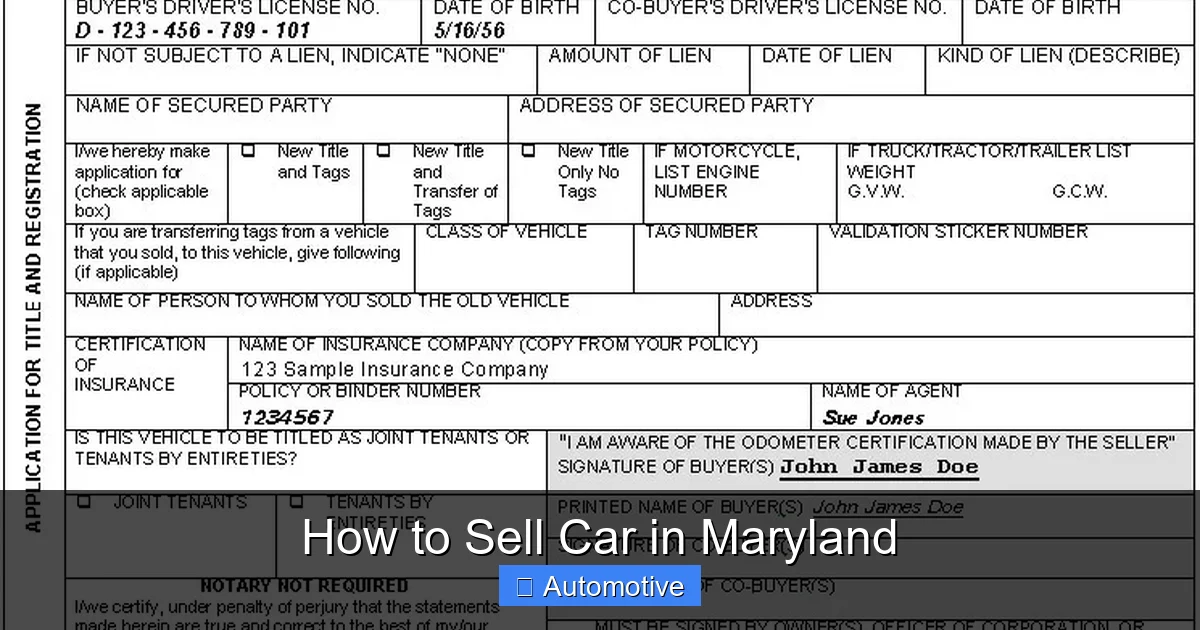
Selling a car in Maryland isn’t just about finding a buyer—it’s also about completing the legal transfer of ownership. Missing or incorrect paperwork can delay the sale or even lead to legal trouble. Here’s what you’ll need.
Vehicle Title
The title is the most important document. It proves you own the car and allows you to transfer ownership. Make sure the title is signed correctly by all owners listed. If you’re married and both names are on the title, both must sign.
If you’ve lost the title, you’ll need to apply for a duplicate from the Maryland Motor Vehicle Administration (MVA). You can do this online, by mail, or in person. There’s a small fee, usually around $20.
Bill of Sale
While not always required, a bill of sale is highly recommended. It documents the sale details, including the buyer’s and seller’s names, addresses, vehicle information, sale price, and date. You can find free templates online or use the MVA’s official form.
Having a bill of sale protects both parties. It shows the buyer paid for the car, and it helps you prove the sale if the buyer doesn’t register the vehicle promptly.
Odometer Disclosure
Federal law requires you to disclose the vehicle’s mileage at the time of sale. This is usually done on the title itself, but if there’s no space, you’ll need a separate odometer disclosure form. Be honest—lying about mileage is illegal and can result in fines.
Emissions Inspection Certificate
In Maryland, most vehicles must pass an emissions test before they can be registered. If your car is more than two years old and registered in certain counties (like Baltimore, Montgomery, or Prince George’s), you’ll need a valid emissions certificate to sell it.
The test is good for 90 days, so make sure it’s current when you list the car. If it’s expired, get it tested before showing the vehicle to buyers. You can find testing locations on the MVA website.
Release of Liability (Notice of Sale)
After the sale, you must notify the MVA that you’ve transferred ownership. This is done by submitting a Notice of Sale form within 30 days. You can do this online, by mail, or in person.
This step is critical—it releases you from liability for anything that happens to the car after the sale, like traffic violations or accidents. Without it, you could still be held responsible.
Step 4: Choose How to Sell Your Car
Now that your car is ready and your paperwork is in order, it’s time to decide how to sell it. You have several options, each with pros and cons.
Private Sale
Selling directly to a private buyer usually gets you the highest price. You avoid dealer markups and can negotiate directly with the buyer. Platforms like Facebook Marketplace, Craigslist, and OfferUp are popular for private sales.
However, private sales take more time and effort. You’ll need to create a listing, respond to inquiries, schedule test drives, and handle the paperwork yourself. There’s also a risk of scams or unsafe meetings, so always meet in public places and bring a friend.
Trade-In at a Dealership
Trading in your car at a dealership is the easiest option. You can apply the value of your old car toward the purchase of a new one, and the dealer handles all the paperwork.
The downside? You’ll likely get less money than a private sale. Dealers need to make a profit, so they offer lower trade-in values. But if convenience is your priority, this might be the way to go.
Sell to an Online Car Buyer
Companies like CarMax, Carvana, Vroom, and Shift offer instant cash offers for your car. You enter your vehicle details online, get a quote, and schedule a pickup or drop-off. If you accept, they pay you quickly—often within 24 hours.
These services are fast and hassle-free, but the offers are usually lower than private sale prices. Still, they’re a great option if you need to sell quickly or don’t want to deal with strangers.
Sell at Auction
If your car is rare, classic, or in high demand, selling at auction might get you a good price. Online platforms like eBay Motors or local auction houses can connect you with serious buyers.
But auctions often charge fees, and there’s no guarantee your car will sell. It’s best for unique vehicles or those in excellent condition.
Step 5: Advertise and Show Your Car
Once you’ve chosen your selling method, it’s time to get the word out. A great listing can make all the difference.
Write a Clear, Honest Description
Your listing should include key details: make, model, year, mileage, condition, features, and reason for selling. Be honest about any flaws—buyers appreciate transparency.
For example: “2018 Toyota Camry LE, 58,000 miles, excellent condition, one owner, no accidents, regular maintenance, new tires, Bluetooth, backup camera. Selling because I’m upgrading.”
Avoid vague terms like “runs great” or “mechanic special” unless it’s accurate. Specifics build trust.
Take High-Quality Photos
Photos are the first thing buyers see. Take pictures in good lighting, from multiple angles—front, back, sides, interior, engine, and trunk. Clean the car first, and remove personal items.
Include close-ups of any damage or wear. This shows you’re not hiding anything and can prevent disputes later.
Set a Fair Price and Be Open to Offers
Price your car competitively, but leave a little room for negotiation. Most buyers will try to haggle, so be prepared.
If someone offers less than your asking price, consider it—especially if the offer is close. Remember, a quick sale is often worth a small discount.
Schedule Safe Test Drives
When buyers want to test drive, meet in a public place like a mall parking lot or police station. Bring a friend, and never let the buyer drive alone.
Ask to see their driver’s license and proof of insurance. Some sellers even ride along to ensure safety.
Step 6: Complete the Sale and Transfer Ownership
Once you’ve found a buyer, it’s time to finalize the sale.
Accept Secure Payment
Cash is the safest option for private sales. If the amount is large, meet at a bank to verify the cash or use a cashier’s check.
Avoid personal checks—they can bounce. Wire transfers are risky unless you’re certain of the buyer’s identity.
For trade-ins or online buyers, payment is usually handled directly by the company.
Sign Over the Title
On the title, fill in the buyer’s name, address, sale price, and date. Sign in the designated area. If there are multiple owners, all must sign.
Make sure the buyer signs their portion as well—this completes the transfer.
Provide a Bill of Sale and Keys
Give the buyer a signed bill of sale, the car keys, and any extra keys or remotes. Include the owner’s manual and maintenance records if you have them.
Remove License Plates and Cancel Insurance
In Maryland, you keep your license plates when you sell a car. Remove them before handing over the vehicle.
Cancel your insurance as soon as the sale is complete. You can usually do this online or by calling your provider.
Submit the Notice of Sale
Within 30 days, submit the Notice of Sale form to the MVA. This protects you from future liability. You can do this online at the MVA website.
Final Tips for a Smooth Sale
– Be patient. It may take a few weeks to find the right buyer.
– Stay safe. Never share personal info like your home address or Social Security number.
– Keep copies of all paperwork for your records.
– If you’re unsure about any step, contact the MVA or a legal professional.
Selling a car in Maryland doesn’t have to be complicated. With preparation, honesty, and the right approach, you can sell your car quickly and walk away with cash in hand.
Frequently Asked Questions
Do I need a safety inspection to sell my car in Maryland?
No, a safety inspection is not required to sell a private vehicle in Maryland. However, the buyer will need one to register the car, so it’s helpful to mention if the car has passed recently.
Can I sell my car if I still owe money on it?
Yes, but you’ll need to pay off the loan first or arrange for the buyer to assume it. Most lenders require the loan to be paid in full before the title can be transferred.
What happens if I don’t submit the Notice of Sale?
If you don’t submit the Notice of Sale within 30 days, you could be held liable for traffic violations, parking tickets, or accidents involving the car after the sale.
Can I sell my car without a title in Maryland?
No, you must have a valid title to sell a car. If you’ve lost it, apply for a duplicate from the MVA before listing the vehicle.
Is an emissions test required for all cars in Maryland?
Emissions tests are required for most vehicles over two years old in certain counties, including Baltimore, Montgomery, and Prince George’s. Check the MVA website to see if your area requires it.
How long does it take to sell a car in Maryland?
It depends on the method and market demand. Private sales can take a few days to several weeks, while trade-ins or online buyers often complete the process within 24–48 hours.