How to Sell a Used Car in Michigan
Selling a used car in Michigan doesn’t have to be complicated. With the right preparation, paperwork, and pricing strategy, you can sell your vehicle quickly and legally. This guide walks you through every step—from cleaning your car to finalizing the sale—so you can walk away with cash in hand and peace of mind.
Selling a used car in Michigan can feel overwhelming—especially if it’s your first time. Between pricing, paperwork, advertising, and meeting potential buyers, there’s a lot to juggle. But with the right approach, you can turn your old vehicle into cash quickly, safely, and legally. Whether you’re upgrading to a newer model, downsizing, or just ready to part ways with your current ride, this guide will walk you through every step of the process.
Michigan has specific rules and requirements for private car sales, so it’s important to follow them carefully. From title transfers to odometer disclosures, missing a single step could delay the sale or even leave you liable after the fact. The good news? Once you know what to do, selling your used car is straightforward. This guide breaks down the entire process into simple, actionable steps—so you can sell with confidence and get the best possible price.
In This Article
- 1 Key Takeaways
- 2 📑 Table of Contents
- 3 Step 1: Prepare Your Car for Sale
- 4 Step 2: Determine the Right Price
- 5 Step 3: Gather the Required Paperwork
- 6 Step 4: Advertise Your Car Effectively
- 7 Step 5: Handle the Sale Safely and Legally
- 8 Step 6: Finalize the Sale and Protect Yourself
- 9 Avoiding Common Pitfalls and Scams
- 10 Conclusion
- 11 Frequently Asked Questions
- 11.1 Do I need a bill of sale to sell a car in Michigan?
- 11.2 Can I sell my car if I still have a loan on it?
- 11.3 How long do I have to file a Release of Liability in Michigan?
- 11.4 Can I sell my car without a title in Michigan?
- 11.5 Should I provide a vehicle history report when selling?
- 11.6 What payment methods are safest for selling a car privately?
Key Takeaways
- Prepare your car: Clean it inside and out, fix minor issues, and gather maintenance records to boost buyer confidence and value.
- Price it right: Research fair market value using tools like Kelley Blue Book or Edmunds to avoid overpricing or underselling.
- Gather required documents: You’ll need the title, bill of sale, odometer disclosure, and a vehicle history report to complete the sale legally.
- Advertise effectively: Use high-quality photos, write a clear description, and list on trusted platforms like Facebook Marketplace or Craigslist.
- Ensure a safe transaction: Meet in public, accept secure payment methods, and complete the title transfer correctly to avoid liability.
- Understand Michigan laws: Michigan requires a notarized bill of sale and proper title transfer within 10 days to protect both buyer and seller.
- Avoid scams: Watch for fake checks, overpayment schemes, and buyers who refuse to meet in person.
📑 Table of Contents
Step 1: Prepare Your Car for Sale
Before you even think about listing your car, take time to get it in the best possible condition. First impressions matter, and a clean, well-maintained vehicle will attract more buyers and justify a higher price. Think of it this way: you wouldn’t show up to a job interview in wrinkled clothes, right? Your car deserves the same respect.
Clean It Thoroughly
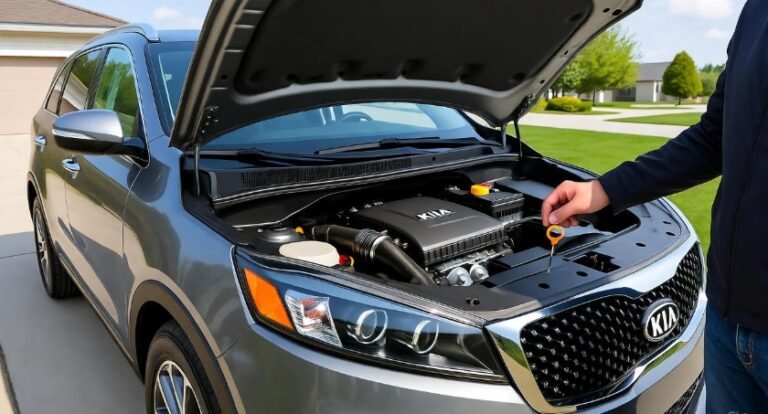
Start with a deep clean—both inside and out. Wash the exterior, wax it if possible, and clean the windows. Don’t forget the wheels and tires; a little tire shine can make a big difference. Inside, vacuum the carpets, wipe down surfaces, and remove any personal items. If you have stains or odors, consider using a fabric cleaner or odor eliminator. A fresh-smelling, spotless interior signals that the car has been well cared for.
Address Minor Repairs
You don’t need to rebuild the engine, but fixing small issues can increase your car’s value. Replace burnt-out bulbs, fix cracked windshields, and top off fluids. If the brakes squeak or the check engine light is on, consider getting them checked—even if it’s just for peace of mind. Buyers are more likely to pay a premium for a car that feels reliable and ready to drive.
Gather Maintenance Records
Collect all service receipts, oil change records, and repair invoices. These documents prove your car has been maintained properly and can reassure buyers about its condition. If you’ve kept a log of regular maintenance, even better. Organize them in a folder or binder to present during the sale.
Get a Pre-Sale Inspection (Optional but Recommended)
While not required, a pre-sale inspection from a trusted mechanic can boost buyer confidence. It shows you’re transparent about the car’s condition and can help you spot hidden issues before they become deal-breakers. Some buyers may even ask for one, so having it done upfront can speed up the process.
Step 2: Determine the Right Price
Visual guide about How to Sell a Used Car in Michigan
Image source: billofsaleforvehicles.com
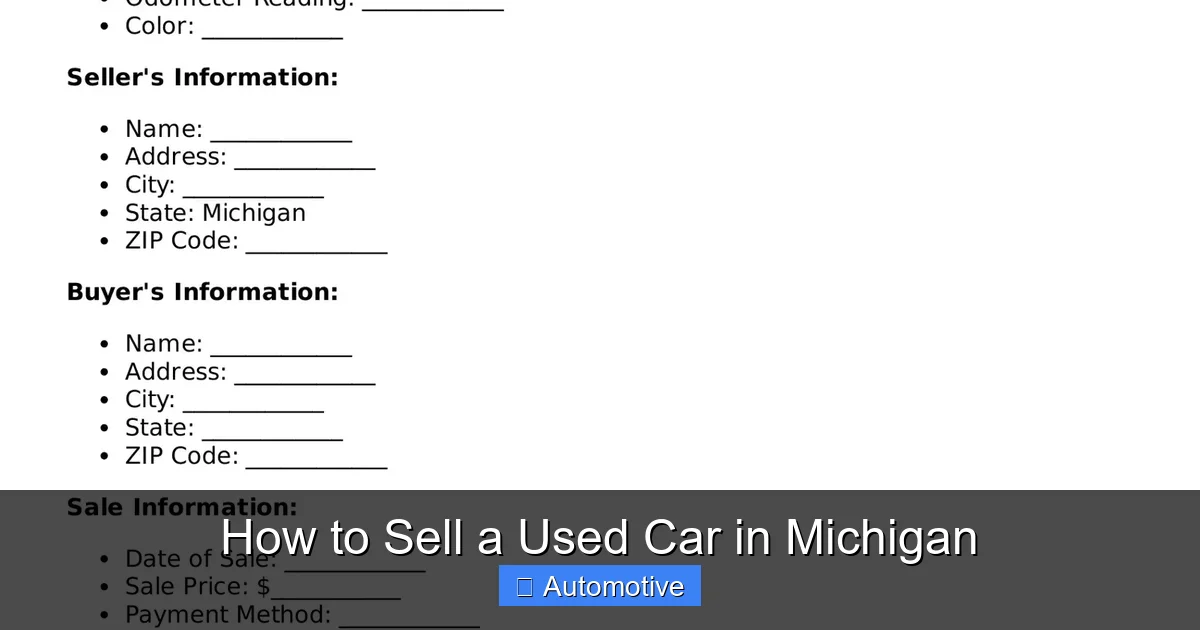
Pricing your used car correctly is one of the most important steps in the selling process. Overprice it, and you’ll scare away buyers. Underprice it, and you’ll leave money on the table. The goal is to find the sweet spot—fair market value based on your car’s condition, mileage, and demand.
Research Comparable Listings
Start by looking at similar cars for sale in your area. Check websites like Autotrader, Cars.com, and Facebook Marketplace. Filter by make, model, year, mileage, and features. Pay attention to how long listings stay active—cars that sit for weeks may be overpriced.
Use Valuation Tools
Online tools like Kelley Blue Book (KBB), Edmunds, and NADA Guides can give you a solid estimate of your car’s value. Enter your vehicle’s details, including trim level, options, and condition. These tools consider regional pricing trends, so you’ll get a realistic number for Michigan’s market.
Adjust for Condition and Extras
If your car is in excellent condition with low mileage and extra features (like a sunroof, leather seats, or upgraded audio), you can price it slightly higher. Conversely, if it has high mileage, wear and tear, or needs repairs, adjust downward. Be honest—buyers will notice discrepancies during inspection.
Consider Timing and Demand
Certain times of year are better for selling cars. Convertibles sell better in spring and summer, while SUVs and trucks are in higher demand during winter. Also, consider local events—like a college graduation or holiday season—that might increase buyer activity.
Step 3: Gather the Required Paperwork
Visual guide about How to Sell a Used Car in Michigan
Image source: res-academy.cache.wpscdn.com
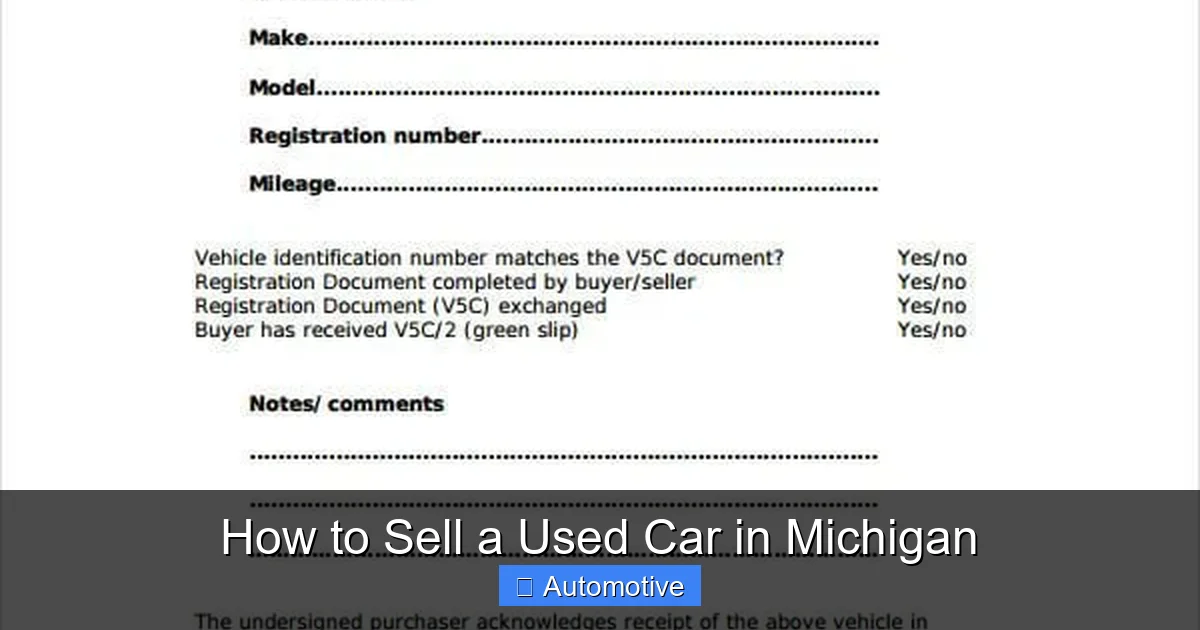
In Michigan, selling a used car involves more than just handing over the keys. You’ll need several documents to complete the sale legally and protect yourself from future liability. Missing even one can delay the process or cause legal headaches.
Vehicle Title
The title is the most important document. It proves you own the car and have the right to sell it. Make sure your name is correctly listed and there are no liens (loans) against the vehicle. If there’s a lien, you’ll need to pay it off before selling. Sign the title over to the buyer in the designated section—don’t leave any fields blank.
Bill of Sale
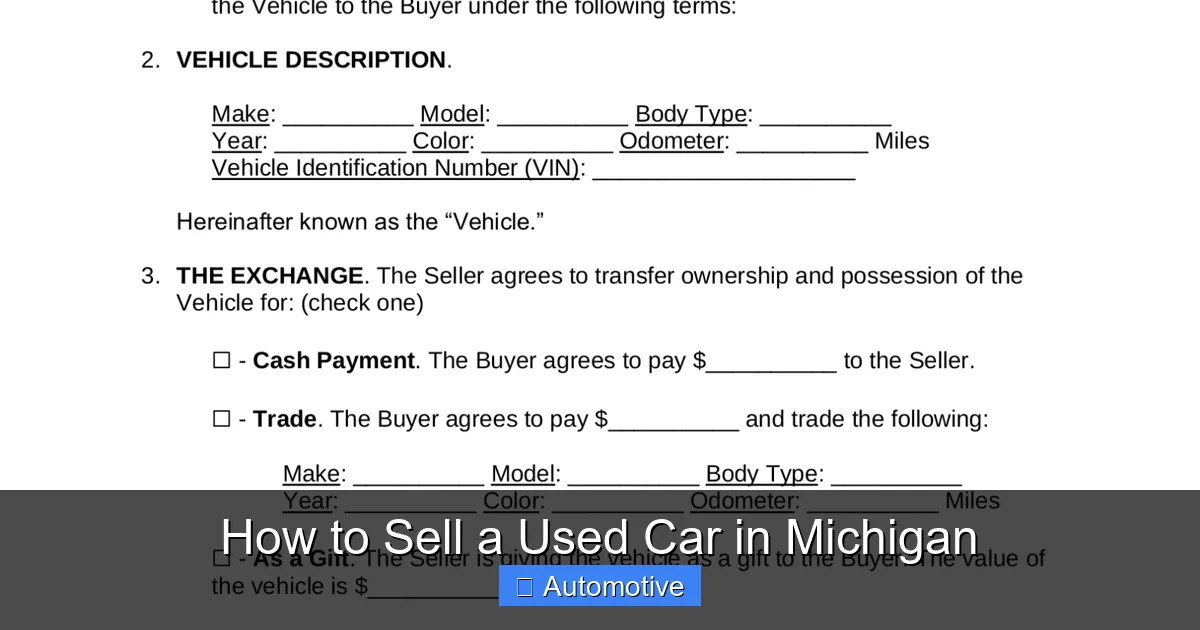
Michigan requires a bill of sale for private vehicle transactions. This document records the sale price, date, and details of both buyer and seller. You can download a free Michigan Bill of Sale form from the Secretary of State website or create one using a template. Both parties should sign it, and it must be notarized in Michigan.
Odometer Disclosure Statement
Federal law requires you to disclose the vehicle’s mileage at the time of sale. This is typically done on the title itself or a separate form. If the odometer is broken or has been replaced, note that clearly. Misrepresenting mileage is illegal and can lead to penalties.
Vehicle History Report
While not legally required, providing a vehicle history report (like one from Carfax or AutoCheck) builds trust with buyers. It shows accidents, title issues, and service history. You can purchase one online for around $30–$40. Many buyers expect it, and it can justify a higher price.
Release of Liability Form
After the sale, you must file a Release of Liability form with the Michigan Secretary of State. This protects you if the buyer gets a ticket or causes an accident before registering the car. You can submit it online or by mail—do it within 10 days of the sale.
Step 4: Advertise Your Car Effectively
Visual guide about How to Sell a Used Car in Michigan
Image source: eforms.com
Once your car is ready and priced, it’s time to find a buyer. Effective advertising means reaching the right people with the right message. The goal is to attract serious buyers quickly while avoiding scams and time-wasters.
Choose the Right Platforms
List your car on popular websites like Facebook Marketplace, Craigslist, Autotrader, and Cars.com. Each has its pros and cons. Facebook Marketplace is great for local sales and has built-in messaging. Craigslist is free but attracts more scammers. Autotrader and Cars.com reach serious buyers but may charge listing fees.
Write a Clear, Honest Description
Your ad should include:
– Make, model, year, and trim
– Mileage and engine size
– Key features (e.g., backup camera, heated seats)
– Condition (be honest about flaws)
– Reason for selling
– Price and whether it’s negotiable
Avoid vague terms like “runs great” or “needs TLC.” Instead, say “new tires installed last month” or “minor paint scratch on rear bumper.” Transparency builds trust.
Take High-Quality Photos
Photos are the first thing buyers see. Take pictures in good lighting, preferably outdoors. Capture the exterior from multiple angles, the interior (seats, dashboard, trunk), and any unique features. Show any damage clearly—this prevents misunderstandings later.
Respond Promptly to Inquiries
When buyers message you, reply quickly and professionally. Answer questions honestly and offer to schedule a test drive. If someone seems suspicious (e.g., wants to pay with a cashier’s check from another state), trust your instincts and move on.
Step 5: Handle the Sale Safely and Legally
Meeting a stranger to sell your car can feel risky, but with the right precautions, it’s safe and straightforward. The key is to protect yourself, your money, and your information throughout the transaction.
Meet in a Safe, Public Place
Always meet in a well-lit, public location—like a police station parking lot, mall, or busy shopping center. Avoid meeting at your home or late at night. Bring a friend if possible, and let someone know where you’re going and when you’ll return.
Verify the Buyer’s Identity
Ask to see the buyer’s driver’s license and confirm it matches the name on the bill of sale. This helps prevent fraud and ensures you’re dealing with a real person.
Accept Secure Payment Methods
Cash is the safest option for private sales. If the buyer wants to pay by check, make sure it’s a cashier’s check from a local bank—and verify it’s legitimate before handing over the car. Avoid personal checks, money orders, or wire transfers, as they can be fake.
Complete the Title Transfer Correctly
At the time of sale, sign the title over to the buyer. Make sure they fill in their information accurately. Both of you should sign the bill of sale in front of a notary. In Michigan, the bill of sale must be notarized to be valid.
Provide a Copy of All Documents
Give the buyer copies of the title, bill of sale, odometer disclosure, and any other relevant paperwork. Keep copies for your records. This protects both parties and ensures a smooth registration process for the buyer.
Step 6: Finalize the Sale and Protect Yourself
Once the money changes hands and the keys are transferred, your job isn’t quite done. There are a few final steps to protect yourself and ensure the sale is complete.
File the Release of Liability
Within 10 days of the sale, submit the Release of Liability form to the Michigan Secretary of State. You can do this online at the official website. This form removes your responsibility for the vehicle after the sale date.
Cancel Your Insurance
Contact your insurance company to cancel coverage on the sold vehicle. Don’t wait—you’re still liable until the policy is officially terminated. If you’re buying a new car, you can often transfer your policy or get a new one the same day.
Remove License Plates
In Michigan, license plates stay with the owner, not the car. Remove them before handing over the vehicle. You can reuse them on your next car or return them to the Secretary of State if you’re not planning to drive again soon.
Keep Records of the Sale
Store copies of all documents—title, bill of sale, release of liability, and communication with the buyer—for at least a few years. If any issues arise later, you’ll have proof the sale was completed legally.
Avoiding Common Pitfalls and Scams
Even with the best preparation, scams and mistakes can happen. Being aware of common red flags can save you time, money, and stress.
Watch for Fake Payment Offers
Scammers may send a cashier’s check for more than the sale price and ask for the difference back. The check will bounce, but you’ll already have sent money. Only accept payment in full and verify it’s legitimate before handing over the car.
Beware of “Too Good to Be True” Buyers
If a buyer offers to pay above your asking price or wants to ship the car without seeing it, be suspicious. These are common tactics used by fraudsters.
Don’t Skip the Notary
In Michigan, the bill of sale must be notarized. Skipping this step can invalidate the sale and leave you liable. Find a local notary at a bank, UPS Store, or library.
Never Sign a Blank Title
Always fill out the title completely before signing. Leaving fields blank gives the buyer room to alter the document later.
Conclusion
Selling a used car in Michigan doesn’t have to be stressful. By preparing your vehicle, pricing it fairly, gathering the right paperwork, and following state laws, you can complete the sale quickly and safely. Remember to prioritize safety during meetings, use secure payment methods, and file your Release of Liability on time. With these steps, you’ll not only get a fair price for your car but also protect yourself from future liability. Whether you’re upgrading, downsizing, or just ready for a change, selling your used car can be a smooth and rewarding experience—when you know what to do.
Frequently Asked Questions
Do I need a bill of sale to sell a car in Michigan?
Yes, Michigan law requires a bill of sale for private vehicle transactions. It must include the sale price, date, and details of both buyer and seller, and it must be notarized to be valid.
Can I sell my car if I still have a loan on it?
No, you cannot sell a car with an outstanding loan unless the lienholder releases the title. You’ll need to pay off the loan first or arrange for the buyer to pay the lender directly at closing.
How long do I have to file a Release of Liability in Michigan?
You must file the Release of Liability form with the Michigan Secretary of State within 10 days of the sale. This protects you from liability for any incidents after the transfer.
Can I sell my car without a title in Michigan?
No, you must have a valid title to sell a car in Michigan. If your title is lost or damaged, you can apply for a duplicate from the Secretary of State before listing the vehicle.
Should I provide a vehicle history report when selling?
While not legally required, providing a vehicle history report builds trust with buyers and can help justify your asking price. It shows transparency about the car’s past.
What payment methods are safest for selling a car privately?
Cash is the safest option. If using a cashier’s check, verify it’s from a local bank and confirm it clears before handing over the car. Avoid personal checks and wire transfers.