How to Sell a Damaged Car

Selling a damaged car doesn’t have to be stressful or confusing. With the right approach, you can get a fair price, avoid scams, and complete the sale smoothly—even if your vehicle won’t start or has serious body damage.
In This Article
- 1 Key Takeaways
- 2 📑 Table of Contents
- 3 How to Sell a Damaged Car: A Complete Guide
- 4 Step 1: Assess the Damage and Determine Your Car’s Value
- 5 Step 2: Decide How You Want to Sell
- 6 Step 3: Prepare the Paperwork
- 7 Step 4: Market Your Car Effectively
- 8 Step 5: Negotiate and Close the Sale Safely
- 9 Avoiding Scams and Common Mistakes
- 10 Final Thoughts: Turn Damage into Opportunity
- 11 Frequently Asked Questions
Key Takeaways
- Assess the damage honestly: Understand the extent of the damage to determine your car’s value and the best selling method.
- Know your options: You can sell to private buyers, junkyards, online car buyers, or scrap yards—each has pros and cons.
- Get a fair valuation: Use online tools and local quotes to estimate what your damaged car is worth in its current condition.
- Prepare the paperwork: Title, registration, and release of liability forms are essential to protect yourself legally.
- Be transparent with buyers: Disclose all damage upfront to build trust and avoid disputes later.
- Choose the right platform: Online marketplaces, cash-for-cars services, and local ads each work best for different situations.
- Avoid common pitfalls: Watch out for lowball offers, scams, and buyers who back out at the last minute.
📑 Table of Contents
- How to Sell a Damaged Car: A Complete Guide
- Step 1: Assess the Damage and Determine Your Car’s Value
- Step 2: Decide How You Want to Sell
- Step 3: Prepare the Paperwork
- Step 4: Market Your Car Effectively
- Step 5: Negotiate and Close the Sale Safely
- Avoiding Scams and Common Mistakes
- Final Thoughts: Turn Damage into Opportunity
How to Sell a Damaged Car: A Complete Guide
So, you’ve got a car that’s seen better days. Maybe it was in an accident, has engine trouble, or just won’t start anymore. You’re not alone—thousands of people every year face the same dilemma: how to sell a damaged car without losing their shirts or wasting weeks of their time.
The good news? Selling a damaged car is absolutely possible, and in many cases, easier than you think. Whether your vehicle is barely running, has extensive body damage, or is completely totaled, there are buyers out there who want it. The key is knowing your options, understanding your car’s value, and avoiding common mistakes that can cost you time and money.
In this guide, we’ll walk you through every step of the process—from evaluating your car’s condition to handing over the keys. We’ll cover where to sell, how to price it, what paperwork you need, and how to stay safe from scams. By the end, you’ll feel confident and ready to turn that damaged car into cash—fast.
Step 1: Assess the Damage and Determine Your Car’s Value
Before you even think about listing your car, you need to know what you’re working with. Not all damage is created equal. A car with a cracked windshield might still be worth thousands, while one with a blown engine or frame damage could be worth only a few hundred dollars.

Visual guide about How to Sell a Damaged Car
Image source: claytoncarz.com
Types of Damage and Their Impact on Value
Let’s break down the most common types of damage and how they affect your car’s resale value:
- Mechanical damage: This includes engine failure, transmission issues, or problems with the electrical system. These can be expensive to fix, so they significantly reduce your car’s value—especially if the repair cost exceeds the car’s worth.
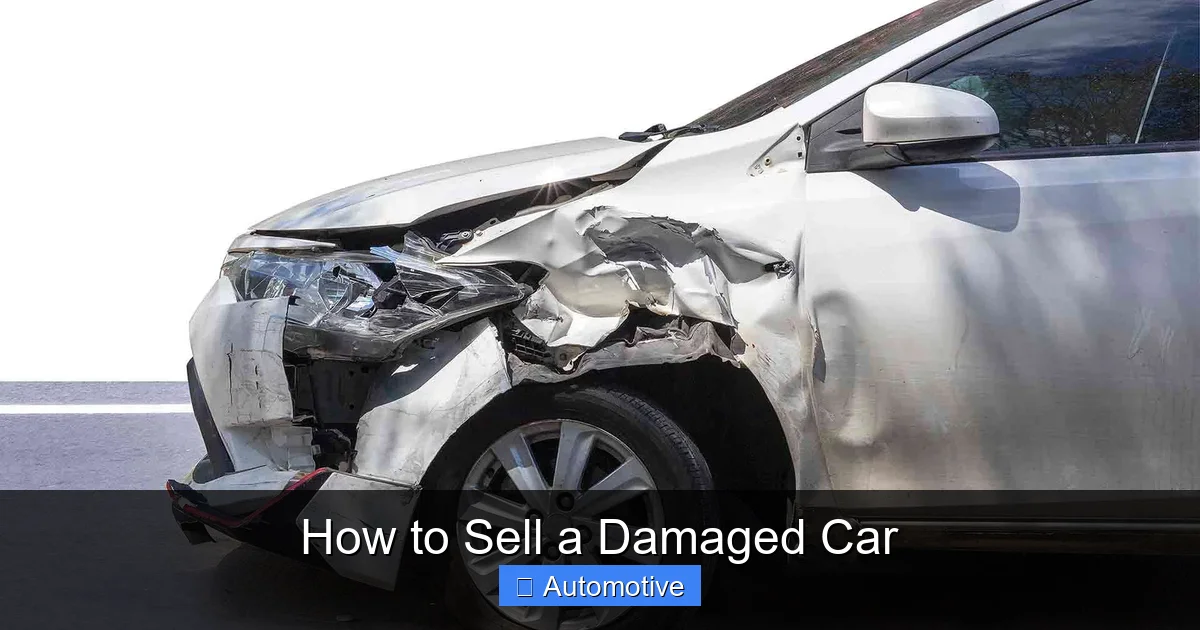
- Body damage: Dents, scratches, and broken lights are common. Minor body damage might not hurt the value much, but major damage—like a crumpled frame or missing doors—can make the car nearly unsellable to private buyers.
- Flood or water damage: This is a red flag for most buyers. Water can ruin electronics, cause rust, and lead to mold. Even if the car runs now, it may have hidden problems later. Flood-damaged cars often sell for scrap value only.
- Fire damage: Similar to flood damage, fire can destroy wiring, upholstery, and critical components. These cars are usually sold for parts or scrap.
- Hail damage: Dents from hail storms can be extensive but are often repairable. If the interior and mechanics are fine, the car may still have decent value—especially if you sell it “as-is” to a body shop or detailer.
How to Evaluate Your Car’s Condition
Start by doing a thorough inspection. Walk around the car and note every issue—big and small. Take photos from multiple angles, especially of damaged areas. If you’re not sure about mechanical problems, consider getting a diagnostic scan from a mechanic or auto parts store (many offer free scans).
Next, check the vehicle’s history. Use a service like Carfax or AutoCheck to see if it’s been in accidents, had flood damage, or has a salvage title. This information is crucial—not just for pricing, but for legal reasons. You must disclose a salvage or rebuilt title when selling.
Use Online Tools to Estimate Value
Once you know the damage, it’s time to estimate your car’s value. Don’t rely on Kelley Blue Book (KBB) or Edmunds for a standard valuation—those assume the car is in good condition. Instead, use tools designed for damaged or non-running vehicles:
- CarBrain: Offers free quotes for damaged cars and buys them directly.
- DamagedCars.com: Provides instant offers based on your car’s make, model, year, and damage.
- JunkCarMedics: Specializes in buying cars that don’t run or are totaled.
- Local junkyards or scrap yards: Call or visit to get a cash offer. They’ll often tow the car for free.
For example, a 2015 Honda Civic with a blown engine might be worth $3,000 in good condition—but only $800 as a parts car. A 2010 Ford F-150 with minor body damage and a working engine could still fetch $4,000 from a private buyer or dealer.
Step 2: Decide How You Want to Sell
Now that you know your car’s value, it’s time to choose the best selling method. Each option has its own pros and cons, so pick the one that fits your timeline, location, and comfort level.

Visual guide about How to Sell a Damaged Car
Image source: junkcarmasters.s3-us-west-2.amazonaws.com
Sell to a Private Buyer
Selling directly to another person usually gets you the highest price—especially if the car is repairable. Private buyers might be mechanics, car enthusiasts, or people looking for a project vehicle.
Pros: Higher payout, more control over the sale.
Cons: Takes longer, requires more effort, risk of no-shows or scams.
To sell privately, list your car on platforms like Facebook Marketplace, Craigslist, or OfferUp. Be honest in your description: “2012 Toyota Camry, engine seized, needs tow, title in hand.” Include clear photos of the damage and mention if it runs or not.
Tip: Meet in a public place, like a police station parking lot, and bring a friend. Never accept cashier’s checks or wire transfers—stick to cash or a cashier’s check from a local bank.
Sell to a Junkyard or Scrap Yard
If your car is beyond repair or not worth fixing, a junkyard might be your best bet. They buy cars for parts and metal, often paying by the pound.
Pros: Fast, easy, free towing.
Cons: Low payout, limited negotiation.
Most junkyards will give you a quote over the phone or online. They’ll send a tow truck, pick up the car, and pay you on the spot—usually in cash or check. For example, a 2005 sedan might get you $200–$400, depending on weight and local scrap prices.
Tip: Call multiple yards to compare offers. Some specialize in certain brands or models and may pay more.
Sell to a Cash-for-Cars Company
These are national or regional companies that buy damaged, non-running, or totaled cars. Examples include Peddle, CarMax (for some damaged cars), and local “we buy ugly cars” businesses.
Pros: Convenient, fast, no-haggle pricing.
Cons: Lower offers than private sale, may require online forms.
You’ll typically fill out an online form with your car’s details, upload photos, and receive an instant offer. If you accept, they schedule a pickup—usually within 24–48 hours—and pay you when they arrive.
Example: A 2008 Dodge Charger with front-end collision damage might get a $1,200 offer from a cash-for-cars company, while a private buyer might pay $1,800 if they plan to fix it.
Trade It In (If Possible)
Some dealerships accept damaged cars as trade-ins, especially if you’re buying a new or used vehicle. However, the trade-in value will be low—often just scrap value.
Pros: One-stop shopping, no need to sell separately.
Cons: Very low offer, only worth it if you’re buying from the same dealer.
Tip: Get a trade-in estimate before committing. You might get more by selling the damaged car separately and using the cash toward your purchase.
Step 3: Prepare the Paperwork
No matter how you sell your damaged car, you’ll need the right documents. Missing paperwork can delay the sale or even get you in legal trouble.
Visual guide about How to Sell a Damaged Car
Image source: claytoncarz.com
Essential Documents
- Vehicle Title: This is the most important document. It proves you own the car. If the title is lost, contact your state’s DMV to get a replacement before selling.
- Registration: While not always required, having the current registration helps prove the car is legally yours.
- Release of Liability Form: After the sale, you must file this with your DMV to protect yourself from future tickets, tolls, or accidents involving the car. Most states have this form online.
- Bill of Sale: A simple document that records the sale date, price, and both parties’ information. Some states require it; others don’t. It’s still a good idea to have one.
- Odometer Disclosure: Required in most states for cars under 10 years old. You’ll need to sign a statement confirming the mileage.
Special Cases: Salvage and Rebuilt Titles
If your car has a salvage title (meaning it was declared a total loss by an insurance company), you must disclose this to the buyer. Some states allow you to rebuild the car and get a “rebuilt title,” which makes it legal to drive again.
Selling a car with a salvage title is legal, but it limits your buyer pool. Most private buyers avoid them, but mechanics, restorers, or parts dealers may be interested.
Tip: If you rebuilt the car yourself, keep all repair receipts. They can help prove the work was done properly and may increase the value.
What If You Don’t Have the Title?
Losing your title happens. Don’t panic—most states let you apply for a duplicate. The process usually takes 1–2 weeks and costs $10–$25. Some DMVs even allow online applications.
Never sell a car without a title. It’s illegal in most states and can lead to fines or legal issues if the buyer resells it improperly.
Step 4: Market Your Car Effectively
Even a damaged car needs good marketing to sell quickly. The goal is to attract the right buyers and set clear expectations.
Write a Clear, Honest Ad
Your ad should answer the most common questions upfront. Use a straightforward title like: “2011 Nissan Altima – Engine Won’t Start – Needs Tow – Title in Hand.”
In the description, include:
- Year, make, model, and mileage
- Nature of the damage (e.g., “front-end collision, airbags deployed”)
- Whether it runs or not
- If it has a clean, salvage, or rebuilt title
- Reason for selling
- Asking price or “best offer”
Example: “Selling my 2013 Ford Focus. Engine seized last month. Car has 120k miles, clean title, and was well-maintained before the failure. Needs to be towed. Asking $1,200 OBO. Serious buyers only.”
Take High-Quality Photos
Photos build trust. Take pictures from all angles, including close-ups of the damage. Show the interior, engine bay, and undercarriage if possible. Even if the car is dirty, clean it up a bit—first impressions matter.
Tip: Use natural light and avoid shadows. A photo of a dented fender in daylight is better than a blurry shot at night.
Choose the Right Platform
Where you list your car affects how fast it sells:
- Facebook Marketplace: Great for local buyers, free to use, easy to message.
- Craigslist: Still popular, but watch for scams. Use the “cash only” filter.
- OfferUp: Mobile-friendly, built-in messaging, local meetups.
- Specialized sites: DamagedCars.com, JunkCarMedics, or CarBrain are ideal for non-running cars.
Avoid listing on multiple platforms with the same photos and price—it looks spammy. Instead, tailor each ad slightly for the platform.
Step 5: Negotiate and Close the Sale Safely
Once you have interested buyers, it’s time to negotiate and finalize the deal. Stay calm, be firm, and protect yourself.
Handle Inquiries Professionally
Respond quickly to messages. Ask buyers what they plan to do with the car (fix it, part it out, etc.). This helps you gauge their seriousness.
Example response: “Thanks for your interest! The car doesn’t run—engine is seized. It has a clean title and 110k miles. I’m asking $1,500 but open to reasonable offers. Let me know if you’d like to see it.”
Negotiate Fairly
Most buyers will try to lowball you—especially if the car is damaged. Don’t take it personally. Know your bottom line and stick to it.
If someone offers $800 on a $1,200 asking price, counter with $1,000. Explain why: “The transmission works, interior is clean, and it has new tires. $1,000 is my lowest.”
Tip: If the buyer wants to inspect the car, meet in a safe, public place. Let someone know where you’re going.
Complete the Sale Securely
Once you agree on a price, follow these steps:
- Have the buyer sign the title (in the “buyer” section).
- Fill out a bill of sale (you can find free templates online).
- Collect payment in cash or a cashier’s check from a local bank.
- Give the buyer the keys, title, and any extra parts.
- File a release of liability with your DMV within 5–10 days.
Never hand over the car before payment clears. And never accept personal checks—they can bounce.
Avoiding Scams and Common Mistakes
Selling a damaged car can attract scammers. Stay alert and avoid these pitfalls:
- Fake checks or overpayments: A buyer sends a check for $2,000, asks for $300 back, and the check bounces. Never refund money.
- Wire transfer requests: Legitimate buyers won’t ask you to wire money.
- “I’ll send a driver” scams: The buyer says they’ll send someone to pick up the car but never shows. Always meet in person.
- Lowball offers from “investors”: Some companies offer $100 for any car, then resell it for thousands. Get multiple quotes.
- Not filing release of liability: If you don’t file this, you could be liable for future violations.
When in doubt, walk away. There are plenty of honest buyers out there.
Final Thoughts: Turn Damage into Opportunity
Selling a damaged car might seem like a hassle, but it’s also a chance to clear space, make some cash, and move on. Whether your car is a project waiting to happen or just a pile of metal, there’s someone who wants it.
The key is to be honest, prepared, and proactive. Assess the damage, get fair quotes, gather your paperwork, and choose the right selling method. With a little effort, you can sell your damaged car quickly, safely, and for a fair price.
So don’t let that old car sit in your driveway collecting dust. Take action today—your next chapter starts with selling the last one.
Frequently Asked Questions
Can I sell a car that doesn’t run?
Yes, you can sell a car that doesn’t run. Many buyers—like mechanics, restorers, or junkyards—are specifically looking for non-running vehicles. Just be clear about the condition in your ad.
Do I need a title to sell a damaged car?
Yes, you need a title to legally sell any car, including damaged ones. If you’ve lost it, contact your local DMV to get a duplicate before listing the vehicle.
How much can I get for a damaged car?
The value depends on the damage, make, model, and local market. A repairable car might fetch $1,000–$3,000, while a totaled one could be worth $200–$500 for scrap or parts.
Is it better to sell privately or to a junkyard?
Selling privately usually gets you more money, but takes more time. Junkyards offer convenience and fast payment but lower prices. Choose based on your priorities.
What if my car has a salvage title?
You can still sell it, but you must disclose the salvage title to the buyer. Some buyers avoid these cars, but others—like parts dealers—may be interested.
How do I protect myself from scams when selling?
Meet in public, accept only cash or verified cashier’s checks, avoid wire transfers, and never ship the car before payment clears. File a release of liability after the sale.