How to Sell a Car with Over 200k Miles

Contents
- 1 Key Takeaways
- 2 📑 Table of Contents
- 3 Introduction: Yes, You Can Sell a High-Mileage Car
- 4 Understanding the Market for High-Mileage Vehicles
- 5 Preparing Your High-Mileage Car for Sale
- 6 Pricing Your High-Mileage Car Competitively
- 7 Writing a Compelling Listing That Sells
- 8 Where and How to List Your Car
- 9 Handling Test Drives and Negotiations
- 10 Finalizing the Sale: Paperwork and Transfer
- 11 Conclusion: Turning High Mileage into High Value
- 12 Frequently Asked Questions


Selling a car with over 200k miles isn’t impossible—it just requires strategy. With the right preparation, honest communication, and smart marketing, you can find a buyer who values reliability over low odometer readings. This guide walks you through every step to sell your high-mileage vehicle confidently and profitably.
Key Takeaways
- Be transparent about mileage and condition: Honesty builds trust and reduces buyer hesitation, especially with high-mileage vehicles.
- Highlight maintenance history: A well-documented service record can significantly increase buyer confidence and justify your asking price.
- Price competitively: Research similar models in your area and price slightly below market value to attract serious buyers quickly.
- Clean and detail the car thoroughly: First impressions matter—even a high-mileage car should look cared for and presentable.
- Target the right buyers: Focus on budget-conscious drivers, mechanics, or those needing a reliable second car who understand the value of a well-maintained vehicle.
- Use multiple listing platforms: Expand your reach by posting on Craigslist, Facebook Marketplace, Autotrader, and local classifieds.
- Be ready to negotiate: Set your price with room for discussion, and know your bottom line before meeting buyers.
📑 Table of Contents
- Introduction: Yes, You Can Sell a High-Mileage Car
- Understanding the Market for High-Mileage Vehicles
- Preparing Your High-Mileage Car for Sale
- Pricing Your High-Mileage Car Competitively
- Writing a Compelling Listing That Sells
- Where and How to List Your Car
- Handling Test Drives and Negotiations
- Finalizing the Sale: Paperwork and Transfer
- Conclusion: Turning High Mileage into High Value
Introduction: Yes, You Can Sell a High-Mileage Car
Let’s face it—when you’ve got a car with over 200,000 miles on the odometer, selling it might feel like an uphill battle. You’ve probably heard the whispers: “Who would want a car that’s been around the block that many times?” But here’s the truth: plenty of people would. In fact, a well-maintained high-mileage vehicle can be a goldmine for the right buyer.
Whether you’re upgrading to a newer model, downsizing, or just ready to part ways with your trusty old ride, selling a car with over 200k miles is absolutely doable. The key isn’t hiding the mileage—it’s showcasing the value behind it. Think of your car not as “old” or “worn out,” but as “proven,” “reliable,” and “built to last.” With the right approach, you can turn what some see as a liability into a selling point.
Understanding the Market for High-Mileage Vehicles
Before you list your car, it’s important to understand who buys high-mileage vehicles and why. These aren’t just “beater cars” for college students—though they’re definitely part of the market. High-mileage cars appeal to a wide range of buyers, including budget-conscious families, rural drivers who need dependable transportation, and even mechanics who appreciate older models for their simplicity and ease of repair.

Visual guide about How to Sell a Car with Over 200k Miles
Image source: prettymotors.com
Who Buys Cars with 200k+ Miles?
Let’s break down the typical buyer profiles:
- Budget buyers: People looking for affordable transportation often prioritize function over form. A $3,000 car that runs well is more valuable to them than a $10,000 one with unknown issues.
- DIY mechanics: Car enthusiasts and home mechanics love older models because they’re easier to work on. They see high mileage not as a red flag, but as a challenge or project.
- Second-car shoppers: Families or individuals needing a backup vehicle for errands, teens, or short commutes don’t need a brand-new car—just one that starts and gets them where they’re going.
- Rural or long-distance drivers: In areas with limited public transit, a reliable used car—even with high mileage—can be a lifeline.
Why High Mileage Isn’t Always a Dealbreaker
Modern vehicles are built to last longer than ever. With proper maintenance, many cars easily surpass 200,000 miles. In fact, some models—like the Toyota Camry, Honda Accord, or Ford F-150—are known for their longevity. Buyers who know this are more willing to consider high-mileage options, especially if they’re getting a good deal.
Additionally, high mileage doesn’t automatically mean poor condition. A car with 220,000 miles that’s been regularly serviced, garaged, and driven gently can be in better shape than a 120,000-mile car that’s been neglected. The key is proving that your car falls into the former category.
Preparing Your High-Mileage Car for Sale
First impressions matter—even more so when you’re selling a car with over 200k miles. Buyers will scrutinize every detail, so you need to present your vehicle in the best possible light. This doesn’t mean hiding problems; it means showcasing care and attention to detail.
Visual guide about How to Sell a Car with Over 200k Miles
Image source: 3webs.co
Deep Clean Inside and Out
Start with a thorough cleaning. Wash the exterior, wax it if possible, and clean the wheels and tires. Inside, vacuum every crevice, wipe down surfaces, and remove any personal items. Consider using an odor eliminator if there are lingering smells from pets, smoke, or food.
Don’t forget the small details: clean the dashboard, wipe the cup holders, and polish the glass. A spotless interior signals that the car has been well cared for—even if the odometer tells a different story.
Address Minor Repairs and Cosmetic Issues
You don’t need to rebuild the engine, but fixing small issues can make a big difference. Replace burnt-out bulbs, fix cracked windshield wipers, and patch up minor dents or scratches if it’s cost-effective. A $50 repair could add $200 to your sale price by improving perceived value.
If the tires are worn, consider replacing them—especially if they’re close to the legal limit. Buyers will notice, and it’s a red flag if they’re not roadworthy.
Gather and Organize Maintenance Records
This is one of the most powerful tools in your selling arsenal. A complete maintenance history shows that your car hasn’t just survived 200,000 miles—it’s been actively maintained to do so. Gather receipts for oil changes, brake jobs, transmission service, timing belt replacements, and any major repairs.
If you don’t have physical receipts, check with your mechanic or use apps like CarFax or RepairPal to track service history. Even a handwritten log can help. Present it in a folder or binder with clear labels so buyers can easily review it.
Pricing Your High-Mileage Car Competitively
Pricing is where many sellers go wrong. Overprice, and you’ll scare off buyers. Underprice, and you leave money on the table. The goal is to find the sweet spot where your car feels like a fair deal—especially given its mileage.

Visual guide about How to Sell a Car with Over 200k Miles
Image source: mydrivecar.com
Research Comparable Listings
Start by checking online marketplaces like Kelley Blue Book (KBB), Edmunds, and NADA Guides. Use their valuation tools, but don’t rely on them blindly. These tools often underestimate high-mileage cars because they assume average condition.
Instead, look at actual listings in your area. Search for the same make, model, year, and trim with similar mileage. Note the asking prices, but also pay attention to the condition, features, and how long the car has been listed. A car that’s been on the market for months might be overpriced.
Adjust for Condition and Extras
Once you have a baseline, adjust your price based on your car’s condition. If it’s in excellent shape with new tires, recent brakes, and a clean interior, you can price it at the higher end of the range. If it needs work, price it lower to account for the buyer’s potential costs.
Also consider extras like upgraded stereo systems, roof racks, or winter tires. These can add value, especially to buyers who need those features.
Leave Room for Negotiation
Most buyers will try to negotiate, so set your asking price about 10% above your minimum acceptable offer. For example, if you’re willing to sell for $3,000, list it at $3,300. This gives you room to come down while still getting a fair price.
Be clear in your listing that the price is firm or negotiable, depending on your preference. If you’re firm, say so—but be prepared for fewer inquiries.
Writing a Compelling Listing That Sells
Your listing is your first chance to make a strong impression. With so many cars for sale, yours needs to stand out—even if it has 200k+ miles. The goal is to be honest, detailed, and persuasive.
Use a Clear, Honest Title
Your title should include the year, make, model, and mileage. For example: “2008 Toyota Camry – 215,000 Miles – Clean Title – Well Maintained.” Avoid misleading terms like “low miles” or “like new.” Instead, use phrases like “high mileage but reliable” or “driven with care.”
Write a Detailed Description
In the description, highlight the positives without downplaying the mileage. Start with a strong opening: “Reliable 2008 Honda Accord with 208,000 miles—perfect for daily commuting or as a second car.”
Then, go into specifics:
- Mention major services: “Timing belt replaced at 180,000 miles, transmission flushed at 195,000.”
- Note recent repairs: “New brakes and rotors installed 6 months ago.”
- Describe condition: “Interior is clean with no tears or stains. Exterior has minor scratches but no rust.”
- List features: “Power windows, AC, cruise control, Bluetooth stereo.”
- Explain why you’re selling: “Upgrading to a newer vehicle—this one still runs great!”
Include High-Quality Photos
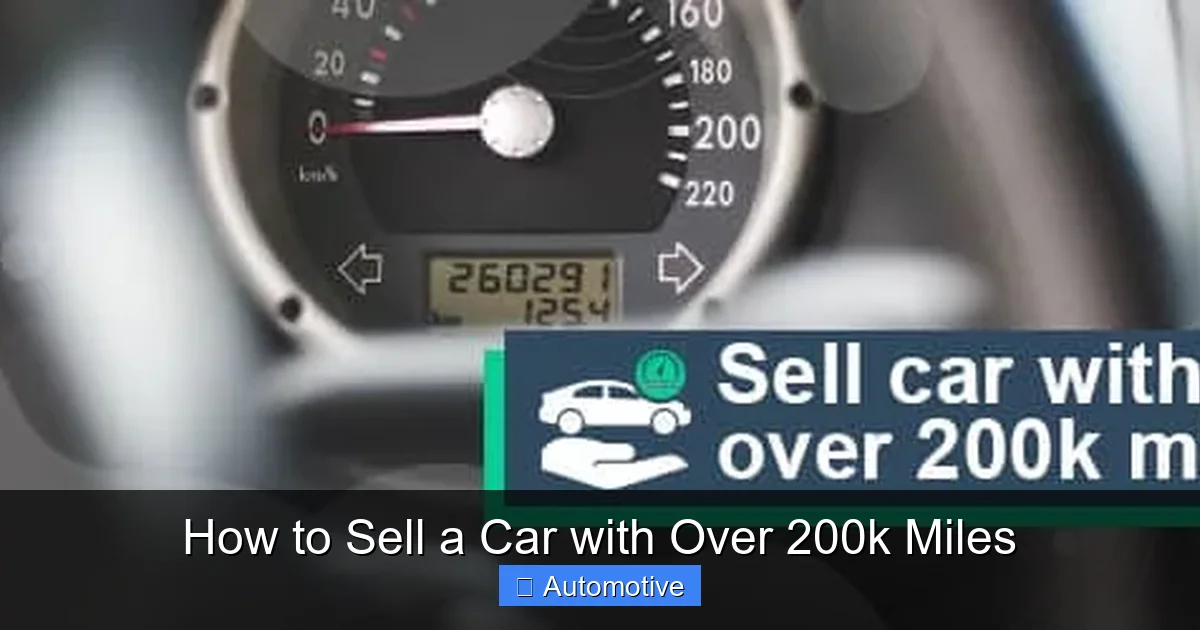
Take photos in good lighting, preferably during the day. Shoot from multiple angles: front, back, sides, interior, engine bay, and trunk. Show the odometer so buyers know the mileage upfront—this builds trust.
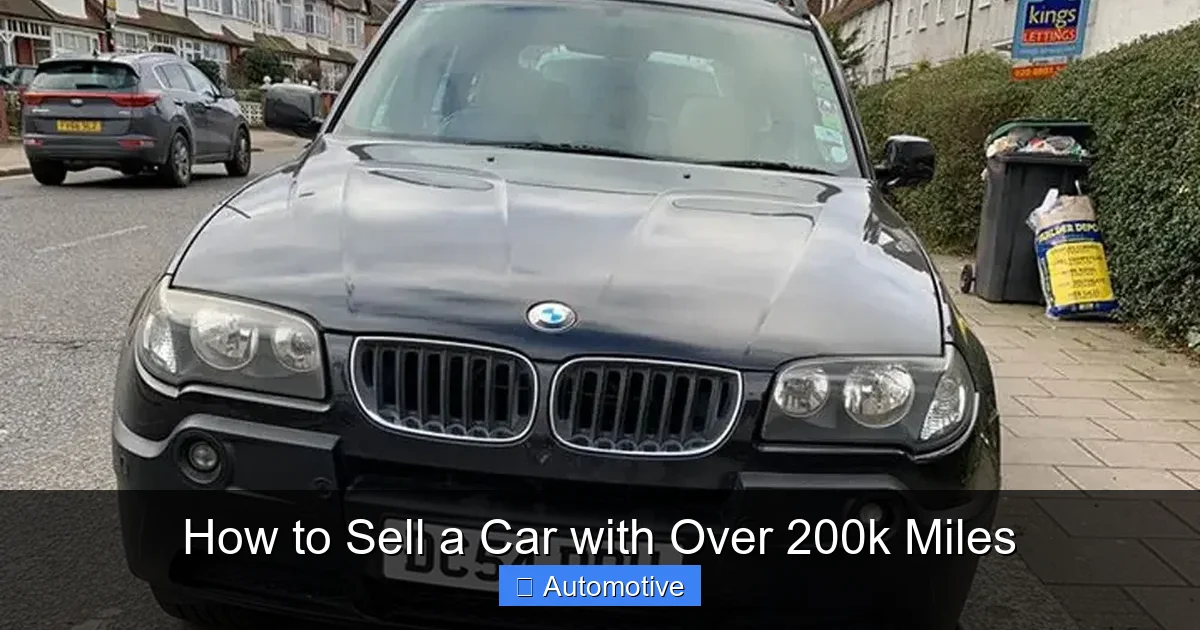
Clean the car before photographing it. A dirty car looks neglected, even if it runs well. Use a smartphone with good camera quality, and avoid filters or heavy editing.
Be Transparent About Issues
If your car has known problems—like a check engine light, worn suspension, or minor leaks—mention them in the listing. This prevents surprises during test drives and builds credibility. You can say something like: “Check engine light is on due to a minor oxygen sensor issue—diagnosed and repair estimate available.”
Buyers appreciate honesty. In fact, disclosing issues upfront can make them more likely to buy from you than from someone who hides problems.
Where and How to List Your Car
Once your car is ready and your listing is polished, it’s time to go live. The more places you list, the more eyes you’ll get—but focus on platforms where high-mileage buyers are active.
Online Marketplaces
Start with popular sites like:
- Craigslist: Great for local buyers. Free to list, but you’ll need to manage inquiries yourself.
- Facebook Marketplace: Easy to use and integrates with your social network. Buyers can message you directly.
- Autotrader: More professional, but may charge a fee. Attracts serious buyers.
- Cars.com: Another paid option with a large audience.
- OfferUp or Letgo: Mobile-friendly apps popular with younger buyers.
Cross-post your listing across multiple platforms to maximize exposure. Use the same photos and description for consistency.
Local Classifieds and Community Boards
Don’t overlook offline options. Post flyers at local coffee shops, libraries, or community centers. Some buyers prefer dealing with local sellers they can meet in person.
You can also ask friends, family, or coworkers if they know anyone looking for a car. Word of mouth can lead to quick, hassle-free sales.
Avoid Scams and Stay Safe
Unfortunately, scammers target private car sellers. Be wary of buyers who:
- Want to pay with a cashier’s check or money order and ask for a refund.
- Ask you to ship the car or meet in a remote location.
- Refuse to see the car in person or test drive it.
Always meet in a public place, bring a friend, and never hand over the title until payment is secure. For cash transactions, meet at a bank so you can verify the funds.
Handling Test Drives and Negotiations
When buyers start reaching out, be responsive and professional. Answer questions quickly and honestly. If they want to see the car, schedule a time that’s convenient for both of you.
Prepare for the Test Drive
Before the test drive, make sure the car is clean, fueled, and ready to go. Have your maintenance records handy. Accompany the buyer during the drive so you can answer questions and point out features.
Let them drive on different road types—highway, city streets, hills—to show how the car performs. Be honest about any quirks: “The AC takes a few minutes to cool down” or “There’s a slight vibration at high speeds, but it’s been checked by a mechanic.”
Negotiate with Confidence
When it comes to price, stay calm and confident. If the buyer lowballs you, don’t get defensive. Instead, explain why your price is fair: “I’ve priced it based on recent sales of similar models, and I’ve included all maintenance records to show it’s been well cared for.”
If they offer a reasonable counteroffer, consider it. Remember, you set your price with negotiation in mind. If they’re close to your bottom line, it might be worth accepting to close the deal quickly.
Avoid haggling over small amounts. If they offer $2,900 and your minimum is $3,000, you might throw in a full tank of gas or a set of floor mats to sweeten the deal.
Finalizing the Sale: Paperwork and Transfer
Once you’ve agreed on a price, it’s time to complete the sale. This involves transferring ownership, handling payment, and canceling your insurance.
Complete the Title Transfer
Sign the title over to the buyer and fill out any required sections (like odometer disclosure). In most states, you’ll need to provide a bill of sale—a simple document that includes the sale price, date, and both parties’ information. You can find templates online or at your local DMV.
Make sure the buyer understands they need to register the car in their name and get insurance before driving it off.
Handle Payment Securely
Cash is the safest option for private sales. If the buyer wants to pay by check, make sure it’s a cashier’s check from a local bank and verify it before handing over the keys.
Never accept personal checks or wire transfers—these are common scam tactics.
Cancel Your Insurance and Registration
Once the sale is complete, contact your insurance company to cancel or transfer coverage. You may be eligible for a refund on unused premiums. Also, notify your state’s DMV that you’ve sold the vehicle to avoid liability for parking tickets or tolls.
Conclusion: Turning High Mileage into High Value
Selling a car with over 200k miles doesn’t have to be stressful or unprofitable. With the right mindset and preparation, you can find a buyer who appreciates what your car has to offer: reliability, affordability, and a proven track record.
The key is to focus on value, not just mileage. Highlight your maintenance history, present the car in the best possible condition, and price it fairly. Be honest, be professional, and target the right audience. When you do, you’ll not only sell your car—you’ll sell it with confidence.
So don’t let those six digits on the odometer hold you back. Your high-mileage car still has plenty of life left—and plenty of buyers who are ready to give it a new home.
Frequently Asked Questions
Can I really sell a car with over 200,000 miles?
Absolutely. Many buyers actively seek high-mileage vehicles for their affordability and reliability. As long as the car is in good working condition and well-maintained, there’s a market for it.
How much can I expect to get for a 200k+ mile car?
Prices vary widely based on make, model, condition, and location. On average, expect $1,500 to $4,000, but some well-cared-for models can fetch more. Research local listings to get a realistic estimate.
Should I fix problems before selling?
It depends on the cost. Minor repairs like bulbs or wipers are worth fixing. Major repairs may not pay off unless they significantly increase value. Focus on safety and reliability issues first.
Do I need to disclose the high mileage?
Yes—and you should. Being upfront builds trust and prevents disputes later. Most states also require odometer disclosure on the title.
Where is the best place to sell a high-mileage car?
Online platforms like Facebook Marketplace and Craigslist work well for local sales. Autotrader and Cars.com attract more serious buyers but may charge fees.
What if no one wants to buy my high-mileage car?
If it’s not selling, reassess your price, photos, or description. Consider lowering the price slightly or offering incentives like a recent inspection or new tires to attract interest.