How to Sell a Car Washington State
Selling a car in Washington State doesn’t have to be stressful. With the right preparation, clear documentation, and smart marketing, you can complete the process smoothly and legally. This guide walks you through every step—from pricing your vehicle to transferring ownership—so you can sell with confidence.
In This Article
- 1 Key Takeaways
- 2 📑 Table of Contents
- 3 How to Sell a Car Washington State: A Complete Step-by-Step Guide
- 4 Step 1: Prepare Your Vehicle for Sale
- 5 Step 2: Determine the Right Price
- 6 Step 3: Gather Required Documents
- 7 Step 4: Advertise Your Car Effectively
- 8 Step 5: Complete the Sale Safely and Legally
- 9 Step 6: Understand Taxes, Fees, and Post-Sale Responsibilities
- 10 Final Thoughts: Selling Your Car with Confidence
- 11 Frequently Asked Questions
- 11.1 Do I need a smog test to sell a car in Washington State?
- 11.2 Can I sell my car if I still owe money on it?
- 11.3 Do I have to provide a bill of sale in Washington?
- 11.4 How long do I have to notify the DOL after selling my car?
- 11.5 Can I sell my car without a title?
- 11.6 What payment methods are safest when selling a car?
Key Takeaways
- Prepare your vehicle: Clean it inside and out, fix minor issues, and gather maintenance records to boost value and appeal.
- Price it right: Use tools like Kelley Blue Book or Edmunds to research fair market value based on year, mileage, and condition.
- Gather required documents: You’ll need the title, odometer disclosure, bill of sale, and emissions test (if applicable).
- Advertise effectively: Use online platforms like Craigslist, Facebook Marketplace, or Autotrader with clear photos and honest descriptions.
- Complete the sale legally: Sign over the title, provide a bill of sale, and notify the DOL within 10 days to avoid liability.
- Ensure safe transactions: Meet in public places, accept secure payment methods, and verify buyer identity when possible.
- Understand tax and fee implications: While sellers don’t pay sales tax, buyers do—and you may need to provide a release of liability form.
📑 Table of Contents
- How to Sell a Car Washington State: A Complete Step-by-Step Guide
- Step 1: Prepare Your Vehicle for Sale
- Step 2: Determine the Right Price
- Step 3: Gather Required Documents
- Step 4: Advertise Your Car Effectively
- Step 5: Complete the Sale Safely and Legally
- Step 6: Understand Taxes, Fees, and Post-Sale Responsibilities
- Final Thoughts: Selling Your Car with Confidence
How to Sell a Car Washington State: A Complete Step-by-Step Guide
So, you’ve decided it’s time to part ways with your car. Maybe you’re upgrading to something newer, downsizing, or just ready for a change. Whatever the reason, selling a car in Washington State can be a smooth and profitable experience—if you do it right. But where do you even start?
The good news? Washington has clear rules and processes for private car sales, and with a little preparation, you can avoid common pitfalls and sell your vehicle quickly and safely. Whether you’re selling a sedan, SUV, truck, or even a classic car, this guide will walk you through everything you need to know—from cleaning your car to handing over the keys.
Selling a car isn’t just about posting an ad and waiting for a buyer. It involves research, paperwork, negotiation, and legal steps to protect both you and the buyer. But don’t worry—you don’t need to be a car expert or a legal wizard. By following this guide, you’ll be well-prepared to handle the process like a pro. Let’s dive in.
Step 1: Prepare Your Vehicle for Sale
Before you even think about listing your car, take the time to get it in the best possible shape. First impressions matter—especially when selling a car. A clean, well-maintained vehicle not only looks more appealing but can also justify a higher asking price.
Clean It Inside and Out
Start with a thorough wash and wax. Dirt, grime, and bird droppings can make even a good car look neglected. Use a high-pressure hose, car-safe soap, and a microfiber cloth to get every surface sparkling. Don’t forget the wheels and undercarriage—road salt and debris can build up and cause long-term damage.
Next, tackle the interior. Vacuum the seats, carpets, and floor mats. Wipe down all surfaces—dashboard, door panels, center console—with a gentle cleaner. Remove any personal items, trash, or clutter. If you have pets, consider using an odor eliminator to get rid of lingering smells.
For a professional touch, you might want to invest in a detailing service. A full detail can cost $100–$200, but it often pays for itself in a higher sale price. At the very least, clean the windows, polish the dashboard, and condition the seats if they’re leather.
Address Minor Repairs and Maintenance
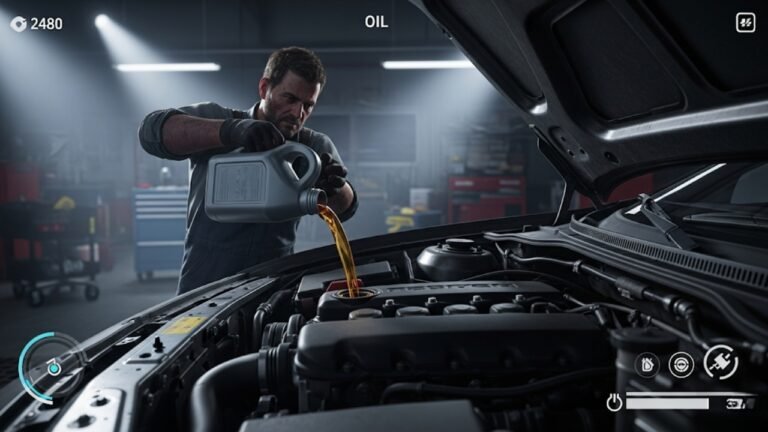
You don’t need to rebuild the engine, but fixing small issues can make a big difference. Replace burnt-out bulbs, top off fluids, and check tire pressure. If your windshield has a small chip, consider getting it repaired—it’s cheaper than a full replacement and shows you care about the car’s condition.
Check the battery, brakes, and belts. If anything seems off, get it checked by a mechanic. A pre-sale inspection can uncover hidden problems and give you peace of mind. Plus, you can include a recent inspection report in your listing to build buyer trust.
Gather Maintenance and Repair Records
Buyers love transparency. If you’ve kept records of oil changes, tire rotations, brake work, or major repairs, gather them in a folder or binder. This shows that the car has been well cared for and can justify a higher price.
If you don’t have physical records, check with your mechanic or use apps like Carfax or AutoCheck to pull service history. Even a simple list of recent maintenance (e.g., “Oil changed 2 months ago, new brakes installed last year”) can go a long way.
Consider a Pre-Sale Inspection
Some buyers will want to have the car inspected by their own mechanic before purchasing. To speed up the process, consider getting a pre-sale inspection yourself. Many shops offer this service for $100–$150. You’ll get a detailed report that you can share with potential buyers, which can reduce back-and-forth and build confidence.
Step 2: Determine the Right Price
Pricing your car correctly is one of the most important steps in how to sell a car Washington State. Set it too high, and you’ll scare off buyers. Set it too low, and you’ll leave money on the table.
Research Market Value
Start by researching similar vehicles in your area. Use trusted sources like Kelley Blue Book (KBB), Edmunds, or NADA Guides. These tools let you input your car’s year, make, model, mileage, condition, and features to get a fair market value.
For example, a 2018 Honda Accord with 60,000 miles in good condition might be worth $18,000–$20,000 in the Seattle area. But if it has high mileage or needs repairs, that number drops.
Don’t forget to check local listings. Browse Craigslist, Facebook Marketplace, and Autotrader to see what similar cars are selling for. Pay attention to how long they’ve been listed—cars that sit for weeks may be overpriced.
Adjust for Condition and Extras
Your car’s condition plays a big role in pricing. A vehicle in “excellent” condition—clean, well-maintained, no mechanical issues—can command top dollar. If it’s in “fair” or “poor” condition, you’ll need to adjust accordingly.
Also consider extras like upgraded sound systems, alloy wheels, or a sunroof. These can add value, but don’t overestimate their worth. Most buyers won’t pay a premium for aftermarket parts unless they’re high-end or professionally installed.
Set a Competitive Asking Price
Once you have a range, set your asking price slightly above the lower end. This gives you room to negotiate while still being attractive to buyers. For example, if similar cars are listed at $19,000, you might list yours at $19,500.
Avoid pricing at round numbers like $20,000. Odd numbers like $19,495 or $19,750 can make your car seem like a better deal.
Be Ready to Negotiate
Most buyers will try to negotiate. That’s normal. Decide in advance the lowest price you’re willing to accept—your “walk-away” number. Stick to it, but be flexible. If a buyer offers $18,500 and your minimum is $18,750, you might meet in the middle at $18,600.
Remember: the goal is to sell quickly and fairly. Don’t let pride get in the way of a good deal.
Step 3: Gather Required Documents
Selling a car in Washington State involves more than just handing over the keys. You’ll need to provide several important documents to complete the sale legally and protect yourself from future liability.
Vehicle Title
The title is the most important document. It proves you own the car and have the right to sell it. Make sure the title is signed correctly and has no errors. If you’ve lost the title, you can request a duplicate from the Washington State Department of Licensing (DOL).
If you’re still making payments on the car, you’ll need to pay off the loan first. The lender holds the title until the balance is paid. Once it’s paid, they’ll release the title to you.
Odometer Disclosure Statement
Federal law requires you to disclose the vehicle’s mileage at the time of sale. This is usually done on the back of the title or on a separate form. You’ll need to check the correct box—whether the mileage is accurate, exceeds mechanical limits, or is not actual mileage (e.g., if the odometer was replaced).
Be honest. Lying about mileage is illegal and can lead to serious consequences.
Bill of Sale
While not always required, a bill of sale is highly recommended. It serves as a receipt and proof of the transaction. The DOL provides a free Bill of Sale form (Form TD-207) on their website.
The form should include:
– Seller and buyer names and addresses
– Vehicle description (year, make, model, VIN)
– Sale price
– Date of sale
– Signatures of both parties
Keep a copy for your records.
Emissions Test (If Required)
Washington State requires emissions testing for most vehicles in certain counties, including King, Pierce, Snohomish, and Clark. If your car is registered in one of these areas, it must pass an emissions test within 90 days before the sale.
You can get the test done at an authorized emissions station. The cost is usually around $30–$40. Once passed, you’ll receive a certificate that you should provide to the buyer.
Note: Electric vehicles and motorcycles are exempt from emissions testing.
Release of Liability Form
After the sale, you must notify the DOL that you’re no longer responsible for the vehicle. This is done by submitting a Release of Liability form (Form TD-207) online or by mail within 10 days of the sale.
This protects you from fines, tolls, or parking tickets the new owner might incur. Without it, you could still be held liable.
Step 4: Advertise Your Car Effectively
Now that your car is clean, priced, and documented, it’s time to find a buyer. The key is to reach as many potential buyers as possible with a clear, honest, and attractive listing.
Choose the Right Platforms
There are several great places to list your car online:
– **Craigslist**: Free and widely used, especially for local sales.
– **Facebook Marketplace**: Easy to use and integrates with your social network.
– **Autotrader**: Popular with serious buyers, but may charge a fee.
– **Cars.com**: Another trusted site with a large audience.
– **OfferUp**: Mobile-friendly and popular in urban areas.
You don’t need to use all of them—pick 2–3 that fit your audience. For example, if you’re selling a family SUV, Facebook Marketplace and Autotrader might be best.
Write a Clear and Honest Description
Your listing should be easy to read and packed with useful information. Start with a strong headline that includes key details: “2018 Honda Accord EX-L, 60k Miles, Clean Title, Excellent Condition.”
In the description, include:
– Year, make, model, and trim
– Mileage
– Condition (excellent, good, fair)
– Key features (sunroof, leather seats, backup camera, etc.)
– Recent maintenance or repairs
– Reason for selling
– Whether it’s been in any accidents
Be honest about flaws. If the car has a dent or the AC doesn’t work, say so. Buyers appreciate transparency, and it prevents disputes later.
Take High-Quality Photos
Photos are crucial. Take pictures in good lighting—early morning or late afternoon works best. Avoid direct sunlight, which can create harsh shadows.
Shoot from multiple angles:
– Front, back, and both sides
– Interior (driver’s seat, passenger seat, back seat, trunk)
– Engine bay
– Close-ups of any damage or special features
Use a clean background—your driveway or a quiet street works fine. Avoid cluttered garages or busy parking lots.
Respond Promptly to Inquiries
When buyers reach out, respond quickly and politely. Answer questions honestly and schedule test drives if they seem serious.
Be cautious of scams. If someone offers to pay with a cashier’s check or wants to ship the car without seeing it, it’s likely a scam. Stick to local, in-person transactions.
Step 5: Complete the Sale Safely and Legally
Once you’ve found a buyer, it’s time to finalize the sale. This step is critical—do it wrong, and you could face legal or financial trouble.
Meet in a Safe, Public Location
Always meet in a public place—like a police station parking lot, bank, or busy shopping center. Avoid meeting at your home or late at night.
Some police departments even offer “safe exchange zones” with cameras and lighting for this purpose.
Verify Payment Before Handing Over the Car
Accept only secure payment methods:
– Cash
– Cashier’s check (verify it at the bank)
– Bank wire transfer
Avoid personal checks, money orders, or Venmo/PayPal for large amounts—they can be fake or reversed.
Never hand over the car until payment is confirmed.
Sign Over the Title
On the back of the title, fill in the buyer’s name, address, sale price, and date. Sign your name exactly as it appears on the front.
Make sure the odometer disclosure is completed. Both you and the buyer should sign.
Provide a Bill of Sale
Give the buyer a completed Bill of Sale (Form TD-207). Keep a copy for your records.
Remove License Plates and Personal Items
In Washington, license plates stay with the vehicle. Do not remove them unless you’re keeping the car and transferring the plates to a new vehicle.
Before handing over the keys, remove all personal items—registration, insurance cards, garage door openers, etc.
Notify the DOL
Within 10 days of the sale, submit a Release of Liability form to the DOL. You can do this online at the DOL website.
This step is crucial—it officially transfers responsibility to the buyer.
Step 6: Understand Taxes, Fees, and Post-Sale Responsibilities
Selling a car in Washington State doesn’t involve sales tax for the seller, but there are still financial and legal considerations.
Sales Tax and the Buyer
In Washington, the buyer pays sales tax on the purchase price. The current state rate is 6.5%, but local rates can push the total to 8–10%.
You don’t collect or pay this tax—it’s the buyer’s responsibility when they register the car.
No Sales Tax on Private Sales
Unlike dealerships, private sellers don’t charge or collect sales tax. The buyer pays it directly to the DOL when registering the vehicle.
Keep Records
Keep copies of the title, bill of sale, and release of liability form for at least three years. These can protect you if the buyer has issues with registration or if the DOL contacts you later.
Cancel Insurance
Once the sale is complete, contact your insurance company to cancel or adjust your policy. You don’t want to keep paying for a car you no longer own.
If you’re buying a new car, make sure the new policy starts before the old one ends.
Final Thoughts: Selling Your Car with Confidence
Selling a car in Washington State doesn’t have to be complicated. By preparing your vehicle, pricing it fairly, gathering the right documents, and completing the sale safely, you can turn a potentially stressful process into a smooth and successful transaction.
Remember: honesty, transparency, and attention to detail go a long way. Buyers are more likely to trust and pay a fair price for a car that’s been well cared for and clearly presented.
Take your time, follow the steps in this guide, and don’t rush into a deal that doesn’t feel right. With the right approach, you’ll find the right buyer, get a fair price, and walk away with peace of mind.
Whether you’re upgrading, downsizing, or just ready for a change, selling your car can be a positive experience—especially when you know exactly how to sell a car Washington State the right way.
Frequently Asked Questions
Do I need a smog test to sell a car in Washington State?
Yes, if your vehicle is registered in certain counties like King, Pierce, Snohomish, or Clark, it must pass an emissions test within 90 days before the sale. Electric vehicles and motorcycles are exempt.
Can I sell my car if I still owe money on it?
No, you must pay off the loan first. The lender holds the title until the balance is paid. Once paid, they’ll release the title so you can transfer ownership.
Do I have to provide a bill of sale in Washington?
While not always required, a bill of sale is strongly recommended. It protects both parties and serves as proof of the transaction. The DOL provides a free form online.
How long do I have to notify the DOL after selling my car?
You must submit a Release of Liability form to the DOL within 10 days of the sale. This protects you from future liability for tickets or fines.
Can I sell my car without a title?
No, you need the title to prove ownership. If you’ve lost it, request a duplicate from the Washington State Department of Licensing before listing the car.
What payment methods are safest when selling a car?
Cash, verified cashier’s checks, or bank wire transfers are the safest options. Avoid personal checks, money orders, or digital payments for large amounts, as they can be fraudulent.