How to Sell a Car to Someone Out of State

Selling a car to someone out of state can seem complicated, but with the right preparation and knowledge, it’s completely doable. From handling paperwork to ensuring safe payment and delivery, this guide walks you through every step to help you sell your vehicle confidently and legally—no matter the distance.
So, you’ve decided to sell your car—but the buyer lives in another state. Maybe you found a great offer from someone in Colorado while you’re in Florida, or a collector in Oregon wants your vintage Mustang. Whatever the reason, selling a car across state lines isn’t as simple as handing over the keys and walking away. There are legal steps, paperwork hurdles, and logistical challenges to navigate. But don’t worry—this process is totally manageable if you go in prepared.
Selling a car to someone out of state might feel intimidating at first, especially if you’ve never done it before. You might be wondering: Do I need to meet in person? How do I transfer the title? What if the buyer backs out after I ship the car? These are all valid concerns, and the good news is that millions of people successfully sell vehicles across state lines every year. With the right knowledge and a little planning, you can do it too—safely, legally, and with confidence.
In this guide, we’ll walk you through every step of selling a car to someone out of state, from preparing your vehicle and documents to finalizing the sale and protecting yourself from liability. Whether you’re selling a daily driver, a used SUV, or a classic car, these tips will help you avoid common pitfalls and close the deal smoothly.
In This Article
- 1 Key Takeaways
- 2 📑 Table of Contents
- 3 Understand the Legal Requirements for Interstate Car Sales
- 4 Gather and Prepare All Necessary Documents
- 5 Ensure Safe and Secure Payment
- 6 Arrange Safe and Legal Vehicle Delivery
- 7 Finalize the Sale and Protect Yourself
- 8 Tips for a Smooth Out-of-State Car Sale
- 9 Frequently Asked Questions
- 9.1 Do I need to meet the buyer in person to sell a car out of state?
- 9.2 Can I sell my car if I still have a loan on it?
- 9.3 What if the buyer backs out after I ship the car?
- 9.4 Do I need to pay taxes when selling a car out of state?
- 9.5 How long does it take to ship a car across the country?
- 9.6 What happens if the buyer can’t register the car in their state?
Key Takeaways
- Understand state-specific laws: Each state has different rules for vehicle sales, titling, and registration, so research both your state and the buyer’s to avoid legal issues.
- Prepare all required documents: You’ll need the title, bill of sale, odometer disclosure, and possibly a vehicle history report to complete the sale legally.
- Use secure payment methods: Avoid cash or personal checks; opt for cashier’s checks, wire transfers, or escrow services to protect both parties.
- Arrange safe vehicle delivery: Whether shipping or driving the car, choose a trusted method and consider insurance during transit.
- Notify your DMV and insurance company: Cancel or transfer your insurance and file a release of liability to avoid future responsibility for the vehicle.
- Communicate clearly with the buyer: Transparency builds trust—share maintenance records, known issues, and respond promptly to questions.
- Consider using an escrow service for high-value sales: For luxury or classic cars, an escrow service adds an extra layer of security for both buyer and seller.
📑 Table of Contents
Understand the Legal Requirements for Interstate Car Sales
When selling a car across state lines, the first thing you need to do is understand the legal landscape. Every state has its own rules about vehicle sales, titling, registration, and taxes. What’s acceptable in one state might not fly in another. That’s why it’s crucial to research both your home state and the buyer’s state before moving forward.
Research Your State’s Seller Requirements
Start by checking your state’s Department of Motor Vehicles (DMV) website. Most states require sellers to complete certain steps when transferring ownership. Common requirements include:
– Signing over the title correctly (including odometer reading and seller signature)
– Providing a bill of sale
– Filing a release of liability form
– Emissions or safety inspections (in some states)
For example, in California, you must submit a Notice of Transfer and Release of Liability within 5 days of the sale. In Texas, you’ll need a properly filled-out title and a Vehicle Transfer Notification. Failing to file these forms can leave you on the hook for parking tickets, tolls, or even accidents involving the car after the sale.
Check the Buyer’s State Rules
Just as important is understanding what the buyer needs to do in their state. Some states require out-of-state vehicles to pass inspections before registration. Others have specific forms for titling vehicles purchased from another state. For instance, New York requires a Vehicle Identification Number (VIN) inspection for all out-of-state purchases, while Arizona may require emissions testing depending on the county.
You don’t need to become an expert in the buyer’s state laws, but you should at least know what documents they’ll need from you. This helps you prepare the right paperwork and avoid delays. A quick call or email to the buyer asking, “What do you need from me to register the car in your state?” can save a lot of back-and-forth later.
Know About Sales Tax and Use Tax
Another legal consideration is tax. In most cases, the buyer pays sales tax in their home state when they register the vehicle. However, some states require the seller to collect and remit tax, especially if the sale is facilitated through a dealer. Private sellers are usually off the hook, but it’s smart to confirm.
For example, if you sell a car from Illinois to a buyer in Indiana, the buyer will pay Indiana’s use tax when they register the vehicle. You don’t collect tax, but you should still document the sale price for your records. Keep in mind that if the buyer finances the car, the lender may require proof of tax payment.
Gather and Prepare All Necessary Documents
Visual guide about How to Sell a Car to Someone Out of State
Image source: allbusinesstemplates.com
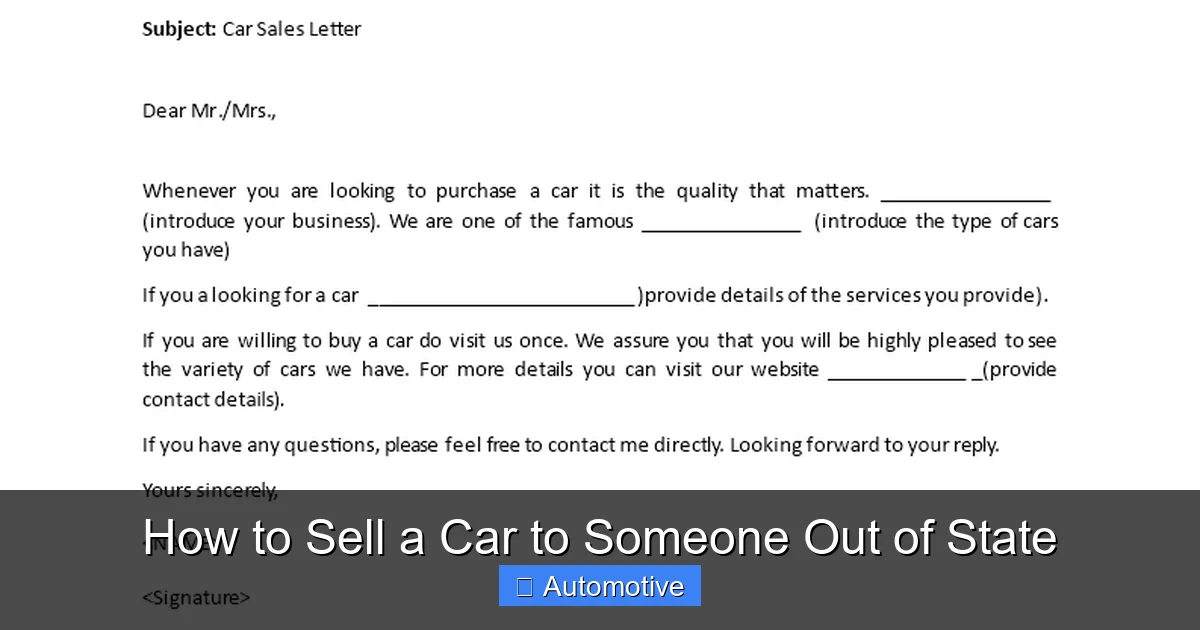
Once you understand the legal basics, it’s time to gather your paperwork. Having everything in order upfront makes the process faster and reduces the risk of disputes. Missing or incorrect documents are one of the most common reasons interstate car sales fall through.
Title Transfer: The Most Important Document
The vehicle title is the cornerstone of any car sale. It proves ownership and must be signed over to the buyer. Make sure your title is:
– Free of liens (if there’s a loan, pay it off first or coordinate with the lender)
– Signed in the correct section (usually “Seller” or “Transferor”)
– Includes the odometer reading (required by federal law for vehicles under 10 years old)
– Dated and includes the sale price
If your title is lost or damaged, contact your state DMV to get a duplicate before listing the car. Some states allow electronic titling, but for out-of-state sales, a physical signed title is usually required.
Bill of Sale: A Simple but Essential Form
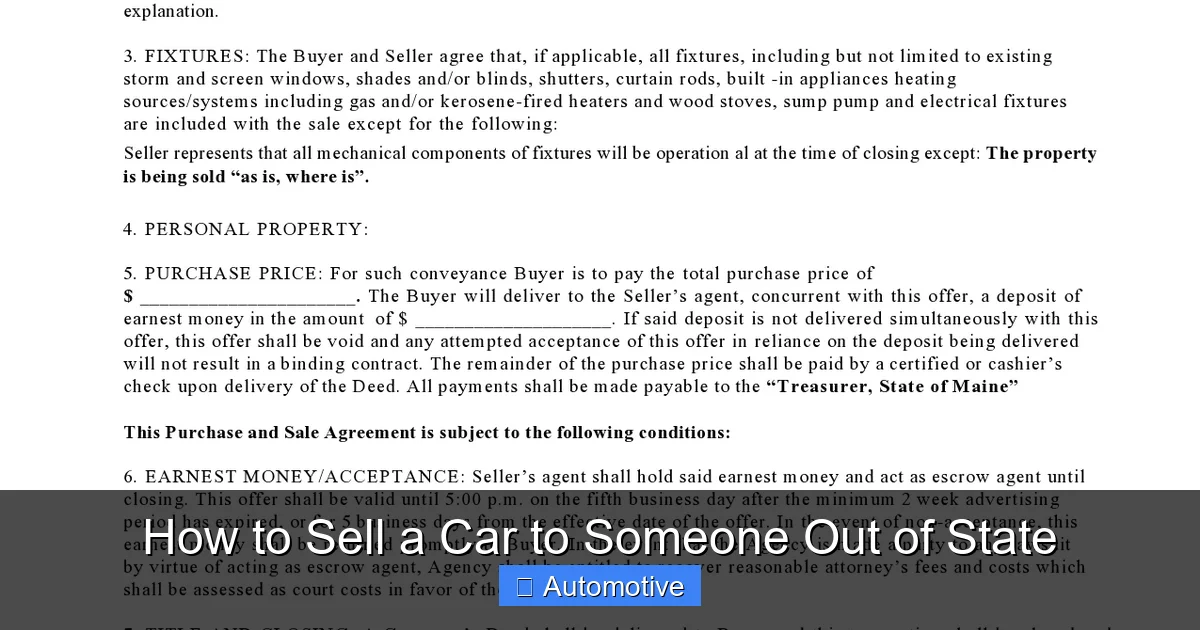
A bill of sale is a legal document that records the details of the transaction. While not always required, it’s highly recommended. It should include:
– Seller and buyer names and addresses
– Vehicle make, model, year, VIN, and mileage
– Sale price and date
– Signatures of both parties
You can find free bill of sale templates online from your state DMV or legal websites. Some states have official forms—check your DMV site to be sure. Even if it’s not mandatory, a bill of sale protects both parties and can be used as proof of sale if questions arise later.
Odometer Disclosure Statement
Federal law requires you to disclose the vehicle’s mileage at the time of sale if it’s less than 10 years old. This is typically done on the title itself, but some states require a separate odometer disclosure form. Lying about mileage is a federal offense, so be honest—even if the odometer stopped working. In that case, note “Not Actual Mileage” or “Exceeds Mechanical Limits” as appropriate.
Vehicle History Report and Maintenance Records
While not legally required, providing a vehicle history report (like from Carfax or AutoCheck) builds trust with the buyer. It shows accidents, title issues, service records, and ownership history. You can order one online for around $30–$40.
Also, gather any maintenance records you have. Receipts for oil changes, brake work, or major repairs show the car has been well cared for. This can justify your asking price and ease the buyer’s concerns.
Release of Liability Form
After the sale, you must notify your state DMV that you’re no longer responsible for the vehicle. This is done by submitting a release of liability form. In most states, this can be done online. Once filed, you’re protected from liability for tickets, accidents, or tolls incurred after the sale date.
Don’t skip this step—even if the buyer promises to register the car right away. Delays happen, and you don’t want to be on the hook for something that happened weeks later.
Ensure Safe and Secure Payment

Visual guide about How to Sell a Car to Someone Out of State
Image source: img.autotrader.co.za
One of the biggest risks in an out-of-state car sale is payment. You can’t just hand over the keys and walk away—you need to make sure the money is real and secure before releasing the vehicle. Scammers often target private sellers with fake checks or fraudulent wire transfers, so it’s important to use trusted methods.
Avoid Cash and Personal Checks
While cash seems safe, it’s risky to carry large amounts across state lines—especially if you’re meeting the buyer in person. Personal checks can bounce, and even cashier’s checks can be forged. If you must accept a cashier’s check, wait for it to fully clear with your bank before handing over the car. This can take 3–5 business days.
Use a Wire Transfer or Bank Draft
Wire transfers are one of the safest ways to receive payment. The money is transferred directly from the buyer’s bank to yours, and once it’s in your account, it’s usually final. Most banks charge a small fee (around $15–$30), but it’s worth it for peace of mind.
Another option is a bank draft or certified check from a well-known bank. Make sure the check is made out to you and verify its authenticity with your bank before completing the sale.
Consider an Escrow Service for High-Value Sales
For luxury cars, classic vehicles, or sales over $10,000, consider using an escrow service. These third-party companies hold the buyer’s money until the vehicle is delivered and inspected. Once both parties confirm everything is in order, the escrow service releases the funds to you.
Popular escrow services for vehicle sales include Escrow.com and AutoPayPlus. They charge a fee (usually 1–3% of the sale price), but they protect both buyer and seller from fraud. This is especially helpful if you’re shipping the car and won’t meet the buyer in person.
Meet in a Safe Location (If Possible)
If the buyer is willing to travel, consider meeting at a bank or credit union. Many banks allow customers to verify checks and complete wire transfers on-site. This adds a layer of security and ensures the payment is legitimate before you hand over the keys.
If meeting isn’t possible, use tracked shipping for documents and arrange delivery through a reputable transport company. Never send the title or keys until payment is confirmed.
Arrange Safe and Legal Vehicle Delivery
Visual guide about How to Sell a Car to Someone Out of State
Image source: templatelab.com
Once payment is secured, it’s time to get the car to the buyer. This is where logistics come into play. You have a few options: the buyer picks it up, you drive it to them, or you ship it. Each has pros and cons.
Buyer Pickup: The Simplest Option
If the buyer is willing to travel, this is the easiest method. They come to your location, inspect the car, sign the paperwork, and drive away. This eliminates shipping costs and reduces the risk of damage during transit.
To make it smooth:
– Schedule a specific date and time
– Have all documents ready
– Allow time for a test drive and inspection
– Meet in a public, well-lit area (like a mall parking lot)
Even with buyer pickup, make sure payment is cleared before handing over the keys. Don’t accept “I’ll pay when I get home”—that’s a red flag.
Driving the Car to the Buyer
Some sellers choose to drive the car to the buyer, especially if it’s a long-distance sale or the buyer can’t travel. This can be a good option if you’re already planning a trip in that direction.
Before you go:
– Ensure the car is insured for the trip (your current policy usually covers it)
– Carry a copy of the bill of sale and title
– Plan your route and notify someone of your travel plans
– Consider staying overnight if it’s a long drive
Keep in mind that once you cross state lines, you may need to comply with the buyer’s state laws for temporary registration or transit permits. Check with both states’ DMVs to be safe.
Shipping the Vehicle
For most out-of-state sales, shipping is the most practical option. Professional auto transport companies can deliver the car safely and efficiently. Here’s how to do it right:
– Get quotes from at least three reputable carriers (use sites like uShip or Montway)
– Choose enclosed transport for high-value or classic cars
– Verify the company is licensed and insured (check the FMCSA website)
– Get a written contract detailing pickup, delivery, and insurance coverage
Most shippers require the car to be empty (no personal items), with a quarter tank of gas, and accessible for loading. You’ll typically pay 50% upfront and the rest upon delivery.
Insurance During Transit
Make sure the shipping company provides insurance coverage. Most offer basic liability, but you may want to upgrade for full coverage, especially for expensive vehicles. Your own auto insurance may not cover the car while it’s in transit, so don’t assume you’re protected.
Once the car is delivered, the buyer should inspect it immediately and report any damage to the shipper and you. Keep copies of all shipping documents for your records.
Finalize the Sale and Protect Yourself
After the car is delivered and the buyer is happy, your job isn’t quite done. There are a few final steps to protect yourself and complete the transaction legally.
Confirm Receipt of Documents
Make sure the buyer has received the signed title, bill of sale, and any other paperwork. Ask for confirmation via email or text. This creates a paper trail in case of disputes.
Cancel or Transfer Your Insurance
Once the sale is complete, contact your insurance company to cancel coverage on the vehicle. Most insurers require you to remove the car from your policy within a few days of the sale. If you’re buying a new car, you can often transfer coverage, but don’t leave the old car insured unnecessarily—it’s a waste of money and could complicate claims.
File a Release of Liability
As mentioned earlier, submit a release of liability form to your state DMV. This is your legal protection. In most states, you can do this online. Keep the confirmation number or receipt for your records.
Keep Records for Your Taxes
While private car sales aren’t taxable as income (unless you’re a dealer), you should keep records of the sale for your personal files. This includes the bill of sale, title copy, and communication with the buyer. These documents can be useful if the IRS ever questions the transaction or if you need to prove the sale later.
Follow Up with the Buyer (Optional but Helpful)
A quick follow-up email or message asking if the registration went smoothly can go a long way. It shows you’re professional and care about the transaction. Plus, if there’s an issue with the title or paperwork, you can help resolve it before it becomes a bigger problem.
Tips for a Smooth Out-of-State Car Sale
Beyond the legal and logistical steps, a few practical tips can make your sale go more smoothly:
– Be transparent: Disclose any known issues with the car. Honesty builds trust and reduces the chance of returns or disputes.
– Price competitively: Use tools like Kelley Blue Book or Edmunds to set a fair price. Out-of-state buyers often compare prices across regions.
– Respond quickly: Prompt communication shows you’re serious and reliable. Answer questions within 24 hours if possible.
– Use secure communication: Avoid sharing personal info like your home address. Use email or messaging apps instead of giving out your phone number right away.
– Take high-quality photos: Clear, well-lit pictures of the exterior, interior, engine, and tires help attract serious buyers.
Selling a car to someone out of state doesn’t have to be stressful. With the right preparation, you can complete the sale safely, legally, and efficiently—no matter the distance.
Frequently Asked Questions
Do I need to meet the buyer in person to sell a car out of state?
No, you don’t have to meet in person. Many out-of-state sales are completed remotely using secure payment methods and vehicle shipping. However, meeting can simplify the process if the buyer is willing to travel.
Can I sell my car if I still have a loan on it?
Yes, but you’ll need to pay off the loan first or coordinate with the lender. Most lenders will release the title once the loan is paid, or they may allow a third-party payoff during the sale.
What if the buyer backs out after I ship the car?
This is why secure payment and clear contracts are essential. If you used an escrow service or confirmed payment before shipping, you’re protected. Always get a signed bill of sale and delivery confirmation.
Do I need to pay taxes when selling a car out of state?
Generally, no—private sellers don’t pay sales tax on vehicle sales. The buyer pays use tax in their home state when they register the car. However, keep records of the sale price for your files.
How long does it take to ship a car across the country?
Most auto transport companies deliver within 5–10 business days, depending on distance and route. Enclosed transport may take longer but offers better protection.
What happens if the buyer can’t register the car in their state?
This is rare but can happen due to emissions or safety standards. Make sure the car meets the buyer’s state requirements before selling, and provide all necessary documents to help with registration.