How to Sell a Car Privately in Tn
Selling a car privately in Tennessee can get you more money than trading it in—but it takes planning. From pricing your vehicle right to handling DMV paperwork, this guide walks you through every step to make the process smooth, legal, and profitable.
Thinking about selling your car privately in Tennessee? You’re not alone. More and more drivers are choosing private sales over trade-ins because they often walk away with hundreds—or even thousands—of dollars more. But while the payoff can be big, the process isn’t always straightforward. From figuring out what your car is worth to handing over the keys legally, there are several steps you’ll need to get right.
The good news? Selling a car privately in TN doesn’t have to be stressful. With the right preparation, a little research, and some common sense, you can sell your vehicle quickly, safely, and for top dollar. This guide will walk you through every step—from cleaning your car to signing the title—so you can confidently navigate the private sale process in Tennessee.
Whether you’re upgrading to a newer model, downsizing, or just ready to part ways with your current ride, this comprehensive guide covers everything you need to know. We’ll talk about pricing strategies, how to create an eye-catching listing, safety tips for meeting buyers, and the exact paperwork required by the Tennessee Department of Revenue (DOR). By the end, you’ll feel ready to sell your car like a pro.
In This Article
- 1 Key Takeaways
- 2 📑 Table of Contents
- 3 Step 1: Determine Your Car’s Market Value
- 4 Step 2: Prepare Your Car for Sale
- 5 Step 3: Create a Winning Listing
- 6 Step 4: Handle Inquiries and Test Drives Safely
- 7 Step 5: Complete the Sale and Transfer Ownership
- 8 Step 6: Avoid Common Pitfalls and Scams
- 9 Final Thoughts: Sell Smart, Stay Safe
- 10 Frequently Asked Questions
- 10.1 Do I need a bill of sale to sell a car privately in Tennessee?
- 10.2 Can I sell my car if I still owe money on it?
- 10.3 How long does it take to sell a car privately in TN?
- 10.4 Do I have to pay taxes when I sell my car in Tennessee?
- 10.5 What happens if the buyer doesn’t transfer the title?
- 10.6 Can I sell a car with a salvage title in Tennessee?
Key Takeaways
- Research your car’s value: Use tools like Kelley Blue Book or Edmunds to price your vehicle competitively based on condition, mileage, and market demand.
- Prepare your car for sale: Clean it inside and out, fix minor issues, and gather maintenance records to boost buyer confidence.
- Create a compelling ad: Write a clear, honest description with high-quality photos and key details like VIN, features, and reason for selling.
- Handle test drives safely: Meet in public, verify the buyer’s license, and consider bringing a friend or using a secure location like a police station.
- Complete the title transfer correctly: Sign the title properly, fill out the bill of sale, and notify the Tennessee DMV within 30 days to avoid liability.
- Avoid scams and fraud: Be wary of overpaying checks, wire transfers, or buyers who refuse to meet in person.
- Know your tax and fee responsibilities: While private sales aren’t taxed in TN, you may owe use tax if you buy another vehicle soon after.
📑 Table of Contents
Step 1: Determine Your Car’s Market Value
Before you even think about posting an ad, you need to know how much your car is actually worth. Pricing it too high could mean it sits on the market for months. Price it too low, and you’re leaving money on the table. The key is finding that sweet spot—fair to buyers, profitable for you.
Start by researching similar vehicles in your area. Websites like Kelley Blue Book (KBB), Edmunds, and NADA Guides let you enter your car’s make, model, year, mileage, trim level, and condition to get a realistic estimate. These tools factor in local market trends, so a 2018 Honda Civic might be worth more in Nashville than in rural West Tennessee due to demand.
But don’t stop there. Check active listings on platforms like Facebook Marketplace, Craigslist, Autotrader, and Cars.com. Look at cars with similar mileage, features, and condition. Are they priced at $15,000? $16,500? Use that data to set your own price. A good rule of thumb is to price your car slightly below the average if you want a quick sale, or at the higher end if you’re willing to wait for the right buyer.
For example, if most 2019 Toyota Camrys with 60,000 miles are listed around $18,000, consider pricing yours at $17,700 to attract attention. But if your car has low mileage, a clean service history, and premium features like leather seats or a sunroof, you might justify pricing it at $18,200.
Also, be honest about your car’s condition. A vehicle with minor dents, worn tires, or a check engine light will sell for less than one that’s been well-maintained. If you’ve kept detailed maintenance records—oil changes, brake jobs, tire replacements—use that to your advantage. It shows buyers you’ve taken care of the car, which can justify a higher price.
Adjust for Extras and Upgrades
If you’ve added aftermarket features like a premium sound system, alloy wheels, or a tow hitch, mention them in your listing—but don’t expect to recoup the full cost. Most buyers won’t pay extra for modifications unless they’re highly desirable (like all-terrain tires on a truck). Still, these upgrades can make your car stand out and justify a slightly higher price.
Consider Timing and Seasonality
Believe it or not, when you sell matters. Convertibles and sports cars often sell faster in spring and summer, while SUVs and trucks may move quicker in fall and winter. If you’re flexible, consider timing your sale to match seasonal demand. Also, avoid selling right before major holidays—people are busy and less likely to shop for cars.
Step 2: Prepare Your Car for Sale
First impressions matter—especially when selling a car. A clean, well-maintained vehicle tells buyers you’ve taken care of it, which builds trust and can lead to a higher sale price. Think of this step as your car’s “makeover” before the big debut.
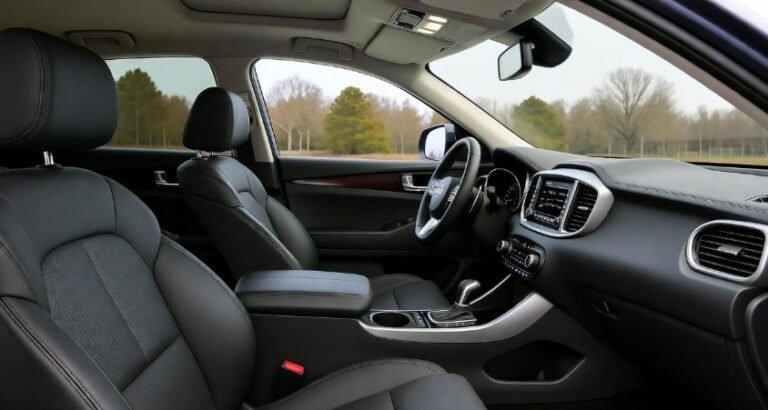
Start with a thorough cleaning. Wash the exterior, wax it if possible, and clean the windows inside and out. Don’t forget the wheels and tires—grime buildup can make even a nice car look neglected. Inside, vacuum the carpets, wipe down surfaces, and clean the seats. If you have leather, use a conditioner to restore shine. Remove any personal items, air fresheners, or clutter. A tidy interior makes the car feel newer and more spacious.
Next, address minor cosmetic issues. Small scratches, dings, or chipped paint can be fixed with touch-up kits available at auto parts stores. A $20 repair can make a big difference in how your car looks. If the headlights are foggy, consider restoring them with a headlight restoration kit—this can improve visibility and curb appeal.
Fix Mechanical Issues (If Worth It)
Now, what about mechanical problems? Should you fix them before selling? It depends. Major repairs like a blown transmission or engine issues usually aren’t worth the investment unless you’re selling to a mechanic or enthusiast. But minor fixes—like replacing a burnt-out headlight, fixing a broken power window, or replacing worn wiper blades—can increase your car’s value and appeal.
For example, if your car has a check engine light on, get it scanned at an auto parts store (many offer free scans). If it’s a simple fix like a loose gas cap or a faulty oxygen sensor, replacing it could save you from losing $500–$1,000 in negotiating power.
Gather Documentation
Buyers love transparency. Collect all relevant paperwork, including:
– Maintenance and repair records
– Owner’s manual
– Warranty information (if still active)
– Recent inspection or emissions test results (if applicable)
Having these on hand shows you’re serious and helps answer buyer questions quickly. It also reduces the chance of last-minute negotiations based on uncertainty.
Get a Pre-Sale Inspection (Optional but Smart)
Consider getting a pre-sale inspection from a trusted mechanic. For around $100–$150, they’ll give your car a full check-up and provide a report. You can share this with buyers to prove the car is in good condition. Some sellers even offer a “certified pre-owned” vibe by including the inspection report in their listing—this can justify a higher price and speed up the sale.
Step 3: Create a Winning Listing
Once your car is clean and ready, it’s time to create a listing that grabs attention. A great ad doesn’t just describe the car—it tells a story, builds trust, and answers questions before they’re asked.
Start with a clear, descriptive title. Include the year, make, model, and key selling points. For example: “2017 Ford F-150 XLT – 4WD, Low Miles, Clean Title, One Owner.” Avoid vague titles like “Nice Truck for Sale”—they get lost in search results.
In the description, be honest and thorough. Mention:
– Mileage
– Condition (exterior, interior, mechanical)
– Features (navigation, backup camera, heated seats, etc.)
– Reason for selling (e.g., “Upgrading to a larger vehicle”)
– Any known issues (e.g., “Small dent on rear bumper”)
Use bullet points for easy reading. For example:
– 45,000 miles
– Automatic transmission
– Backup camera and Bluetooth
– Recently replaced tires and brakes
– Clean title, no accidents
Take High-Quality Photos
Photos are crucial. Most buyers decide whether to inquire based on pictures alone. Take photos in natural daylight, preferably outdoors. Shoot from multiple angles:
– Front, back, and both sides
– Interior (dashboard, seats, trunk)
– Engine bay
– Close-ups of any flaws (to show honesty)
Avoid dark, blurry, or cluttered shots. A clean, well-lit photo of your car parked in a quiet street or driveway will outperform a messy garage shot every time.
Choose the Right Platforms
Post your listing on multiple platforms to reach more buyers. Popular options in Tennessee include:
– Facebook Marketplace (great for local sales)
– Craigslist (still widely used, especially in smaller towns)
– Autotrader and Cars.com (better for higher-priced vehicles)
– OfferUp and Letgo (mobile-friendly apps)
Each platform has its pros and cons. Facebook Marketplace is free and easy to use, but you may get more scammers. Craigslist is free but requires more vigilance. Paid sites like Autotrader can cost $30–$100 but attract serious buyers.
Set a Fair Price and Be Open to Negotiation
Price your car competitively, but leave a little room for negotiation. Most buyers expect to haggle, so pricing at $17,700 when your target is $17,500 gives you wiggle room. Be firm but flexible—don’t lowball yourself, but don’t be rigid either.
Step 4: Handle Inquiries and Test Drives Safely
Once your listing goes live, inquiries will start rolling in. Some will be serious, others not. Here’s how to handle them wisely.
Respond promptly but cautiously. Ask buyers why they’re interested and how they plan to pay. Serious buyers will ask detailed questions about the car’s condition, history, and features. Scammers often ask vague questions or want to buy immediately without seeing the car.
Screen Buyers Before Meeting
Before agreeing to a meeting, verify the buyer’s identity. Ask for their full name and phone number. A quick Google search or reverse phone lookup can help confirm they’re real. Avoid buyers who refuse to provide basic info or insist on communicating only via email.
Schedule Safe Meetings
Always meet in a public, well-lit place—like a shopping center parking lot, gas station, or police station lobby. Many Tennessee police departments offer “safe exchange zones” with cameras and lighting specifically for online transactions. Check with your local PD to see if this service is available.
Bring a friend or family member with you, especially if the buyer seems nervous or overly eager. Never meet at your home or a remote location.
Conduct Test Drives Responsibly
If the buyer wants to test drive the car, take precautions:
– Verify their driver’s license is valid and matches their ID.
– Ride along during the test drive (never let them drive alone).
– Keep your keys and personal items secure.
– Limit the test drive to 15–20 minutes in a familiar area.
Some sellers ask for a deposit or hold the buyer’s license during the test drive, but this can backfire. A better approach is to stay in the car and maintain control.
Be Prepared for Negotiations
Most buyers will try to negotiate. Stay calm and stick to your bottom line. If they offer $16,000 on a $17,500 car, counter with $17,200. Be ready to walk away if the offer is too low. Remember: you’re not desperate. There are plenty of buyers out there.
Step 5: Complete the Sale and Transfer Ownership
Once you’ve agreed on a price, it’s time to finalize the sale. This step is critical—mishandling it can lead to legal trouble or financial loss.
Accept Secure Payment
Only accept secure payment methods. Cash is the safest option for private sales. If the amount is large, meet at a bank so the buyer can withdraw cash in front of you. Avoid personal checks, money orders, or wire transfers—these can be fake or reversed.
If the buyer wants to pay by cashier’s check, verify it at the issuing bank before handing over the car. Some scammers use fake checks that clear initially but are later rejected.
Sign the Title Correctly
The title is the most important document in the sale. In Tennessee, you must sign the back of the title in the “Seller” section. Make sure:
– Your signature matches the name on the title.
– The sale price is filled in (even if it’s $1—some buyers try to avoid taxes).
– The odometer reading is accurate.
If the title is lost, you’ll need to apply for a duplicate from the Tennessee DOR before selling.
Complete a Bill of Sale
While not always required, a bill of sale protects both parties. It should include:
– Date of sale
– Buyer and seller names and addresses
– Vehicle details (VIN, make, model, year)
– Sale price
– Odometer reading
– Signatures of both parties
You can find free bill of sale templates online or use the Tennessee DOR’s form. Keep a copy for your records.
Notify the DMV
In Tennessee, sellers must notify the DOR within 30 days of the sale. This can be done online or by mailing Form RV-112. This step releases you from liability if the buyer gets a ticket or causes an accident before transferring the title.
Remove License Plates and Cancel Insurance
In Tennessee, license plates stay with the vehicle. However, you should remove any personalized plates and transfer them to your new car if applicable. Cancel your insurance as soon as the sale is complete—don’t wait, or you’ll keep paying for coverage you don’t need.
Step 6: Avoid Common Pitfalls and Scams
Selling a car privately comes with risks. Here’s how to avoid the most common scams:
– **Overpayment scams:** A buyer sends a check for more than the agreed price and asks you to refund the difference. The check later bounces. Never refund money—only accept exact payment.
– **Fake buyers:** Someone claims to be interested but never shows up. They may ask for your VIN or personal info. Be cautious with sensitive details.
– **Title washing:** A buyer tries to hide a salvage title by registering the car in another state. Always check the vehicle history report (like Carfax) before buying—and warn your buyer if your car has a salvage title.
– **Wire transfer fraud:** Buyers may ask to pay via wire transfer, which is irreversible and hard to trace. Stick to cash or verified cashier’s checks.
When in doubt, trust your gut. If something feels off, walk away.
Final Thoughts: Sell Smart, Stay Safe
Selling a car privately in Tennessee can be a rewarding experience—both financially and personally. You get more control over the price, can connect directly with buyers, and often walk away with a better deal than a trade-in. But success depends on preparation, honesty, and caution.
By pricing your car fairly, presenting it well, and following the legal steps for title transfer and DMV notification, you’ll protect yourself and make the process smooth for everyone involved. And by staying alert to scams and meeting buyers safely, you’ll avoid the headaches that can come with private sales.
Remember, the goal isn’t just to sell your car—it’s to sell it the right way. Take your time, do your research, and don’t rush into a deal that doesn’t feel right. With the tips in this guide, you’re well on your way to a successful private car sale in Tennessee.
Frequently Asked Questions
Do I need a bill of sale to sell a car privately in Tennessee?
While not legally required, a bill of sale is highly recommended. It protects both buyer and seller by documenting the sale details, including price, date, and vehicle information. You can use a free template from the Tennessee DOR or create your own.
Can I sell my car if I still owe money on it?
Yes, but you’ll need to pay off the loan first. Contact your lender to get the payoff amount. Once the loan is cleared, the lien will be removed from the title, and you can sell the car. Some buyers may agree to pay the lender directly, but this requires coordination.
How long does it take to sell a car privately in TN?
It varies, but most cars sell within 2–6 weeks if priced right and listed on popular platforms. Factors like condition, mileage, and market demand play a big role. A clean, well-advertised car in a high-demand segment may sell in days.
Do I have to pay taxes when I sell my car in Tennessee?
No, private sellers don’t pay sales tax on the sale. However, if you buy another vehicle soon after, you may owe use tax on the new purchase. The buyer is responsible for paying sales tax when they register the car.
What happens if the buyer doesn’t transfer the title?
As the seller, you’re still liable until the title is transferred. That’s why it’s crucial to notify the Tennessee DOR within 30 days using Form RV-112. This releases you from responsibility if the buyer gets into an accident or receives a ticket.
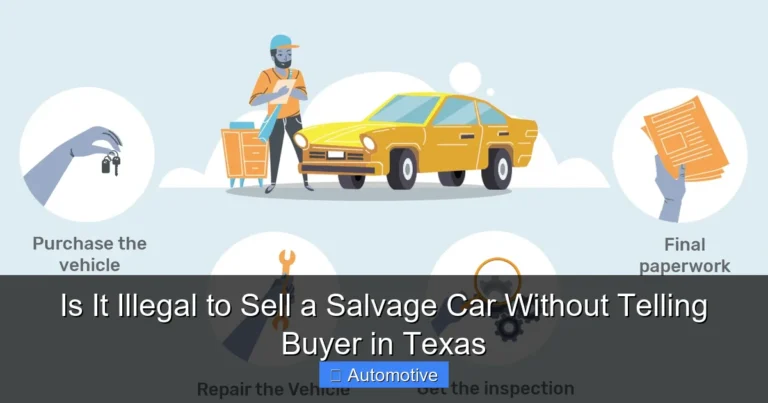
Can I sell a car with a salvage title in Tennessee?
Yes, but you must disclose the salvage title to the buyer. The car will need to pass a rebuilt title inspection before it can be registered. Be transparent in your listing to avoid legal issues or disputes later.