How to Sell a Car Privately in Kansas

Selling a car privately in Kansas can get you more money than trading it in—but it takes planning and know-how. This guide walks you through every step, from pricing your vehicle to finalizing the sale legally and safely.
So, you’ve decided to sell your car privately in Kansas. Maybe you’ve upgraded to a newer model, downsized, or just don’t need the vehicle anymore. Whatever the reason, selling privately can be a smart financial move—often resulting in a higher sale price than trading it in at a dealership. But unlike a quick trade-in, selling privately takes time, effort, and attention to detail.
The good news? Kansas makes the process relatively straightforward—if you know what steps to follow. From pricing your car correctly to handling the legal paperwork, there’s a clear roadmap to a successful private sale. This guide will walk you through every stage, so you can sell your car confidently, legally, and for the best possible price.
Whether you’re selling a sedan, SUV, truck, or even a classic car, the principles remain the same. We’ll cover everything from prepping your vehicle and creating an effective listing to meeting buyers safely and finalizing the transaction. By the end, you’ll feel prepared to handle the entire process like a pro—and walk away with cash in hand and peace of mind.
In This Article
- 1 Key Takeaways
- 2 📑 Table of Contents
- 3 Step 1: Determine the Right Price for Your Car
- 4 Step 2: Gather and Prepare All Necessary Documents
- 5 Step 3: Clean, Repair, and Detail Your Car
- 6 Step 4: Create an Effective Listing and Advertise Your Car
- 7 Step 5: Screen Buyers and Conduct Safe Test Drives
- 8 Step 6: Finalize the Sale and Complete the Paperwork
- 9 Common Mistakes to Avoid When Selling Your Car in Kansas
- 10 Conclusion
- 11 Frequently Asked Questions
- 11.1 Do I need a smog test to sell a car in Kansas?
- 11.2 Can I sell my car if I still owe money on it?
- 11.3 What happens if I don’t submit a Notice of Sale to the DMV?
- 11.4 Should I accept a personal check for the car?
- 11.5 Can I sell my car without a title in Kansas?
- 11.6 Do I need to provide a warranty when selling privately?
Key Takeaways
- Research your car’s value: Use tools like Kelley Blue Book or Edmunds to price your vehicle competitively based on condition, mileage, and local demand.
- Prepare thorough documentation: Gather your title, maintenance records, and a completed bill of sale to build buyer trust and meet Kansas DMV requirements.
- Clean and detail your car: A well-maintained appearance increases perceived value and can help you sell faster and for a higher price.
- Advertise effectively: Use high-quality photos, honest descriptions, and popular platforms like Facebook Marketplace, Craigslist, or Autotrader.
- Screen potential buyers: Ask questions, meet in safe public places, and avoid scams by verifying buyer identity and payment methods.
- Complete the sale legally: Sign over the title correctly, submit a Notice of Sale to the Kansas DMV, and provide a valid emissions test if required.
- Protect yourself after the sale: Keep copies of all paperwork, notify your insurance company, and remove license plates before handing over the keys.
📑 Table of Contents
- Step 1: Determine the Right Price for Your Car
- Step 2: Gather and Prepare All Necessary Documents
- Step 3: Clean, Repair, and Detail Your Car
- Step 4: Create an Effective Listing and Advertise Your Car
- Step 5: Screen Buyers and Conduct Safe Test Drives
- Step 6: Finalize the Sale and Complete the Paperwork
- Common Mistakes to Avoid When Selling Your Car in Kansas
- Conclusion
Step 1: Determine the Right Price for Your Car
One of the most critical steps in selling your car privately is setting the right price. Price it too high, and you’ll scare off buyers. Price it too low, and you’ll leave money on the table. The goal is to find that sweet spot where your car is competitively priced, attractive to buyers, and reflective of its true value.
Start by researching your vehicle’s market value. Use trusted online tools like Kelley Blue Book (KBB), Edmunds, or NADA Guides. These platforms allow you to input your car’s make, model, year, mileage, condition, and features to get a fair market estimate. Be honest about your car’s condition—don’t overstate it. A car with worn tires, dents, or mechanical issues will be valued lower than one in excellent shape.
For example, a 2018 Honda CR-V with 60,000 miles in good condition might be valued around $18,000–$20,000 in Kansas, depending on trim level and location. But if it has high mileage (say, 100,000 miles) or needs new brakes, that value drops significantly.
Next, check local listings. Look at similar cars for sale in your area—Wichita, Overland Park, Topeka, or Lawrence—on sites like Facebook Marketplace, Craigslist, or Autotrader. See what others are asking for comparable vehicles. This gives you a real-world sense of demand and pricing trends in your specific market.
Don’t forget to factor in extras. If your car has aftermarket upgrades like a premium sound system, roof rack, or all-weather mats, mention them—but don’t inflate the price too much. Buyers may appreciate the additions, but they rarely pay full retail for used accessories.
Finally, consider pricing slightly above your target. This gives you room to negotiate. Most buyers expect to haggle, so starting a little high allows you to meet in the middle while still getting a fair deal. For instance, if you want $17,500, list it at $18,000. That way, if a buyer offers $17,500, you’re happy—and they feel like they got a deal.
Step 2: Gather and Prepare All Necessary Documents
Before you even think about listing your car, make sure you have all the paperwork in order. Having the right documents not only speeds up the sale but also builds trust with potential buyers. It shows you’re serious, organized, and transparent—qualities that go a long way in private car sales.
The most important document is the vehicle title. In Kansas, the title must be signed over to the buyer at the time of sale. Make sure your name is correctly listed as the owner and that there are no liens (outstanding loans) on the vehicle. If there is a lien, you’ll need to pay it off before selling or coordinate with the lender to release the title at closing.
If you’ve lost your title, don’t panic. You can request a duplicate from the Kansas Department of Revenue (DOR) by filling out Form TR-21 and paying a small fee. It usually takes a few weeks to arrive, so plan ahead.
Next, prepare a bill of sale. While not always legally required in Kansas, it’s highly recommended. This document records the sale details: buyer and seller names, addresses, vehicle information (VIN, make, model, year), sale price, and date. You can find free bill of sale templates online or use the one provided by the Kansas DOR. Both parties should sign it and keep a copy.
You should also gather maintenance and repair records. These prove your car has been well cared for and can reassure buyers about its condition. Include receipts for oil changes, brake jobs, tire replacements, and any major repairs. A car with a documented service history often sells faster and for a higher price.
If your car is less than 8 years old or has fewer than 100,000 miles, Kansas requires a smog or emissions test before sale. This must be completed within 90 days of the sale date. You can get the test done at a certified inspection station. Keep the certificate—you’ll need to provide it to the buyer.
Finally, remove all personal items from the car. Check the glove box, trunk, under seats, and console. You don’t want to accidentally leave behind important documents, sunglasses, or family photos. Also, consider getting a vehicle history report from Carfax or AutoCheck. While not required, offering one shows transparency and can ease buyer concerns about accidents or title issues.
Step 3: Clean, Repair, and Detail Your Car
First impressions matter—especially when selling a car. A clean, well-maintained vehicle looks more valuable and suggests it’s been cared for. Even if your car runs perfectly, a dirty interior or exterior can turn buyers away or lead them to lowball offers.
Start with a thorough cleaning. Wash the exterior, including wheels and tires. Wax it if possible—this adds shine and protects the paint. Clean the windows inside and out. For the interior, vacuum carpets and seats, wipe down surfaces, and clean the dashboard and console. Don’t forget the trunk and under the seats.
If your car has odors—from pets, smoke, or food—invest in an odor eliminator or take it to a professional detailer. A fresh-smelling car is much more appealing.
Next, address minor repairs. Fixing small issues can significantly boost your car’s value and appeal. Replace burnt-out light bulbs, fix cracked windshield wipers, and patch small dents or scratches if affordable. If the tires are worn, consider replacing them—buyers often see bald tires as a red flag.
You don’t need to spend thousands, but a few hundred dollars on cosmetic fixes can pay off. For example, a $150 paint touch-up on a door ding might help you get $500 more on the sale price.
If your car needs major repairs—like a transmission issue or engine trouble—be honest about it. Disclose the problem in your listing and adjust the price accordingly. Some buyers are willing to take on a project car, especially if the price is right.
Consider getting a professional detailing. A full detail includes deep cleaning, paint correction, interior shampooing, and waxing. It can cost $100–$300, but it makes your car look nearly new. Many sellers report selling their cars faster and for higher prices after a detail.
Finally, take high-quality photos. Use natural light, shoot from multiple angles (front, back, sides, interior, engine bay), and highlight key features. Avoid cluttered backgrounds. Good photos can make your listing stand out in a crowded marketplace.
Step 4: Create an Effective Listing and Advertise Your Car
Now that your car is clean, priced, and documented, it’s time to get it in front of buyers. A well-crafted listing can mean the difference between a quick sale and weeks of waiting.
Start with a clear, descriptive title. Include the year, make, model, and key features. For example: “2019 Toyota Camry LE – Low Miles, Clean Title, One Owner.” Avoid vague titles like “Car for Sale” or “Nice Vehicle.”
In the description, be honest and detailed. Mention the mileage, condition, any recent repairs, and why you’re selling. Highlight positives like fuel efficiency, safety features, or low maintenance costs. If your car has a clean history, say so. If it’s been in a minor accident, disclose it—but explain the repairs.
Use bullet points to make key details easy to scan:
– 45,000 miles
– Automatic transmission
– Backup camera and Bluetooth
– New tires and brakes (2023)
– Clean title, no accidents
Include a note about test drives: “Test drives welcome with valid license and proof of insurance.”
Choose the right platforms to list your car. In Kansas, popular options include:
– Facebook Marketplace: Free, easy to use, and widely viewed. You can target local buyers and respond quickly to messages.
– Craigslist: Still effective, especially in smaller towns. Be cautious of scams—avoid buyers who want to pay with cashier’s checks or wire transfers.
– Autotrader: Great for reaching serious buyers, but there may be a listing fee.
– Cars.com: Another reputable site with strong search traffic.
Avoid listing on too many platforms—focus on 2–3 to manage inquiries efficiently.
Set your listing to notify you of messages or interest. Respond quickly and professionally. Buyers often contact multiple sellers, so a fast reply can give you an edge.
Price your car competitively based on your earlier research. If similar cars are listed at $17,500, consider pricing yours at $17,200 to attract attention. You can always negotiate up slightly if needed.
Step 5: Screen Buyers and Conduct Safe Test Drives
Once your listing goes live, inquiries will start coming in. Not all are serious buyers—some may be scammers, tire-kickers, or just curious. Learning to screen buyers can save you time and protect your safety.
Start by asking basic questions:
– “Are you looking to buy soon?”
– “Do you have financing or cash ready?”
– “Have you seen similar cars in this price range?”
Serious buyers will answer clearly and ask detailed questions about the car. Scammers often avoid specifics or pressure you to act fast.
Beware of red flags:
– Buyers who want to pay with a cashier’s check or wire transfer (common scam).
– Requests to ship the car or meet in a remote location.
– Offers significantly above your asking price (too good to be true).
Always meet in a public, well-lit place—like a police station parking lot, mall, or busy shopping center. Kansas even has “safe exchange zones” at many police departments designed for online transactions. Bring a friend if possible.
For test drives, take precautions:
– Verify the buyer’s driver’s license and ensure it’s valid.
– Ask for proof of insurance (they should be insured to drive your car).
– Go with them on the test drive, or have a friend accompany you.
– Don’t leave your car unattended with a stranger.
During the drive, point out features and answer questions honestly. Let the buyer get a feel for the car, but stay in control of the situation.
If the buyer seems interested, discuss price. Be prepared to negotiate, but know your bottom line. If they offer too low, politely explain your pricing based on research and condition.
Step 6: Finalize the Sale and Complete the Paperwork
When a buyer agrees to purchase your car, it’s time to close the deal—legally and safely.
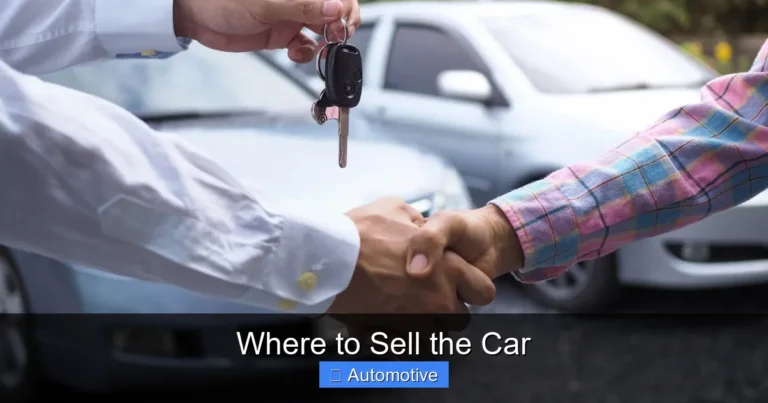
First, agree on the final price and payment method. Cash is safest for private sales. If the buyer wants to pay by check, make sure it’s a certified cashier’s check from a local bank—and wait for it to clear before handing over the keys.
Never accept personal checks or wire transfers—these are common scam tactics.
Once payment is secured, complete the paperwork:
1. Sign over the title: Fill in the buyer’s name, sale price, and odometer reading. Both parties should sign. In Kansas, the seller must sign in the presence of a notary if the title requires it (check your specific title for instructions).
2. Complete the bill of sale: Fill out all sections and have both parties sign.
3. Provide the emissions test certificate if required.
4. Give the buyer the keys, owner’s manual, and any spare parts.**
After the sale, you must notify the Kansas DMV. Submit a Notice of Sale (Form TR-21) within 10 days. This protects you from liability if the buyer gets a ticket or causes an accident before registering the car. You can submit it online, by mail, or in person at a DMV office.
Remove your license plates—Kansas requires sellers to keep their plates. Do not leave them in the car. If the buyer needs temporary tags, they can get them from the DMV.
Finally, contact your insurance company to cancel or adjust your policy. You’re no longer responsible for the vehicle, so don’t pay for coverage you don’t need.
Keep copies of all documents for your records. Store them in a safe place in case of future disputes or questions.
Common Mistakes to Avoid When Selling Your Car in Kansas
Even with the best intentions, sellers often make avoidable mistakes that delay the sale or reduce profits.
One common error is overpricing the car. It’s tempting to ask for top dollar, but unrealistic pricing leads to long listing times and buyer skepticism. Use data, not emotion, to set your price.
Another mistake is skipping the emissions test. If your car requires one, failing to provide it can void the sale or lead to legal issues. Check Kansas DOR guidelines to confirm if your vehicle needs testing.
Some sellers forget to remove personal items or cancel their insurance after the sale. This can lead to privacy breaches or unnecessary charges.
Also, avoid meeting buyers alone in isolated areas. Always prioritize safety—use public meeting spots and bring a friend.
Finally, don’t rush the process. Take time to prepare, research, and communicate clearly. A little extra effort upfront leads to a smoother, more profitable sale.
Conclusion
Selling a car privately in Kansas doesn’t have to be stressful. With the right preparation, pricing, and safety measures, you can sell your vehicle quickly, legally, and for a fair price. From researching value and cleaning your car to screening buyers and completing paperwork, each step brings you closer to a successful sale.
Remember: honesty, transparency, and organization are your best tools. Buyers appreciate sellers who are upfront about a car’s condition and provide all necessary documents. By following this guide, you’ll not only protect yourself but also build trust—making the process smoother for everyone involved.
So take a deep breath, gather your paperwork, and get your car ready. The right buyer is out there. And when the deal is done, you’ll walk away with cash in hand and the satisfaction of a job well done.
Frequently Asked Questions
Do I need a smog test to sell a car in Kansas?
Yes, if your vehicle is less than 8 years old or has fewer than 100,000 miles, Kansas requires a valid emissions test completed within 90 days of the sale. You must provide the certificate to the buyer.
Can I sell my car if I still owe money on it?
You can sell a car with a loan, but the lien must be paid off first. Coordinate with your lender to release the title at closing, or use the sale proceeds to pay off the balance before transferring ownership.
What happens if I don’t submit a Notice of Sale to the DMV?
Failing to submit Form TR-21 within 10 days of the sale may leave you liable for tickets, tolls, or accidents caused by the new owner before they register the vehicle. It’s a simple step that protects you legally.
Should I accept a personal check for the car?
No. Personal checks can bounce. Use cash or a certified cashier’s check from a local bank. Always verify the check has cleared before handing over the keys and title.
Can I sell my car without a title in Kansas?
No, you must have a valid title to sell a car privately. If you’ve lost it, request a duplicate from the Kansas DOR using Form TR-21 and wait for it to arrive before listing the vehicle.
Do I need to provide a warranty when selling privately?
No, private car sales in Kansas are typically “as-is,” meaning the buyer accepts the car in its current condition. Clearly state this in your listing to avoid misunderstandings.