How to Sell a Car Privately in Hawaii
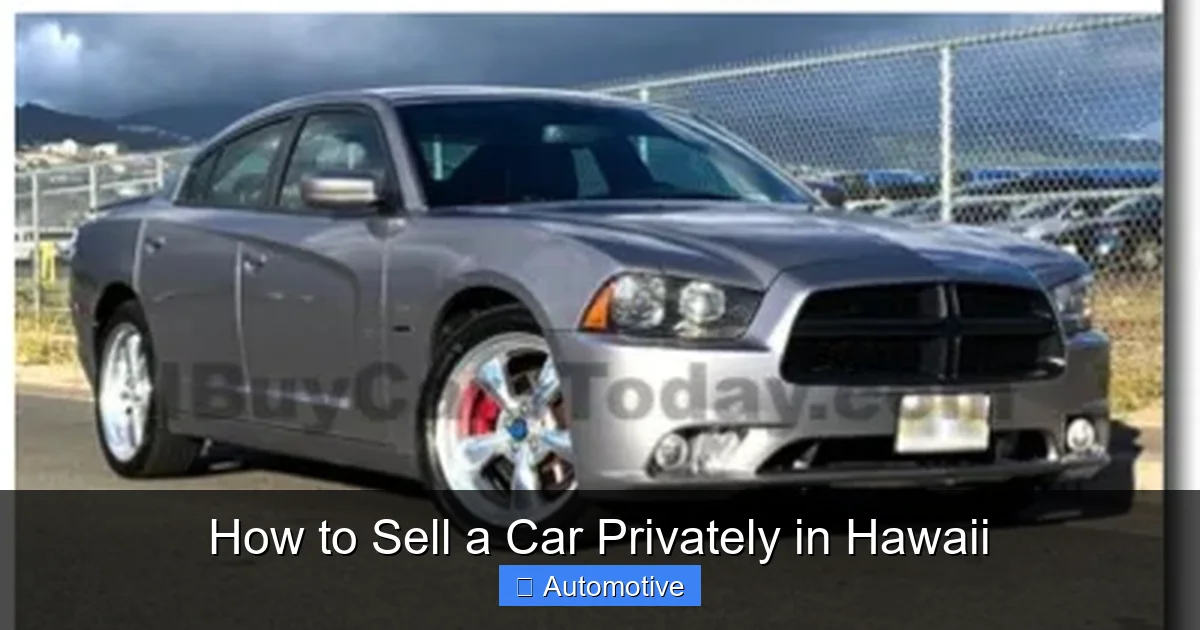
Selling a car privately in Hawaii can be smooth and profitable if you follow the right steps. From preparing your vehicle to handling paperwork and avoiding scams, this guide covers everything you need to know to sell your car quickly and safely—without a dealer taking a cut.
In This Article
- 1 Key Takeaways
- 2 📑 Table of Contents
- 3 Why Sell Your Car Privately in Hawaii?
- 4 Step 1: Prepare Your Car for Sale
- 5 Step 2: Determine the Right Price
- 6 Step 3: Complete Required Inspections and Paperwork
- 7 Step 4: Advertise Your Car Effectively
- 8 Step 5: Handle Inquiries and Test Drives Safely
- 9 Step 6: Finalize the Sale and Transfer Ownership
- 10 Common Pitfalls to Avoid
- 11 Final Thoughts
- 12 Frequently Asked Questions
- 12.1 Do I need a safety inspection to sell my car in Hawaii?
- 12.2 Can I sell my car without a title in Hawaii?
- 12.3 How long does it take to sell a car privately in Hawaii?
- 12.4 What payment methods are safest for a private car sale?
- 12.5 Do I need to keep my license plates after selling my car?
- 12.6 What happens if I don’t submit the Notice of Transfer?
Key Takeaways
- Prepare your car thoroughly: Clean it inside and out, fix minor issues, and gather maintenance records to boost buyer confidence and value.
- Price it right using local market data: Use Hawaii-specific pricing tools like Kelley Blue Book or Edmunds, factoring in island-specific demand and condition.
- Understand Hawaii’s unique DMV requirements: You’ll need a safety inspection, emissions test (if applicable), and proper title transfer forms specific to the state.
- Advertise effectively on local platforms: List on Craigslist Hawaii, Facebook Marketplace, and local classifieds with high-quality photos and a detailed description.
- Meet safely and verify payment: Choose public meeting spots, accept cash or cashier’s checks, and never release the car before payment clears.
- Complete the title transfer correctly: Sign over the title, submit a Notice of Transfer online, and keep copies for your records to avoid liability.
- Be aware of island-specific challenges: Limited inventory and high demand can work in your favor, but shipping and logistics may affect buyer interest.
📑 Table of Contents
- Why Sell Your Car Privately in Hawaii?
- Step 1: Prepare Your Car for Sale
- Step 2: Determine the Right Price
- Step 3: Complete Required Inspections and Paperwork
- Step 4: Advertise Your Car Effectively
- Step 5: Handle Inquiries and Test Drives Safely
- Step 6: Finalize the Sale and Transfer Ownership
- Common Pitfalls to Avoid
- Final Thoughts
Why Sell Your Car Privately in Hawaii?
Selling a car privately in Hawaii isn’t just about getting rid of an old vehicle—it’s a smart financial move. Unlike trading in your car at a dealership, where you might get 10–20% less than market value, a private sale lets you pocket the full worth of your vehicle. On an island chain where used cars are in high demand and inventory is often limited, you’re in a strong position as a seller.
Hawaii’s unique geography creates a captive market. With no land borders and limited shipping options, used cars don’t flood in from the mainland like they do on the U.S. continent. This means well-maintained vehicles—especially fuel-efficient models, trucks, and SUVs—hold their value well. Whether you’re upgrading to a newer model, downsizing, or moving off-island, selling privately gives you control over price, timing, and negotiation.
But it’s not all smooth sailing. Hawaii has specific rules and regulations that differ from the mainland. From emissions testing to title transfers, the process requires attention to detail. Plus, with fewer buyers than in larger cities, you’ll need to market your car smartly to attract serious interest. The good news? With the right preparation and knowledge, you can sell your car quickly, safely, and for top dollar.
Step 1: Prepare Your Car for Sale
Before you even think about listing your car, it needs to be in the best possible condition. First impressions matter—especially when buyers can’t inspect the vehicle in person right away. A clean, well-maintained car signals reliability and care, which can justify a higher asking price.
Deep Clean Inside and Out
Start with a thorough wash and wax. Salt air and tropical humidity can cause rust and fading, so removing grime and applying a protective coat makes your car look newer. Don’t forget the wheels, tires, and undercarriage—these areas often get overlooked but show how well the car has been maintained.
Inside, vacuum every crevice, wipe down surfaces, and clean the windows. Remove any personal items, air fresheners, or clutter. Consider using an odor eliminator if there are lingering smells from pets, smoke, or food. A fresh interior makes the car feel inviting and well-cared-for.
Address Minor Repairs and Maintenance
You don’t need to rebuild the engine, but fixing small issues can significantly boost your car’s appeal. Replace burnt-out bulbs, fix cracked windshields, and top off fluids. If the brakes squeak or the AC blows warm air, address those issues—they’re red flags for buyers.
Gather all maintenance records and receipts. A documented service history proves the car has been properly cared for and can increase buyer confidence. If you’ve recently replaced tires, brakes, or the battery, highlight that in your listing.
Gather Essential Documents
Before listing, make sure you have all the necessary paperwork:
– The vehicle’s title (signed and ready to transfer)
– Current registration
– Maintenance and repair records
– Owner’s manual and spare keys
– A recent safety inspection certificate (more on this below)
Having everything organized saves time during the sale and shows you’re serious and prepared.
Step 2: Determine the Right Price
Pricing your car correctly is one of the most important steps in selling it privately. Overprice it, and it sits on the market for months. Underprice it, and you leave money on the table. In Hawaii, where demand often outpaces supply, finding the sweet spot is key.
Use Hawaii-Specific Pricing Tools
Don’t rely solely on national pricing guides. While Kelley Blue Book (KBB) and Edmunds are great starting points, they don’t always reflect local market conditions. Instead, use them as a baseline and adjust based on Hawaii’s unique factors.
Check local listings on Craigslist Hawaii, Facebook Marketplace, and Autotrader to see what similar cars are selling for. Pay attention to mileage, condition, trim level, and features. For example, a 2018 Toyota Prius with 60,000 miles might go for $18,000 on Oahu but only $16,500 on the Big Island due to lower demand.
Factor in Island-Specific Demand
Certain vehicles are more desirable in Hawaii. Compact cars and hybrids are popular due to high gas prices and limited parking. Trucks and SUVs are in demand for outdoor activities and rough terrain. If your car fits one of these categories, you may be able to ask a premium.
Also consider the season. Demand often spikes in summer when tourists arrive and students return to school. Selling during peak times can help you get a better price.
Be Realistic and Flexible
Set a competitive price, but leave room for negotiation. Most buyers expect to haggle, so pricing your car 5–10% above your target gives you wiggle room. Be prepared to justify your price with evidence—like low mileage, recent repairs, or added features.
If your car hasn’t sold after two weeks, consider lowering the price slightly. A stagnant listing can signal to buyers that something is wrong, even if it’s not.
Step 3: Complete Required Inspections and Paperwork
Hawaii has specific legal requirements for selling a car, and skipping them can lead to fines, liability, or a failed sale. The most important step is getting a valid safety inspection.
Get a Safety Inspection
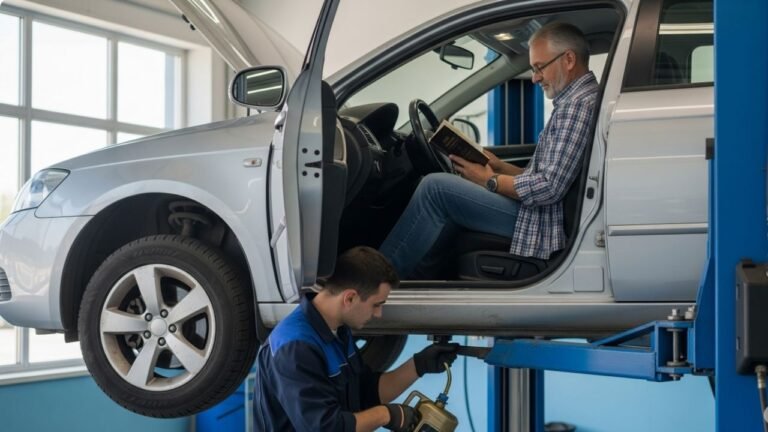
In Hawaii, all vehicles must pass a safety inspection before they can be sold or registered. This inspection checks brakes, lights, tires, steering, and other critical systems. It must be done by a licensed mechanic at a certified inspection station.
The inspection is valid for 90 days, so time it close to your sale. If your car fails, you’ll need to fix the issues and retest. Keep the inspection certificate—you’ll need it for the title transfer.
Check Emissions Requirements
Unlike many states, Hawaii does not require a separate emissions test for most vehicles. However, Oahu does have a vehicle inspection program that includes emissions checks for certain older models. Check with the Hawaii Department of Transportation (HDOT) or your local DMV to confirm if your car needs an emissions test.
If it does, schedule the test at an approved facility. Passing emissions can be a selling point, especially for buyers concerned about environmental regulations.
Prepare the Title and Bill of Sale
The title is the most important document in the sale. Make sure it’s free of liens and that your name matches the registration. If you’ve paid off a loan, contact your lender to release the lien and obtain a clear title.
When transferring the title, both you and the buyer must sign it in front of a notary if required (this varies by county). Include the sale price, date, and odometer reading. Some counties also require a Bill of Sale form, which you can download from the HDOT website.
Step 4: Advertise Your Car Effectively
A great car won’t sell itself if no one sees it. Effective advertising is about visibility, clarity, and trust. In Hawaii’s tight-knit communities, word-of-mouth and local platforms are your best allies.
Choose the Right Platforms
Start with local favorites:
– **Craigslist Hawaii**: Still one of the most popular sites for private car sales. Create a detailed post with photos and keywords like “well-maintained,” “low mileage,” or “great for island driving.”
– **Facebook Marketplace**: Great for reaching local buyers quickly. Join Hawaii-specific car groups to expand your reach.
– **Autotrader and Cars.com**: These national sites have Hawaii filters and attract serious buyers.
– **Local newspapers and bulletin boards**: Some buyers still check the Honolulu Star-Advertiser or community boards at grocery stores.
Write a Compelling Listing
Your ad should answer the buyer’s questions before they ask. Include:
– Year, make, model, and trim
– Mileage and condition
– Key features (e.g., backup camera, Apple CarPlay, tow package)
– Recent repairs or upgrades
– Reason for selling
– Asking price and willingness to negotiate
Use clear, honest language. Avoid exaggerations like “perfect condition” if there are minor flaws. Transparency builds trust.
Take High-Quality Photos
Photos are your first impression. Take them in natural daylight, preferably outdoors. Capture:
– Exterior shots from multiple angles
– Interior photos of the dashboard, seats, and trunk
– Close-ups of any damage or unique features
– Engine bay and undercarriage (if clean)
Avoid cluttered backgrounds and shadows. A well-lit, clean photo can make your car stand out in a crowded marketplace.
Step 5: Handle Inquiries and Test Drives Safely
Once your ad goes live, inquiries will start rolling in. Some will be serious buyers; others will be scammers or tire-kickers. Knowing how to respond can save you time and trouble.
Screen Potential Buyers
Ask questions to gauge seriousness:
– “Are you looking to buy this week?”
– “Do you have financing or cash ready?”
– “Have you seen similar cars in this price range?”
Be wary of buyers who:
– Ask to wire money or use a cashier’s check from an unknown bank
– Want to ship the car before payment clears
– Refuse to meet in person or inspect the vehicle
Trust your instincts. If something feels off, move on.
Schedule Safe Meetings
Always meet in a public, well-lit place—like a police station parking lot, mall, or busy shopping center. Bring a friend or family member for safety. Never meet at your home or a remote location.
During the meeting, allow the buyer to inspect the car but stay nearby. Let them take a test drive, but accompany them or have them drive in a controlled area. Some sellers ask for a copy of the buyer’s driver’s license and proof of insurance before the test drive.
Negotiate Fairly
Be prepared to negotiate. Most buyers will start low, so stay calm and stick to your bottom line. If they offer $1,000 below your price, counter with a reasonable compromise. Remember, you’re not just selling a car—you’re building trust.
If the buyer asks for repairs or discounts, consider whether it’s worth it. Sometimes, a small concession can close the deal faster.
Step 6: Finalize the Sale and Transfer Ownership
Once you’ve agreed on a price, it’s time to close the deal. This step is critical—mistakes here can leave you liable for accidents or tickets after the sale.
Accept Secure Payment
Cash is the safest option. Count it in front of the buyer and use a money counter if possible. If they prefer a cashier’s check, go to the bank together to verify it’s legitimate. Never accept personal checks—they can bounce.
Avoid wire transfers or online payments unless you’re certain they’re secure. Scammers often use fake payment confirmations.
Complete the Title Transfer
Both you and the buyer must sign the title. Fill in the buyer’s name, address, sale price, and odometer reading. Some counties require notarization—check your local DMV rules.
The buyer is responsible for registering the car, but you must submit a Notice of Transfer to the Hawaii DMV within 10 days of the sale. This can be done online at the HDOT website. This step releases you from liability for the vehicle.
Provide a Bill of Sale and Keys
Give the buyer a signed Bill of Sale (available on the HDOT site) and all sets of keys. Include the owner’s manual, maintenance records, and any warranties.
Remove your license plates—Hawaii requires you to keep them. The buyer will need to get new ones when they register the car.
Cancel Your Insurance
Once the sale is complete, contact your insurance company to cancel or adjust your policy. Don’t wait—driving an uninsured car, even for a day, is illegal and risky.
Common Pitfalls to Avoid
Even experienced sellers make mistakes. Here are a few to watch out for:
– **Skipping the safety inspection**: This can delay the sale and turn off buyers.
– **Overpricing based on emotion**: Your car may be “like family,” but buyers care about value.
– **Meeting in unsafe locations**: Always prioritize safety over convenience.
– **Releasing the car before payment clears**: Wait until funds are secure.
– **Forgetting to submit the Notice of Transfer**: This can leave you liable for parking tickets or accidents.
Final Thoughts
Selling a car privately in Hawaii takes effort, but the payoff is worth it. You’ll likely get more money than a trade-in, and the process can be surprisingly smooth if you plan ahead. From cleaning your car to transferring the title, every step matters.
Remember, Hawaii’s market favors well-maintained, practical vehicles. Use that to your advantage. Price competitively, advertise clearly, and stay safe during meetings. With the right approach, you can sell your car quickly and walk away with cash in hand—ready for your next adventure.
Frequently Asked Questions
Do I need a safety inspection to sell my car in Hawaii?
Yes, all vehicles must pass a safety inspection before being sold. The inspection must be done at a licensed station and is valid for 90 days. It checks brakes, lights, tires, and other critical systems.
Can I sell my car without a title in Hawaii?
No, you must have a clear title to sell your car. If there’s a lien, contact your lender to release it. If the title is lost, apply for a duplicate through the Hawaii DMV before listing.
How long does it take to sell a car privately in Hawaii?
It varies, but most well-priced, well-advertised cars sell within 2–4 weeks. Demand is higher on Oahu, so listings there may move faster than on neighbor islands.
What payment methods are safest for a private car sale?
Cash is the safest option. Cashier’s checks are acceptable if verified at the bank. Avoid personal checks, wire transfers, or online payments unless you’re certain they’re legitimate.
Do I need to keep my license plates after selling my car?
Yes, in Hawaii, sellers must retain their license plates. The buyer will need to register the car and get new plates from the DMV.
What happens if I don’t submit the Notice of Transfer?
You could remain liable for parking tickets, tolls, or accidents involving the car. Always submit the Notice of Transfer online within 10 days of the sale to protect yourself.