How to Sell a Car on Marketplace

Selling a car on marketplace platforms like Facebook Marketplace, Craigslist, or OfferUp can be quick and profitable—if you do it right. From preparing your vehicle to negotiating with buyers, this guide walks you through every step to help you sell your car safely, efficiently, and for the best price.
In This Article
- 1 Key Takeaways
- 2 📑 Table of Contents
- 3 How to Sell a Car on Marketplace: A Complete Step-by-Step Guide
- 4 Step 1: Prepare Your Car for Sale
- 5 Step 2: Research and Set the Right Price
- 6 Step 3: Take High-Quality Photos
- 7 Step 4: Write a Clear and Compelling Listing
- 8 Step 5: Respond to Inquiries and Schedule Test Drives
- 9 Step 6: Negotiate and Close the Sale
- 10 Final Tips for a Smooth Sale
- 11 Frequently Asked Questions
Key Takeaways
- Clean and detail your car: A spotless interior and exterior make a strong first impression and can increase your sale price.
- Take high-quality photos: Use natural light and capture multiple angles, including the engine, interior, and any flaws.
- Price your car competitively: Research similar listings and adjust based on condition, mileage, and market demand.
- Write a clear, honest listing: Include key details like make, model, year, mileage, features, and reason for selling.
- Respond quickly and professionally: Prompt replies build trust and keep interested buyers engaged.
- Meet safely and complete paperwork correctly: Use public meeting spots and ensure all legal documents are signed and transferred properly.
- Be cautious of scams: Avoid wire transfers, overpayments, and buyers who refuse to meet in person.
📑 Table of Contents
- How to Sell a Car on Marketplace: A Complete Step-by-Step Guide
- Step 1: Prepare Your Car for Sale
- Step 2: Research and Set the Right Price
- Step 3: Take High-Quality Photos
- Step 4: Write a Clear and Compelling Listing
- Step 5: Respond to Inquiries and Schedule Test Drives
- Step 6: Negotiate and Close the Sale
- Final Tips for a Smooth Sale
How to Sell a Car on Marketplace: A Complete Step-by-Step Guide
So, you’ve decided it’s time to sell your car. Maybe you’re upgrading to something newer, downsizing, or just ready for a change. Whatever the reason, selling your car on a marketplace platform can be one of the fastest and most effective ways to get cash in hand—especially if you’re not interested in trading it in at a dealership.
Marketplace platforms like Facebook Marketplace, Craigslist, OfferUp, and even local buy/sell/trade groups on social media have revolutionized how people buy and sell used vehicles. They’re free (or low-cost), easy to use, and connect you directly with local buyers. But while the process might seem simple, there’s a right way and a wrong way to do it. Skip the prep work, and you could end up with lowball offers, wasted time, or even a scam.
The good news? With a little planning and attention to detail, you can sell your car quickly, safely, and for a fair price. This guide will walk you through every step—from cleaning your car to closing the deal—so you can navigate the marketplace like a pro.
Step 1: Prepare Your Car for Sale

Visual guide about How to Sell a Car on Marketplace
Image source: gplcode.net
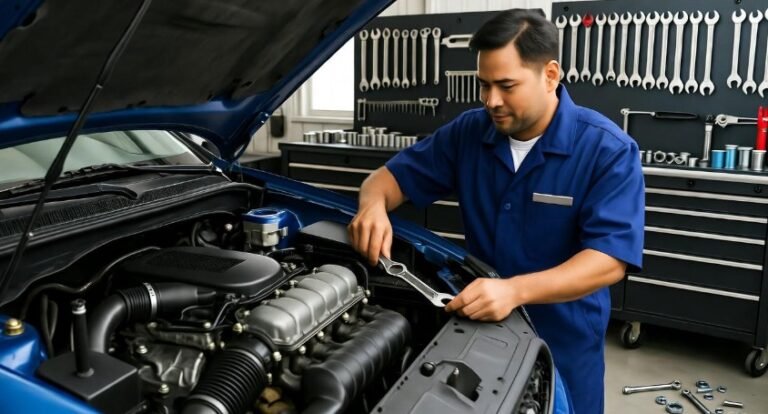
Before you even think about snapping photos or writing a listing, your car needs to be in the best possible shape. First impressions matter, especially when buyers can’t see the car in person right away. A clean, well-maintained vehicle not only looks more appealing but also signals that it’s been cared for—something buyers are willing to pay more for.
Deep Clean the Interior and Exterior
Start with a thorough wash. Use car-specific soap and a microfiber cloth to avoid scratching the paint. Don’t forget the wheels and undercarriage—dirt and grime here can make the car look neglected. If you’re not confident in your washing skills, consider a professional detail. It might cost $100–$200, but it can easily pay for itself in a higher sale price.
Inside, vacuum every corner—under the seats, in the cup holders, and along the floor mats. Wipe down all surfaces, including the dashboard, door panels, and center console. Use a fabric cleaner for cloth seats or a leather conditioner if you have leather upholstery. Remove any personal items, trash, or clutter. A clean interior says, “This car was loved.”
Address Minor Repairs and Maintenance
You don’t need to rebuild the engine, but fixing small issues can make a big difference. Replace burnt-out light bulbs, top off fluids, and inflate the tires to the correct pressure. If your windshield has a small chip, consider getting it repaired—it’s cheaper than a full replacement and looks much better.
Check the oil and air filter. If it’s been a while since your last service, a fresh oil change can show buyers the car is well-maintained. Even something as simple as replacing worn wiper blades can boost perceived value.
Gather Maintenance Records and Documentation
Buyers love seeing proof that a car has been properly cared for. Gather all service records, receipts, and the owner’s manual. If you’ve kept a log of oil changes, tire rotations, or major repairs, include that too. Organize everything in a folder or envelope so it’s easy to show during a test drive.
Also, make sure you have the car’s title, registration, and any warranty information. If your car is still under warranty, that’s a huge selling point—especially for newer models.
Step 2: Research and Set the Right Price
Visual guide about How to Sell a Car on Marketplace
Image source: cdn.dribbble.com
Pricing your car correctly is one of the most important steps in the selling process. Price it too high, and buyers will scroll right past. Price it too low, and you leave money on the table. The goal is to find that sweet spot where your car is competitive but still reflects its true value.
Use Online Valuation Tools
Start by checking your car’s value on trusted websites like Kelley Blue Book (KBB), Edmunds, or NADA Guides. These tools ask for details like make, model, year, mileage, trim level, and condition. They’ll give you a range—typically “trade-in,” “private party,” and “dealer retail” values.
For marketplace sales, focus on the “private party” value. This is what individual buyers are likely to pay. Keep in mind that these are estimates. Your car’s actual value depends on local demand, seasonality, and condition.
Check Local Listings
Next, search marketplace platforms for similar cars in your area. Look for vehicles with the same make, model, year, and mileage. Pay attention to how long they’ve been listed. If a car has been up for weeks, it might be overpriced.
For example, if you’re selling a 2018 Honda Civic with 60,000 miles, search for other 2018 Civics in your city. If most are listed between $16,000 and $18,000, pricing yours at $17,500 makes sense—especially if it’s in great condition.
Adjust Based on Condition and Extras
If your car has low mileage, new tires, a premium sound system, or other upgrades, you can price it slightly higher. On the flip side, if it has cosmetic flaws, high mileage, or needs repairs, you’ll need to adjust downward.
Be honest with yourself. A car with a small dent or faded paint might look fine in photos, but buyers will notice in person. Pricing it fairly from the start avoids frustration later.
Consider Timing and Market Trends
The time of year can affect demand. Convertibles sell better in spring and summer, while SUVs and trucks are hot in fall and winter. Gas prices also play a role—when fuel costs rise, fuel-efficient cars become more desirable.
If you’re not in a rush, you might wait for a better selling season. But if you need to sell quickly, price competitively and be ready to negotiate.
Step 3: Take High-Quality Photos
Visual guide about How to Sell a Car on Marketplace
Image source: blogger.googleusercontent.com
Photos are your first—and sometimes only—chance to grab a buyer’s attention. Most people scroll through listings quickly, so your images need to stand out. A well-lit, clear photo can make the difference between a buyer clicking “contact” or moving on.
Choose the Right Time and Location
Take photos during the day, preferably in the early morning or late afternoon when the light is soft and even. Avoid harsh midday sun, which creates shadows and glare. Overcast days are actually great for car photography—the clouds act like a natural diffuser.
Find a clean, uncluttered background. A quiet street, empty parking lot, or even your driveway can work—just make sure there’s no trash, parked cars, or distracting objects in the frame.
Capture Multiple Angles
Shoot from all sides: front, back, left, right, and diagonal corners. Include close-ups of the wheels, grille, and headlights. Open the doors and take photos of the interior—front seats, back seats, dashboard, and trunk.
Don’t forget the engine bay. A clean, organized engine shows the car has been maintained. If your engine is dirty, give it a quick wipe-down before shooting.
Show Any Flaws Honestly
It’s tempting to hide scratches, dents, or stains, but honesty builds trust. Take a photo of any damage and mention it in your listing. Buyers appreciate transparency, and it prevents surprises during the test drive.
For example, if there’s a small scratch on the rear bumper, take a close-up shot and note it in the description: “Minor scratch on rear bumper (see photo).”
Use a Good Camera or Smartphone
You don’t need a professional camera—most modern smartphones take excellent photos. Just make sure the lens is clean and the image is in focus. Avoid using filters or heavy editing. Buyers want to see the real car, not a glamorized version.
Step 4: Write a Clear and Compelling Listing
Your listing is your sales pitch. It needs to be informative, honest, and engaging. A well-written description can answer questions before buyers even ask them—and that increases your chances of a quick sale.
Start with a Strong Title
Your title should include the most important details: year, make, model, and key selling points. For example: “2019 Toyota Camry LE – Low Miles, Clean Title, Excellent Condition.”
Avoid vague titles like “Nice Car for Sale” or “Must Sell!” They don’t tell buyers anything useful and can look suspicious.
Include Essential Details
In the description, cover the basics:
– Year, make, model, and trim
– Mileage
– Transmission type (automatic or manual)
– Fuel type (gas, hybrid, electric)
– Drivetrain (FWD, AWD, etc.)
– Number of previous owners
– Accident history (if any)
– Reason for selling
Also mention key features like:
– Backup camera
– Bluetooth
– Heated seats
– Sunroof
– Apple CarPlay/Android Auto
– New tires or brakes
Be Honest About Condition
Mention any issues upfront. If the AC takes a while to cool or the radio has a glitch, say so. Buyers would rather know now than feel misled later. You can still sell a car with minor flaws—just price it accordingly.
Highlight Maintenance and Upgrades
List recent services: “Oil changed 500 miles ago,” “New brake pads installed last month,” or “Tires replaced 6 months ago.” If you’ve added aftermarket parts like a roof rack or performance exhaust, mention those too.
Use a Friendly, Conversational Tone
Write like you’re talking to a friend. Avoid jargon or overly technical language. For example:
“This car has been my daily driver for the past three years. It’s reliable, gets great gas mileage, and has never left me stranded. I’m only selling because I’m moving and won’t need a car.”
This approach feels more personal and trustworthy.
Step 5: Respond to Inquiries and Schedule Test Drives
Once your listing is live, inquiries will start rolling in. How you handle them can make or break a sale. Quick, professional responses show you’re serious and reliable.
Respond Promptly
Try to reply within a few hours—especially during business hours. Buyers often contact multiple sellers, and the first to respond usually gets the edge.
Keep your messages friendly and informative. Answer questions clearly and offer to provide more photos or details.
Screen Buyers Carefully
Not every inquiry is legitimate. Watch out for red flags:
– Buyers who ask to communicate outside the platform (e.g., via email or text)
– Requests for personal information like your address or Social Security number
– Offers to pay with a cashier’s check or wire transfer
– Buyers who want to ship the car or pay before seeing it
Legitimate buyers will want to see the car in person and take a test drive.
Schedule Safe, Public Test Drives
Always meet in a public, well-lit location—like a mall parking lot, gas station, or police station. Bring a friend or family member with you, and let someone know where you’re going.
Before the test drive, ask for the buyer’s driver’s license and verify it matches their name. You can also ask them to sign a simple test drive agreement (available online) that limits your liability.
During the drive, point out features and answer questions. Let the buyer take the lead—some want to test acceleration, others care more about comfort.
Step 6: Negotiate and Close the Sale
Negotiation is a normal part of selling a car. Most buyers will try to lower the price, and that’s okay—as long as you’re prepared.
Know Your Bottom Line
Decide in advance the lowest price you’re willing to accept. Stick to it. If a buyer offers $1,000 below your minimum, politely decline or counter with a small compromise.
Remember: you’re not obligated to accept any offer. It’s your car, your rules.
Be Firm but Friendly
If a buyer lowballs you, don’t get defensive. Say something like, “I appreciate the offer, but I’m firm on the price due to the car’s condition and recent maintenance.”
Sometimes, buyers test the waters with a low offer. If they’re serious, they’ll come back with a better one.
Accept Secure Payment Methods
Cash is the safest and most common payment method for private car sales. Count it in front of the buyer and make sure it’s real.
If the buyer wants to pay by cashier’s check, go to the bank together to verify it’s legitimate. Never accept personal checks—they can bounce.
Avoid wire transfers or gift cards. These are common scam tactics.
Complete the Paperwork Correctly
Once the price is agreed upon, it’s time to transfer ownership. You’ll need:
– The car’s title (signed over to the buyer)
– A bill of sale (available from your state’s DMV website)
– Odometer disclosure statement (required in most states)
– Release of liability form (submit to your state DMV to avoid future tickets or fees)
Make sure all names and addresses are correct. Keep copies of everything for your records.
Remove License Plates and Cancel Insurance
In most states, you keep the license plates when selling a car. Remove them before handing over the keys. Cancel your insurance as soon as the sale is complete—don’t wait, or you’ll keep paying for coverage you don’t need.
Final Tips for a Smooth Sale
Selling a car on marketplace doesn’t have to be stressful. With the right approach, it can be a smooth, even rewarding experience. Here are a few final tips to keep in mind:
– Be patient. It might take a week or two to find the right buyer.
– Stay safe. Always meet in public and trust your instincts.
– Be honest. Transparency builds trust and prevents disputes.
– Keep records. Save all communication and paperwork.
– Celebrate! Once the sale is done, treat yourself—you earned it.
Frequently Asked Questions
How long does it take to sell a car on marketplace?
It typically takes 1–3 weeks to sell a car on marketplace, depending on price, condition, and demand. Well-priced, clean cars in popular models often sell within a few days.
Should I trade in my car or sell it privately?
Selling privately usually gets you more money—often 10–20% more than a trade-in. But it requires more effort. Trade-ins are faster and easier but offer less cash.
Can I sell a car with a lien on it?
Yes, but you’ll need to pay off the loan first or arrange for the buyer to pay the lender directly. Most buyers prefer a clean title, so it’s best to clear the lien before listing.
What if my car doesn’t sell?
If your car isn’t selling, consider lowering the price, improving the photos, or expanding your listing to other platforms. You can also offer incentives like a full tank of gas or a free oil change.
Is it safe to sell a car on Facebook Marketplace?
Yes, as long as you take precautions. Meet in public, verify the buyer’s identity, and avoid unusual payment methods. Facebook’s messaging system also helps keep communication tracked.
Do I need a smog check to sell my car?
In many states, yes—especially if the car is more than 4 years old. Check your local DMV requirements. Some buyers will request a recent smog certificate before purchasing.