How to Sell a Car on Copart
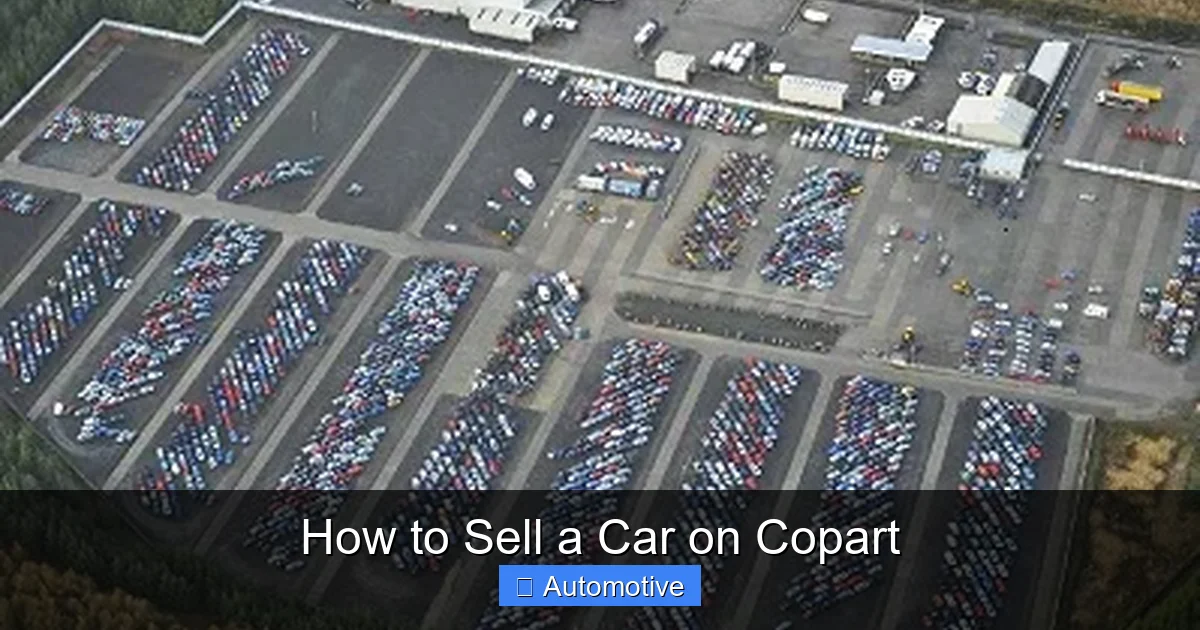
Selling a car on Copart can be a smart way to reach thousands of buyers, especially for damaged, salvage, or non-running vehicles. This guide walks you through the entire process—from account setup to final payment—so you can sell with confidence and get the best possible price.
Thinking about selling your car but not sure where to start? Maybe it’s been in an accident, won’t start, or you just want to offload it quickly without the hassle of private sales. If that sounds familiar, you might want to consider selling your car on Copart.
Copart is one of the largest online auction platforms for used, damaged, and salvage vehicles in the world. It’s used by dealers, insurers, rebuilders, and even individual sellers to connect with thousands of buyers across the U.S. and internationally. Whether your car has a clean title or is totaled, Copart offers a streamlined way to sell—often faster and with less effort than traditional methods.
But here’s the thing: selling on Copart isn’t as simple as snapping a few photos and clicking “list.” There’s a process, rules to follow, and strategies that can make or break your sale. That’s why we’ve put together this complete guide. We’ll walk you through every step—from signing up to getting paid—so you can sell your car on Copart with confidence and get the best price possible.
In This Article
- 1 Key Takeaways
- 2 📑 Table of Contents
- 3 What Is Copart and Why Sell There?
- 4 Step-by-Step: How to Sell a Car on Copart
- 4.1 Step 1: Create and Verify Your Seller Account
- 4.2 Step 2: Prepare Your Vehicle for Sale
- 4.3 Step 3: Take High-Quality Photos
- 4.4 Step 4: Write a Detailed and Honest Description
- 4.5 Step 5: Set a Competitive Reserve Price (Optional)
- 4.6 Step 6: Choose Your Sale Type
- 4.7 Step 7: Monitor Bids and Communicate with Buyers
- 4.8 Step 8: Complete the Sale and Transfer Ownership
- 5 Understanding Copart Fees and Payouts
- 6 Tips to Maximize Your Sale Price
- 7 Common Mistakes to Avoid
- 8 Is Selling on Copart Right for You?
- 9 Conclusion
- 10 Frequently Asked Questions
- 10.1 Can I sell my car on Copart if it doesn’t run?
- 10.2 Do I need a dealer license to sell on Copart?
- 10.3 How long does it take to get paid after the sale?
- 10.4 What if my car doesn’t sell at auction?
- 10.5 Can I sell a car with a salvage title on Copart?
- 10.6 What happens if the buyer doesn’t pick up the car?
Key Takeaways
- Understanding how to sell a car on copart: Provides essential knowledge
📑 Table of Contents
What Is Copart and Why Sell There?
Copart was founded in 1982 and has since grown into a global marketplace for vehicles of all conditions. It’s best known for handling salvage and insurance-owned vehicles, but it also accepts clean-title cars, fleet vehicles, and even motorcycles. The platform operates through online auctions, allowing buyers to bid from anywhere in the world.
One of the biggest advantages of selling on Copart is reach. Unlike a local classified ad or Craigslist listing, Copart exposes your vehicle to a massive audience of licensed dealers, repair shops, exporters, and rebuilders. This competition often drives up the final sale price—especially for vehicles with usable parts or repair potential.
Another benefit is speed. Private sales can drag on for weeks or months, especially if you’re trying to sell a damaged or non-running car. On Copart, many vehicles sell within days of listing. Plus, the platform handles much of the logistics, including payment processing and title transfer support.
But Copart isn’t just for wrecked cars. If you have a clean-title vehicle that’s just not worth much on the private market—say, an older sedan with high mileage—Copart can still be a great option. Buyers often look for affordable project cars or vehicles they can export to other countries where demand is higher.
Who Can Sell on Copart?
Not everyone can list a car on Copart. The platform primarily works with licensed dealers, insurance companies, and fleet managers. However, individual sellers *can* participate—but only after going through a special approval process.
To sell as an individual, you’ll need to apply for a “Private Seller” account. This requires submitting personal information, proof of identity, and sometimes a background check. Copart wants to ensure sellers are legitimate and that vehicles aren’t stolen or fraudulently listed.
Once approved, you’ll have access to the seller portal where you can list vehicles, upload photos, set reserve prices, and monitor bids. Keep in mind that individual sellers may face slightly higher fees or additional requirements compared to licensed dealers.
Types of Vehicles Accepted
Copart accepts a wide range of vehicles, but there are some limitations. Here’s what typically qualifies:
– **Salvage-title vehicles** (damaged in accidents, floods, fires, etc.)
– **Clean-title vehicles** (especially older models or those with high mileage)
– **Non-running or inoperable cars**
– **Fleet vehicles** (rental cars, company cars, etc.)
– **Motorcycles, ATVs, and some commercial vehicles**
Vehicles that are typically *not* accepted include:
– Stolen or illegally obtained cars
– Vehicles with missing or altered VINs
– Cars with outstanding liens (unless the lienholder approves the sale)
– Vehicles that are completely stripped or missing major components (unless sold as parts-only)
If you’re unsure whether your car qualifies, it’s best to contact Copart’s seller support team before applying.
Step-by-Step: How to Sell a Car on Copart
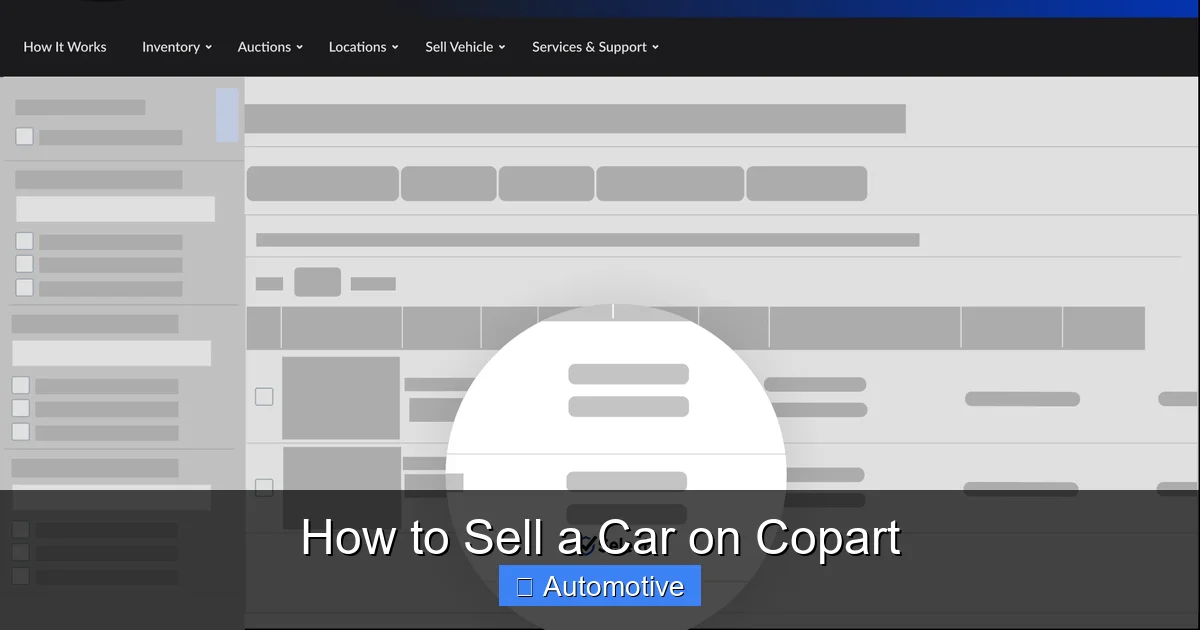
Visual guide about How to Sell a Car on Copart
Image source: copart.com
Now that you know what Copart is and who can sell there, let’s dive into the actual process. Selling a car on Copart involves several key steps, each of which plays a role in how successful your sale will be.
Step 1: Create and Verify Your Seller Account
The first step is to sign up for a Copart seller account. Go to the Copart website and click on “Seller Registration.” You’ll be asked to choose between a dealer account and a private seller account. If you’re an individual, select “Private Seller.”
You’ll need to provide:
– Full legal name and contact information
– Social Security Number (for U.S. residents)
– Proof of identity (driver’s license or passport)
– Proof of address (utility bill or bank statement)
– Bank account information for payments
Copart will review your application, which can take anywhere from a few days to a couple of weeks. During this time, they may request additional documentation or conduct a background check.
Once approved, you’ll receive login credentials for the seller portal. This is where you’ll manage your listings, view bids, and track payments.
Step 2: Prepare Your Vehicle for Sale
Before listing your car, take time to prepare it properly. Even if it’s damaged or non-running, presentation matters. Buyers are more likely to bid on a vehicle that looks cared for—even if it’s wrecked.
Start by cleaning the car inside and out. Remove personal items, trash, and any loose debris. A clean interior and exterior make a big difference in photos and buyer perception.
Next, gather all necessary documents. You’ll need:
– The vehicle’s title (signed over to Copart or with a lien release if applicable)
– A bill of sale (Copart may provide a template)
– Odometer disclosure statement (required by law)
– Any repair estimates or damage reports (optional but helpful)
If your car doesn’t run, make sure it’s safe to tow. Remove any hazardous materials, such as leaking fluids or damaged batteries. If the car is drivable, consider starting it briefly to show it turns over—this can increase buyer confidence.
Step 3: Take High-Quality Photos
Photos are your first impression. Since buyers can’t inspect the car in person, your images need to tell the whole story.
Take photos in good natural light, preferably during the day. Avoid shadows, glare, or dark backgrounds. Shoot from multiple angles:
– Front, rear, and both sides
– Close-ups of damage (dents, scratches, broken glass)
– Interior shots (dashboard, seats, trunk)
– Under the hood (if accessible)
– Tires and wheels
If the car doesn’t run, include a photo of the engine bay with a note like “Engine seized – not running.” Transparency builds trust.
Pro tip: Use a smartphone with a good camera. You don’t need professional equipment—just clear, well-lit images that show the car’s true condition.
Step 4: Write a Detailed and Honest Description
Your vehicle description is just as important as the photos. Be thorough and honest about the car’s condition. Buyers appreciate transparency, and it reduces the risk of disputes after the sale.
Include details like:
– Year, make, model, and VIN
– Mileage (or note if it’s unknown)
– Title status (clean, salvage, rebuilt, etc.)
– Type of damage (collision, flood, fire, mechanical)
– Known issues (engine trouble, transmission problems, electrical faults)
– Any recent repairs or replaced parts
– Whether the car runs and drives
Example:
“2015 Honda Accord, 142,000 miles, salvage title due to front-end collision. Airbags deployed. Engine turns over but won’t start—likely internal damage. Transmission shifts manually. Interior is clean, no smoke or pet odors. New tires installed 6 months ago.”
Avoid exaggerations or misleading statements. If you’re unsure about something, say so. For instance: “Unknown if AC works—wasn’t tested after accident.”
Step 5: Set a Competitive Reserve Price (Optional)
When listing your car, you can choose to set a reserve price—the minimum amount you’re willing to accept. If bidding doesn’t reach the reserve, the car won’t sell.
Setting a reserve can protect you from selling too low, but it may also deter bidders. Many buyers assume a reserve means the seller is unrealistic or unwilling to negotiate.
If you’re confident in your car’s value, consider listing it without a reserve. This often leads to more bidding activity and can result in a higher final price due to competitive bidding.
Alternatively, you can use Copart’s “Buy It Now” option, which allows buyers to purchase the car immediately at a fixed price. This is useful if you need a quick sale or have a rare vehicle.
Step 6: Choose Your Sale Type
Copart offers two main sale formats:
1. **Live Auction:** Your car is listed in a timed online auction. Buyers place bids, and the highest bidder wins when time runs out. Auctions typically last 5–7 days.
2. **Buy It Now:** Buyers can purchase the car immediately at your set price. This is ideal for urgent sales or high-value vehicles.
You can also combine both—start with a Buy It Now price, and if it doesn’t sell, switch to an auction.
Most sellers opt for live auctions, as they tend to generate more interest and competitive bidding.
Step 7: Monitor Bids and Communicate with Buyers
Once your car is listed, keep an eye on the bidding activity. The seller portal shows real-time bids, watchers, and questions from potential buyers.
Some buyers may ask for additional photos, VIN details, or clarification on damage. Respond promptly and honestly. Good communication can turn a hesitant bidder into a committed one.
Avoid sharing personal contact information. All communication should go through Copart’s messaging system to protect your privacy and comply with platform rules.
Step 8: Complete the Sale and Transfer Ownership
When the auction ends, Copart will notify you if your car sold. The buyer has a set time (usually 3–5 business days) to pay and arrange pickup.
Once payment is confirmed, you’ll need to sign the title over to the buyer. Copart provides instructions and may require you to mail the signed title and other documents to their processing center.
If the car is being towed, make sure it’s accessible and ready for pickup. Remove license plates (you may need them for your state’s DMV), and provide any keys or remotes.
After the vehicle is collected, Copart will release your payment—minus any applicable fees—to your bank account. This usually takes 5–10 business days.
Understanding Copart Fees and Payouts
Visual guide about How to Sell a Car on Copart
Image source: copart.com
Selling on Copart isn’t free. The platform charges several fees that can affect your final payout. It’s important to understand these costs before listing your car.
Seller Fees Breakdown
Copart’s fee structure varies based on the vehicle type, sale price, and your seller status (dealer vs. private). Common fees include:
– **Listing Fee:** Charged when you create a listing (typically $25–$50).
– **Commission:** A percentage of the final sale price (usually 5–10%, capped at a maximum amount).
– **Documentation Fee:** For processing title and paperwork (around $25–$50).
– **Storage Fees:** If the car isn’t picked up within the allotted time, daily storage charges may apply.
Private sellers often pay slightly higher fees than licensed dealers. For example, a private seller might pay a $75 listing fee and 8% commission, while a dealer pays $50 and 6%.
How and When You Get Paid
Copart processes payments after the buyer pays and the vehicle is collected. Funds are transferred directly to your bank account via ACH (electronic transfer).
The typical timeline is:
1. Auction ends → Buyer pays within 3–5 days.
2. Vehicle is picked up → Copart confirms delivery.
3. Payment processed → Funds arrive in 5–10 business days.
If there are issues—like a dispute or missing documents—the payout may be delayed. That’s why it’s crucial to provide accurate information and respond quickly to requests.
Tips to Maximize Your Sale Price
Visual guide about How to Sell a Car on Copart
Image source: pdffiller.com
Want to get the most money for your car? These proven tips can help you attract more bidders and drive up the final bid.
Be Transparent About Damage
Don’t hide flaws. Buyers can often spot inconsistencies in photos or descriptions. If you’re upfront about damage, they’re more likely to trust you and bid confidently.
For example, instead of saying “minor front damage,” say “front bumper and headlight damaged in low-speed collision. Radiator intact.” Specificity builds credibility.
Highlight Usable Parts or Features
Even if the car is totaled, it may have valuable components. Mention things like:
– New tires or brakes
– Low-mileage engine or transmission
– Functional electronics (radio, navigation, backup camera)
– Rare or desirable trim level
Buyers often bid higher if they see potential for parts or export.
List at the Right Time
Timing can impact bidding activity. Avoid listing during major holidays or vacation seasons when buyers may be less active. Mid-week listings (Tuesday–Thursday) often perform better than weekend ones.
Also, consider the market. For example, convertibles may sell for more in spring, while trucks and SUVs do well in winter.
Use Keywords in Your Listing
Copart’s search function relies on keywords. Use terms buyers are likely to search for, such as:
– “Salvage title”
– “Runs and drives”
– “Flood damage”
– “Export ready”
– “Clean title”
Avoid vague terms like “good condition” if the car is damaged. Be specific and accurate.
Respond to Questions Quickly
Buyers often decide based on how responsive the seller is. If someone asks about the transmission, answer within a few hours—not days. A quick reply shows you’re serious and trustworthy.
Common Mistakes to Avoid
Even experienced sellers make errors. Here are some common pitfalls and how to avoid them.
Overestimating the Value
It’s easy to think your car is worth more than it is—especially if you’ve put money into repairs. But Copart buyers are professionals who know market values. Set a realistic price or reserve based on similar listings.
Check recent sales of the same make, model, and condition on Copart to gauge fair market value.
Ignoring Title Requirements
A missing or incorrect title is the #1 reason sales fall through. Make sure your title is signed correctly and matches your name exactly. If there’s a lien, get it released before listing.
Some states require a notarized bill of sale or odometer disclosure. Check your local DMV rules.
Skipping Photos or Using Poor Quality Images
Blurry, dark, or incomplete photos turn buyers away. Take the time to shoot clear, well-lit images from all angles. Show the damage, the interior, and any unique features.
Not Preparing for Towing
If your car doesn’t run, make sure it’s ready for a tow truck. Remove personal items, secure loose parts, and provide clear access. If the car is stuck in a driveway or garage, note this in the description.
Failing to Communicate
Ignoring buyer questions or delaying responses can kill a sale. Stay active during the listing period and respond to inquiries promptly.
Is Selling on Copart Right for You?
Selling on Copart isn’t the best choice for everyone. It works best if:
– Your car is damaged, salvage, or non-running
– You want to sell quickly without negotiating with private buyers
– You’re comfortable with online auctions and digital transactions
– You have a valid title and can meet documentation requirements
It may *not* be ideal if:
– Your car is in good condition and could sell for more privately
– You’re not approved as a seller (Copart rejects some applications)
– You need immediate cash (payouts take over a week)
If you’re unsure, consider getting a pre-approval from Copart or comparing your car’s value on private marketplaces like Kelley Blue Book or Edmunds.
Conclusion
Selling a car on Copart can be a smart, efficient way to turn a damaged or unwanted vehicle into cash—especially if private sale options aren’t viable. With the right preparation, honest descriptions, and high-quality photos, you can attract serious buyers and get a fair price.
The process may seem complex at first, but once you understand the steps—from account setup to final payout—it becomes much more manageable. Just remember to be transparent, responsive, and realistic about your car’s condition and value.
Whether you’re selling a totaled sedan, a non-running truck, or a clean-title project car, Copart offers a trusted platform with global reach. By following this guide, you’ll be well-equipped to navigate the auction process and walk away with a successful sale.
So, if you’ve got a car sitting in the driveway collecting dust, it might be time to give Copart a try. You could be surprised at how much it’s worth—and how quickly it sells.
Frequently Asked Questions
Can I sell my car on Copart if it doesn’t run?
Yes, Copart accepts non-running and inoperable vehicles. Many buyers specifically look for these cars to repair, rebuild, or use for parts. Just be clear in your description that the car doesn’t start or drive.
Do I need a dealer license to sell on Copart?
No, individual sellers can apply for a Private Seller account. However, you’ll need to go through an approval process and may pay slightly higher fees than licensed dealers.
How long does it take to get paid after the sale?
Payments are typically processed within 5–10 business days after the buyer pays and the vehicle is collected. Funds are sent directly to your bank account.
What if my car doesn’t sell at auction?
If your car doesn’t meet the reserve or no bids are placed, you can relist it, adjust the price, or switch to a Buy It Now listing. Copart allows multiple listing attempts.
Can I sell a car with a salvage title on Copart?
Yes, salvage-title vehicles are one of Copart’s most common listings. In fact, the platform is a top destination for buyers looking for salvage cars to repair or export.
What happens if the buyer doesn’t pick up the car?
If the buyer fails to pay or arrange pickup within the required time, the sale may be canceled. Copart may charge storage fees, and you can relist the vehicle or contact support for assistance.