How to Sell a Car in Vermont
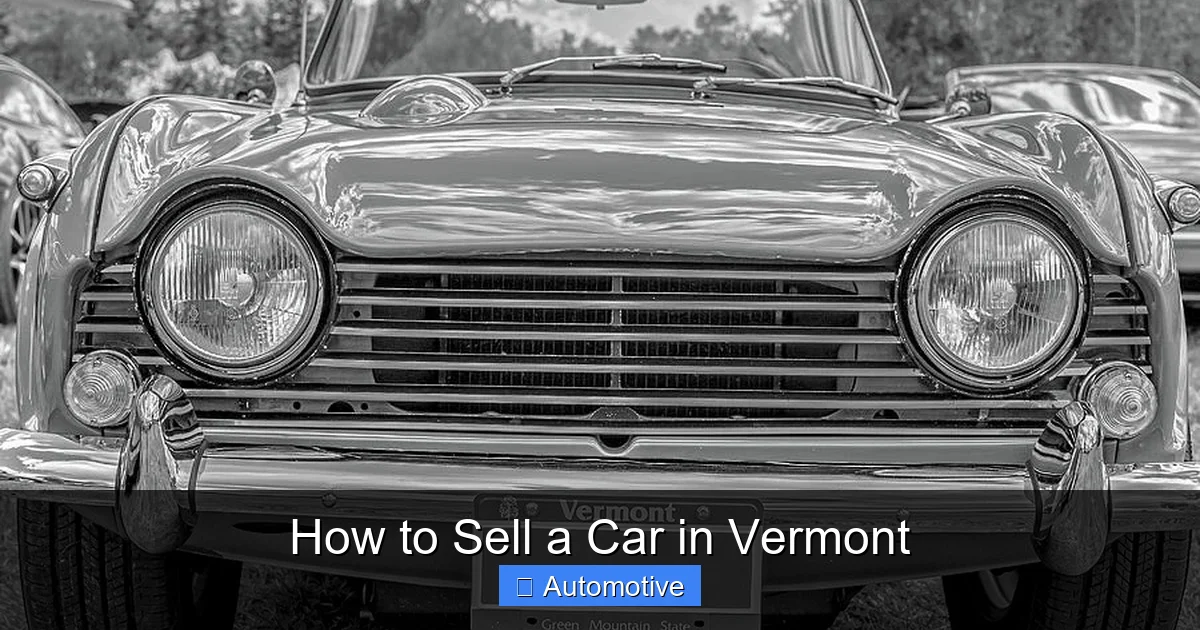
Selling a car in Vermont doesn’t have to be complicated—if you know the right steps. From preparing your vehicle and setting a fair price to handling paperwork and transferring ownership, this guide walks you through the entire process with clarity and confidence.
Selling a car in Vermont might seem like a daunting task, especially if you’ve never done it before. Between figuring out the right price, finding a buyer, and navigating state-specific paperwork, it’s easy to feel overwhelmed. But the truth is, with a little preparation and the right knowledge, you can sell your car smoothly, safely, and for a fair price.
Vermont has its own set of rules and requirements when it comes to transferring vehicle ownership, and understanding them upfront can save you time, stress, and even legal trouble down the road. Whether you’re upgrading to a newer model, downsizing, or simply no longer need your vehicle, this guide will walk you through every step—from prepping your car to finalizing the sale and notifying the DMV.
We’ll cover everything you need to know, including how to price your car competitively, where to advertise, how to handle test drives and negotiations, and what documents are required by the Vermont Department of Motor Vehicles (DMV). You’ll also learn how to protect yourself from scams, ensure a secure payment, and avoid common pitfalls that trip up first-time sellers. By the end of this article, you’ll feel confident and ready to sell your car in Vermont like a pro.
In This Article
- 1 Key Takeaways
- 2 📑 Table of Contents
- 3 Step 1: Prepare Your Car for Sale
- 4 Step 2: Determine the Right Price
- 5 Step 3: Gather Required Documents
- 6 Step 4: Advertise Your Car Effectively
- 7 Step 5: Handle the Sale and Transfer Ownership
- 8 Step 6: Notify the DMV and Protect Yourself
- 9 Alternative Options: Selling to a Dealer or Online Buyer
- 10 Common Mistakes to Avoid
- 11 Final Thoughts
- 12 Frequently Asked Questions
- 12.1 Do I need a Bill of Sale to sell a car in Vermont?
- 12.2 Can I sell my car if I still owe money on it?
- 12.3 How long do I have to notify the DMV after selling my car?
- 12.4 Do I need a safety inspection to sell my car?
- 12.5 Can I sell my car without a title?
- 12.6 What happens to my license plates after I sell my car?
Key Takeaways
- Prepare your car thoroughly: Clean it, fix minor issues, and gather maintenance records to boost buyer confidence and value.
- Price it right: Use tools like Kelley Blue Book or Edmunds to research fair market value based on your car’s condition, mileage, and location.
- Understand Vermont’s title and registration rules: You’ll need a signed title, odometer disclosure, and possibly a bill of sale to complete the transfer legally.
- Advertise effectively: Use online platforms like Craigslist, Facebook Marketplace, or Autotrader, and include clear photos and honest descriptions.
- Meet safely and verify payment: Choose public meeting spots, accept secure payment methods like cash or cashier’s checks, and avoid scams.
- Notify the DMV after the sale: Submit a Notice of Sale form to avoid liability for parking tickets or tolls after the transfer.
- Consider selling to a dealer or online buyer: For a faster, hassle-free option, trade-in or sell directly to dealerships or companies like CarMax or Carvana.
📑 Table of Contents
- Step 1: Prepare Your Car for Sale
- Step 2: Determine the Right Price
- Step 3: Gather Required Documents
- Step 4: Advertise Your Car Effectively
- Step 5: Handle the Sale and Transfer Ownership
- Step 6: Notify the DMV and Protect Yourself
- Alternative Options: Selling to a Dealer or Online Buyer
- Common Mistakes to Avoid
- Final Thoughts
Step 1: Prepare Your Car for Sale
Before you even think about listing your car, take the time to get it in the best possible condition. First impressions matter—especially when you’re trying to sell a used vehicle. A clean, well-maintained car not only attracts more buyers but can also help you command a higher price.
Start with a thorough cleaning. Wash the exterior, wax it if possible, and vacuum the interior. Don’t forget the trunk, cup holders, and under the seats—buyers notice these details. If your car has lingering odors, consider using an odor eliminator or having it professionally detailed. A fresh-smelling, spotless interior can make a huge difference.
Next, address any minor mechanical issues. You don’t need to overhaul the engine, but fixing things like burnt-out headlights, wiper blades, or a malfunctioning radio shows buyers you’ve taken good care of the car. If your tires are worn or your brakes are squeaking, consider replacing them—these are safety concerns that can scare off potential buyers.
Gather all your maintenance records. Having a documented history of oil changes, tire rotations, and major repairs builds trust and proves your car has been well-maintained. If you’ve had the timing belt replaced or the transmission serviced, highlight that in your listing.
Finally, take high-quality photos. Use natural daylight and shoot from multiple angles—front, back, sides, interior, and engine bay. Clean the car first, and avoid clutter in the background. Good photos can significantly increase interest in your listing.
Step 2: Determine the Right Price
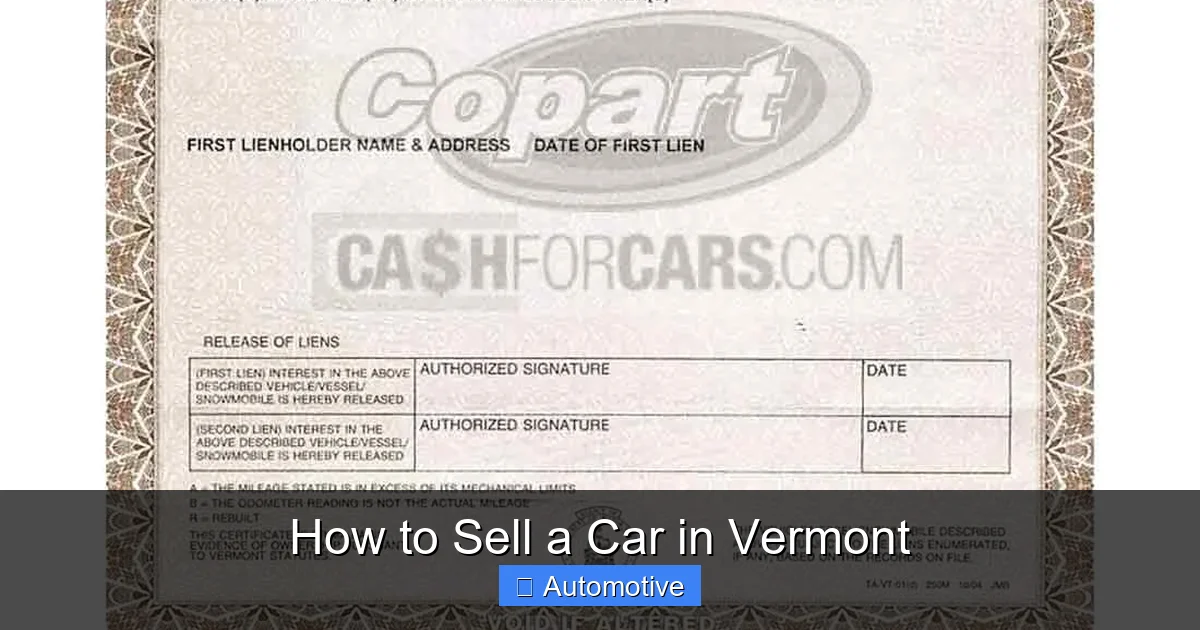
Visual guide about How to Sell a Car in Vermont
Image source: cashforcars.com
Pricing your car correctly is one of the most important steps in the selling process. Overprice it, and you’ll scare away buyers. Underprice it, and you’ll lose money. The goal is to find that sweet spot where your car is competitively priced but still reflects its true value.
Start by researching similar vehicles in your area. Use trusted resources like Kelley Blue Book (KBB), Edmunds, or NADA Guides. Enter your car’s make, model, year, mileage, and condition to get a suggested retail and private party value. These tools also let you adjust for optional features, such as a sunroof, navigation system, or all-wheel drive.
Keep in mind that Vermont’s rural nature and harsh winters can affect car values. Vehicles with four-wheel drive or all-wheel drive often sell for more, especially in areas with heavy snowfall. On the flip side, rust from road salt can decrease value, so be honest about any corrosion.
Check local listings on platforms like Craigslist, Facebook Marketplace, and Autotrader. See what similar cars are going for in your town or nearby cities like Burlington, Rutland, or Brattleboro. If you notice a pattern—say, 2018 Honda CR-Vs with 60,000 miles are selling for $18,000–$20,000—use that as a benchmark.
Don’t forget to factor in your car’s condition. If it’s in excellent shape with low mileage and a clean history, you can price it at the higher end. If it has high mileage, cosmetic flaws, or needs repairs, price it lower to reflect that.
A good rule of thumb is to start slightly above your target price to leave room for negotiation. For example, if you want to net $17,500, list it at $18,000. This gives you flexibility when buyers make offers.
Step 3: Gather Required Documents
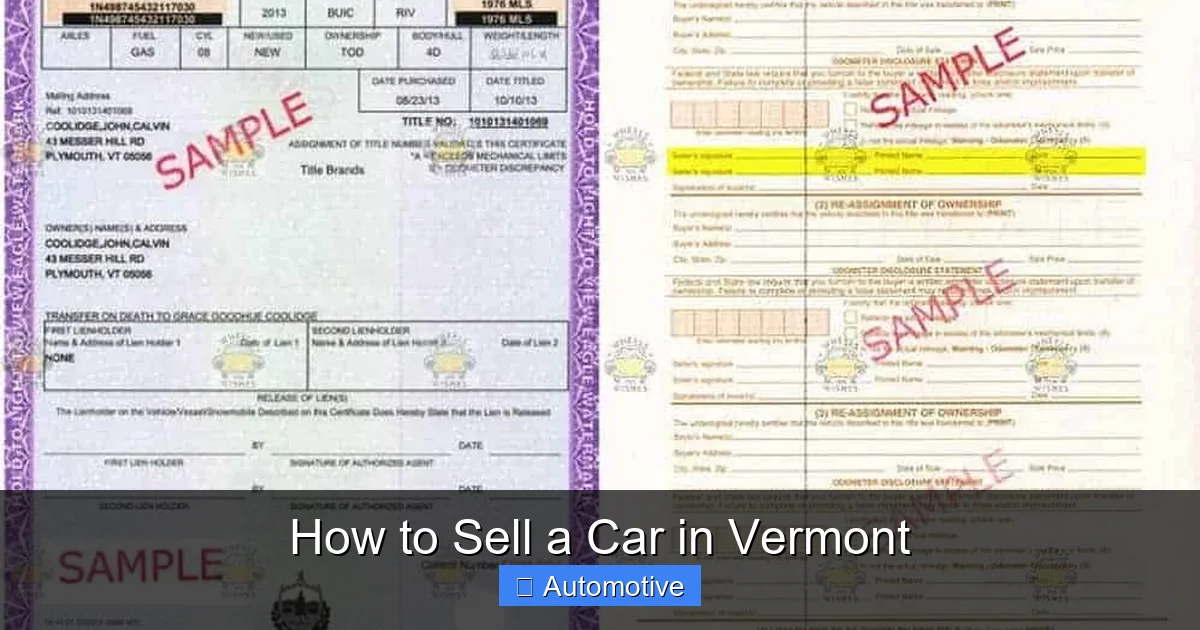
Visual guide about How to Sell a Car in Vermont
Image source: wheelsforwishes.org
Once you’ve prepped your car and set a price, it’s time to gather the paperwork. Vermont has specific requirements for selling a vehicle, and having everything in order will make the transfer smooth and legal.
The most important document is the vehicle title. In Vermont, the title must be signed over to the buyer by the seller(s) listed on the front. If there are two names on the title (e.g., “John Doe AND Jane Smith”), both must sign. If it’s “OR,” only one needs to sign. Make sure the signature matches the name exactly as it appears on the title.
You’ll also need to complete the odometer disclosure section on the title. Federal law requires this for vehicles under 10 years old. Simply fill in the current mileage and check the box that confirms it’s accurate. If the odometer is broken or the mileage is unknown, indicate that clearly.
In addition to the title, Vermont requires a Bill of Sale. While not always mandatory, it’s highly recommended and often requested by buyers. The Bill of Sale should include:
– Seller and buyer names and addresses
– Vehicle make, model, year, and VIN
– Sale price
– Date of sale
– Odometer reading
– Signatures of both parties
You can find a free Vermont Bill of Sale template on the DMV website or use a generic one from a legal forms site. Just make sure it includes all the necessary details.
If your car is less than 10 years old and has passed a recent inspection, you may also need to provide a valid inspection certificate. Vermont requires annual safety inspections, and some buyers will want proof that the car is roadworthy.
Finally, if you still owe money on the car (i.e., it’s financed), you’ll need to contact your lender. Most lenders will require the sale proceeds to pay off the loan before releasing the title. In some cases, you can arrange for the buyer to pay the lender directly at closing.
Step 4: Advertise Your Car Effectively
Visual guide about How to Sell a Car in Vermont
Image source: vtlazerwash.com
Now that your car is ready and your paperwork is in order, it’s time to find a buyer. The key to successful advertising is visibility, honesty, and clarity.
Start by choosing the right platforms. Online marketplaces are the most effective way to reach a large audience. Popular options include:
– Facebook Marketplace (great for local buyers and easy to use)
– Craigslist (still widely used, especially in smaller Vermont towns)
– Autotrader and Cars.com (ideal for reaching serious buyers)
– OfferUp and Letgo (mobile-friendly and popular with younger buyers)
Create a compelling listing. Your title should be clear and include key details like make, model, year, and mileage (e.g., “2017 Toyota Camry – 45,000 Miles – Excellent Condition”). In the description, be honest and thorough. Mention:
– Mileage and condition
– Recent repairs or maintenance
– Any known issues (e.g., small dent, check engine light)
– Features (AWD, backup camera, heated seats, etc.)
– Reason for selling
Use the photos you took earlier. Aim for at least 8–10 high-quality images showing the exterior, interior, engine, tires, and any flaws. Avoid filters or misleading angles.
Set a reasonable response time. Check your messages daily and reply promptly. Buyers often move quickly, and a delayed response could mean losing a sale.
Be prepared to answer common questions. Have details ready about fuel economy, insurance costs, and whether the car has been in any accidents. If you’ve had it serviced at a dealership, mention that—it adds credibility.
Consider offering a test drive, but only after verifying the buyer’s identity and ensuring they have a valid driver’s license and insurance. Meet in a public place during daylight hours, and consider bringing a friend for safety.
Step 5: Handle the Sale and Transfer Ownership
When a serious buyer emerges, it’s time to finalize the sale. This step requires attention to detail to ensure everything is done legally and securely.
Start by agreeing on a price. Be firm but flexible—buyers often expect to negotiate. If they offer $17,000 on your $18,000 listing, consider countering at $17,500. Know your bottom line ahead of time and stick to it.
Once the price is set, meet in a safe, public location—like a police station parking lot or a busy shopping center. Avoid meeting at your home or late at night.
Before handing over the keys, verify the buyer’s identity. Ask to see their driver’s license and make sure the name matches the one on the Bill of Sale.
Next, handle the payment. The safest options are cash or a cashier’s check. Avoid personal checks, money orders, or wire transfers—these can be fraudulent. If using a cashier’s check, go to the bank with the buyer to confirm it’s valid before completing the sale.
Once payment is secured, complete the paperwork:
– Sign the title over to the buyer
– Fill out the Bill of Sale
– Provide a copy of the inspection certificate (if applicable)
– Give the buyer all keys, manuals, and maintenance records
After the sale, remove your license plates. In Vermont, license plates stay with the seller, not the vehicle. You can reuse them on your next car or return them to the DMV.
Step 6: Notify the DMV and Protect Yourself
Even after the sale is complete, your responsibilities aren’t over. To protect yourself from future liability, you must notify the Vermont DMV that the car has been sold.
Within 10 days of the sale, submit a Notice of Sale form (Form TA-33) to the DMV. You can do this online, by mail, or in person at a DMV office. This form tells the state that you’re no longer responsible for the vehicle, which is crucial if the buyer gets a parking ticket, toll violation, or is involved in an accident.
Keep a copy of the Bill of Sale and the Notice of Sale confirmation for your records. These documents serve as proof that you transferred ownership.
If you’re concerned about liability, consider adding a clause to the Bill of Sale stating that the buyer assumes all responsibility for the vehicle as of the sale date. While not legally required, it adds an extra layer of protection.
Finally, cancel your insurance on the vehicle—but only after the sale is complete and the buyer has insured it. Most insurers require proof of sale before removing coverage.
Alternative Options: Selling to a Dealer or Online Buyer
If the idea of dealing with private buyers feels too stressful, consider alternative selling methods. Selling to a dealership or an online car-buying service can be faster and more convenient—though you may get less money.
Trade-ins are the easiest option. When buying a new car, you can trade in your old one at the dealership. The dealer will appraise it and apply the value toward your purchase. While convenient, trade-in values are typically lower than private sale prices because dealers need to make a profit when reselling.
Online car-buying companies like CarMax, Carvana, or Vroom offer instant quotes based on your car’s details. You can complete the process online, schedule a pickup or drop-off, and receive payment quickly. These services are ideal if you value speed and simplicity over maximum profit.
Another option is selling at an auction. Dealers and wholesalers often buy cars this way, but it’s less common for private sellers. You’ll need to transport the car to the auction site and pay a fee, but it can be a good choice if your car is in high demand.
No matter which route you choose, make sure to compare offers and read the fine print. Some services may deduct fees or offer less than the advertised quote after inspection.
Common Mistakes to Avoid
Even experienced sellers make mistakes. Avoid these common pitfalls to ensure a smooth sale:
– **Not cleaning the car:** A dirty car turns buyers off instantly. Invest time in cleaning and detailing.
– **Overpricing:** Research the market and price competitively. Overpriced cars sit on the market for months.
– **Skipping the Bill of Sale:** This document protects both parties and is often required by the DMV.
– **Accepting unsafe payment methods:** Stick to cash or verified cashier’s checks.
– **Failing to notify the DMV:** This can leave you liable for tickets or accidents after the sale.
– **Meeting in unsafe locations:** Always choose public, well-lit areas for test drives and transactions.
– **Not disclosing known issues:** Honesty builds trust and prevents disputes later.
Final Thoughts
Selling a car in Vermont doesn’t have to be a headache. With the right preparation, pricing, and paperwork, you can complete the process efficiently and securely. Whether you choose to sell privately or go through a dealer, the key is to stay informed, be honest, and protect yourself at every step.
Take the time to clean and maintain your car, research fair market value, and use trusted platforms to advertise. Handle the sale with care—verify the buyer, use secure payment methods, and complete all required documents. And don’t forget to notify the DMV to avoid future liability.
By following this guide, you’ll not only sell your car successfully but also walk away with peace of mind and a fair return on your investment. So go ahead—get your car ready, list it with confidence, and enjoy the next chapter of your automotive journey.
Frequently Asked Questions
Do I need a Bill of Sale to sell a car in Vermont?
While not always legally required, a Bill of Sale is highly recommended in Vermont. It protects both the buyer and seller by documenting the sale details, including price, date, and vehicle information. Many buyers and the DMV expect it.
Can I sell my car if I still owe money on it?
Yes, but you must pay off the loan before transferring ownership. Contact your lender to arrange payment from the sale proceeds. The lender will release the title once the loan is satisfied.
How long do I have to notify the DMV after selling my car?
You must submit a Notice of Sale form to the Vermont DMV within 10 days of the sale. This protects you from liability for tickets, tolls, or accidents after the transfer.
Do I need a safety inspection to sell my car?
A valid safety inspection is not required to sell a car in Vermont, but having one can make your vehicle more attractive to buyers. Some buyers may request it before purchasing.
Can I sell my car without a title?
No, you must have a signed title to legally transfer ownership. If your title is lost, contact the Vermont DMV to request a duplicate before selling.
What happens to my license plates after I sell my car?
In Vermont, license plates remain with the seller. You can reuse them on your next vehicle or return them to the DMV. Do not leave them on the sold car.