How to Sell a Car in Utah
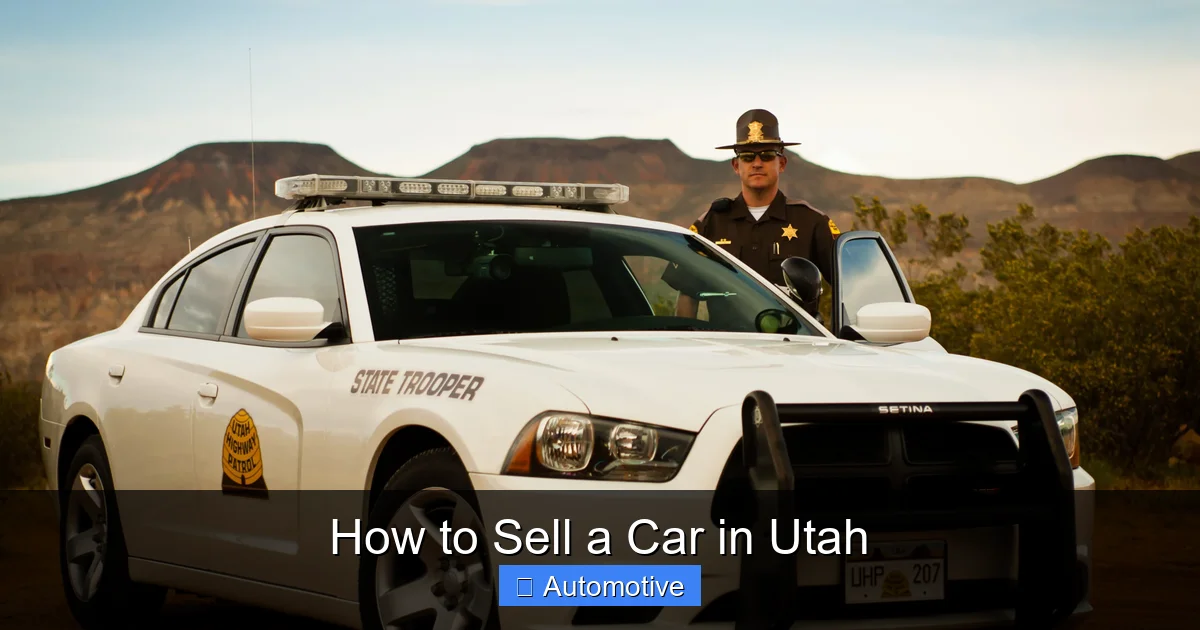
Selling a car in Utah doesn’t have to be stressful. With the right preparation, documentation, and pricing strategy, you can complete the process quickly and legally. This guide walks you through every step—from cleaning your car to transferring the title—so you can sell with confidence.
In This Article
- 1 Key Takeaways
- 2 📑 Table of Contents
- 3 How to Sell a Car in Utah: A Complete Step-by-Step Guide
- 4 Step 1: Prepare Your Vehicle for Sale
- 5 Step 2: Research and Set the Right Price
- 6 Step 3: Gather the Required Documents
- 7 Step 4: Advertise Your Car Effectively
- 8 Step 5: Negotiate and Finalize the Sale
- 9 Avoiding Scams and Staying Safe
- 10 Understanding Utah-Specific Rules and Regulations
- 11 Final Thoughts: Selling Your Car in Utah with Confidence
- 12 Frequently Asked Questions
- 12.1 Do I need a bill of sale to sell a car in Utah?
- 12.2 Is an emissions test required when selling a car in Utah?
- 12.3 How do I transfer the title when selling my car in Utah?
- 12.4 Can I sell my car in Utah if I still owe money on it?
- 12.5 How long do I have to submit the Notice of Sale in Utah?
- 12.6 What payment methods are safest when selling a car in Utah?
Key Takeaways
- Prepare your vehicle: Clean it inside and out, fix minor issues, and gather maintenance records to boost buyer confidence.
- Set a fair price: Use tools like Kelley Blue Book or Edmunds to research market value based on your car’s make, model, year, and condition.
- Gather required documents: You’ll need the title, bill of sale, odometer disclosure, and emissions/safety inspection (if applicable).
- Advertise effectively: Use online platforms like Facebook Marketplace, Craigslist, or Autotrader to reach local buyers in Utah.
- Complete the sale legally: Sign over the title correctly, submit the Notice of Sale online, and keep copies of all paperwork.
- Avoid scams and risks: Meet in public places, accept secure payment methods, and never hand over the car before payment clears.
- Understand Utah-specific rules: Utah requires a bill of sale, odometer disclosure for vehicles under 10 years old, and emissions testing in certain counties.
📑 Table of Contents
- How to Sell a Car in Utah: A Complete Step-by-Step Guide
- Step 1: Prepare Your Vehicle for Sale
- Step 2: Research and Set the Right Price
- Step 3: Gather the Required Documents
- Step 4: Advertise Your Car Effectively
- Step 5: Negotiate and Finalize the Sale
- Avoiding Scams and Staying Safe
- Understanding Utah-Specific Rules and Regulations
- Final Thoughts: Selling Your Car in Utah with Confidence
How to Sell a Car in Utah: A Complete Step-by-Step Guide
So, you’re ready to sell your car in Utah. Maybe you’ve upgraded to a newer model, you’re moving out of state, or you just don’t need the vehicle anymore. Whatever the reason, selling a car can feel overwhelming—especially if you’ve never done it before. But don’t worry. With the right approach, the process can be smooth, safe, and even profitable.
Utah has specific rules and requirements for private car sales, and understanding them upfront will save you time, stress, and potential legal trouble. From pricing your vehicle correctly to transferring ownership legally, every step matters. This guide will walk you through the entire process, from start to finish, with practical tips and real-world examples to help you succeed.
Whether you’re selling a used sedan in Salt Lake City, a pickup truck in Provo, or an SUV in St. George, the basics are the same. We’ll cover everything you need to know—preparation, documentation, advertising, negotiation, and finalizing the sale. By the end, you’ll feel confident and ready to sell your car in Utah the right way.
Step 1: Prepare Your Vehicle for Sale
Visual guide about How to Sell a Car in Utah
Image source: app.charityautodonation.org
Before you even think about listing your car, take time to get it in the best possible condition. First impressions matter, and a clean, well-maintained vehicle will attract more buyers and justify a higher price.
Clean It Inside and Out
Start with a thorough cleaning. Wash the exterior, wax it if possible, and clean the windows inside and out. Don’t forget the wheels and tires—dirt and brake dust can make even a nice car look neglected. Use a tire shine product to give it a fresh, polished look.
Inside, vacuum the seats, carpets, and floor mats. Wipe down all surfaces, including the dashboard, door panels, and center console. Remove any personal items, trash, or clutter. If there are odors, use an odor eliminator—avoid strong air fresheners, which can be a red flag for hidden smells.
Address Minor Repairs and Maintenance
You don’t need to rebuild the engine, but fixing small issues can make a big difference. Replace burnt-out bulbs, fix cracked windshields (or at least get a quote), and top off fluids. If the brakes squeak or the check engine light is on, consider getting them checked—buyers will ask, and unresolved issues can kill a deal.
Gather your maintenance records. If you’ve kept receipts for oil changes, tire rotations, or major repairs, include them. This shows buyers the car has been well cared for and can increase trust and value.
Take High-Quality Photos
When you’re ready to list your car, photos are your first chance to impress. Take pictures in good lighting—early morning or late afternoon works best. Capture the exterior from multiple angles, the interior (especially the dashboard and back seat), the engine bay, and the trunk. Include close-ups of any flaws, like dents or scratches, so buyers know what to expect.
Avoid using filters or editing photos to hide damage. Honesty builds trust, and it prevents surprises during the inspection.
Step 2: Research and Set the Right Price
Visual guide about How to Sell a Car in Utah
Image source: d2xofj35kd5j5j.cloudfront.net
Pricing your car correctly is one of the most important steps in the selling process. Overprice it, and it may sit on the market for months. Underprice it, and you lose money. The goal is to find the sweet spot where your car is competitive but still reflects its true value.
Use Online Valuation Tools
Start by checking pricing guides like Kelley Blue Book (KBB), Edmunds, or NADA Guides. Enter your car’s make, model, year, mileage, trim level, and condition. These tools will give you a range—private party value, trade-in value, and retail value. For a private sale in Utah, focus on the private party value.
For example, a 2018 Honda Civic with 60,000 miles in good condition might be valued at $16,000–$18,000. But if it has high mileage or needs repairs, that number drops.
Check Local Listings
Next, look at similar cars for sale in your area. Search Facebook Marketplace, Craigslist, and Autotrader for vehicles like yours. Note the asking prices, but also consider the condition, mileage, and included features. A car with leather seats and a sunroof might be priced higher than a base model, even if they’re the same year.
If you see a 2018 Honda Civic listed for $17,500 with 55,000 miles and excellent condition, that’s a good benchmark. If your car has 65,000 miles and minor wear, you might price it at $16,500 to stay competitive.
Adjust for Market Conditions
The used car market fluctuates. In recent years, high demand and low inventory have driven up prices. But in a slower market, you may need to be more aggressive. Also, consider the season—convertibles sell better in spring, while SUVs and trucks may move faster in winter.
If you need to sell quickly, price your car slightly below market value. If you can wait, list it at or near the top of the range and be open to negotiation.
Step 3: Gather the Required Documents
Visual guide about How to Sell a Car in Utah
Image source: cashforcars.com
Selling a car in Utah isn’t just about handing over the keys. You need to complete the sale legally, and that means having the right paperwork. Missing documents can delay the sale or cause problems for the buyer—and potentially for you.
Title and Ownership
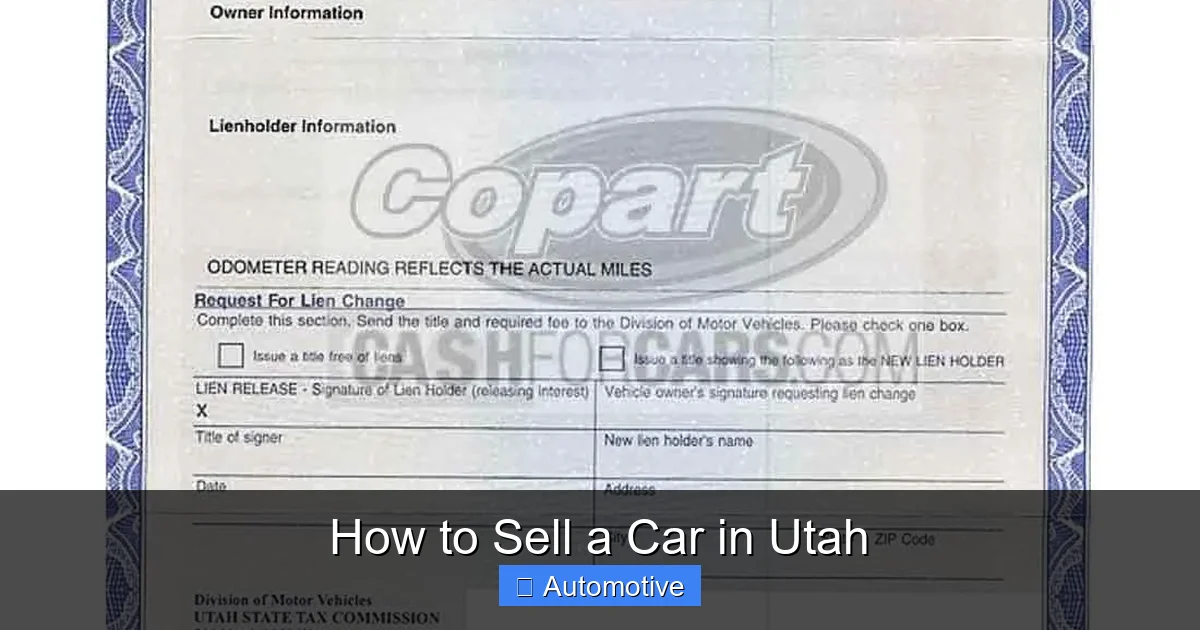
The most important document is the vehicle title. Make sure it’s in your name and free of liens. If there’s a loan on the car, you’ll need to pay it off before selling. Contact your lender to get the title released.
If the title is lost, you can request a duplicate from the Utah Division of Motor Vehicles (DMV). Fill out Form TC-2020 and pay a small fee. It usually takes a few weeks to arrive, so plan ahead.
Bill of Sale
Utah requires a bill of sale for private vehicle transactions. This document records the sale details, including the buyer’s and seller’s names, addresses, vehicle information, sale price, and date. You can download a free bill of sale template from the Utah DMV website or create your own.
Include the VIN, odometer reading, and a statement that the car is sold “as-is” unless you’re offering a warranty. Both parties should sign and date it.
Odometer Disclosure
For vehicles less than 10 years old, Utah law requires an odometer disclosure statement. This confirms the mileage at the time of sale and helps prevent fraud. The disclosure is usually included on the back of the title, but you can also use Form TC-2021 if needed.
If the odometer is broken or the mileage is unknown, check the appropriate box and explain the situation.
Emissions and Safety Inspections
In Utah, emissions and safety inspections are required in certain counties, including Salt Lake, Utah, Davis, Weber, and Cache. If your vehicle is registered in one of these areas, it must pass inspection before it can be sold.
The inspection checks for emissions levels, brakes, lights, tires, and other safety features. You’ll receive a certificate valid for 12 months. Include this with your paperwork—it’s a big selling point for buyers.
If your car fails, you’ll need to fix the issues and retest. Some buyers may ask you to handle this before the sale, while others may deduct the cost from the price.
Release of Liability
After the sale, you must notify the DMV that you’re no longer responsible for the vehicle. This is done by submitting a Notice of Sale online through the Utah DMV website. You’ll need the buyer’s name, address, and the sale date.
This step protects you if the buyer gets a ticket, parks illegally, or is involved in an accident before transferring the title. Without it, you could still be held liable.
Step 4: Advertise Your Car Effectively
Once your car is ready and your paperwork is in order, it’s time to find a buyer. The way you advertise can make or break your sale. A great listing with clear photos and honest details will attract serious buyers and reduce back-and-forth questions.
Choose the Right Platforms
Start with popular online marketplaces. Facebook Marketplace is one of the best options in Utah—it’s free, widely used, and allows you to target local buyers. You can also post on Craigslist, Autotrader, Cars.com, or even local Facebook groups like “Salt Lake City Cars for Sale.”
Each platform has its pros and cons. Facebook Marketplace is easy to use and integrates with Messenger for quick communication. Craigslist is free but attracts more scams. Autotrader and Cars.com reach serious buyers but may charge listing fees.
Write a Compelling Listing
Your ad should be clear, honest, and detailed. Start with a strong headline: “2018 Honda Civic EX – Low Miles, Clean Title, Excellent Condition.” Include key details like year, make, model, trim, mileage, transmission type, fuel economy, and whether it’s automatic or manual.
In the description, highlight the car’s best features. Mention recent maintenance, new tires, a clean interior, or included extras like a backup camera or Apple CarPlay. Be upfront about any flaws—buyers appreciate honesty.
Use bullet points for easy reading:
- 60,000 miles
- Automatic transmission
- Backup camera and Bluetooth
- Recent oil change and tire rotation
- Clean title, no accidents
Respond Promptly and Professionally
When buyers message you, reply quickly and politely. Answer questions honestly and provide additional photos if requested. If someone wants to see the car, schedule a meeting in a public place during daylight hours.
Avoid sharing personal information like your home address or phone number until you’re ready to meet. Use the platform’s messaging system when possible.
Step 5: Negotiate and Finalize the Sale
Once you have interested buyers, it’s time to negotiate and close the deal. This is where preparation pays off—you’ll feel more confident knowing your car’s value and having all your documents ready.
Be Ready to Negotiate
Most buyers will try to negotiate. That’s normal. Decide in advance the lowest price you’re willing to accept—your “walk-away number.” If an offer is close, consider meeting in the middle. If it’s too low, politely decline.
For example, if you’re asking $17,000 and a buyer offers $15,500, you might counter with $16,500. Be firm but flexible. Remember, a quick sale at a fair price is often better than waiting months for top dollar.
Accept Secure Payment
Never accept cash for large amounts—it’s risky and hard to verify. Instead, use a cashier’s check from a local bank or a wire transfer. If the buyer insists on cash, meet at their bank so they can withdraw it in front of you and you can verify the bills.
Avoid personal checks, money orders, or payment apps like Venmo or Zelle for the full amount—they can be reversed or fraudulent.
Complete the Paperwork Together
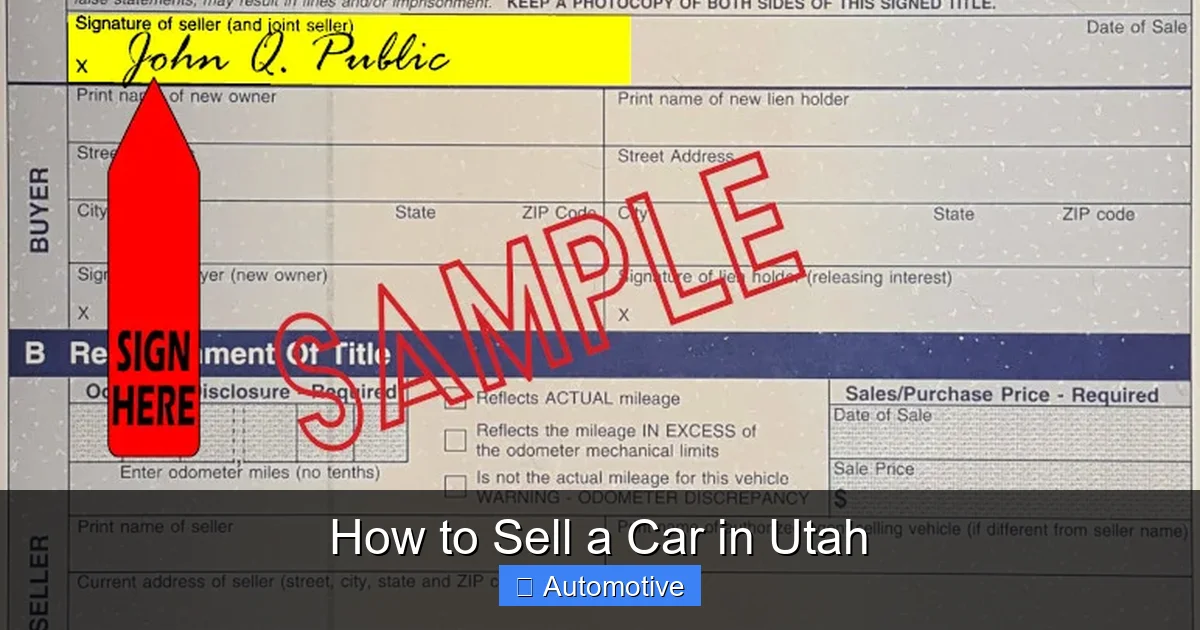
When the buyer agrees to the price, complete the sale on the spot. Sign the title over to the buyer, making sure to fill in their name and address correctly. Don’t leave any fields blank.
Both of you should sign the bill of sale and odometer disclosure. Keep a copy for your records.
Submit the Notice of Sale
Within 10 days of the sale, go online to the Utah DMV website and submit the Notice of Sale. You’ll need the buyer’s information and the sale date. This protects you from future liability.
Hand Over the Keys and Documents
Give the buyer the keys, owner’s manual, spare key (if you have one), and all relevant documents—title, bill of sale, odometer disclosure, and inspection certificate. Make sure they understand how to register the car in their name.
Avoiding Scams and Staying Safe
Selling a car privately comes with risks. Scammers, fake checks, and unsafe meetings are real concerns. But with caution, you can protect yourself and complete the sale safely.
Watch for Red Flags
Be wary of buyers who:
- Want to pay with a cashier’s check from another state
- Ask you to ship the car or pay for shipping
- Send a check for more than the sale price and ask for the difference back
- Refuse to meet in person or inspect the car
These are classic signs of fraud. If something feels off, trust your instincts and walk away.
Meet in a Safe, Public Place
Always meet in a well-lit, public location like a police station parking lot, mall, or busy shopping center. Avoid meeting at your home or late at night. Bring a friend if possible, and let someone know where you’re going.
Some police departments in Utah even offer “safe exchange zones” with cameras and emergency phones—use them if available.
Verify Payment Before Handing Over the Car
Never release the car until payment has cleared. For cashier’s checks, call the issuing bank to confirm it’s valid. For wire transfers, wait for confirmation from your bank.
If the buyer wants to drive away before payment clears, don’t let them. It’s not worth the risk.
Understanding Utah-Specific Rules and Regulations
Every state has its own rules for selling a car, and Utah is no exception. Knowing these details will help you avoid legal issues and ensure a smooth transfer of ownership.
Title Transfer Requirements
In Utah, the buyer is responsible for registering the vehicle and paying sales tax, but you must properly sign over the title. Make sure the buyer’s name and address are correct. If the title is lost, you must obtain a duplicate before selling.
Emissions Testing in Certain Counties
As mentioned earlier, vehicles in Salt Lake, Utah, Davis, Weber, and Cache counties must pass emissions and safety inspections. If your car is registered in one of these areas, it must have a valid inspection certificate at the time of sale.
Buyers will often ask for this, and having it ready can speed up the process.
Sales Tax and Registration
Utah charges a 6.1% sales tax on vehicle purchases, based on the sale price or the DMV’s valuation, whichever is higher. The buyer pays this when they register the car. You don’t need to collect or pay it—just make sure the sale price is clearly stated on the bill of sale.
Liability Protection
Submitting the Notice of Sale is crucial. It removes your liability for the vehicle after the sale date. Without it, you could be responsible for tickets, accidents, or towing fees.
Final Thoughts: Selling Your Car in Utah with Confidence
Selling a car in Utah doesn’t have to be complicated. With the right preparation, you can complete the process quickly, legally, and profitably. Start by cleaning and repairing your vehicle, then research a fair price and gather all required documents. Advertise effectively, negotiate wisely, and finalize the sale with secure payment and proper paperwork.
Remember, honesty and transparency build trust with buyers. A well-maintained car with complete records will always attract more interest. And by following Utah’s specific rules—like emissions testing and odometer disclosure—you’ll avoid legal headaches down the road.
Whether you’re selling a compact car in Ogden or a family SUV in Logan, this guide gives you everything you need to succeed. Take your time, stay safe, and don’t rush the process. With patience and attention to detail, you’ll find the right buyer and drive away with cash in hand.
Frequently Asked Questions
Do I need a bill of sale to sell a car in Utah?
Yes, Utah law requires a bill of sale for private vehicle transactions. It documents the sale details, including the buyer’s and seller’s information, vehicle description, sale price, and date. Both parties should sign it.
Is an emissions test required when selling a car in Utah?
Emissions and safety inspections are required in certain Utah counties, including Salt Lake, Utah, Davis, Weber, and Cache. If your vehicle is registered in one of these areas, it must pass inspection before it can be sold.
How do I transfer the title when selling my car in Utah?
Sign the title over to the buyer, filling in their name and address. Complete the odometer disclosure if the vehicle is less than 10 years old. The buyer will use this to register the car in their name.
Can I sell my car in Utah if I still owe money on it?
No, you must pay off the loan and obtain a clear title before selling. Contact your lender to arrange the payoff and title release. Some lenders may allow you to handle the sale through them.
How long do I have to submit the Notice of Sale in Utah?
You must submit the Notice of Sale to the Utah DMV within 10 days of the sale. This protects you from liability for the vehicle after the transfer date.
What payment methods are safest when selling a car in Utah?
The safest options are cash (for smaller amounts), cashier’s checks from a local bank, or wire transfers. Avoid personal checks, money orders, or payment apps for the full amount, as they can be fraudulent.