How to Sell a Car in South Dakota
Selling a car in South Dakota doesn’t have to be complicated. Whether you’re upgrading, downsizing, or just ready for a change, this guide walks you through every step—from preparing your vehicle to finalizing the sale legally and safely. With clear instructions and local insights, you’ll close the deal with confidence.
Thinking about selling your car in South Dakota? Whether you’re in Sioux Falls, Rapid City, or a quiet town in the Black Hills, the process can be straightforward—if you know what to do. Selling a vehicle isn’t just about finding a buyer; it’s about doing it safely, legally, and for the best possible price. With a little preparation and the right approach, you can turn your old ride into cash without the headaches.
South Dakota has its own set of rules and procedures when it comes to vehicle sales, so it’s important to understand the local requirements. From titling and registration to taxes and inspections, there are specific steps you must follow to ensure a smooth transaction. The good news? The state keeps things relatively simple compared to some others. No emissions testing, no complicated registration renewals—just clear guidelines that, when followed, make selling your car a breeze.
In this guide, we’ll walk you through every step of how to sell a car in South Dakota. We’ll cover everything from prepping your vehicle and setting the right price to advertising, meeting buyers, and completing the legal transfer. Whether you’re selling privately or opting for a quicker dealer trade-in, you’ll have all the tools and tips you need to succeed.
In This Article
- 1 Key Takeaways
- 2 📑 Table of Contents
- 3 Step 1: Prepare Your Vehicle for Sale
- 4 Step 2: Determine the Right Price
- 5 Step 3: Gather the Necessary Paperwork
- 6 Step 4: Advertise Your Car Effectively
- 7 Step 5: Safely Complete the Sale
- 8 Alternative Options: Selling to a Dealer or Online Buyer
- 9 Final Tips for a Successful Sale
- 10 Frequently Asked Questions
- 10.1 Do I need a smog or emissions test to sell a car in South Dakota?
- 10.2 Can I sell my car if I still owe money on it?
- 10.3 How long do I have to notify the DOR after selling my car?
- 10.4 What if the buyer doesn’t register the car?
- 10.5 Can I sell my car without a title?
- 10.6 Is it better to sell privately or trade in at a dealer?
Key Takeaways
- Clean and detail your car: A well-maintained vehicle attracts more buyers and can increase its resale value.
- Set a competitive price: Research similar models in your area using tools like Kelley Blue Book or Edmunds to price your car fairly.
- Gather all necessary documents: You’ll need the title, bill of sale, odometer disclosure, and vehicle history report to complete the sale legally.
- Advertise effectively: Use online platforms like Craigslist, Facebook Marketplace, or local classifieds to reach South Dakota buyers quickly.
- Meet safely and verify payment: Always meet in public places and use secure payment methods like cashier’s checks or bank transfers.
- Complete the transfer correctly: Submit the proper paperwork to the South Dakota Department of Revenue to avoid future liability.
- Consider selling to a dealer or online buyer: For a faster, hassle-free option, trade-in or sell directly to a dealership or service like CarMax or Carvana.
📑 Table of Contents
Step 1: Prepare Your Vehicle for Sale
Before you even think about listing your car, take the time to get it in the best possible condition. First impressions matter—especially when a buyer is deciding whether to spend thousands of dollars. A clean, well-maintained car not only looks more appealing but can also justify a higher asking price.
Clean Inside and Out
Start with a thorough wash and wax. Dirt, grime, and road salt (especially common in South Dakota winters) can make even a well-kept car look neglected. Don’t forget the wheels and undercarriage—buyers often inspect these areas for rust or damage.
Inside, vacuum every corner, clean the seats (whether they’re cloth or leather), and wipe down all surfaces. Remove any personal items, trash, or clutter. A tidy interior shows that you’ve cared for the vehicle. Consider using an odor eliminator if there are any lingering smells from pets, smoke, or food.
Address Minor Repairs
You don’t need to overhaul the engine, but fixing small issues can make a big difference. Replace burnt-out bulbs, fix cracked windshields, and top off fluids. If the tires are worn or the brakes are squeaking, consider getting them checked—safety concerns can scare off buyers.
Even something as simple as replacing a missing gas cap or fixing a loose door handle can boost buyer confidence. These small fixes cost little but signal that the car has been well-maintained.
Get a Pre-Sale Inspection
While South Dakota doesn’t require a pre-sale inspection for private vehicle sales, getting one can be a smart move. A mechanic can identify hidden problems and give you a chance to fix them before listing. Plus, you can share the inspection report with potential buyers to build trust.
For example, if you’re selling a 2015 Ford F-150 with 90,000 miles, a clean inspection report showing good brakes, transmission, and engine health can justify a higher price and speed up the sale.
Step 2: Determine the Right Price

Visual guide about How to Sell a Car in South Dakota
Image source: a57.foxnews.com
Pricing your car correctly is one of the most important steps in how to sell a car in South Dakota. Overprice it, and you’ll scare off buyers. Underprice it, and you’ll lose money. The goal is to find that sweet spot where your car is competitive but still reflects its true value.
Research Comparable Listings
Start by looking at similar vehicles in your area. Use online tools like Kelley Blue Book (KBB), Edmunds, or NADA Guides. Filter by make, model, year, mileage, condition, and location. For instance, if you’re selling a 2018 Honda CR-V with 70,000 miles in Sioux Falls, check what other CR-Vs with similar specs are listed for.
Don’t forget to check local classifieds like Craigslist or Facebook Marketplace. These platforms often show what buyers are actually willing to pay in your specific market.
Adjust for Condition and Extras
Once you have a baseline, adjust the price based on your car’s condition. A vehicle with low mileage, a clean history, and extra features (like a sunroof, navigation, or leather seats) can command a higher price. Conversely, if your car has high mileage, minor damage, or needs repairs, you’ll need to lower the price accordingly.
For example, a 2016 Toyota Camry with 100,000 miles might list for $12,000 in average condition, but if yours has a rebuilt transmission or significant body damage, you might need to drop it to $9,500.
Consider Market Trends
The used car market can fluctuate based on supply, demand, and seasonal trends. In South Dakota, trucks and SUVs often sell faster in the fall and winter due to snow and rural driving needs. If you’re selling a pickup or 4WD vehicle, you might get more interest—and a better price—during colder months.
Also, keep an eye on fuel prices. When gas is expensive, fuel-efficient cars like hybrids or compact sedans may see increased demand.
Step 3: Gather the Necessary Paperwork
Visual guide about How to Sell a Car in South Dakota
Image source: legaltemplates.net
Selling a car isn’t just about handing over the keys—it’s about transferring ownership legally. In South Dakota, you’ll need several documents to complete the sale and protect yourself from future liability.
Vehicle Title
The title is the most important document. It proves you own the car and have the right to sell it. Make sure the title is signed correctly and that there are no liens (loans) against the vehicle. If there is a lien, you’ll need to pay it off before selling or coordinate with the lender to release the title.
If you’ve lost your title, you can apply for a duplicate from the South Dakota Department of Revenue. There’s a small fee, and you’ll need to provide your vehicle identification number (VIN) and proof of identity.
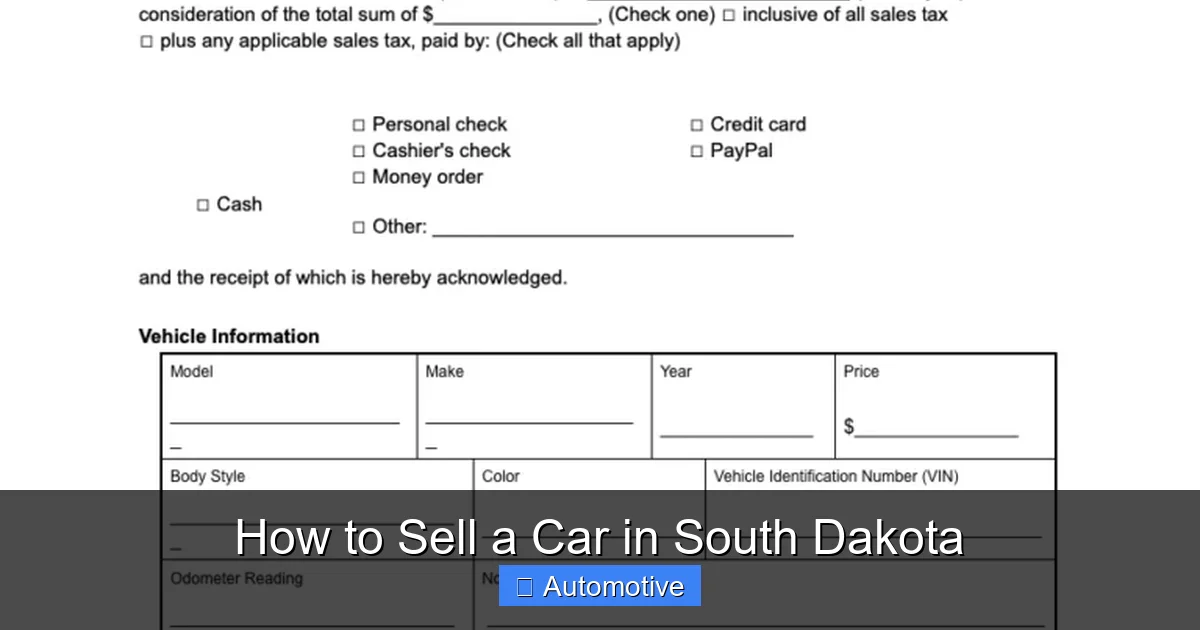
Bill of Sale
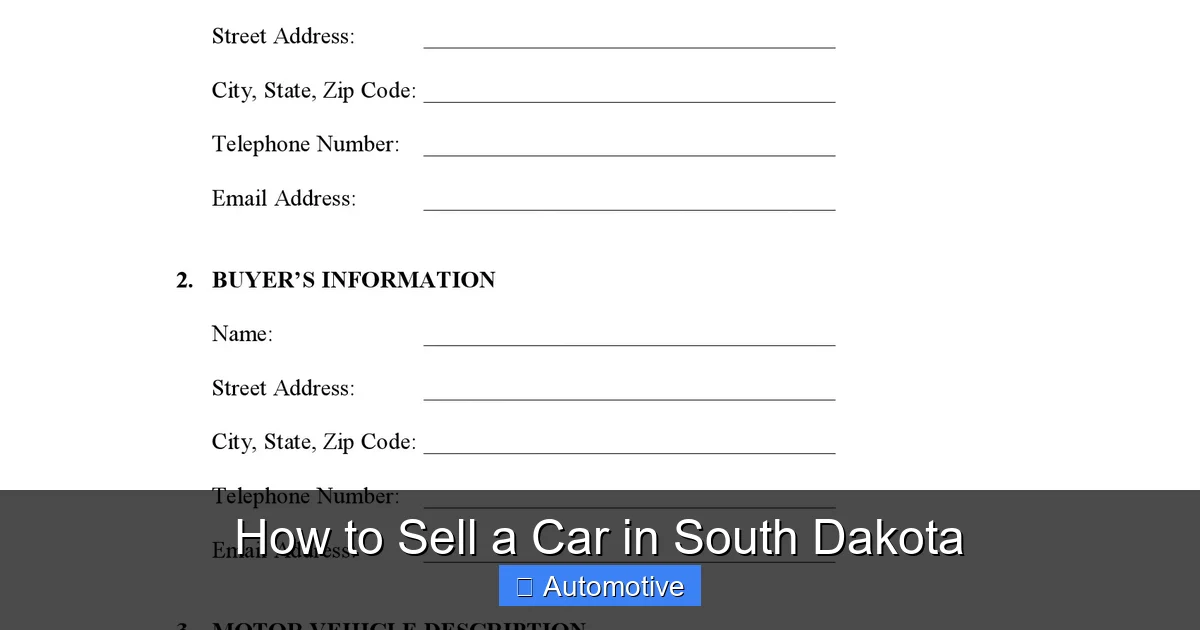
While not always required, a bill of sale is highly recommended. It serves as a legal record of the transaction and includes details like the sale price, date, and both parties’ information. You can find free bill of sale templates online or use the one provided by the South Dakota DOR.
Odometer Disclosure
Federal law requires you to disclose the vehicle’s mileage at the time of sale. This must be included on the title or a separate odometer disclosure form. Be honest—lying about mileage is illegal and can lead to fines or legal trouble.
Vehicle History Report
Providing a vehicle history report (like one from Carfax or AutoCheck) builds trust with buyers. It shows accidents, service records, and whether the car has a clean title. You can purchase a report online for around $30–$40.
Release of Liability
After the sale, you must notify the South Dakota DOR that you’ve transferred ownership. This is typically done by submitting a release of liability form, which protects you if the new owner gets a ticket or is involved in an accident after the sale.
Step 4: Advertise Your Car Effectively
Visual guide about How to Sell a Car in South Dakota
Image source: keloland.com
Once your car is ready and your paperwork is in order, it’s time to find a buyer. The way you advertise can make or break your sale.
Choose the Right Platforms
Online marketplaces are the most effective way to reach buyers. Popular options include:
– Facebook Marketplace: Great for local sales and includes buyer/seller ratings.
– Craigslist: Widely used in South Dakota, especially in larger cities.
– Autotrader or Cars.com: Ideal for higher-value vehicles.
– Local classifieds: Check newspapers or community boards in smaller towns.
Each platform has its pros and cons. Facebook Marketplace is user-friendly and free, but you may get more lowball offers. Craigslist reaches a broad audience but requires caution due to scams.
Write a Compelling Ad
Your ad should be clear, honest, and highlight the car’s best features. Include:
– Year, make, model, and trim
– Mileage
– Condition (e.g., “excellent,” “good,” “needs minor work”)
– Key features (AWD, backup camera, tow package, etc.)
– Reason for selling
– Price
Use high-quality photos taken in good lighting. Show the exterior, interior, engine bay, and any flaws. A picture is worth a thousand words—especially when buyers can’t see the car in person.
For example:
“Selling my 2017 Subaru Outback with 68,000 miles. Excellent condition, regularly serviced, AWD perfect for South Dakota winters. Includes roof rack, heated seats, and new tires. Clean title, no accidents. Asking $16,500 OBO.”
Respond Promptly and Professionally
When buyers reach out, respond quickly and politely. Answer questions honestly and be prepared to schedule test drives. Avoid sharing personal information like your home address until you’re ready to meet.
Step 5: Safely Complete the Sale
Meeting a buyer and finalizing the sale can be nerve-wracking, but with the right precautions, it can go smoothly.
Meet in a Safe, Public Place
Always meet in a well-lit, public area like a police station parking lot, shopping center, or bank. Many police departments in South Dakota even offer “safe exchange zones” for online transactions.
Bring a friend or family member with you, and let someone know where you’re going and when you expect to return.
Verify Payment Before Handing Over the Car
Accept only secure payment methods. Cash is the safest option for private sales. If the buyer wants to pay with a check, make sure it’s a cashier’s check from a local bank—and verify it clears before handing over the keys.
Avoid wire transfers or personal checks, as these can be fraudulent.
Complete the Transfer of Ownership
Once payment is secured, sign the title over to the buyer. Make sure they fill out their information correctly. Provide a bill of sale and any other documents (like the odometer disclosure).
The buyer is responsible for registering the car in their name, but you should keep copies of all paperwork for your records.
Notify the DOR
Within a few days of the sale, submit a release of liability to the South Dakota Department of Revenue. This can often be done online or by mail. This step is crucial—it removes your responsibility for the vehicle after the sale.
Alternative Options: Selling to a Dealer or Online Buyer
If you’re short on time or want to avoid the hassle of private sales, consider selling to a dealership or an online car-buying service.
Trade-In at a Dealership
Trading in your car at a dealership is convenient, especially if you’re buying a new vehicle. The dealer will inspect your car and offer a trade-in value, which is then applied to your new purchase.
The downside? You’ll usually get less money than selling privately. However, South Dakota offers a sales tax credit on trade-ins, which can save you money on your new car purchase.
Sell to an Online Buyer
Companies like CarMax, Carvana, and Vroom offer instant online quotes and will buy your car directly. They handle the paperwork and often provide free pickup.
These services are fast and secure, but like dealerships, they may offer lower prices than private buyers. Still, for many South Dakota sellers, the convenience outweighs the difference.
Consignment or Broker Services
Some local dealers or independent brokers offer consignment services. They’ll list and sell your car for a fee, handling advertising, test drives, and negotiations. This can be a good middle ground between private and dealer sales.
Final Tips for a Successful Sale
Selling a car in South Dakota doesn’t have to be stressful. Keep these final tips in mind:
– Be honest about the car’s condition—transparency builds trust.
– Don’t rush the process. Take your time to find the right buyer.
– Keep records of all communications and transactions.
– If something feels off during a meeting, trust your instincts and walk away.
With the right preparation and mindset, you can sell your car quickly, safely, and for a fair price.
Frequently Asked Questions
Do I need a smog or emissions test to sell a car in South Dakota?
No, South Dakota does not require smog or emissions testing for vehicle sales. This makes the process simpler compared to states like California or Colorado.
Can I sell my car if I still owe money on it?
Yes, but you’ll need to pay off the loan first or work with the lender to transfer the title. Most lenders will require the loan to be satisfied before releasing the title to the buyer.
How long do I have to notify the DOR after selling my car?
You should submit a release of liability to the South Dakota Department of Revenue as soon as possible after the sale, ideally within 10 days, to avoid future liability.
What if the buyer doesn’t register the car?
Once you’ve submitted the release of liability, you’re no longer responsible for the vehicle. However, it’s a good idea to follow up and confirm the transfer was completed.
Can I sell my car without a title?
No, you must have a valid title to sell a car in South Dakota. If you’ve lost it, apply for a duplicate from the DOR before listing the vehicle.
Is it better to sell privately or trade in at a dealer?
Selling privately usually gets you more money, but trading in is faster and more convenient. Consider your priorities—time, effort, and profit—when deciding.