How to Sell a Car in Nys
Selling a car in New York State doesn’t have to be stressful. With the right preparation, clear documentation, and smart marketing, you can complete the process smoothly and legally. This guide walks you through every step—from pricing to finalizing the sale—so you can sell your car with confidence.
In This Article
- 1 Key Takeaways
- 2 📑 Table of Contents
- 3 How to Sell a Car in NYS: A Complete Step-by-Step Guide
- 4 Step 1: Gather All Required Documents
- 5 Step 2: Determine the Right Price for Your Car
- 6 Step 3: Clean and Prepare Your Vehicle
- 7 Step 4: Advertise Your Car Effectively
- 8 Step 5: Meet Buyers and Conduct Test Drives Safely
- 9 Step 6: Complete the Sale and Transfer Ownership
- 10 Conclusion
- 11 Frequently Asked Questions
- 11.1 Do I need a bill of sale to sell a car in NYS?
- 11.2 Can I sell my car if I still have a loan on it?
- 11.3 How long do I have to notify the DMV after selling my car?
- 11.4 Can I sell my car without a valid inspection?
- 11.5 What happens if the buyer doesn’t register the car?
- 11.6 Should I remove my license plates when selling a car in NYS?
Key Takeaways
- Prepare all required documents: You’ll need the title, bill of sale, odometer disclosure, and inspection records to complete a legal sale in NYS.
- Price your car competitively: Research similar models on sites like Kelley Blue Book, Edmunds, or Autotrader to set a fair market price.
- Clean and detail your vehicle: A well-maintained car with clean interiors and exteriors attracts more buyers and can increase resale value.
- Advertise effectively: Use online platforms like Craigslist, Facebook Marketplace, and Cars.com to reach local buyers quickly.
- Meet buyers safely: Always conduct test drives in public areas and bring a friend for added security.
- Complete the transfer properly: Sign over the title correctly, submit a Notice of Sale to the DMV, and keep copies of all paperwork.
- Avoid scams and fraud: Be wary of overpayment checks, wire transfers, and buyers who refuse to meet in person.
📑 Table of Contents
- How to Sell a Car in NYS: A Complete Step-by-Step Guide
- Step 1: Gather All Required Documents
- Step 2: Determine the Right Price for Your Car
- Step 3: Clean and Prepare Your Vehicle
- Step 4: Advertise Your Car Effectively
- Step 5: Meet Buyers and Conduct Test Drives Safely
- Step 6: Complete the Sale and Transfer Ownership
- Conclusion
How to Sell a Car in NYS: A Complete Step-by-Step Guide
So, you’ve decided it’s time to sell your car. Maybe you’re upgrading to something newer, downsizing, or just ready for a change. Whatever the reason, selling a car in New York State (NYS) comes with its own set of rules and responsibilities. But don’t worry—this process doesn’t have to be overwhelming.
Whether you’re selling a sedan, SUV, truck, or even a classic car, the key to a smooth sale lies in preparation, transparency, and following the correct legal steps. New York has specific requirements when it comes to transferring ownership, reporting the sale to the DMV, and ensuring both buyer and seller are protected. By understanding these steps ahead of time, you can avoid common pitfalls, save money, and close the deal faster.
In this guide, we’ll walk you through everything you need to know about how to sell a car in NYS—from preparing your vehicle and setting the right price, to advertising it effectively, meeting with buyers safely, and completing the legal transfer. We’ll also cover important tips to avoid scams and ensure a hassle-free experience. Let’s get started.
Step 1: Gather All Required Documents
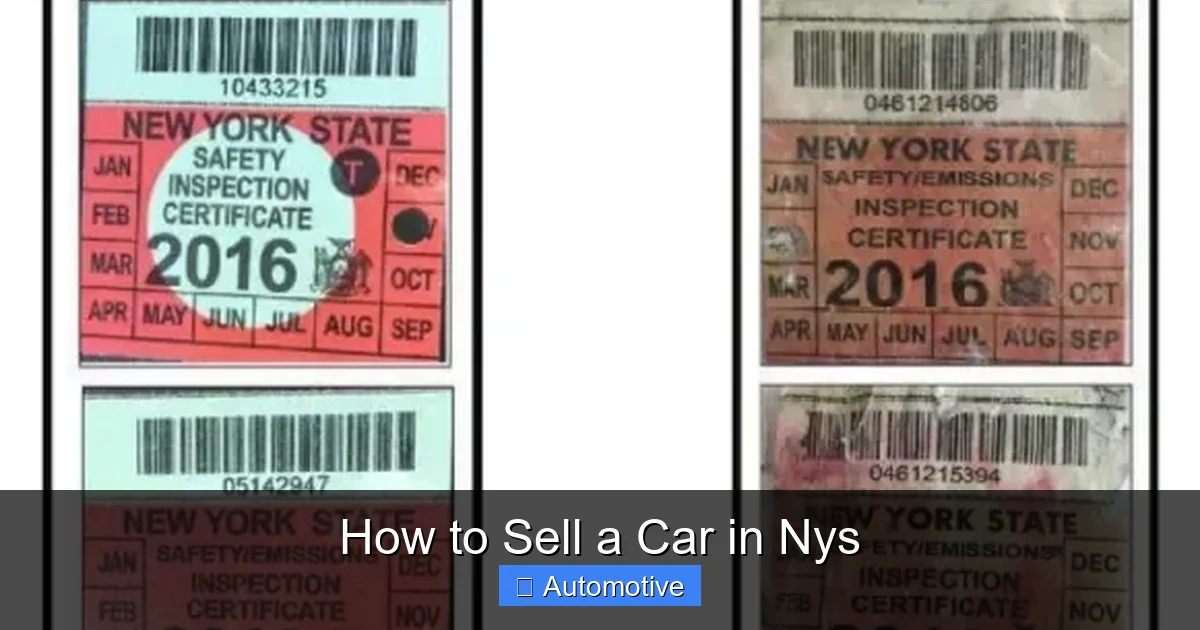
Visual guide about How to Sell a Car in Nys
Image source: media.wgrz.com
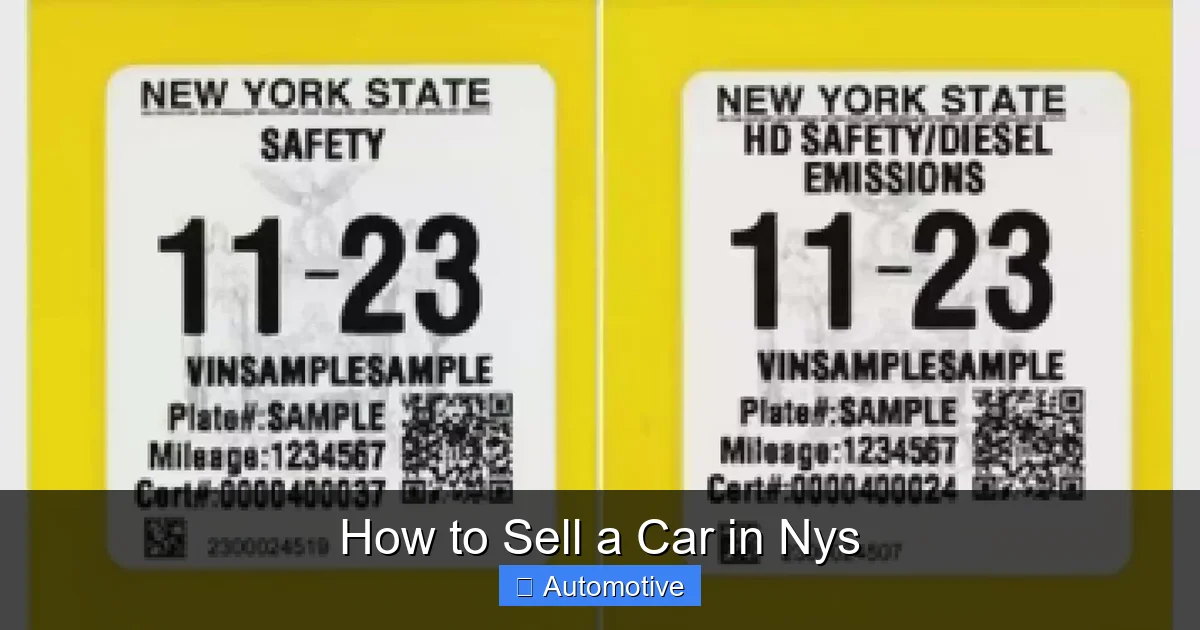
Before you even think about listing your car, make sure you have all the necessary paperwork in order. In New York, selling a car isn’t just about handing over the keys—it’s a legal transaction that requires proper documentation. Missing even one form can delay the sale or cause problems down the line.
Vehicle Title
The most important document is the vehicle title. This proves you are the legal owner of the car and have the right to sell it. If your car is financed, the title may be held by the lender. In that case, you’ll need to pay off the loan before you can transfer ownership. Once the loan is cleared, the lender will release the title to you.
Make sure the title is signed correctly. In NYS, the seller must sign the back of the title in the designated area. If you’re married and the car is jointly owned, both spouses must sign unless one has a power of attorney. Also, check for any liens listed on the title—these must be cleared before the sale.
Bill of Sale
While not always required by the DMV, a bill of sale is highly recommended. It serves as a legal record of the transaction and includes key details like the sale price, date, vehicle identification number (VIN), and names and addresses of both buyer and seller.
You can download a free bill of sale form from the New York DMV website or create your own. Be sure to include:
– Full names and addresses of buyer and seller
– Vehicle make, model, year, and VIN
– Sale price
– Date of sale
– Odometer reading
– Signatures of both parties
Odometer Disclosure Statement
Federal law requires an odometer disclosure for vehicles under 10 years old. This confirms the mileage at the time of sale and helps prevent odometer fraud. The disclosure is typically included on the back of the title, but if it’s not, you may need a separate form.
Inspection and Maintenance Records
While not legally required, having recent inspection and maintenance records can boost buyer confidence. It shows that the car has been well cared for and may justify a higher price. Include receipts for oil changes, brake work, tire replacements, and any major repairs.
Release of Liability (Notice of Sale)
After the sale, you must notify the DMV that you’ve transferred ownership. This is done by submitting a Notice of Sale (Form MV-13ST) within 10 days of the sale. This protects you from liability if the buyer gets a ticket or is involved in an accident before registering the car in their name.
You can submit the form online through the DMV website, by mail, or in person at a DMV office. Keep a copy for your records.
Step 2: Determine the Right Price for Your Car
Visual guide about How to Sell a Car in Nys
Image source: i.ytimg.com
Pricing your car correctly is one of the most important steps in the selling process. Set the price too high, and you’ll scare off buyers. Set it too low, and you’ll lose money. The goal is to find the sweet spot—fair market value.
Research Comparable Listings
Start by checking online marketplaces like Kelley Blue Book (KBB), Edmunds, Autotrader, and Cars.com. Look for vehicles similar to yours in terms of make, model, year, mileage, condition, and location. Pay attention to both private party and dealer prices, but focus on private sales since you’re selling directly to a buyer.
For example, if you’re selling a 2018 Honda Accord with 60,000 miles in good condition, search for other 2018 Accords in your area with similar mileage. Note the asking prices and adjust based on features (like sunroof, navigation, or leather seats) and overall condition.
Use Valuation Tools
KBB and Edmunds offer free valuation tools that give you a price range based on your car’s specifics. These tools consider factors like trim level, options, and regional demand. While they’re not always 100% accurate, they provide a solid starting point.
Keep in mind that these tools often give a “trade-in” value and a “private party” value. Since you’re selling privately, aim for the private party range. You’ll typically get more money this way than trading in at a dealership.
Adjust for Condition and Extras
Be honest about your car’s condition. If it has minor scratches, dents, or interior wear, adjust the price accordingly. On the other hand, if it’s in excellent shape with low mileage and recent upgrades, you can price it at the higher end of the range.
Include any aftermarket parts or upgrades (like new tires, a premium sound system, or a roof rack) in your listing and consider adding a small premium to the price.
Factor in Market Demand
Some cars sell faster than others. SUVs and trucks are often in high demand in upstate New York due to weather and road conditions. Convertibles may sell better in warmer months. If your car is in a popular category, you might be able to ask a bit more.
Also, consider timing. Selling in spring or early summer often yields more interest, as people are more likely to shop for cars when the weather improves.
Step 3: Clean and Prepare Your Vehicle
Visual guide about How to Sell a Car in Nys
Image source: i1.wp.com
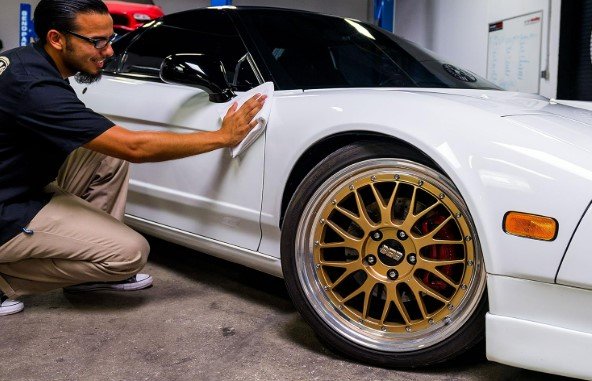
First impressions matter—especially when selling a car. A clean, well-maintained vehicle not only looks more appealing but also suggests that it’s been cared for. This can justify a higher price and help you sell faster.
Exterior Detailing
Start with a thorough wash. Use a car-specific soap and a microfiber cloth to avoid scratches. Pay attention to wheel wells, under the bumper, and areas where dirt tends to accumulate.
If your car has minor scratches or swirl marks, consider using a scratch remover or polish. For deeper scratches, you might need touch-up paint. A professional detailer can handle this, but it’s often worth the investment if it increases your car’s value.
Don’t forget the windows—clean them inside and out for maximum visibility and shine.
Interior Cleaning
Vacuum the carpets, seats, and trunk. Use a brush attachment for tight spaces like air vents and cup holders. Wipe down all surfaces with a gentle cleaner—dashboard, door panels, center console, and steering wheel.
If your car has fabric seats, consider using a fabric cleaner to remove stains. For leather seats, use a leather conditioner to keep them soft and prevent cracking.
Air fresheners can help, but avoid overpowering scents. A clean, neutral smell is best.
Mechanical Check-Up
Before listing your car, take it to a trusted mechanic for a pre-sale inspection. They can identify any issues that might scare off buyers, like a worn timing belt, low brake pads, or a check engine light.
Fixing small problems now can prevent price negotiations later. For example, replacing a burnt-out headlight or topping off fluids shows you’re serious about the sale.
Remove Personal Items
Clear out all personal belongings—glove compartment, trunk, under seats. Don’t forget about old receipts, sunglasses, or spare change. This makes the car feel more like a blank slate for the buyer.
Also, remove any custom license plates or stickers unless you plan to transfer them.
Step 4: Advertise Your Car Effectively
Now that your car is clean and priced right, it’s time to find a buyer. The key is to reach as many potential buyers as possible while presenting your car in the best light.
Choose the Right Platforms
There are several online platforms where you can list your car:
– **Craigslist**: Free and widely used, especially in urban areas like NYC, Buffalo, and Rochester. Be cautious of scams.
– **Facebook Marketplace**: Great for local sales. You can share your listing with friends and join local car groups.
– **Cars.com**: A trusted site with a large audience. Offers paid promotion options.
– **Autotrader**: Popular with serious buyers. Free basic listing, paid upgrades available.
– **OfferUp and Letgo**: Mobile-friendly apps for quick local sales.
Consider listing on multiple platforms to maximize exposure.
Write a Compelling Ad
Your ad should be clear, honest, and attention-grabbing. Start with a strong headline that includes the year, make, model, and a key selling point (e.g., “2017 Toyota Camry – Low Miles, One Owner, Clean Title”).
In the description, include:
– Mileage
– Condition (excellent, good, fair)
– Key features (sunroof, backup camera, heated seats, etc.)
– Recent maintenance or repairs
– Reason for selling
– Availability for test drives
Avoid exaggerations or misleading claims. Honesty builds trust and reduces the chance of disputes.
Take High-Quality Photos
Photos are crucial. Take pictures in good natural light, preferably during the day. Shoot from multiple angles:
– Front, back, and both sides
– Interior (dashboard, seats, trunk)
– Engine bay
– Tires and wheels
– Any damage (to be transparent)
Use a smartphone with a good camera or a digital camera. Avoid filters or heavy editing—buyers want to see the real condition.
Set a Fair Price and Be Open to Negotiation
List your car at the price you researched, but be prepared to negotiate. Most buyers will try to haggle. Decide in advance the lowest price you’re willing to accept and stick to it.
If a buyer offers less, consider their reasoning. Are they pointing out real flaws? Or just trying to lowball? Respond politely but firmly.
Step 5: Meet Buyers and Conduct Test Drives Safely
Once you start getting inquiries, it’s time to meet potential buyers. Safety should be your top priority.
Screen Buyers First
Ask questions over email or text before meeting. Legitimate buyers will ask about mileage, condition, and service history. Be wary of those who want to buy immediately without seeing the car or who ask for personal information.
Avoid buyers who:
– Offer to pay more than the asking price
– Ask you to ship the car
– Want to pay with a cashier’s check or wire transfer
– Refuse to meet in person
Choose a Safe Meeting Location
Always meet in a public, well-lit place during daylight hours. Police stations often have designated “safe exchange zones” with cameras. Shopping centers, coffee shops, or busy parking lots are also good options.
Never meet at your home or a secluded area.
Bring a Friend
If possible, bring someone with you. Having a second person adds security and can help answer questions or take notes.
Conduct the Test Drive
Let the buyer drive the car, but stay in the passenger seat. Make sure they have a valid driver’s license and proof of insurance.
During the drive, point out key features and answer questions honestly. If they notice a problem, acknowledge it—this builds trust.
Be Prepared to Negotiate
After the test drive, the buyer may want to negotiate. Stay calm and stick to your bottom line. If they’re serious, they’ll make a fair offer.
Step 6: Complete the Sale and Transfer Ownership
Once you’ve agreed on a price, it’s time to finalize the sale. This step is critical to protect both you and the buyer.
Accept Secure Payment
The safest way to get paid is with cash or a cashier’s check from a local bank. Avoid personal checks, wire transfers, or money orders—these can be fake.
If using a cashier’s check, go to the bank with the buyer to verify it’s legitimate.
Sign Over the Title
Both you and the buyer must sign the title. Make sure the buyer fills in their name and address correctly. Do not leave any fields blank.
Complete the Bill of Sale
Fill out the bill of sale with all required details and have both parties sign it. Keep a copy.
Submit the Notice of Sale
Within 10 days, submit Form MV-13ST to the DMV. This releases you from liability.
Remove License Plates
In NYS, license plates stay with the seller. Remove them before handing over the car. You can reuse them on your next vehicle or return them to the DMV.
Conclusion
Selling a car in New York State doesn’t have to be complicated. By following these steps—gathering documents, pricing fairly, cleaning the car, advertising effectively, meeting buyers safely, and completing the transfer legally—you can sell your vehicle with confidence and peace of mind.
Take your time, stay organized, and don’t rush the process. A little preparation goes a long way in ensuring a smooth and successful sale. Whether you’re upgrading, downsizing, or just ready for a change, you now have the tools to sell your car in NYS the right way.
Frequently Asked Questions
Do I need a bill of sale to sell a car in NYS?
While not always required by the DMV, a bill of sale is strongly recommended. It protects both buyer and seller by documenting the sale price, date, and vehicle details.
Can I sell my car if I still have a loan on it?
No, you must pay off the loan first. The lender holds the title until the balance is cleared. Once paid, they’ll release the title so you can transfer ownership.
How long do I have to notify the DMV after selling my car?
You must submit a Notice of Sale (Form MV-13ST) within 10 days of the sale to avoid liability for tickets or accidents involving the new owner.
Can I sell my car without a valid inspection?
Yes, but the buyer will need to get one before registering the car. Some buyers may avoid cars without recent inspections, so it’s better to have one.
What happens if the buyer doesn’t register the car?
As long as you’ve submitted the Notice of Sale, you’re not liable. The DMV will track the buyer if they fail to register the vehicle.
Should I remove my license plates when selling a car in NYS?
Yes, license plates remain with the seller in New York. Remove them before handing over the car and reuse or return them to the DMV.



![Window Tint Percentage Examples [Advanced Visualization Tool Included]](https://aautomotives.com/wp-content/uploads/2025/10/Window-Tint-Percentage-Examples-Advanced-Visualization-Tool-Included-768x411.jpg "Window Tint Percentage Examples [Advanced Visualization Tool Included] 9")