How to Sell a Car in New Mexico
Selling a car in New Mexico doesn’t have to be complicated. With the right preparation, clear documentation, and knowledge of state-specific rules, you can complete the process quickly and legally. This guide walks you through every step—from pricing your vehicle to transferring ownership—so you can sell with confidence.
In This Article
- 1 Key Takeaways
- 2 📑 Table of Contents
- 3 Introduction: Why Selling a Car in New Mexico Is Easier Than You Think
- 4 Step 1: Know the Legal Requirements for Selling a Car in New Mexico
- 5 Step 2: Price Your Car Fairly and Competitively
- 6 Step 3: Prepare Your Car for Sale
- 7 Step 4: Advertise Your Car Effectively
- 8 Step 5: Handle the Sale Safely and Legally
- 9 Step 6: Finalize the Sale and Protect Yourself
- 10 Conclusion: Sell Your Car in New Mexico with Confidence
- 11 Frequently Asked Questions
- 11.1 Do I need a notary to sell a car in New Mexico?
- 11.2 Can I sell my car if I still have a loan on it?
- 11.3 Do I need to provide a vehicle history report when selling my car?
- 11.4 What happens if I forget to submit the Release of Liability?
- 11.5 Can I sell my car without a title in New Mexico?
- 11.6 Are emissions tests required when selling a car in New Mexico?
Key Takeaways
- Understand New Mexico’s title transfer rules: You must sign over the title and complete a Bill of Sale to legally transfer ownership.
- Price your car accurately: Use tools like Kelley Blue Book or Edmunds to research fair market value based on your car’s condition, mileage, and location.
- Prepare necessary paperwork: Have the title, vehicle history report, maintenance records, and emissions certificate (if required) ready.
- Advertise effectively: Use online platforms like Craigslist, Facebook Marketplace, or Autotrader to reach local buyers quickly.
- Ensure a safe transaction: Meet in public places, accept secure payment methods, and avoid sharing personal information too early.
- Notify the MVD after the sale: Submit a Release of Liability form to avoid future liability for tickets or accidents.
- Know when a notary is needed: While not always required, having certain documents notarized can prevent disputes.
📑 Table of Contents
- Introduction: Why Selling a Car in New Mexico Is Easier Than You Think
- Step 1: Know the Legal Requirements for Selling a Car in New Mexico
- Step 2: Price Your Car Fairly and Competitively
- Step 3: Prepare Your Car for Sale
- Step 4: Advertise Your Car Effectively
- Step 5: Handle the Sale Safely and Legally
- Step 6: Finalize the Sale and Protect Yourself
- Conclusion: Sell Your Car in New Mexico with Confidence
Introduction: Why Selling a Car in New Mexico Is Easier Than You Think
Selling a car might sound like a hassle—especially if you’ve never done it before. Between pricing, advertising, meeting buyers, and handling paperwork, it’s easy to feel overwhelmed. But here’s the good news: selling a car in New Mexico is actually pretty straightforward if you know what to do. The state has clear rules and simple procedures designed to protect both buyers and sellers. With a little preparation and the right mindset, you can turn your used car into cash without the stress.
Whether you’re upgrading to a newer model, downsizing, or just ready to part ways with your current ride, this guide will walk you through every step. From understanding legal requirements to negotiating with buyers, we’ve got you covered. We’ll also share insider tips to help you avoid common pitfalls—like selling to the wrong person or forgetting to cancel your insurance. By the end of this article, you’ll feel confident and ready to sell your car in New Mexico the right way.
Step 1: Know the Legal Requirements for Selling a Car in New Mexico
Visual guide about How to Sell a Car in New Mexico
Image source: wheelsforwishes.org
Before you even think about listing your car online, it’s crucial to understand the legal side of selling a vehicle in New Mexico. The state has specific rules to ensure that ownership is transferred properly and that both parties are protected. Ignoring these rules can lead to fines, legal trouble, or even liability for accidents that happen after the sale.
Title Transfer Is Mandatory
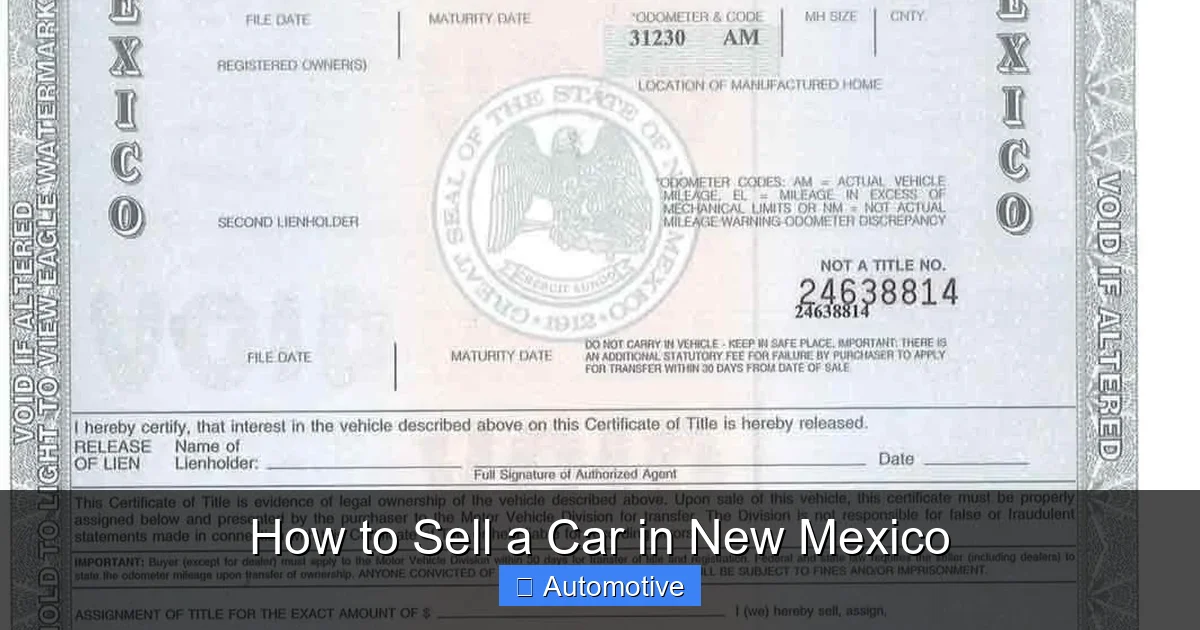
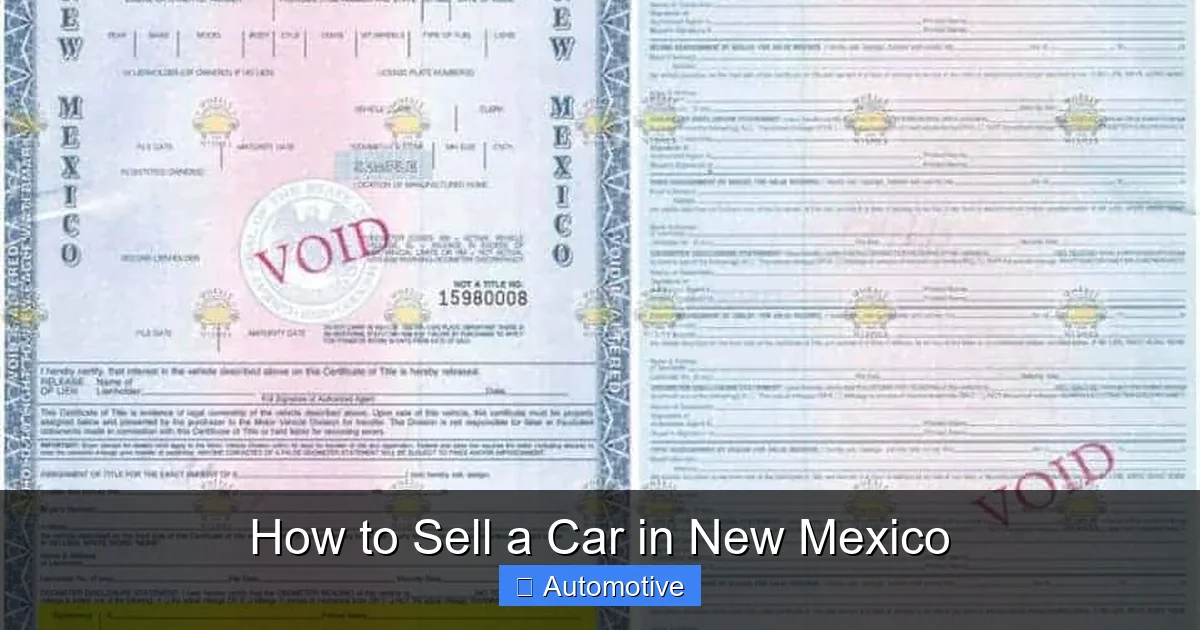
The most important document when selling a car in New Mexico is the vehicle title. This is the legal proof that you own the car. To complete the sale, you must sign over the title to the buyer. The title must be signed in the presence of a notary public if it’s a private sale. This step helps prevent fraud and ensures the transaction is legitimate.
If your title is lost or damaged, you’ll need to apply for a duplicate from the New Mexico Motor Vehicle Division (MVD). You can do this online, by mail, or in person at an MVD office. There’s a small fee, usually around $10–$15, and you’ll need to provide your vehicle identification number (VIN), driver’s license, and proof of insurance.
Bill of Sale: A Must-Have Document
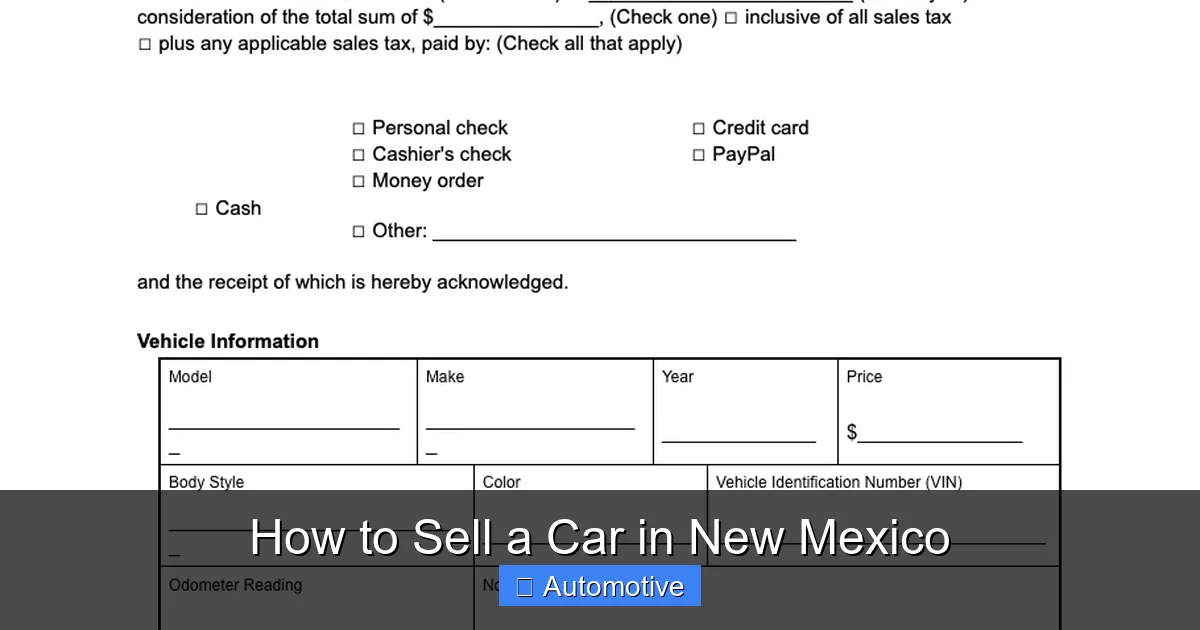
In addition to the signed title, New Mexico requires a Bill of Sale for most vehicle transactions. This document includes key details like the sale price, date of sale, VIN, and the names and addresses of both buyer and seller. While the state doesn’t provide a standard form, you can easily create one using free templates available online.
A Bill of Sale protects both parties. For you, it proves the car was sold and helps avoid future liability. For the buyer, it serves as proof of purchase and may be needed when registering the vehicle. Make sure both you and the buyer sign the document, and keep a copy for your records.
Emissions and Safety Inspections
New Mexico does not require a statewide emissions or safety inspection for most vehicles. However, some counties—like Bernalillo, Doña Ana, and Santa Fe—have their own requirements. If you’re selling a car in one of these areas, the buyer may need a valid emissions test before they can register the vehicle.
Check with your local MVD office to confirm whether an inspection is needed. If it is, you can either have the test done before listing the car or let the buyer handle it. Just be transparent about the requirement in your ad to avoid surprises later.
Release of Liability: Protect Yourself After the Sale
Once the car is sold, your responsibility doesn’t end with handing over the keys. You must notify the New Mexico MVD that you’ve transferred ownership. This is done by submitting a Release of Liability form, which you can find on the MVD website.
Filing this form protects you from being held responsible for traffic tickets, parking violations, or accidents that occur after the sale. It’s a simple step, but one that many sellers forget. Don’t be one of them—submit the form within 10 days of the sale to stay protected.
Step 2: Price Your Car Fairly and Competitively
Visual guide about How to Sell a Car in New Mexico
Image source: legaltemplates.net
Pricing your car correctly is one of the most important steps in the selling process. Set the price too high, and you’ll scare away buyers. Set it too low, and you’ll lose money. The key is to find the sweet spot—a price that reflects your car’s true value and attracts serious buyers.
Use Online Valuation Tools
Start by researching your car’s market value using trusted online tools. Websites like Kelley Blue Book (KBB), Edmunds, and NADA Guides allow you to input your vehicle’s make, model, year, mileage, condition, and location to get an estimated value.
For example, if you’re selling a 2018 Honda Civic with 60,000 miles in good condition in Albuquerque, KBB might estimate its private party value at $16,500. Use this as a starting point, but don’t stop there.
Consider Your Car’s Condition
Online tools give you a general idea, but they don’t know the specifics of your car. Is it in excellent condition with low mileage and a clean history? Or does it have dents, worn tires, or mechanical issues? Be honest with yourself.
If your car has minor cosmetic flaws, you might price it slightly below the estimated value. If it’s in great shape with recent maintenance, you can justify a higher price. Buyers appreciate transparency, so mention any repairs or upgrades in your listing.
Check Local Listings
Look at similar cars for sale in your area. Check platforms like Craigslist, Facebook Marketplace, and Autotrader to see what others are asking for vehicles like yours. This gives you a real-world sense of demand and pricing trends.
For instance, if you see three 2018 Honda Civics listed in Santa Fe for $15,000–$16,000, you’ll know your $17,000 asking price might be too high. Adjust accordingly to stay competitive.
Factor in Negotiation Room
Most buyers will try to negotiate, so it’s smart to set your initial price slightly above what you’re willing to accept. This gives you room to come down without losing money. A good rule of thumb is to add 5–10% to your target price.
For example, if you want to sell your car for $15,000, list it at $15,750. That way, if the buyer offers $15,000, you can accept without feeling shortchanged.
Step 3: Prepare Your Car for Sale
Visual guide about How to Sell a Car in New Mexico
Image source: static.vecteezy.com
First impressions matter—especially when selling a car. A clean, well-maintained vehicle is more likely to sell quickly and for a higher price. Take the time to prepare your car so it looks its best and runs smoothly.
Clean Inside and Out
Start with a thorough cleaning. Wash the exterior, wax it if possible, and clean the windows. Don’t forget the wheels and tires—dirty rims can make a car look neglected.
Inside, vacuum the seats, floor mats, and trunk. Wipe down surfaces, clean the dashboard, and remove any personal items. A fresh-smelling interior can make a big difference. Consider using an odor eliminator if there are lingering smells from pets, smoking, or food.
Address Minor Repairs
You don’t need to spend hundreds on repairs, but fixing small issues can boost your car’s appeal. Replace burnt-out bulbs, fix cracked windshield wipers, and touch up paint chips. If the tires are worn, consider replacing them—especially if they’re close to the legal limit.
Even small fixes show buyers that the car has been well cared for. They’re also more likely to offer closer to your asking price if they don’t have to worry about immediate expenses.
Gather Maintenance Records
Buyers love seeing a history of regular maintenance. Collect all your service records, receipts, and warranty information. If you’ve kept up with oil changes, brake jobs, and tire rotations, let the buyer know.
You can organize these in a folder or binder and include it with the sale. This builds trust and reassures the buyer that the car is reliable.
Get a Vehicle History Report
A vehicle history report from services like Carfax or AutoCheck can be a powerful selling tool. It shows accidents, title status, odometer readings, and service history. If your car has a clean report, share it with potential buyers.
Even if there are minor issues, being upfront builds credibility. Buyers appreciate honesty and are more likely to trust you if you’re transparent from the start.
Step 4: Advertise Your Car Effectively
Once your car is ready, it’s time to find a buyer. The way you advertise can make or break your sale. A great listing with clear photos and detailed information will attract more interest and help you sell faster.
Choose the Right Platforms
There are many places to list your car, but some are better than others. For local sales, Craigslist and Facebook Marketplace are popular and free. They allow you to reach buyers in your area quickly.
For a wider audience, consider Autotrader, Cars.com, or OfferUp. These sites attract serious buyers and often have tools to help you manage inquiries. Some charge a fee, but the exposure may be worth it.
Write a Compelling Ad
Your ad should be clear, honest, and informative. Start with a strong headline that includes the year, make, model, and key features. For example: “2018 Honda Civic LX – Low Miles, Clean Title, Excellent Condition.”
In the description, include:
– Mileage
– Condition (exterior, interior, mechanical)
– Recent repairs or upgrades
– Reason for selling
– Any included extras (floor mats, spare tire, etc.)
Avoid vague statements like “runs great” or “needs nothing.” Be specific. Instead of “good tires,” say “new tires installed 3 months ago.”
Take High-Quality Photos
Photos are the first thing buyers see, so make them count. Take pictures in good lighting—preferably outdoors during the day. Capture the front, back, sides, interior, dashboard, trunk, and engine bay.
Avoid cluttered backgrounds. A clean, neutral setting makes your car stand out. If possible, take photos from multiple angles and include close-ups of any flaws you’re disclosing.
Set a Fair Price and Be Open to Offers
Price your car competitively based on your research. In your ad, state whether the price is firm or negotiable. Most buyers expect some room to negotiate, so being open can encourage more inquiries.
Respond to messages promptly and professionally. Answer questions honestly and be ready to schedule test drives.
Step 5: Handle the Sale Safely and Legally
When a buyer shows interest, it’s time to move toward closing the deal. This step requires caution—both to protect yourself and to ensure the transaction goes smoothly.
Meet in a Safe, Public Place
Always meet potential buyers in a public location, like a police station parking lot, mall, or busy shopping center. Avoid meeting at your home or in isolated areas. If possible, bring a friend or family member for added safety.
Some police departments even offer “safe exchange zones” with cameras and emergency call boxes. Check if your local station has one.
Allow a Test Drive—With Precautions
Most buyers will want to test drive the car. Before letting them drive, make sure they have a valid driver’s license and proof of insurance. You can ask to see their license and insurance card.
Stay in the car during the test drive, or have a friend accompany you. This protects you in case of an accident and gives you a chance to answer questions.
Accept Secure Payment Methods
Cash is the safest and most common form of payment for private car sales. It’s immediate, traceable, and avoids the risk of bounced checks.
If the buyer wants to pay by check, make sure it’s a cashier’s check from a local bank. Verify the funds before handing over the keys. Personal checks can take days to clear and may bounce.
Avoid wire transfers or online payments unless you’re certain they’re secure. Scammers often use fake payment apps or fraudulent checks.
Complete the Paperwork Together
Once the buyer agrees to purchase, complete the title transfer and Bill of Sale together. Both of you should sign the documents in front of a notary if required.
Make sure all information is accurate—especially the VIN, sale price, and dates. Keep copies of everything for your records.
After the sale, remove your license plates. In New Mexico, plates stay with the seller, not the vehicle. You can reuse them on another car or return them to the MVD.
Cancel Your Insurance
Once the car is sold, contact your insurance company to cancel or adjust your policy. You don’t want to keep paying for a car you no longer own. Most insurers require proof of sale, so have your Bill of Sale ready.
Step 6: Finalize the Sale and Protect Yourself
The sale isn’t truly complete until you’ve taken a few final steps. These protect you legally and ensure a clean break from the vehicle.
Submit the Release of Liability
Within 10 days of the sale, submit a Release of Liability form to the New Mexico MVD. You can do this online, by mail, or in person. This form tells the state that you’re no longer responsible for the vehicle.
Without this step, you could be held liable for tickets, tolls, or accidents involving the car—even after it’s sold.
Keep Records of the Sale
Store copies of the signed title, Bill of Sale, and Release of Liability in a safe place. You may need them if there’s a dispute or if the buyer fails to register the car.
It’s also a good idea to keep a record of the buyer’s contact information, just in case.
Notify Your Lender (If Applicable)
If you still owe money on the car, you’ll need to pay off the loan before or at the time of sale. Contact your lender to arrange the payoff and get a lien release.
Once the loan is paid, the lender will send the title to you (or directly to the buyer, depending on the arrangement). Make sure the lien is removed before transferring ownership.
Conclusion: Sell Your Car in New Mexico with Confidence
Selling a car in New Mexico doesn’t have to be stressful. By following these steps—understanding the legal requirements, pricing your car fairly, preparing it for sale, advertising effectively, handling the transaction safely, and finalizing the paperwork—you can complete the process smoothly and legally.
Remember, the key to a successful sale is preparation and transparency. Be honest about your car’s condition, provide all necessary documents, and protect yourself at every stage. With the right approach, you’ll not only sell your car quickly but also walk away with peace of mind.
Whether you’re upgrading, downsizing, or just ready for a change, now you know exactly how to sell a car in New Mexico the right way. So clean up that ride, snap some great photos, and get ready to hand over the keys to a happy new owner.
Frequently Asked Questions
Do I need a notary to sell a car in New Mexico?
Yes, if you’re selling a car privately in New Mexico, the title must be signed in front of a notary public. This helps prevent fraud and ensures the transaction is legal. You can find notary services at banks, UPS stores, or through mobile notaries.
Can I sell my car if I still have a loan on it?
Yes, but you’ll need to pay off the loan before or at the time of sale. Contact your lender to get a payoff amount and arrange for the lien to be released. The lender will then send the title to you or the buyer.
Do I need to provide a vehicle history report when selling my car?
It’s not required by law, but providing a vehicle history report builds trust with buyers. Services like Carfax or AutoCheck can show accidents, title status, and maintenance records, making your car more appealing.
What happens if I forget to submit the Release of Liability?
If you don’t submit the Release of Liability form, you could be held responsible for tickets, tolls, or accidents involving the car—even after it’s sold. Always file the form within 10 days of the sale to protect yourself.
Can I sell my car without a title in New Mexico?
No, you must have a valid title to sell a car in New Mexico. If your title is lost or damaged, apply for a duplicate from the MVD before listing the vehicle. The process is simple and usually takes a few days.
Are emissions tests required when selling a car in New Mexico?
Only in certain counties like Bernalillo, Doña Ana, and Santa Fe. Check with your local MVD office to see if an emissions test is required. If it is, the buyer may need to complete it before registering the vehicle.