How to Sell a Car in Michigan by Owner
Selling a car in Michigan by owner doesn’t have to be stressful. With the right preparation, clear communication, and proper paperwork, you can complete the sale quickly and legally. This guide walks you through every step—from pricing your vehicle to transferring the title—so you can sell with confidence.
Selling a car in Michigan by owner might sound like a daunting task, but it doesn’t have to be. In fact, many Michiganders successfully sell their vehicles privately every year—and you can too. Whether you’re upgrading to a newer model, downsizing, or simply don’t need your car anymore, selling it yourself can put more money in your pocket than trading it in at a dealership. Dealerships often offer less because they need to resell the car for a profit. By selling directly to a buyer, you cut out the middleman and keep more of the value.
But selling a car isn’t just about posting an ad and waiting for a buyer. There are legal steps, safety precautions, and smart strategies that can make or break your sale. From understanding Michigan’s specific title transfer laws to knowing how to price your vehicle competitively, every detail matters. The good news? With a little preparation and the right information, you can sell your car smoothly, safely, and successfully.
This guide will walk you through the entire process of how to sell a car in Michigan by owner—step by step. We’ll cover everything from preparing your vehicle and setting the right price to advertising, meeting buyers, and completing the legal paperwork. Whether you’re selling a sedan, SUV, truck, or even a classic car, these tips apply. Let’s get started.
In This Article
- 1 Key Takeaways
- 2 📑 Table of Contents
- 3 Step 1: Prepare Your Vehicle for Sale
- 4 Step 2: Determine the Right Price
- 5 Step 3: Gather Required Paperwork
- 6 Step 4: Advertise Your Car Effectively
- 7 Step 5: Handle Buyer Inquiries and Test Drives
- 8 Step 6: Complete the Sale and Transfer Ownership
- 9 Conclusion
- 10 Frequently Asked Questions
- 10.1 Do I need a bill of sale to sell a car in Michigan?
- 10.2 Can I sell my car in Michigan if I still owe money on it?
- 10.3 How long do I have to notify the Michigan SOS after selling my car?
- 10.4 Can I sell my car without a title in Michigan?
- 10.5 Is it safe to sell a car online in Michigan?
- 10.6 What happens if the buyer doesn’t register the car?
Key Takeaways
- Know Michigan’s title transfer rules: You must sign over the title correctly and provide a bill of sale to avoid legal issues.
- Price your car fairly: Use tools like Kelley Blue Book or Edmunds to research market value based on condition, mileage, and demand.
- Prepare your vehicle: Clean it inside and out, fix minor issues, and gather maintenance records to boost buyer confidence.
- Advertise effectively: Use high-quality photos, detailed descriptions, and popular platforms like Facebook Marketplace or Craigslist.
- Meet buyers safely: Always meet in public places, bring a friend, and verify payment before handing over the keys.
- Complete the sale legally: Submit the proper forms to the Secretary of State and notify them of the sale within 10 days.
- Avoid scams: Watch for fake checks, overpayment schemes, and buyers who pressure you to act fast.
📑 Table of Contents
Step 1: Prepare Your Vehicle for Sale
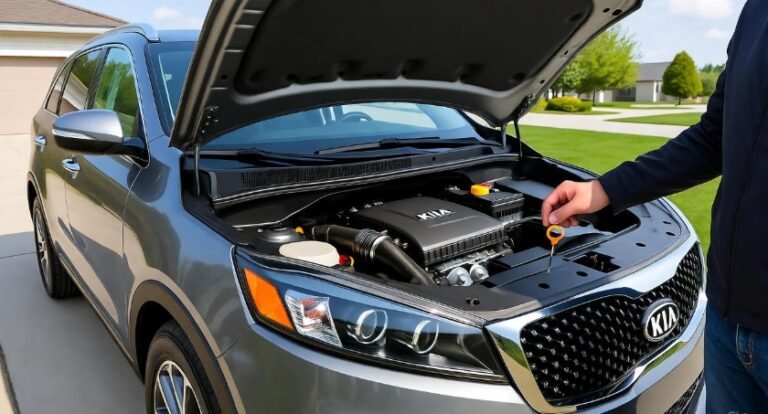
Before you even think about listing your car, take the time to get it ready. First impressions matter—especially when selling a car. A clean, well-maintained vehicle not only looks more appealing but also signals to buyers that it’s been cared for. Think of it this way: would you buy a car that looks dirty or neglected? Probably not. So give your car the same respect you’d expect from a seller.
Start with a thorough cleaning. Wash the exterior, wax it if possible, and clean the wheels and tires. Don’t forget the windows—both inside and out. For the interior, vacuum the seats, carpets, and floor mats. Wipe down all surfaces, including the dashboard, door panels, and center console. If you have leather seats, use a leather cleaner and conditioner. Remove any personal items, trash, or clutter. A tidy car feels newer and more inviting.
Next, address minor repairs. You don’t need to spend thousands, but fixing small issues can make a big difference. Replace burnt-out light bulbs, fix wiper blades, and top off fluids like oil, coolant, and windshield washer fluid. If your tires are worn or unevenly worn, consider replacing them—safety is a top concern for buyers. Even something as simple as replacing a broken cup holder or fixing a sticky door handle can boost perceived value.
Gather Maintenance Records
One of the best ways to build trust with a buyer is to show that your car has been well-maintained. Collect all your service records, receipts, and documentation. This includes oil change logs, brake inspections, tire rotations, and any major repairs. If you’ve kept a digital record or used a maintenance app, print it out or share it via email.
Buyers love seeing proof that the car has been cared for. It reassures them that they’re not inheriting hidden problems. For example, if you can show that the timing belt was replaced at the recommended mileage, that’s a huge selling point. Similarly, if the transmission was serviced recently, mention it. These details can justify a higher price and speed up the sale.
Get a Pre-Sale Inspection
Consider getting a pre-sale inspection from a trusted mechanic. This isn’t required by law, but it’s a smart move. A mechanic can spot issues you might have missed and give you a full report on the car’s condition. You can then fix any problems before listing the car—or disclose them honestly in your ad.
Some sellers even offer the inspection report to potential buyers as a sign of transparency. This builds credibility and can help you avoid disputes later. Plus, if the inspection comes back clean, you can confidently say the car is in great shape—no guesswork needed.
Step 2: Determine the Right Price
Visual guide about How to Sell a Car in Michigan by Owner
Image source: i.redd.it
Pricing your car correctly is one of the most important steps in the selling process. Set it too high, and buyers will skip over your listing. Set it too low, and you leave money on the table. The goal is to find that sweet spot where your car is competitively priced but still reflects its true value.
Start by researching similar vehicles in your area. Use trusted pricing tools like Kelley Blue Book (KBB), Edmunds, or NADA Guides. Enter your car’s make, model, year, mileage, trim level, and condition. These tools will give you a range—typically labeled as “private party value” or “fair market value.” This is what similar cars are selling for when sold by owner.
But don’t stop there. Look at actual listings on platforms like Facebook Marketplace, Craigslist, Autotrader, and Cars.com. See what others are asking for cars like yours. Pay attention to how long those listings have been active. If a similar car has been listed for weeks without a sale, it might be overpriced.
Adjust for Condition and Features
Your car’s condition plays a big role in its value. A car with low mileage, no accidents, and a clean interior will command a higher price than one with high mileage, dents, or mechanical issues. Be honest with yourself. If your car has minor scratches or a small dent, you might need to price it slightly below market value to attract buyers.
On the other hand, if your car has desirable features—like a sunroof, leather seats, upgraded sound system, or all-wheel drive—you can justify a higher price. Highlight these features in your ad and use them to differentiate your car from others.
Consider Market Demand
Demand also affects pricing. In Michigan, certain vehicles sell faster than others. For example, trucks and SUVs are popular in rural areas and during winter months. If you’re selling a 4WD pickup in January, you might get more interest—and a better price—than if you sold it in July.
Similarly, fuel-efficient cars may be in higher demand during gas price spikes. Keep an eye on local trends and adjust your price accordingly. If you’re in a hurry to sell, you might price your car slightly below market value to attract quick offers. If you’re not in a rush, you can hold out for a better deal.
Step 3: Gather Required Paperwork
Visual guide about How to Sell a Car in Michigan by Owner
Image source: legaltemplates.net
Before you can legally sell your car in Michigan, you need the right documents. Missing or incorrect paperwork can delay the sale or even lead to legal trouble. The most important document is the vehicle title.
Vehicle Title
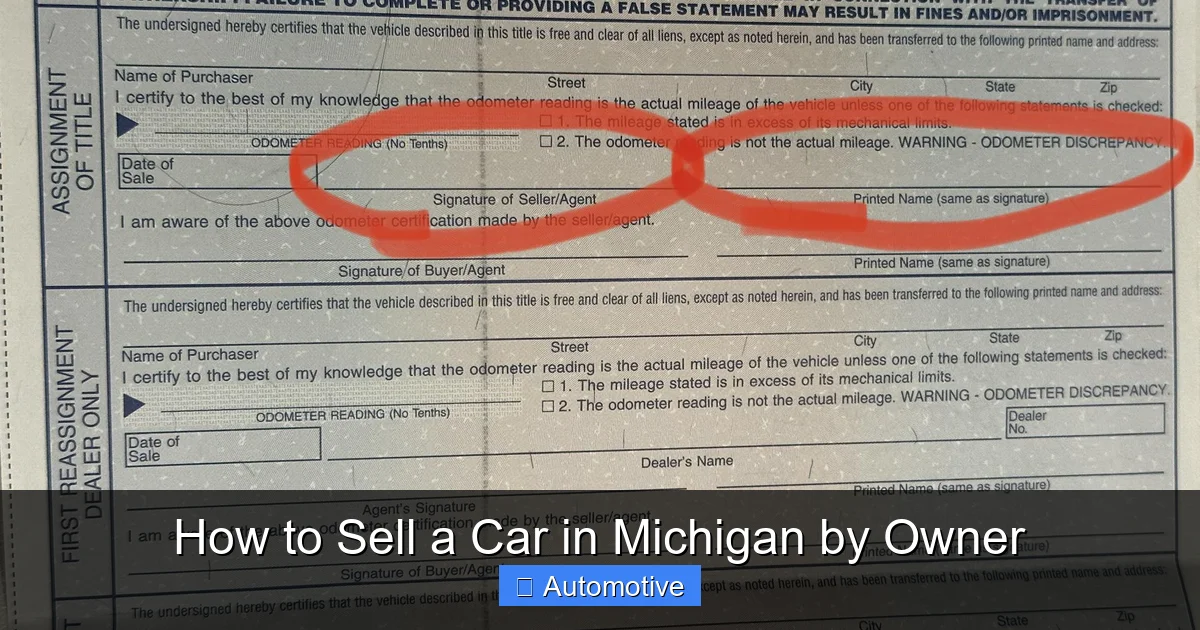
The title is proof that you own the car. In Michigan, the title must be signed over to the buyer at the time of sale. Make sure your title is current and free of errors. If you’ve lost your title, you’ll need to apply for a duplicate from the Michigan Secretary of State (SOS). You can do this online, by mail, or in person at a local branch.
When signing the title, follow these steps:
– Sign in the “Seller” section.
– Print your name exactly as it appears on the title.
– Include the sale date and odometer reading.
– Do not leave any fields blank.
If there’s a co-owner listed on the title (like a spouse), both owners must sign. If the car is financed, you’ll need to pay off the loan before selling. The lienholder will release the title once the loan is paid.
Bill of Sale
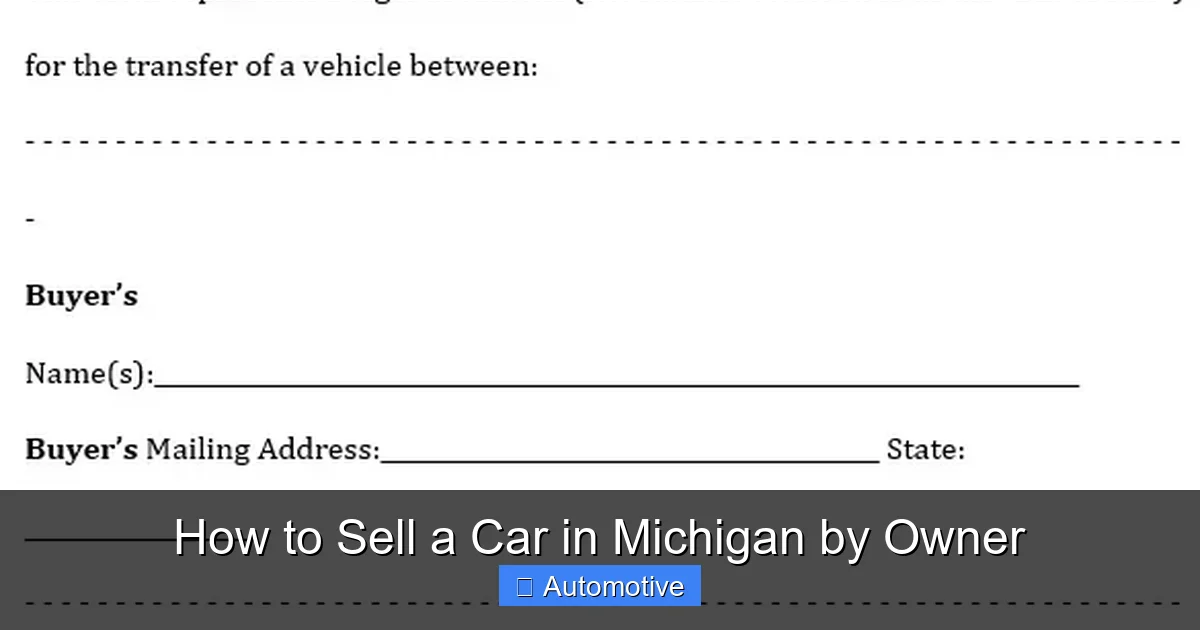
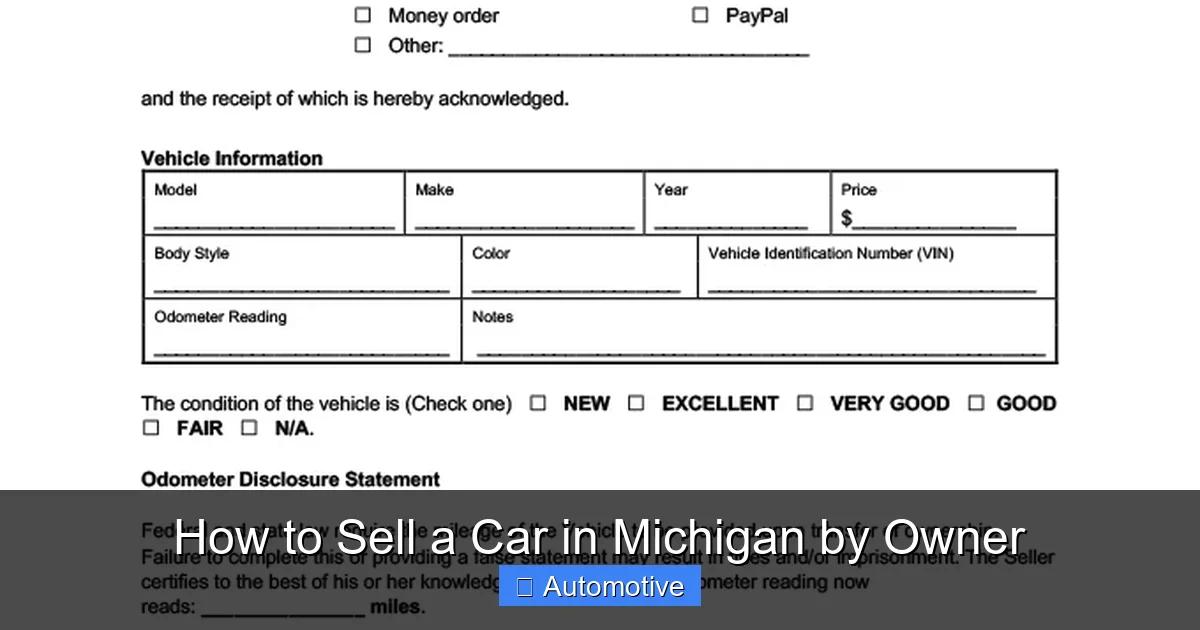
While not always required, a bill of sale is highly recommended. It serves as a legal record of the transaction and protects both you and the buyer. Michigan doesn’t have a standard form, but you can find free templates online or use one from the SOS website.
A bill of sale should include:
– Seller and buyer names and addresses
– Vehicle make, model, year, and VIN
– Sale price
– Date of sale
– Odometer reading
– Signatures of both parties
Keep a copy for your records. The buyer will need it to register the car.
Release of Liability
After the sale, you must notify the Michigan Secretary of State that you’re no longer responsible for the vehicle. This is called a “Release of Liability.” You can file it online through the SOS website or by mailing Form TR-10.
Filing this form protects you if the buyer gets a ticket, causes an accident, or fails to register the car. It should be done within 10 days of the sale. The buyer is responsible for registering the car, but it’s in your best interest to confirm they’ve done so.
Step 4: Advertise Your Car Effectively

Visual guide about How to Sell a Car in Michigan by Owner
Image source: aviatechchannel.com
Now that your car is ready and your paperwork is in order, it’s time to find a buyer. Advertising is key. The more people who see your listing, the faster your car will sell.
Choose the Right Platforms
Start with popular online marketplaces. Facebook Marketplace is one of the most effective platforms—it’s free, easy to use, and reaches a large local audience. Craigslist is another solid option, especially in larger Michigan cities like Detroit, Grand Rapids, or Ann Arbor.
Other platforms include:
– Autotrader
– Cars.com
– OfferUp
– eBay Motors
Each platform has its pros and cons. Facebook Marketplace allows you to message buyers directly and see their profiles, which can help build trust. Craigslist is simple but may attract more scammers. Autotrader and Cars.com are more professional but may charge listing fees.
Write a Compelling Ad
Your ad should be clear, honest, and detailed. Start with a strong headline that includes the year, make, model, and key feature (e.g., “2018 Honda CR-V AWD – Low Miles, Excellent Condition”).
In the description, include:
– Mileage
– Condition (excellent, good, fair)
– Any accidents or damage
– Maintenance history
– Features (sunroof, backup camera, etc.)
– Reason for selling
– Asking price
Use bullet points for easy reading. Avoid vague terms like “runs great” or “must see.” Instead, be specific: “New tires installed 3 months ago,” or “Oil changed every 5,000 miles.”
Take High-Quality Photos
Photos are just as important as the description. Take pictures in good lighting—ideally during the day and outdoors. Capture the exterior from multiple angles: front, back, sides, and close-ups of the wheels and trim.
Don’t forget the interior. Take shots of the dashboard, seats, trunk, and back seat. If there’s any wear or damage, include a photo—this builds trust and avoids surprises later.
Aim for at least 8–10 high-resolution photos. Avoid filters or editing that makes the car look better than it is. Honesty sells.
Step 5: Handle Buyer Inquiries and Test Drives
Once your ad is live, you’ll start getting messages. Respond promptly and professionally. Be prepared to answer common questions about mileage, condition, and price.
Screening Potential Buyers
Not every inquiry is serious. Some people are just curious or trying to lowball. Ask questions to gauge their interest:
– “Are you looking to buy soon?”
– “Do you have financing ready?”
– “Have you seen similar cars in the area?”
If someone seems vague or pushy, proceed with caution. Scammers often ask to see the car immediately or offer to pay with a cashier’s check.
Scheduling Safe Meetings
Always meet in a public place—like a mall parking lot, police station, or busy shopping center. Avoid meeting at your home or late at night. Bring a friend or family member with you.
Before the test drive, ask to see the buyer’s driver’s license and verify it’s valid. You can also ask for a copy (but don’t keep it longer than necessary). Never let a buyer drive alone unless you’re confident in their identity.
During the Test Drive
Ride along during the test drive. This protects you and gives you a chance to answer questions. Point out features and explain any quirks. If the buyer wants to take it to a mechanic, that’s a good sign—they’re serious.
After the drive, ask for feedback. If they’re interested, discuss price and next steps.
Step 6: Complete the Sale and Transfer Ownership
When you’ve found a serious buyer and agreed on a price, it’s time to finalize the sale. This involves payment, paperwork, and transferring the keys.
Accepting Payment
The safest way to get paid is with cash or a cashier’s check from a local bank. Avoid personal checks—they can bounce. If the buyer wants to pay with a cashier’s check, go to the bank together to verify it’s legitimate.
Never accept overpayment and agree to refund the difference. This is a common scam.
Signing Over the Title
At the time of sale, sign the title in front of the buyer. Make sure all fields are filled out correctly. The buyer will need the signed title to register the car.
Give the buyer the bill of sale, keys, and any extra items (like spare keys or owner’s manuals).
Notify the Secretary of State
Within 10 days, file a Release of Liability with the Michigan SOS. This protects you from future liability. The buyer must register the car in their name within 30 days.
Conclusion
Selling a car in Michigan by owner is entirely doable—and often more profitable—than trading it in. By preparing your vehicle, pricing it fairly, gathering the right paperwork, and advertising effectively, you can attract serious buyers and close the deal quickly. Safety and legality should always come first: meet in public, verify payment, and file the necessary forms to protect yourself.
Remember, honesty and transparency go a long way. A well-maintained car with clear documentation and fair pricing will sell faster than one that’s overpriced or poorly presented. Take your time, follow the steps in this guide, and you’ll be handing over the keys with confidence.
Whether you’re selling a compact car in Lansing or a pickup in Traverse City, the process is the same. With the right approach, you can turn your old car into cash—and maybe even upgrade to something better.
Frequently Asked Questions
Do I need a bill of sale to sell a car in Michigan?
While not legally required, a bill of sale is highly recommended. It protects both you and the buyer by documenting the sale details, including price, date, and vehicle information. You can find free templates online or use one from the Michigan Secretary of State.
Can I sell my car in Michigan if I still owe money on it?
No, you cannot sell a car with an outstanding loan unless the lien is released. You must pay off the loan first. Once the lienholder releases the title, you can proceed with the sale. Some buyers may agree to pay the lender directly, but this requires coordination.
How long do I have to notify the Michigan SOS after selling my car?
You must file a Release of Liability within 10 days of the sale. This can be done online or by mailing Form TR-10. Failing to do so could leave you liable for tickets or accidents involving the vehicle after the sale.
Can I sell my car without a title in Michigan?
No, you must have a valid title to sell your car. If you’ve lost your title, apply for a duplicate from the Michigan Secretary of State. You can do this online, by mail, or in person at a local branch.
Is it safe to sell a car online in Michigan?
Yes, but take precautions. Always meet in public places, bring a friend, and verify the buyer’s identity. Avoid accepting personal checks or wire transfers. Cash or a verified cashier’s check is the safest payment method.
What happens if the buyer doesn’t register the car?
The buyer is responsible for registering the car within 30 days. However, you should still file a Release of Liability to protect yourself. If the buyer fails to register it, you won’t be held liable for tickets or violations after the sale date.