How to Sell a Car in Maryland

Selling a car in Maryland requires a clear title, a completed bill of sale, and a valid emissions inspection—don’t skip these steps to avoid delays or legal issues. Whether you’re selling privately or trading in, ensure the odometer disclosure is accurate and the vehicle is free of liens to guarantee a smooth transfer of ownership. Following Maryland’s specific DMV guidelines protects both buyer and seller and helps finalize the sale quickly and legally.
In This Article
- 1 Key Takeaways
- 2 📑 Table of Contents
- 3 How to Sell a Car in Maryland
- 4 Understand Maryland’s Car Sale Requirements
- 5 Prepare Your Car for Sale
- 6 Determine the Right Price
- 7 Choose the Best Way to Sell
- 8 Complete the Sale and Transfer Ownership
- 9 Common Mistakes to Avoid
- 10 Final Tips for a Successful Sale
- 11 Frequently Asked Questions
- 11.1 What do I need to sell a car in Maryland?
- 11.2 Do I need a safety inspection to sell a car in Maryland?
- 11.3 How do I transfer the title when selling a car in Maryland?
- 11.4 Can I sell my car in Maryland without a title?
- 11.5 What is a Bill of Sale, and do I need one in Maryland?
- 11.6 How do I cancel my car insurance after selling a car in Maryland?
Key Takeaways
- Gather all necessary documents: Title, registration, and bill of sale are required for a legal sale.
- Disclose vehicle condition honestly: Maryland law requires transparency about known defects to avoid liability.
- Complete the title transfer correctly: Both buyer and seller must sign the title to finalize ownership.
- Remove license plates and cancel insurance: Maryland mandates plate removal and insurance cancellation after sale.
- Notify the MVA within 30 days: File a Notice of Sale online to avoid future liability for the vehicle.
- Consider a pre-sale inspection: It builds buyer trust and can increase your car’s market value.
📑 Table of Contents
How to Sell a Car in Maryland
So, you’ve decided it’s time to sell your car in Maryland. Maybe you’re upgrading to something newer, downsizing, or just ready for a change. Whatever the reason, selling a car—especially in a state with specific rules like Maryland—can feel a little overwhelming at first. But don’t worry. You’re not alone, and the process doesn’t have to be stressful or confusing.
I remember when I sold my 2016 Honda Civic a few years ago. I had no idea where to start. Was I supposed to go through a dealer? Post it online? What about the title, the inspection, the taxes? It felt like a maze. But after doing my research, talking to a few friends, and learning from a couple of missteps (like forgetting to remove my parking pass from the sun visor—oops!), I got through it. And honestly, it wasn’t that bad once I knew the steps.
In this guide, I’m going to walk you through everything you need to know about how to sell a car in Maryland—from preparing your vehicle to finalizing the sale and transferring ownership. Whether you’re selling privately, trading in, or using an online service, I’ll cover the ins and outs so you can get the best deal with the least hassle. Let’s dive in.
Understand Maryland’s Car Sale Requirements
Before you even think about listing your car, it’s important to understand the legal and procedural requirements for selling a vehicle in Maryland. Unlike some states, Maryland has specific rules that sellers must follow to ensure a smooth and legal transfer of ownership. Ignoring these can lead to fines, liability issues, or even legal trouble down the road.
Visual guide about How to Sell a Car in Maryland
Image source: usajunkcarremoval.com
Maryland Title Transfer Rules
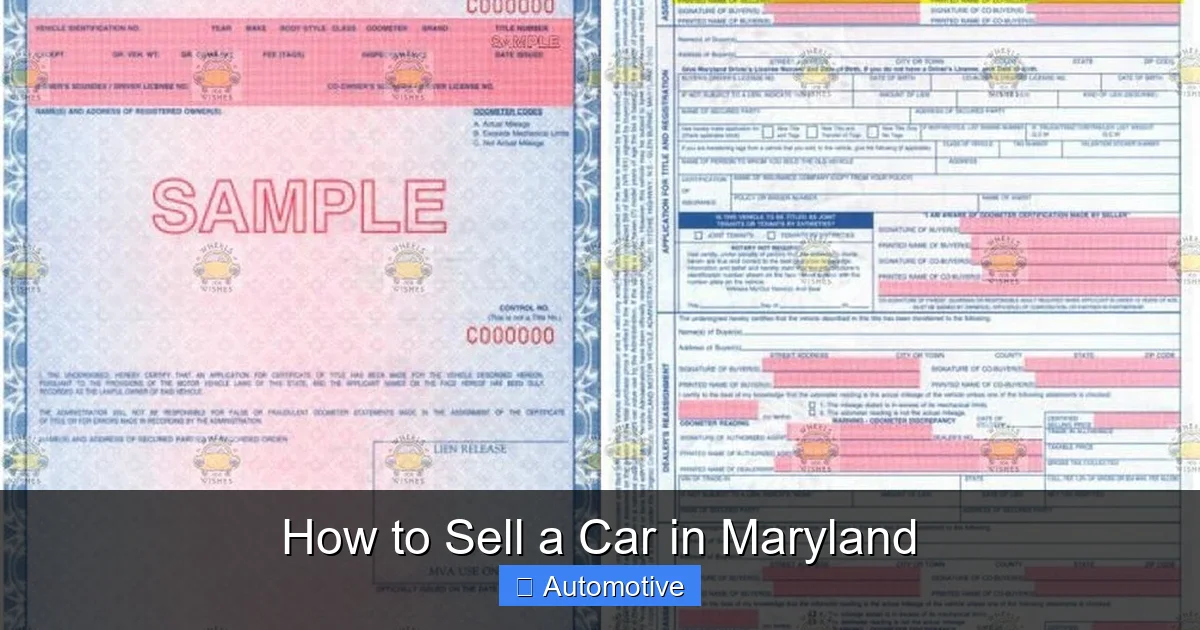
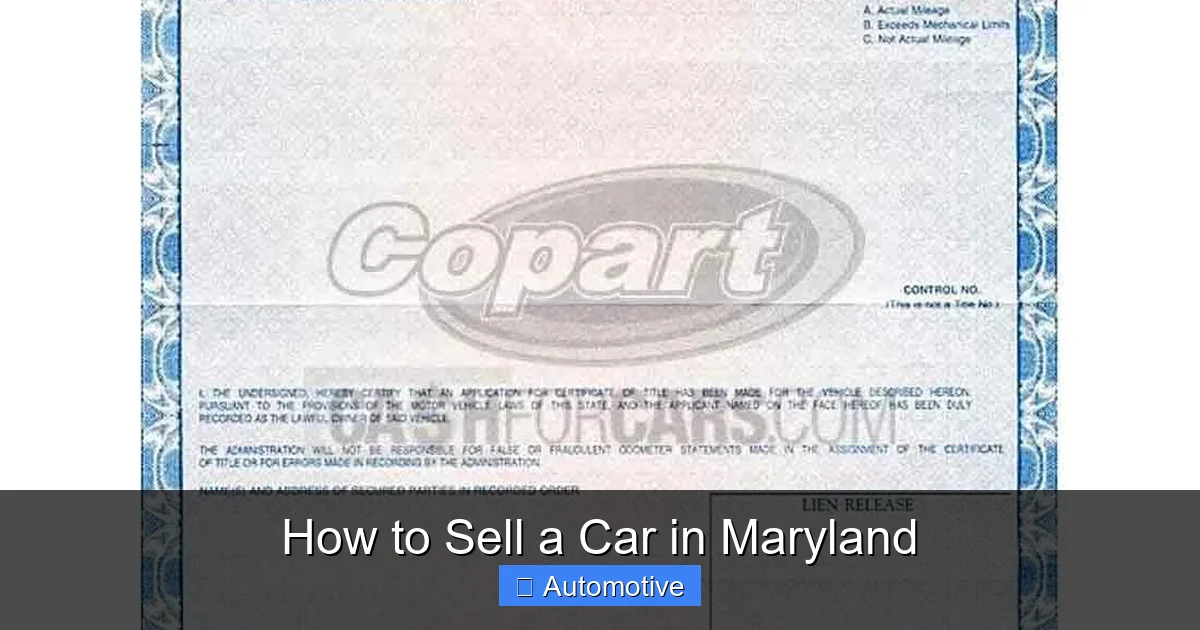
The most critical document in any car sale is the vehicle title. In Maryland, the seller must sign over the title to the buyer at the time of sale. This isn’t just a formality—it’s the legal way to transfer ownership. If the title is lost or damaged, you’ll need to apply for a duplicate from the Maryland Motor Vehicle Administration (MVA) before you can sell.
Here’s what you need to know about the title:
- The seller must sign the back of the title in the “Assignment of Ownership” section.
- The buyer must also sign the title.
- Both parties should keep a copy of the signed title for their records.
- If there’s a lien on the vehicle, it must be released before the sale can proceed.
One common mistake I’ve seen (and almost made myself) is forgetting to fill out the odometer disclosure. Maryland requires this for vehicles under 10 years old. It’s a simple section on the title where you state the current mileage. If you don’t complete it, the MVA may reject the transfer.
Maryland Safety Inspection (Emissions Test)
Maryland requires a safety and emissions inspection for most vehicles before they can be registered. This applies to both new and used cars. If you’re selling a car privately, the buyer will typically need to get the inspection done after purchase. However, it’s a good idea to have a recent inspection on file—especially if your car is more than a few years old.
Why? Because a clean inspection report can increase your car’s value and make it more attractive to buyers. Imagine trying to sell a car that might fail inspection—buyers will either walk away or lowball you. A valid inspection (good for 90 days) shows you’re serious and that the car is roadworthy.
You can get the inspection at any MVA-approved station. The cost is around $14 for the safety check and $14 for emissions, so $28 total. It usually takes less than an hour. Keep the receipt—it’s proof the car passed.
Release of Liability
This is a crucial step many sellers overlook. After you sell your car, you must file a Release of Liability with the Maryland MVA. This form tells the state that you’re no longer responsible for the vehicle—meaning if the buyer gets a ticket, parks illegally, or causes an accident, you won’t be held liable.
You can file the release online through the MVA’s website or by mailing Form VR-18. It’s free and takes just a few minutes. I recommend doing it the same day you sell the car. Don’t wait—accidents happen, and you don’t want to be on the hook for something that happened weeks later.
Prepare Your Car for Sale
Now that you understand the legal side, it’s time to get your car ready to sell. First impressions matter—especially when you’re trying to get top dollar. A clean, well-maintained car will sell faster and for more money than one that looks neglected.
Visual guide about How to Sell a Car in Maryland
Image source: cashforcars.com
Clean and Detail Your Vehicle
Start with a thorough cleaning. This isn’t just about washing the exterior (though that’s important too). I’m talking about a full detail—inside and out.
- Wash and wax the exterior to remove dirt, grime, and water spots.
- Vacuum the carpets and seats, and wipe down all surfaces.
- Clean the windows inside and out—nothing’s worse than smudged glass.
- Remove personal items: old receipts, air fresheners, phone chargers, etc.
- Consider professional detailing if your car has stains, odors, or wear.
I once sold a car that smelled faintly of coffee. I didn’t think much of it, but the buyer mentioned it during the test drive. I ended up spending $80 on an ozone treatment to eliminate the odor—and it made all the difference. The car sold the next day.
Gather Maintenance Records
Buyers want to know the car has been well cared for. Gather all your maintenance records—oil changes, brake work, tire rotations, recalls, etc. If you don’t have paper copies, check with your mechanic or use apps like Carfax or AutoCheck to pull a report.
Having records shows you’re responsible and that the car is reliable. It also helps justify a higher asking price. For example, if you’ve recently replaced the timing belt or transmission, that’s a big selling point—especially for used cars.
Fix Minor Issues
You don’t need to rebuild the engine, but addressing small problems can boost your sale price. Think of it as an investment.
- Replace burnt-out light bulbs.
- Top off fluids (oil, coolant, brake fluid).
- Fix small dents or scratches with touch-up paint.
- Replace worn wiper blades.
- Ensure all electronics (radio, AC, power windows) work.
I once spent $120 fixing a cracked dashboard and replacing a broken cup holder. The buyer noticed and said, “Wow, you really took care of this car.” That small investment helped me sell it $500 above my initial asking price.
Determine the Right Price
Pricing your car correctly is one of the most important steps in the selling process. Price it too high, and it’ll sit on the market for months. Price it too low, and you’ll lose money. The goal is to find that sweet spot where your car is competitive but still reflects its value.

Visual guide about How to Sell a Car in Maryland
Image source: thumbs.dreamstime.com
Research Market Value
Start by checking pricing guides like Kelley Blue Book (KBB), Edmunds, and NADA Guides. These tools let you input your car’s year, make, model, mileage, condition, and location to get an estimated value.
But don’t stop there. Look at similar cars for sale in your area. Check sites like:
- Craigslist
- Facebook Marketplace
- Autotrader
- Cars.com
Compare at least 5–10 listings. Are they priced higher or lower than KBB? Why? Maybe they have more miles, fewer features, or are in worse condition. Use this info to adjust your price accordingly.
Adjust for Condition and Features
Your car’s condition plays a big role in pricing. A car in “excellent” condition can command a higher price than one in “fair” condition, even if the mileage is similar.
Also, consider optional features. Does your car have:
- Leather seats?
- Sunroof?
- Navigation system?
- All-wheel drive?
- Recent upgrades (new tires, battery, etc.)?
These add value. For example, a 2018 Toyota Camry with a sunroof and leather seats might sell for $1,000–$1,500 more than a base model.
Be Realistic and Flexible
It’s easy to overvalue your car because of sentimental attachment. But buyers don’t care how much you loved it—they care about what it’s worth now.
Set a realistic asking price, but leave a little room for negotiation. Most buyers will try to haggle. If you price your car at $12,000, expect offers around $11,000–$11,500. That’s normal.
And be prepared to adjust. If your car isn’t getting inquiries after two weeks, consider lowering the price by $200–$500. A small drop can reignite interest.
Choose the Best Way to Sell
Now that your car is clean, priced, and ready to go, it’s time to decide how to sell it. You have several options in Maryland, each with pros and cons. The right choice depends on your priorities: speed, convenience, or maximum profit.
Sell Privately
Selling privately typically gets you the highest price. You cut out the middleman and deal directly with the buyer. But it also requires more effort.
Pros:
- Higher sale price (no dealer markup).
- Full control over the process.
- Ability to negotiate directly.
Cons:
- More time-consuming (photography, ads, test drives).
- Potential safety risks (meeting strangers).
- No guarantee of a quick sale.
To sell privately, create a compelling ad with clear photos (inside and out), a detailed description, and your asking price. Use free platforms like Facebook Marketplace or Craigslist, or paid sites like Autotrader for more exposure.
Trade-In at a Dealership
If you’re buying a new car, trading in your old one is convenient. The dealer handles the paperwork, and you can apply the trade-in value toward your purchase.
Pros:
- Fast and hassle-free.
- No need to advertise or meet buyers.
- Tax savings: In Maryland, you only pay sales tax on the difference between the new car price and trade-in value.
Cons:
- Lower offer than private sale (dealers need to make a profit).
- Less negotiation power.
- You’re locked into buying from that dealer.
Get multiple trade-in offers before committing. Use tools like KBB’s “Trade-In Value” to see what dealers might offer.
Sell to an Online Car Buyer
Companies like CarMax, Carvana, and Vroom offer instant cash offers for your car. You enter your VIN and details online, and they give you a quote—often within minutes.
Pros:
- Very fast (sale can happen in a day).
- No advertising or test drives.
- Safe and secure process.
Cons:
- Offers are usually lower than private sale.
- May require you to drop off the car at a location.
- Less flexibility in negotiation.
These services are great if you need to sell quickly and don’t mind getting a little less money.
Complete the Sale and Transfer Ownership
Once you’ve found a buyer, it’s time to finalize the sale. This is where many sellers make mistakes—like not getting a bill of sale or forgetting to remove the license plates. Let’s make sure you do it right.
Create a Bill of Sale
A bill of sale is a legal document that records the transaction. While not always required in Maryland, it’s highly recommended. It protects both you and the buyer by clearly stating the sale price, date, and vehicle details.
You can download a free Maryland bill of sale template from the MVA website or use an online generator. Include:
- Buyer and seller names and addresses
- Vehicle make, model, year, and VIN
- Sale price
- Date of sale
- Odometer reading
- Signatures of both parties
Keep a copy for your records.
Handle Payment Securely
Never accept cash for a large amount—it’s risky and hard to trace. Instead, use a secure method:
- Cashier’s check (verify it’s real at the bank).
- Bank wire transfer.
- Certified check.
Avoid personal checks—they can bounce. If the buyer insists on cash, meet at a bank and deposit it together.
Transfer the Title and Plates
Sign the title over to the buyer and make sure they sign it too. Remove the license plates—you keep them. In Maryland, plates stay with the seller, not the car. The buyer will need to get new plates when they register the vehicle.
Give the buyer the following:
- Signed title
- Bill of sale
- Copy of the safety inspection (if available)
- Owner’s manual and spare keys
Finally, file your Release of Liability with the MVA as soon as possible.
Common Mistakes to Avoid
Even with the best intentions, sellers often make avoidable mistakes. Here are a few I’ve seen (and made myself):
- Not cleaning the car: A dirty car screams “neglect.”
- Overpricing: Be realistic—buyers will check KBB.
- Skipping the inspection: A failed inspection kills the deal.
- Forgetting the release of liability: You could be liable for tickets or accidents.
- Accepting unsafe payment: Protect yourself with secure methods.
Avoid these, and you’ll have a smooth, stress-free sale.
Final Tips for a Successful Sale
Before you list your car, here are a few final tips to help you succeed:
- Be honest in your ad: Disclose any known issues. It builds trust.
- Take great photos: Use natural light and show all angles.
- Respond quickly to inquiries: Buyers move fast.
- Meet in a public place: Safety first—bring a friend if needed.
- Stay patient: Good cars sell, but it might take a few weeks.
Selling a car in Maryland doesn’t have to be complicated. With the right preparation, pricing, and process, you can get a fair price and walk away with peace of mind. Just remember: clean it, price it right, follow the rules, and protect yourself. You’ve got this.
Frequently Asked Questions
What do I need to sell a car in Maryland?
To sell a car in Maryland, you’ll need the vehicle’s title signed over to the buyer, a completed Bill of Sale, and a valid emissions inspection if the car is more than two years old. Make sure the odometer reading is accurate and disclosed on the necessary forms.
Do I need a safety inspection to sell a car in Maryland?
Yes, Maryland law requires a valid safety inspection for most vehicles being sold. The inspection must be completed within 90 days before the sale, and the certificate must be provided to the buyer at the time of transfer.
How do I transfer the title when selling a car in Maryland?
Complete the seller section of the title with the buyer’s information, sale price, and odometer reading, then sign it in the presence of a notary if required. Provide the buyer with the signed title and a completed Application for Certificate of Title (Form VR-005).
Can I sell my car in Maryland without a title?
It’s difficult to sell a car in Maryland without a title, but you can apply for a duplicate title through the Maryland MVA if the original is lost. The process requires submitting Form VR-007 along with identification and a fee.
What is a Bill of Sale, and do I need one in Maryland?
A Bill of Sale is a legal document that records the details of the vehicle transaction, including buyer and seller information and sale price. While not always required, it’s highly recommended to protect both parties and support the title transfer process.
How do I cancel my car insurance after selling a car in Maryland?
Contact your insurance provider as soon as the sale is complete to cancel or adjust your policy. In Maryland, you must return the license plates to the MVA or transfer them if allowed, and notify the MVA of the sale to avoid liability.