How to Sell a Car in Ma Privately
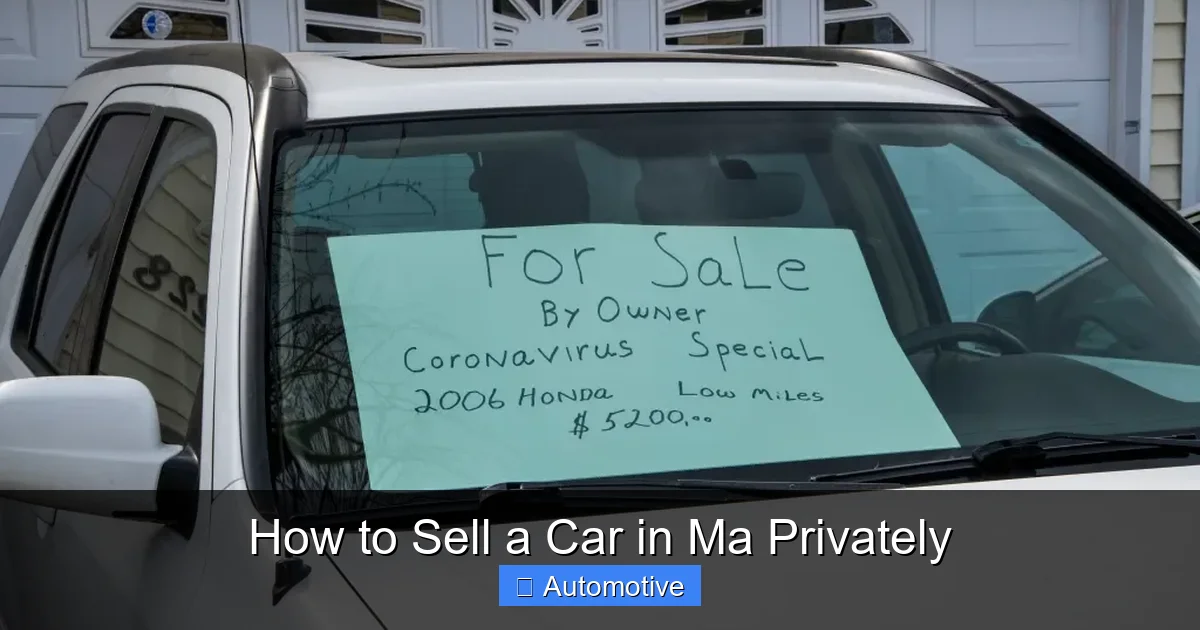
Selling a car in Massachusetts privately can be quick and profitable—if you do it right. From preparing your vehicle to handling DMV paperwork, this guide walks you through every step to ensure a smooth, legal, and safe transaction.
Selling a car in Massachusetts privately might seem overwhelming at first, but it doesn’t have to be. In fact, selling your car yourself—instead of trading it in or selling to a dealer—can put hundreds or even thousands of dollars back in your pocket. Dealerships often lowball offers to maximize their profit, but when you sell directly to a buyer, you control the price, the timing, and the terms.
The key is preparation. Whether you’re upgrading to a newer model, downsizing, or simply ready to part ways with your current ride, taking the time to do things right will save you stress and help you get the best possible deal. Massachusetts has specific rules and requirements for private car sales, so it’s important to follow the process carefully to avoid legal or financial headaches down the road.
In this guide, we’ll walk you through every step of how to sell a car in MA privately—from cleaning your car and setting the right price to handling paperwork and closing the sale safely. By the end, you’ll feel confident and ready to sell your vehicle smoothly and successfully.
In This Article
- 1 Key Takeaways
- 2 📑 Table of Contents
- 3 Step 1: Prepare Your Vehicle for Sale
- 4 Step 2: Determine the Right Price
- 5 Step 3: Gather Required Documents
- 6 Step 4: Advertise Your Car Effectively
- 7 Step 5: Handle Test Drives and Meetings Safely
- 8 Step 6: Complete the Sale and Transfer Ownership
- 9 Step 7: Post-Sale Tips
- 10 Frequently Asked Questions
- 10.1 Do I need a bill of sale to sell a car in Massachusetts?
- 10.2 Can I sell my car if the title is in someone else’s name?
- 10.3 What happens if the buyer doesn’t register the car?
- 10.4 How long do I have to notify the RMV after selling my car?
- 10.5 Should I remove my license plates when selling a car in MA?
Key Takeaways
- Clean and detail your car: A well-maintained vehicle attracts more buyers and justifies a higher price.
- Price it right: Research similar listings on Kelley Blue Book, Edmunds, or Autotrader to set a competitive price.
- Prepare all required documents: You’ll need the title, bill of sale, odometer disclosure, and a valid inspection sticker.
- Advertise effectively: Use high-quality photos, write a clear description, and list on popular platforms like Craigslist or Facebook Marketplace.
- Meet safely: Always meet in public places, bring a friend, and avoid sharing personal information too early.
- Complete the DMV transfer correctly: Both buyer and seller must submit paperwork within 7 days to avoid penalties.
- Accept secure payment: Use cash, cashier’s check, or bank transfer—never accept personal checks.
📑 Table of Contents
Step 1: Prepare Your Vehicle for Sale
Before you even think about listing your car, you need to make it as appealing as possible to potential buyers. First impressions matter, and a clean, well-maintained vehicle signals that you’ve taken good care of it—which can justify a higher asking price.
Clean Inside and Out
Start with a thorough cleaning. Wash the exterior, wax it if possible, and clean the windows inside and out. Don’t forget the wheels and tires—dirty rims can make a car look neglected. For the interior, vacuum the seats, carpets, and floor mats. Wipe down all surfaces, including the dashboard, steering wheel, and door panels. Remove any personal items, trash, or clutter. If your car has stubborn odors, consider using an odor eliminator or having the upholstery professionally cleaned.
A little effort here goes a long way. A buyer who sees a spotless car is more likely to believe it’s been well-maintained and worth the asking price.
Address Minor Repairs and Maintenance
You don’t need to rebuild the engine, but fixing small issues can boost your car’s value and appeal. Replace burnt-out light bulbs, fix cracked windshield wipers, and top off fluids like oil, coolant, and windshield washer fluid. If the tires are worn or uneven, consider replacing them—safety is a top concern for buyers.
Check the inspection sticker. In Massachusetts, your car must pass a safety and emissions inspection within 10 days of the sale. If your sticker is expired or about to expire, get it inspected before listing. A valid sticker shows the car is roadworthy and reduces buyer hesitation.
Gather Maintenance Records
Buyers love transparency. Collect all your maintenance records—oil changes, brake work, tire rotations, and any major repairs. Organize them in a folder or binder. This documentation proves your car has been cared for and can help justify your asking price. Even if you don’t have every receipt, having some records shows responsibility.
Step 2: Determine the Right Price
Pricing your car correctly is one of the most important steps in how to sell a car in MA privately. Overprice it, and it may sit on the market for months. Underprice it, and you lose money. The goal is to find the sweet spot where your car is competitive but still reflects its true value.
Research Comparable Listings
Start by looking at similar vehicles in your area. Use websites like Kelley Blue Book (KBB), Edmunds, and Autotrader to find cars with the same make, model, year, mileage, and condition. Pay attention to features like trim level, transmission type, and optional packages—these can affect value.
For example, if you’re selling a 2018 Honda Civic LX with 60,000 miles, look at other 2018 Civics in Massachusetts with similar mileage and condition. Note the asking prices and average sale prices. This gives you a realistic baseline.
Adjust for Condition and Extras
Not all cars are created equal. If your car has low mileage, a clean history, and extra features like a sunroof or upgraded sound system, you can price it slightly higher. On the other hand, if it has cosmetic flaws, high mileage, or a history of accidents (even if repaired), you may need to lower the price.
Be honest with yourself. A car with a small dent or faded paint won’t sell for “excellent” condition pricing. Use KBB’s condition categories—Excellent, Very Good, Good, and Fair—to guide your assessment.
Consider Market Demand
Some cars sell faster than others. In Massachusetts, SUVs and trucks are often in high demand, especially in rural or snowy areas. Compact cars and hybrids may appeal to city drivers looking for fuel efficiency. If your car is in a popular category, you might be able to ask a bit more. If it’s a niche vehicle, you may need to price it competitively to attract interest.
Step 3: Gather Required Documents
Massachusetts has specific legal requirements for private car sales. Having the right paperwork ready will make the transaction smoother and protect both you and the buyer.
Vehicle Title
The title is the most important document. It proves you own the car and have the right to sell it. Make sure your name is listed as the owner and that there are no liens (loans) against the vehicle. If there’s a lien, you’ll need to pay it off before selling.
If you’ve lost the title, you can request a duplicate from the Massachusetts RMV. Fill out Form MV-1, provide proof of identity, and pay a small fee. It usually takes a few weeks to arrive, so plan ahead.
Bill of Sale
A bill of sale is a legal document that records the sale. Massachusetts doesn’t require a specific form, but it’s highly recommended. Include the following:
– Seller and buyer names and addresses
– Vehicle make, model, year, and VIN
– Sale price
– Date of sale
– Odometer reading
– Signatures of both parties
You can find free bill of sale templates online or use the one provided by the RMV. Both parties should keep a copy.
Odometer Disclosure Statement
Federal law requires an odometer disclosure for vehicles under 16,000 pounds and less than 25 years old. This confirms the mileage at the time of sale. The disclosure must be signed by the seller and included on the title or as a separate form.
If the odometer is broken or the mileage is unknown, you must state “Exempt” or “Not Actual Mileage” as appropriate.
Release of Liability Form
After the sale, you must notify the RMV that you’re no longer responsible for the vehicle. This is done by completing a Release of Liability form (available online or at the RMV). Submit it within 5 days of the sale to avoid fines or liability for tickets or accidents after the transfer.
Inspection Sticker
As mentioned earlier, the car must have a valid Massachusetts inspection sticker at the time of sale. The buyer will need to get a new inspection after registering the vehicle, but the current sticker proves it passed safety and emissions checks recently.
Step 4: Advertise Your Car Effectively
Once your car is ready and your documents are in order, it’s time to find a buyer. Effective advertising increases visibility and attracts serious inquiries.
Choose the Right Platforms
List your car on multiple platforms to reach more buyers. Popular options include:
– Craigslist (free or low-cost, high local traffic)
– Facebook Marketplace (easy to use, integrates with social profiles)
– Autotrader (great for serious buyers, but may charge a fee)
– Cars.com (professional listings, good for higher-value vehicles)
Each platform has its strengths. Craigslist is great for quick local sales, while Autotrader attracts buyers willing to travel.
Write a Clear and Honest Description
Your listing should be detailed but easy to read. Start with a strong headline that includes the year, make, model, and key features (e.g., “2019 Toyota Camry LE – Low Miles, One Owner, Clean Title”).
In the description, include:
– Mileage
– Condition (be honest about flaws)
– Maintenance history
– Reason for selling
– Any recent repairs or upgrades
– Features (e.g., backup camera, Bluetooth, heated seats)
Avoid exaggerations. Saying “like new” when there are scratches will lead to disappointed buyers and wasted time.
Take High-Quality Photos
Photos are crucial. Take pictures in good lighting, preferably during the day. Capture the exterior from multiple angles—front, back, sides, and close-ups of wheels and trim. Include interior shots of the dashboard, seats, trunk, and any special features.
Show any damage honestly. A photo of a small dent is better than a buyer discovering it in person and walking away.
Set a Fair Price and Be Ready to Negotiate
List your car at your target price, but be prepared to negotiate. Most buyers will try to haggle. Decide in advance the lowest price you’re willing to accept. If someone offers close to your asking price, consider accepting it to close the deal quickly.
Step 5: Handle Test Drives and Meetings Safely
Once you start getting inquiries, it’s time to meet potential buyers. Safety should be your top priority.
Screen Buyers Before Meeting
Ask questions over email or text. A serious buyer will ask about mileage, condition, and maintenance. Be wary of vague questions or requests to meet at odd hours.
Avoid sharing personal information like your home address or phone number too early. Use a dedicated email or phone app if possible.
Meet in a Safe, Public Location
Always meet in a well-lit, public place—like a police station parking lot, mall, or busy shopping center. Massachusetts even has “safe exchange zones” at many police departments designed for online transactions.
Bring a friend or family member with you. Let someone know where you’re going and when you expect to return.
Supervise Test Drives
Never let a buyer drive your car alone. Ride along during the test drive. This protects you from liability if an accident occurs and ensures the buyer doesn’t damage the vehicle.
Check the buyer’s driver’s license before the drive. Make sure it’s valid and matches their identity.
Be Prepared for Questions
Buyers will ask about everything from fuel economy to repair history. Be honest and transparent. If you don’t know the answer, say so—don’t guess.
Step 6: Complete the Sale and Transfer Ownership
Once you’ve found a buyer and agreed on a price, it’s time to finalize the sale.
Accept Secure Payment
Only accept secure forms of payment:
– Cash (count it in front of the buyer)
– Cashier’s check (verify it at the bank if possible)
– Bank transfer (direct deposit from buyer’s account)
Never accept personal checks—they can bounce. Avoid wire transfers or gift cards, which are common scam tactics.
Sign Over the Title
Both you and the buyer must sign the title. Fill in the buyer’s name, sale price, and odometer reading. Make sure all fields are completed correctly—errors can delay registration.
Keep a copy of the signed title for your records.
Complete the Bill of Sale
Fill out the bill of sale with all required information. Both parties should sign and keep copies.
Notify the RMV
Submit the Release of Liability form to the RMV within 5 days. You can do this online, by mail, or in person. This protects you from future liability.
Remove License Plates
In Massachusetts, license plates stay with the seller—not the car. Remove them before handing over the keys. You can transfer them to a new vehicle or return them to the RMV.
Cancel Insurance
Once the sale is complete, contact your insurance company to cancel or adjust your policy. You don’t want to pay for coverage on a car you no longer own.
Step 7: Post-Sale Tips
After the sale, take a few final steps to wrap things up cleanly.
Keep Records
Store copies of the title, bill of sale, and Release of Liability form in a safe place. You may need them if there’s a dispute or if the buyer fails to register the car.
Follow Up (Optional)
If the buyer hasn’t registered the car within a few weeks, you can check with the RMV to confirm the transfer. This isn’t required, but it gives you peace of mind.
Reflect and Learn
Think about what went well and what you’d do differently next time. Every sale is a learning experience.
Selling a car in Massachusetts privately doesn’t have to be stressful. With the right preparation, pricing, and safety precautions, you can sell your vehicle quickly, legally, and profitably. Remember: honesty, transparency, and attention to detail are your best tools. Take your time, follow the steps, and you’ll be driving away with cash in hand—and one less car to worry about.
Frequently Asked Questions
Do I need a bill of sale to sell a car in Massachusetts?
While not legally required, a bill of sale is strongly recommended. It protects both buyer and seller by documenting the sale details, including price, date, and vehicle information.
Can I sell my car if the title is in someone else’s name?
No, you must be the legal owner listed on the title to sell the car. If the title is in someone else’s name, they must sign it over to you first, or be present to sign the sale documents.
What happens if the buyer doesn’t register the car?
Once you submit the Release of Liability form to the RMV, you’re no longer responsible for the vehicle. However, it’s a good idea to follow up if you’re concerned the buyer hasn’t registered it.
Can I sell a car without an inspection in Massachusetts?
No, the car must have a valid Massachusetts inspection sticker at the time of sale. The buyer will need to get a new inspection after registering the vehicle.
How long do I have to notify the RMV after selling my car?
You must submit the Release of Liability form within 5 days of the sale. Failure to do so may result in fines or liability for tickets issued after the transfer.
Should I remove my license plates when selling a car in MA?
Yes, license plates remain with the seller in Massachusetts. Remove them before handing over the keys and transfer them to a new vehicle or return them to the RMV.