How to Sell a Car in Idaho

Contents
- 1 Key Takeaways
- 2 📑 Table of Contents
- 3 How to Sell a Car in Idaho: A Step-by-Step Guide
- 4 Step 1: Prepare Your Car for Sale
- 5 Step 2: Determine the Right Price
- 6 Step 3: Gather Required Documents
- 7 Step 4: Advertise Your Car Effectively
- 8 Step 5: Complete the Sale Safely
- 9 Step 6: Finalize the Transaction with the DMV
- 10 Common Mistakes to Avoid
- 11 Conclusion
- 12 Frequently Asked Questions



Selling a car in Idaho is straightforward if you follow the right steps. From preparing your vehicle to transferring ownership legally, this guide covers everything you need to know to sell your car quickly and safely—without running into legal or financial trouble.
Key Takeaways
- Prepare your car for sale: Clean it, fix minor issues, and gather maintenance records to increase buyer confidence and value.
- Gather required documents: You’ll need the title, bill of sale, odometer disclosure, and emissions certificate (if applicable) to complete the sale legally.
- Price your car competitively: Use tools like Kelley Blue Book or Edmunds to research fair market value based on condition, mileage, and local demand.
- Advertise effectively: Use online platforms like Craigslist, Facebook Marketplace, or Autotrader, and include clear photos and an honest description.
- Complete the sale safely: Meet in public, accept secure payment methods like cash or cashier’s checks, and avoid personal checks.
- Transfer ownership promptly: Submit the signed title and bill of sale to the Idaho DMV within 30 days to avoid liability for the vehicle.
- Notify your insurance company: Cancel or adjust your policy once the sale is complete to avoid unnecessary charges.
📑 Table of Contents
- How to Sell a Car in Idaho: A Step-by-Step Guide
- Step 1: Prepare Your Car for Sale
- Step 2: Determine the Right Price
- Step 3: Gather Required Documents
- Step 4: Advertise Your Car Effectively
- Step 5: Complete the Sale Safely
- Step 6: Finalize the Transaction with the DMV
- Common Mistakes to Avoid
- Conclusion
How to Sell a Car in Idaho: A Step-by-Step Guide
So, you’ve decided it’s time to sell your car in Idaho. Maybe you’re upgrading to a newer model, downsizing, or just ready for a change. Whatever the reason, selling a vehicle doesn’t have to be stressful—especially if you know the process. Idaho has clear rules and requirements for private car sales, and following them ensures a smooth, legal transaction.
Unlike some states, Idaho doesn’t require a formal inspection for most vehicles, but there are still important steps you must take to protect yourself and the buyer. From cleaning your car to signing over the title, every detail matters. This guide walks you through the entire process, from start to finish, so you can sell your car with confidence and avoid common pitfalls.
Whether you’re selling a sedan in Boise, an SUV in Idaho Falls, or a pickup truck in Coeur d’Alene, the rules are the same across the state. Let’s dive into how to sell a car in Idaho the right way—safely, legally, and profitably.
Step 1: Prepare Your Car for Sale
Visual guide about How to Sell a Car in Idaho
Image source: idahocarculture.com
Before you even think about listing your car, take time to get it ready. A well-prepared vehicle not only sells faster but also commands a higher price. Think of it this way: you’re not just selling a car—you’re selling peace of mind to the buyer.
Clean and Detail Your Vehicle
First impressions matter. A clean car looks well-maintained and suggests the owner cared for it. Start with a thorough wash, both inside and out. Vacuum the carpets, wipe down surfaces, and clean the windows. Don’t forget the trunk and under the seats—buyers notice those details.
Consider professional detailing if your car has stains, odors, or scratches. A $100 detail job can easily add $300–$500 to your selling price. For example, a 2018 Honda Civic with a clean interior and polished exterior will attract more interest than one with coffee stains and dog hair.
Address Minor Repairs and Maintenance
You don’t need to overhaul the engine, but fixing small issues can make a big difference. Replace burnt-out light bulbs, fix cracked windshield wipers, and top off fluids. If the tires are worn, consider replacing them—especially if they’re below the legal tread depth of 2/32 inches.
Check the battery, brakes, and suspension. If you’ve been delaying an oil change or brake pad replacement, now’s the time. These small investments show buyers the car is reliable and reduce negotiation points.
Gather Maintenance and Repair Records
Buyers love transparency. Collect all service records, receipts, and warranty information. If you’ve kept up with regular maintenance—oil changes, tire rotations, brake jobs—it proves the car has been well cared for.
For example, if you’re selling a 2016 Toyota Camry with 80,000 miles and full service history from a trusted mechanic, you can confidently ask for a higher price. Include a folder or digital copy with the sale to build trust.
Take High-Quality Photos
Photos are your first chance to grab a buyer’s attention. Take pictures in natural daylight, from multiple angles: front, back, sides, interior, engine bay, and trunk. Highlight any special features like alloy wheels, sunroof, or upgraded stereo.
Avoid cluttered backgrounds. A clean, neutral setting—like an empty parking lot or your driveway—makes the car stand out. Use a smartphone with good resolution; you don’t need a professional camera.
Step 2: Determine the Right Price
Visual guide about How to Sell a Car in Idaho
Image source: pdffiller.com
Pricing your car correctly is crucial. Overprice it, and it sits on the market. Underprice it, and you lose money. The goal is to find the sweet spot where your car is competitive but still reflects its value.
Research Market Value
Use trusted pricing tools like Kelley Blue Book (KBB), Edmunds, or NADA Guides. Enter your car’s make, model, year, mileage, condition, and location. These tools give you a range: trade-in value, private party value, and dealer retail.
For example, a 2017 Ford F-150 with 70,000 miles in good condition might be valued at $22,000–$25,000 in the Boise area. Compare similar listings on Craigslist or Autotrader to see what others are asking.
Adjust for Condition and Extras
Be honest about your car’s condition. If it has minor dents, scratches, or interior wear, price it accordingly. On the flip side, if it has low mileage, new tires, or aftermarket upgrades (like a tow package or premium sound system), you can justify a higher price.
Local demand also matters. In rural areas, trucks and SUVs may sell for more due to weather and terrain. In cities, fuel-efficient sedans might be in higher demand.
Set a Competitive Asking Price
Aim to price your car slightly above your target sale price to allow room for negotiation. For instance, if you want $20,000, list it at $20,500. Most buyers expect to negotiate, so starting a bit high gives you flexibility.
Avoid pricing too low—it can make buyers suspicious. If a similar car is listed for $22,000 and yours is $18,000, they might assume something is wrong.
Step 3: Gather Required Documents

Visual guide about How to Sell a Car in Idaho
Image source: thumbs.dreamstime.com
Idaho law requires specific paperwork to sell a car legally. Missing documents can delay the sale or lead to legal issues. Make sure you have everything ready before meeting with a buyer.
Vehicle Title
The title is the most important document. It proves you own the car and have the right to sell it. Make sure your name is correctly listed and there are no liens (loans) against the vehicle. If there’s a lien, you must pay it off before selling.
If you’ve lost the title, apply for a duplicate through the Idaho DMV. You’ll need your driver’s license, vehicle identification number (VIN), and a completed form. There’s a small fee, usually around $15.
Bill of Sale
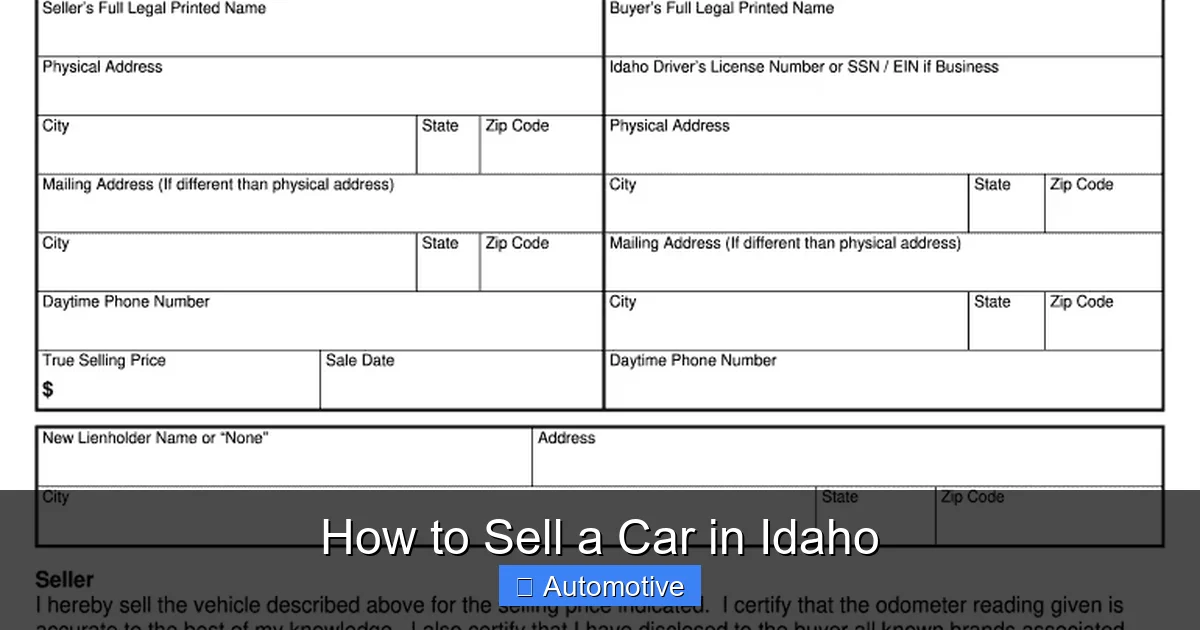
While not always required, a bill of sale is highly recommended. It records the sale details: buyer and seller names, addresses, VIN, sale price, and date. Idaho provides a free bill of sale form on the DMV website.
Having a bill of sale protects both parties. If the buyer claims they paid more than agreed, or if there’s a dispute later, you have proof.
Odometer Disclosure
Federal law requires you to disclose the vehicle’s mileage at the time of sale. This is usually done on the title itself. If the title doesn’t have a space for it, use a separate odometer disclosure form.
Be honest. Tampering with the odometer is a federal crime and can result in fines or jail time.
Emissions Certificate (If Applicable)
Idaho does not require emissions testing for most vehicles. However, some counties—like Ada County (Boise)—may have local requirements for older vehicles. Check with your local DMV or county clerk to confirm.
If your car is newer than 1996 and registered in an affected area, you may need a valid emissions certificate. This is usually valid for two years.
Release of Liability Form
After the sale, you must notify the DMV that you’re no longer responsible for the vehicle. This is done by submitting a Release of Liability form, which can be found online or at a DMV office.
This step is critical. If the buyer gets a ticket or is in an accident and doesn’t register the car, you could still be held liable if you haven’t filed the form.
Step 4: Advertise Your Car Effectively
Now that your car is ready and priced, it’s time to find a buyer. The way you advertise can make or break your sale.
Choose the Right Platforms
Popular options include:
– **Craigslist:** Free and widely used in Idaho. Great for local buyers.
– **Facebook Marketplace:** Easy to use and integrates with your social network. Buyers can message you directly.
– **Autotrader or Cars.com:** Better for higher-end vehicles. These sites attract serious buyers but may charge listing fees.
– **Local classifieds:** Newspapers or community boards can still work, especially in smaller towns.
Use multiple platforms to reach more people. For example, post on Craigslist and Facebook Marketplace to cover both online and social audiences.
Write a Clear, Honest Description
Your ad should be concise but informative. Include:
– Year, make, model, and trim
– Mileage
– Condition (excellent, good, fair)
– Key features (automatic, AWD, backup camera, etc.)
– Reason for selling
– Any recent repairs or upgrades
Avoid exaggerations. Saying “runs great” is fine, but claiming “perfect condition” when there are dents can lead to disputes.
Example:
“2015 Subaru Outback, 95,000 miles, excellent condition. AWD, automatic, backup camera, heated seats, new tires in 2023. Non-smoker, no accidents. Selling because I’m moving out of state. Asking $16,500 OBO.”
Respond Promptly to Inquiries
Buyers often contact multiple sellers. If you don’t respond quickly, they’ll move on. Check your messages daily and reply within 24 hours.
Be polite and professional. Answer questions honestly. If a buyer asks about rust or transmission issues, don’t hide problems—address them upfront.
Step 5: Complete the Sale Safely
When a buyer is ready to purchase, it’s time to finalize the deal. Safety and legality should be your top priorities.
Meet in a Safe, Public Location
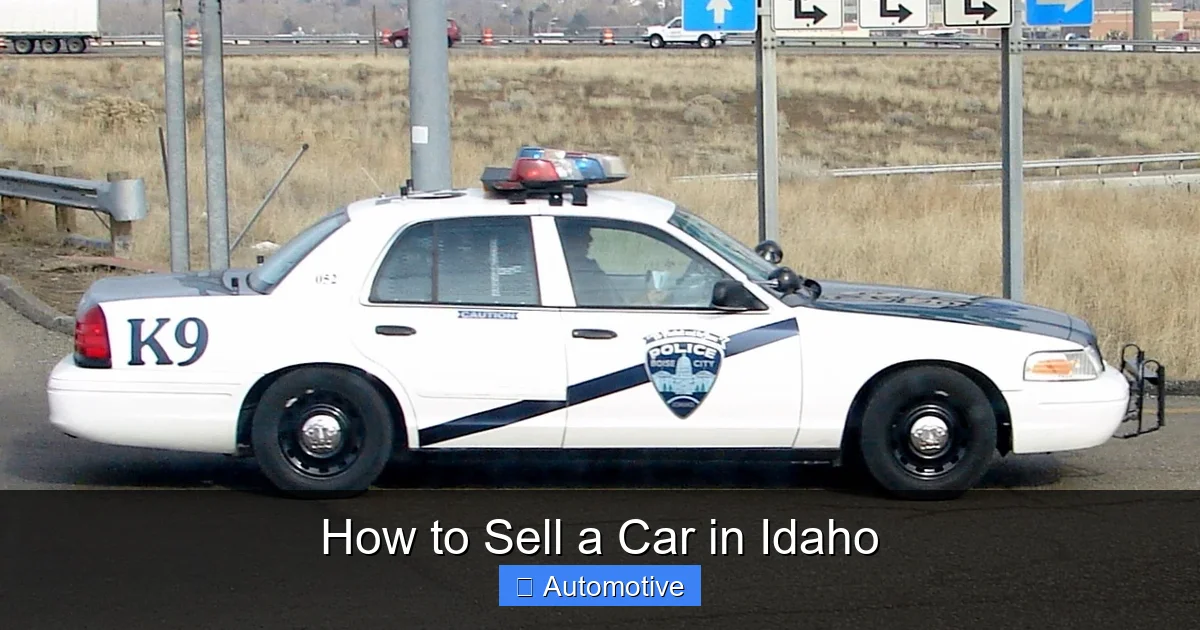
Never meet at your home or a remote area. Choose a well-lit, public place like a police station parking lot, bank, or shopping center. Some Idaho police departments even have “safe exchange zones” with cameras.
Bring a friend if possible. Let someone know where you’re going and who you’re meeting.
Verify the Buyer’s Identity
Ask to see the buyer’s driver’s license. Make sure the name matches the one they’ll use on the title. This helps prevent fraud.
Accept Secure Payment
Cash is the safest option for private sales. Count it in front of the buyer and use a cash counter if you have one.
If the amount is large, consider a cashier’s check from a local bank. Avoid personal checks—they can bounce.
Wire transfers are another option, but be cautious of scams. Only accept transfers from verified accounts.
Sign Over the Title
On the back of the title, fill in the buyer’s name, address, sale price, and odometer reading. Sign and date it. Make sure the buyer signs as well.
Do not leave any fields blank. If a section doesn’t apply, write “N/A.”
Complete the Bill of Sale
Fill out the bill of sale with both parties’ information, VIN, sale price, and date. Both you and the buyer should sign it and keep a copy.
Remove License Plates
In Idaho, license plates stay with the seller—not the vehicle. Remove them before handing over the keys. You can transfer them to a new vehicle or return them to the DMV.
Step 6: Finalize the Transaction with the DMV
The sale isn’t complete until the DMV is notified. This protects you from future liability.
Submit the Release of Liability
Within 30 days of the sale, submit the Release of Liability form to the Idaho DMV. You can do this online, by mail, or in person. There’s no fee.
This form tells the DMV you no longer own the vehicle. If the buyer gets a ticket or is in an accident, you won’t be responsible.
Notify Your Insurance Company
Call your insurance provider and cancel or adjust your policy. You don’t want to pay for coverage on a car you no longer own.
If you’re buying a new car, you can often transfer coverage temporarily under a grace period.
Keep Records
Save copies of the title, bill of sale, and release of liability for at least two years. These documents can help if there’s a dispute or if the buyer claims you didn’t transfer ownership properly.
Common Mistakes to Avoid
Even with the best intentions, sellers make mistakes. Here are a few to watch out for:
– **Not checking for liens:** If your car has an outstanding loan, the title won’t be clear. Pay off the loan first.
– **Selling without a title:** You can’t legally sell a car without a title. Get a duplicate if needed.
– **Accepting bad payment:** Personal checks, money orders from unknown sources, or wire transfers from overseas are red flags.
– **Failing to remove plates:** Leaving plates on the car can lead to misuse or tickets in your name.
– **Not filing the release of liability:** This is the #1 mistake. Always notify the DMV.
Conclusion
Selling a car in Idaho doesn’t have to be complicated. By preparing your vehicle, pricing it right, gathering the right documents, and completing the sale safely, you can turn your old car into cash with minimal hassle.
Remember, the key to a successful sale is transparency and preparation. Clean your car, be honest about its condition, and follow Idaho’s legal requirements. Whether you’re selling a compact car in Twin Falls or a work truck in Pocatello, these steps apply across the state.
Take your time, stay safe, and don’t rush the process. A little effort upfront can lead to a quicker sale and a better price. And once it’s done, you can enjoy the freedom of your next adventure—whether that’s a new car, a vacation, or just extra cash in your pocket.
Frequently Asked Questions
Do I need a smog check to sell a car in Idaho?
No, Idaho does not require a smog or emissions test for most vehicles. However, some counties like Ada County may have local requirements for older cars. Check with your local DMV to confirm.
Can I sell my car without a title in Idaho?
No, you must have a valid title to sell a car in Idaho. If you’ve lost it, apply for a duplicate through the DMV with your ID, VIN, and a small fee.
How long do I have to notify the DMV after selling my car?
You must submit a Release of Liability form to the Idaho DMV within 30 days of the sale. This protects you from future liability.
Should I accept a personal check when selling my car?
It’s not recommended. Personal checks can bounce. Use cash, a cashier’s check from a local bank, or a verified wire transfer instead.
Do I keep the license plates when selling a car in Idaho?
Yes, license plates remain with the seller in Idaho. Remove them before handing over the vehicle and transfer or return them as needed.
Can I sell a car that still has a loan on it?
Only if the loan is paid off first. You must clear the lien to get a clear title. Contact your lender to arrange payoff and title release.