How to Sell a Car in Delaware

Selling a car in Delaware doesn’t have to be complicated. With the right preparation, clear documentation, and smart pricing, you can complete the process quickly and legally. This guide walks you through every step—from cleaning your car to transferring ownership—so you can sell with confidence.
Selling a car in Delaware might seem like a big task, but it’s actually quite manageable when you know the steps. Whether you’re upgrading to a newer model, downsizing, or simply ready to part ways with your current vehicle, understanding the process can save you time, money, and stress. Delaware has specific rules and requirements for private car sales, and following them ensures a smooth and legal transaction.
Unlike some states, Delaware doesn’t require a safety inspection for private sales, which simplifies things. However, you still need to handle the title transfer, provide accurate documentation, and protect yourself from liability after the sale. The good news? Most of the work happens before you even meet a buyer. From cleaning your car to setting the right price, preparation is key. And once you’ve found a serious buyer, the actual exchange can happen quickly—sometimes in just one afternoon.
This guide will walk you through every step of how to sell a car in Delaware, from initial prep to final paperwork. We’ll cover pricing strategies, where to advertise, how to negotiate, and what documents you need. Whether you’re selling a sedan, SUV, truck, or even a classic car, these tips apply. By the end, you’ll feel confident and ready to sell your car the right way—safely, legally, and for the best possible price.
In This Article
- 1 Key Takeaways
- 2 📑 Table of Contents
- 3 Step 1: Prepare Your Car for Sale
- 4 Step 2: Determine the Right Price
- 5 Step 3: Gather Required Documents
- 6 Step 4: Advertise Your Car Effectively
- 7 Step 5: Handle the Sale and Payment Safely
- 8 Step 6: Notify the DMV and Release Liability
- 9 Alternative Options: Selling to a Dealer or Online Buyer
- 10 Final Tips for a Successful Sale
- 11 Frequently Asked Questions
- 11.1 Do I need a safety inspection to sell a car in Delaware?
- 11.2 Can I sell my car if I still owe money on it?
- 11.3 What happens if the buyer doesn’t register the car?
- 11.4 Should I accept a cashier’s check for payment?
- 11.5 Can I sell my car without a title?
- 11.6 How long does it take to sell a car in Delaware?
Key Takeaways
- Understand Delaware’s title transfer rules: You must sign over the title correctly and provide a bill of sale to avoid legal issues.
- Price your car fairly: Use tools like Kelley Blue Book or Edmunds to research market value based on condition, mileage, and demand.
- Prepare necessary documents: Have the title, vehicle history report, maintenance records, and odometer disclosure ready.
- Advertise effectively: Use online platforms like Craigslist, Facebook Marketplace, or Autotrader to reach local buyers.
- Ensure a safe transaction: Meet in public places, accept secure payment methods, and avoid cashier’s checks from unknown sources.
- Notify the DMV after the sale: Submit a Notice of Sale form to release liability and avoid future fines or tickets.
- Consider selling to a dealer or online buyer: For a faster, hassle-free option, trade-in or sell directly to companies like CarMax or Carvana.
📑 Table of Contents
- Step 1: Prepare Your Car for Sale
- Step 2: Determine the Right Price
- Step 3: Gather Required Documents
- Step 4: Advertise Your Car Effectively
- Step 5: Handle the Sale and Payment Safely
- Step 6: Notify the DMV and Release Liability
- Alternative Options: Selling to a Dealer or Online Buyer
- Final Tips for a Successful Sale
Step 1: Prepare Your Car for Sale
Before you even think about listing your car, take time to get it in the best possible shape. First impressions matter, and a clean, well-maintained vehicle attracts more buyers and can increase your sale price. Start with a thorough cleaning—both inside and out. Wash the exterior, wax it if possible, and clean the windows. Don’t forget the tires; a quick scrub can make them look brand new.
Inside, vacuum the carpets, wipe down surfaces, and remove any personal items. Consider using an odor eliminator if there are lingering smells from pets, smoking, or food. A fresh-smelling car feels newer and more inviting. If your car has minor cosmetic issues—like small dents, scratches, or a cracked windshield—consider getting them fixed. These small investments can pay off big when it comes to pricing.
Next, gather all your maintenance records. Buyers love seeing proof that the car has been well cared for. If you’ve kept receipts for oil changes, brake jobs, or tire replacements, now’s the time to organize them. You can also run a vehicle history report using services like Carfax or AutoCheck. This report shows accidents, title issues, and service history, and providing it upfront builds trust.
Finally, take high-quality photos. Use natural light and shoot from multiple angles—front, back, sides, interior, trunk, and engine bay. Avoid cluttered backgrounds and make sure the car looks clean and presentable. Good photos can significantly boost interest in your listing.
Step 2: Determine the Right Price
Visual guide about How to Sell a Car in Delaware
Image source: ussellmycar.com
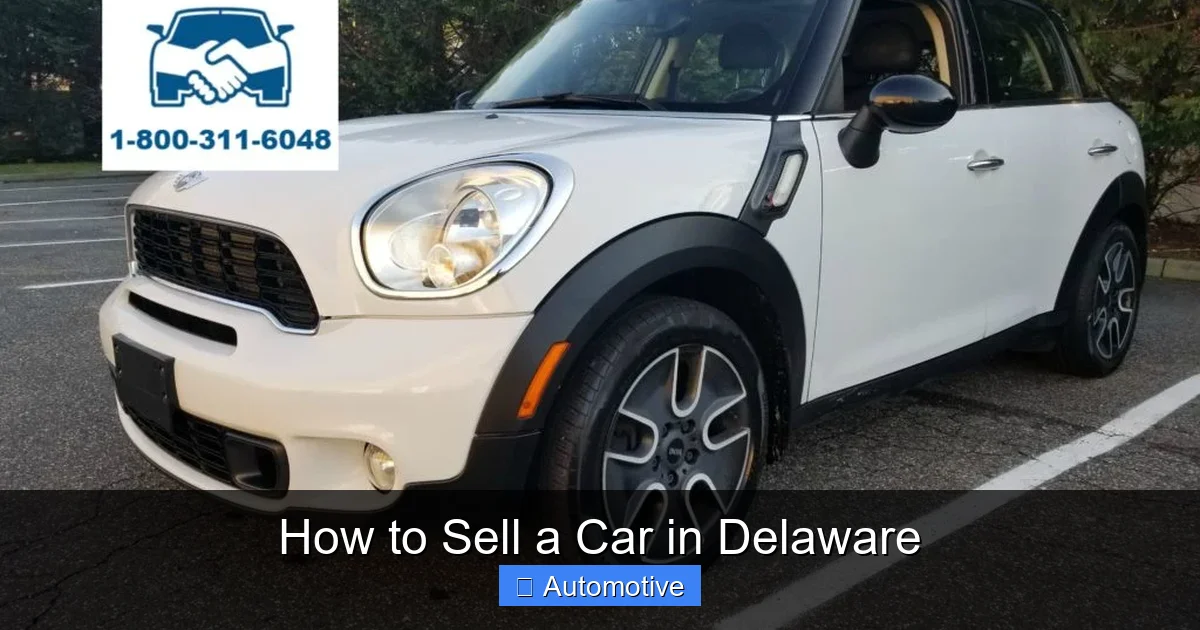
Pricing your car correctly is one of the most important steps in how to sell a car in Delaware. Overprice it, and you’ll scare off buyers. Underprice it, and you’ll lose money. The goal is to find a fair market value that reflects your car’s condition, mileage, age, and local demand.
Start by researching similar vehicles in your area. Use trusted pricing tools like Kelley Blue Book (KBB), Edmunds, or NADA Guides. Enter your car’s make, model, year, mileage, and condition to get a suggested retail and private party value. These tools also let you compare prices from local listings on sites like Autotrader or Cars.com.
Keep in mind that Delaware’s market may differ from national averages. For example, SUVs and trucks might be in higher demand in rural areas like Sussex County, while compact cars could sell faster in urban areas like Wilmington. Check local listings to see what similar cars are going for.
Once you have a baseline, adjust based on your car’s condition. If it’s in excellent shape with low mileage and a clean history, you can price it at the higher end. If it needs repairs or has high mileage, price it lower. Be honest—buyers will find out during inspection.
A good rule of thumb is to set your asking price about 5–10% above what you’re willing to accept. This gives you room to negotiate while still getting a fair deal. For example, if your research shows your car is worth $12,000, list it at $12,800. That way, if a buyer offers $12,200, you’re still above market value.
Step 3: Gather Required Documents
Visual guide about How to Sell a Car in Delaware
Image source: cashforcars.com
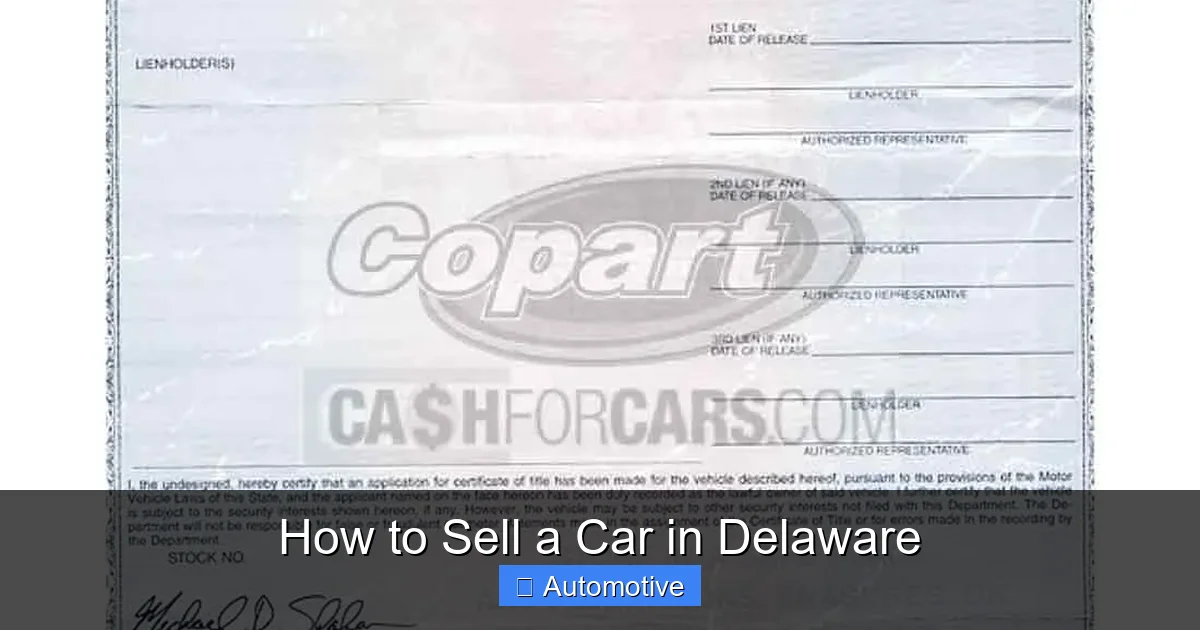
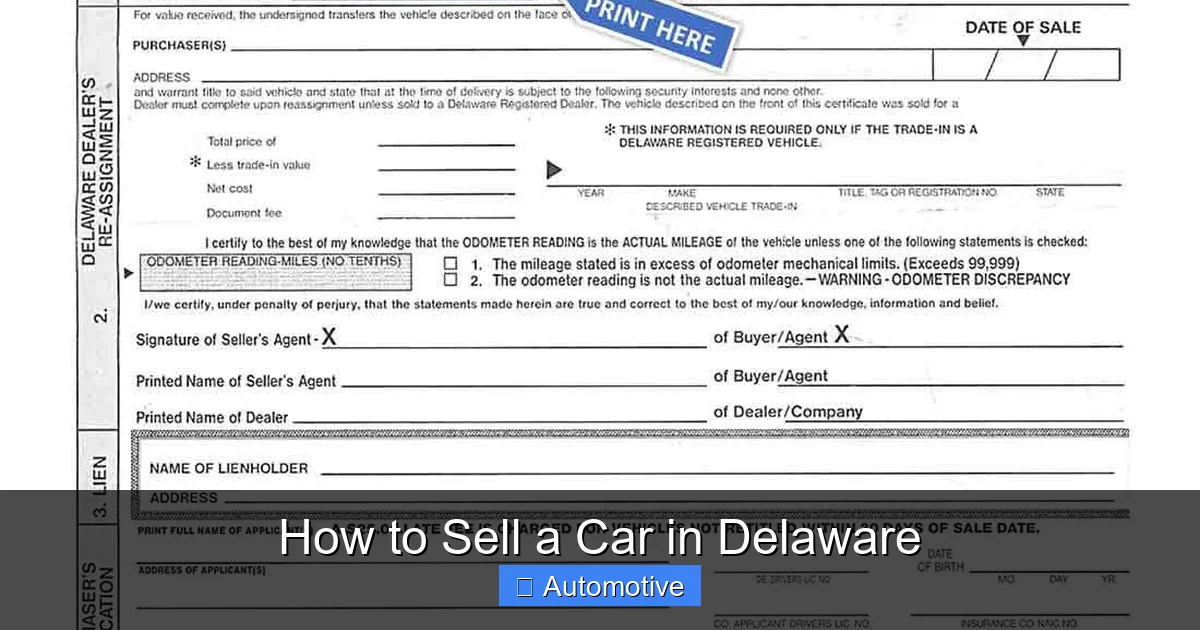
Delaware has specific paperwork requirements for private car sales. Having everything ready before you meet a buyer saves time and prevents delays. The most important document is the vehicle title. Make sure it’s in your name and free of liens. If there’s a loan on the car, you’ll need to pay it off before selling—otherwise, the lender holds the title.
On the back of the title, you’ll find a section for the seller to sign over ownership. Fill in the buyer’s name, sale date, and sale price. Be sure to complete the odometer disclosure section accurately—this is required by federal law for vehicles under 10 years old. If your car is older, you can write “exempt” in that field.
In addition to the title, you’ll need a bill of sale. Delaware doesn’t have a standard form, but you can create one or download a template online. Include the buyer’s and seller’s names and addresses, vehicle details (VIN, make, model, year), sale price, and date. Both parties should sign it.
It’s also a good idea to provide a vehicle history report and maintenance records. These show transparency and can justify your asking price. If your car has a rebuilt or salvage title, disclose it clearly—buyers have the right to know.
Finally, keep a copy of all documents for your records. This protects you in case of disputes or if the buyer fails to register the car properly.
Step 4: Advertise Your Car Effectively
Visual guide about How to Sell a Car in Delaware
Image source: cashforcars.com
Once your car is ready and priced, it’s time to find a buyer. The best way to sell a car in Delaware is to advertise where local buyers are looking. Online platforms are the most effective, but you can also use traditional methods.
Start with popular websites like Craigslist, Facebook Marketplace, and Autotrader. These sites allow you to post photos, descriptions, and contact info. Write a clear, honest title—something like “2018 Honda CR-V, Excellent Condition, Low Miles.” In the description, include key details: mileage, condition, features, recent repairs, and reason for selling.
Use bullet points to make it easy to read. Mention things like “new tires,” “clean Carfax,” or “non-smoker vehicle.” Avoid exaggerations—buyers will spot them during inspection.
Set your location to your city or town in Delaware. This helps attract local buyers who can inspect the car in person. You can also use apps like OfferUp or Letgo, which are popular for quick sales.
If you prefer offline methods, consider placing a “For Sale” sign in the window with your phone number. You can also post flyers at local coffee shops, libraries, or community centers—just check if they allow it.
When responding to inquiries, be prompt and professional. Answer questions honestly and schedule viewings at safe, public locations like a mall parking lot or police station. Avoid meeting at your home unless you’re comfortable.
Step 5: Handle the Sale and Payment Safely
When a serious buyer wants to purchase your car, it’s time to finalize the deal. Safety should be your top priority during this step. Always meet in a public place during daylight hours. Many people choose police station parking lots—some even have designated “safe exchange zones” with cameras.
Before handing over the keys, inspect the buyer’s payment method. Cash is the safest option for private sales. If they offer a cashier’s check, verify it’s from a local bank and call to confirm it’s valid. Personal checks are risky—they can bounce, leaving you without the car or the money.
Once payment is secured, complete the title transfer. Sign the back of the title in the presence of the buyer, and have them sign the bill of sale. Make sure all information is accurate—mistakes can cause registration problems later.
After the sale, remove your license plates. In Delaware, plates stay with the seller, not the car. You can transfer them to a new vehicle or return them to the DMV. Do not leave them on the car—this could lead to liability if the buyer gets a ticket.
Finally, keep a copy of the bill of sale and title transfer. This proves you no longer own the vehicle and protects you from future issues.
Step 6: Notify the DMV and Release Liability
Even after the sale, your responsibility isn’t over. You must notify the Delaware Division of Motor Vehicles (DMV) that you’ve sold the car. This step releases you from liability if the buyer gets a ticket, fails to register the vehicle, or is involved in an accident.
To do this, submit a Notice of Sale form to the DMV. You can find this form on the Delaware DMV website or pick it up at a local office. Fill it out with the buyer’s name, sale date, and vehicle details. You can mail it or drop it off in person.
Some people also send a copy to the buyer as a courtesy. While not required, it’s a good practice and helps ensure the transfer goes smoothly.
If you don’t notify the DMV, you could be held responsible for fines or penalties. For example, if the buyer doesn’t register the car and gets pulled over, the ticket might go to you. By filing the Notice of Sale, you protect yourself legally.
Alternative Options: Selling to a Dealer or Online Buyer
If you want a faster, easier way to sell your car, consider selling to a dealership or an online car-buying service. These options take less time and require less effort, though you may get a lower price.
Trade-ins are common when buying a new car. Dealerships will appraise your vehicle and apply its value toward your purchase. The process is quick, and you don’t have to deal with advertising or negotiations. However, trade-in values are often lower than private sale prices.
Online buyers like CarMax, Carvana, or Vroom offer instant quotes based on your car’s details. You can complete most of the process online, then schedule an inspection at a local location or have them pick up the car. They handle the paperwork and pay you quickly—often via check or direct deposit.
These services are ideal if you need to sell fast or don’t want the hassle of meeting strangers. Just be prepared to accept a fair but not top-dollar offer.
Final Tips for a Successful Sale
Selling a car in Delaware goes smoothly when you’re prepared and informed. Here are a few final tips to keep in mind:
– Be honest about your car’s condition. Hiding problems will only cause issues later.
– Respond to inquiries quickly. Serious buyers often compare multiple cars.
– Don’t rush the process. Take time to find the right buyer.
– Keep records of all communications and transactions.
– If something feels off during the sale, trust your instincts and walk away.
By following these steps, you’ll not only sell your car efficiently but also feel confident that you did it the right way.
Selling a car doesn’t have to be stressful. With the right approach, you can turn your old vehicle into cash while staying safe and compliant with Delaware laws. Whether you choose a private sale or go through a dealer, the key is preparation, honesty, and attention to detail. Now that you know how to sell a car in Delaware, you’re ready to get started. Good luck—and happy selling!
Frequently Asked Questions
Do I need a safety inspection to sell a car in Delaware?
No, Delaware does not require a safety inspection for private car sales. However, the buyer may want to have the car inspected before purchasing, especially if it’s an older model.
Can I sell my car if I still owe money on it?
You can only sell your car if the loan is paid off first. The lender holds the title until the balance is cleared. Once paid, they will release the title so you can transfer it to the buyer.
What happens if the buyer doesn’t register the car?
If you’ve properly filed a Notice of Sale with the DMV, you’re no longer liable. However, if you don’t notify the DMV, you could receive tickets or fines in the mail.
Should I accept a cashier’s check for payment?
Cashier’s checks can be safe if verified. Always call the issuing bank to confirm the check is valid before handing over the car. Avoid personal checks, as they can bounce.
Can I sell my car without a title?
No, you must have a valid title to sell a car in Delaware. If your title is lost, you can apply for a duplicate from the DMV before listing the vehicle.
How long does it take to sell a car in Delaware?
The timeline varies, but most cars sell within 2–4 weeks if priced correctly and advertised well. Well-maintained, in-demand vehicles may sell even faster.