How to Sell a Car in Alabama

Contents
- 1 Key Takeaways
- 2 📑 Table of Contents
- 3 Step 1: Prepare Your Vehicle for Sale
- 4 Step 2: Determine the Right Price
- 5 Step 3: Gather Required Paperwork
- 6 Step 4: Advertise Your Car Effectively
- 7 Step 5: Handle the Sale Safely and Legally
- 8 Step 6: Finalize the Sale and Protect Yourself
- 9 Frequently Asked Questions


Selling a car in Alabama doesn’t have to be stressful. With the right preparation, clear documentation, and smart marketing, you can complete the process quickly and legally. This guide walks you through every step—from pricing to transfer—so you get top dollar and avoid common pitfalls.
Thinking about selling your car in Alabama? Whether you’re upgrading to a newer model, downsizing, or just ready for a change, selling a vehicle can feel overwhelming—especially if it’s your first time. But don’t worry. With a little planning and the right information, the process can be smooth, safe, and even profitable.
Alabama has specific rules and procedures for transferring vehicle ownership, and understanding them upfront saves you time, money, and headaches down the road. From preparing your paperwork to meeting potential buyers, every step matters. The good news? You don’t need to be a car expert or a legal wizard to do it right. This guide breaks down everything you need to know—simply, clearly, and practically—so you can sell your car in Alabama with confidence.
We’ll cover how to price your vehicle fairly, where to advertise, what documents to prepare, how to handle the sale transaction, and how to legally transfer ownership. We’ll also share tips on avoiding scams, ensuring safety during meetups, and wrapping up the process without lingering responsibilities. By the end, you’ll feel empowered to sell your car quickly, safely, and for the best possible price.
Key Takeaways
- Prepare your paperwork: Gather the title, maintenance records, and a valid emissions or safety inspection if required to build buyer confidence.
- Price your car fairly: Use tools like Kelley Blue Book or Edmunds to research market value based on year, mileage, condition, and location.
- Clean and detail your vehicle: A well-maintained appearance can significantly increase buyer interest and justify a higher asking price.
- Advertise effectively: Use online platforms like Facebook Marketplace, Craigslist, and Autotrader to reach local buyers quickly.
- Complete the title transfer correctly: Sign over the title, fill out the Bill of Sale, and notify the Alabama Department of Revenue to avoid future liability.
- Meet buyers safely: Choose public locations, bring a friend, and verify payment before handing over the keys.
- Understand tax and fee implications: Know whether you’ll owe capital gains tax and how to handle registration cancellation after the sale.
📑 Table of Contents
Step 1: Prepare Your Vehicle for Sale
Before you even think about listing your car, take time to get it ready. First impressions matter—especially when selling a used vehicle. A clean, well-maintained car not only attracts more buyers but also justifies a higher asking price. Think of it this way: if you were buying a car, would you trust one that looked neglected? Probably not.
Start with a thorough cleaning. Wash the exterior, wax it if possible, and clean the windows inside and out. Don’t forget the wheels—grime and brake dust can make even a nice car look tired. Inside, vacuum the carpets, wipe down surfaces, and remove any personal items like sunglasses, chargers, or old receipts. Consider using an odor eliminator if there are lingering smells from pets, smoking, or food.
Next, address minor repairs. Fixing small issues like burnt-out bulbs, cracked windshield wipers, or a loose door handle can make a big difference. These are usually inexpensive fixes but show buyers you’ve cared for the vehicle. If your car has mechanical problems, be honest about them—but also consider whether it’s worth repairing before selling. For example, replacing a timing belt might cost $500, but it could increase your sale price by $1,000 or more.
Gather Maintenance and Repair Records
Buyers love transparency. Having a folder with service records, oil change receipts, and repair invoices builds trust and proves your car has been well-maintained. If you’ve kept digital copies, print them out or offer to email them. Include details like when the tires were replaced, when the brakes were last serviced, and any major work done—like a transmission rebuild or engine repair.
If you don’t have all the records, don’t panic. You can still sell the car, but be upfront about what you do and don’t know. Some buyers may ask for a pre-purchase inspection (more on that later), and having partial records is better than none.
Get a Pre-Sale Inspection (Optional but Recommended)
While not required in Alabama, getting a pre-sale inspection from a trusted mechanic can be a smart move. It gives you peace of mind knowing the car is in good shape and allows you to fix any issues before listing. Plus, you can share the inspection report with buyers to boost credibility.
For example, if the inspection reveals worn brake pads, you can replace them and advertise “new brakes installed” as a selling point. This small investment can lead to a quicker sale and a better price.
Step 2: Determine the Right Price
Visual guide about How to Sell a Car in Alabama
Image source: wheelzy.com
Pricing your car correctly is one of the most important steps in the selling process. Overprice it, and it may sit on the market for months. Underprice it, and you leave money on the table. The goal is to find that sweet spot where your car is competitive but still reflects its true value.
Start by researching similar vehicles in your area. Use trusted online tools like Kelley Blue Book (KBB), Edmunds, and NADA Guides. Enter your car’s make, model, year, mileage, trim level, and condition. These tools will give you a range—typically “trade-in value” and “private party value.” Since you’re selling privately, focus on the private party value.
But don’t stop there. Check local listings on Facebook Marketplace, Craigslist, and Autotrader. Look at cars with similar mileage, features, and condition. Are they priced higher or lower than KBB suggests? Local demand, seasonality, and even the time of year can affect pricing. For example, convertibles may sell for more in spring, while SUVs and trucks often move faster in winter.
Adjust for Condition and Extras
Once you have a baseline price, adjust based on your car’s condition. If it’s in excellent shape with low mileage and recent upgrades (like new tires or a premium sound system), you can price it at the higher end of the range. If it has cosmetic flaws, high mileage, or needs repairs, price it lower.
Be realistic. A car with 150,000 miles won’t sell for the same as one with 60,000—even if it’s been well-maintained. Buyers expect a discount for higher mileage.
Consider Offering a Warranty or Incentive
To make your listing stand out, consider offering a small incentive. For example, you could include a full tank of gas, a free oil change, or a 30-day limited warranty (if you’re confident in the car’s condition). These extras cost little but can tip the scales in your favor when buyers are comparing similar vehicles.
Step 3: Gather Required Paperwork
Visual guide about How to Sell a Car in Alabama
Image source: legaltemplates.net
In Alabama, selling a car involves more than just handing over the keys. You’ll need several documents to complete the transfer legally and protect yourself from future liability. Missing or incorrect paperwork can delay the sale or even lead to legal trouble.
Vehicle Title
The most important document is the vehicle title. This proves you own the car and have the right to sell it. Make sure the title is in your name and free of liens (loans). If you still owe money on the car, you’ll need to pay off the loan before selling—or arrange for the buyer to pay the lender directly.
Check the title for errors. If your name is misspelled or the VIN is incorrect, contact the Alabama Department of Revenue to get it corrected before listing the car.
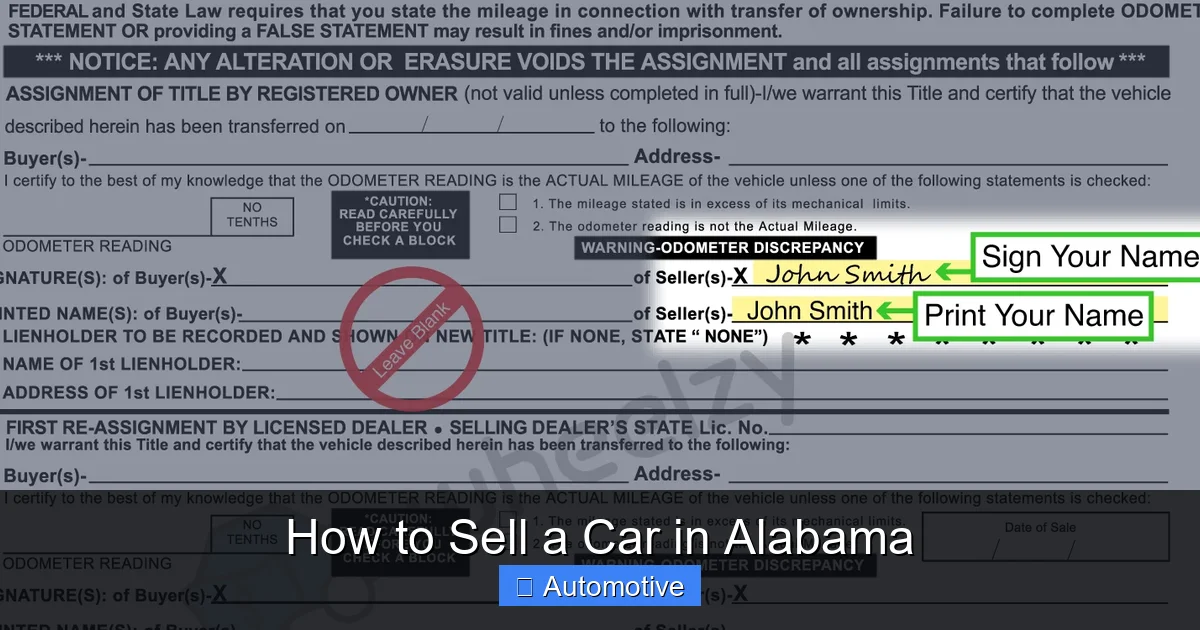
When you sell, you’ll sign over the title to the buyer. In Alabama, the seller must complete the “Assignment of Title” section on the back of the title. Include the sale date, odometer reading, and sale price. Both you and the buyer should sign it.
Bill of Sale
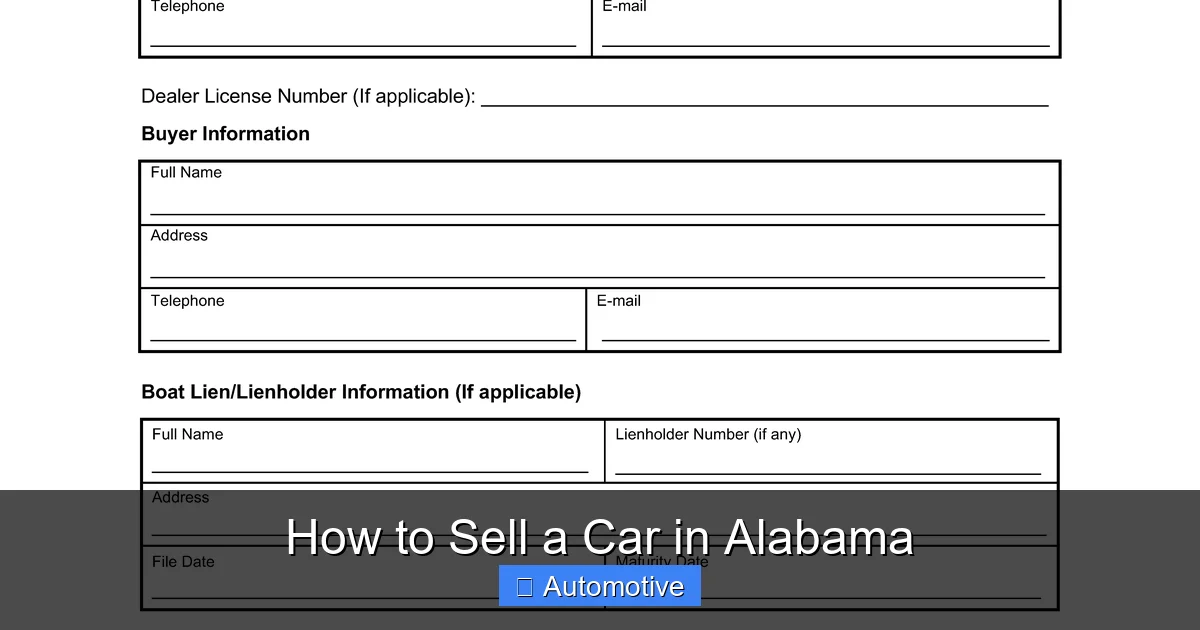
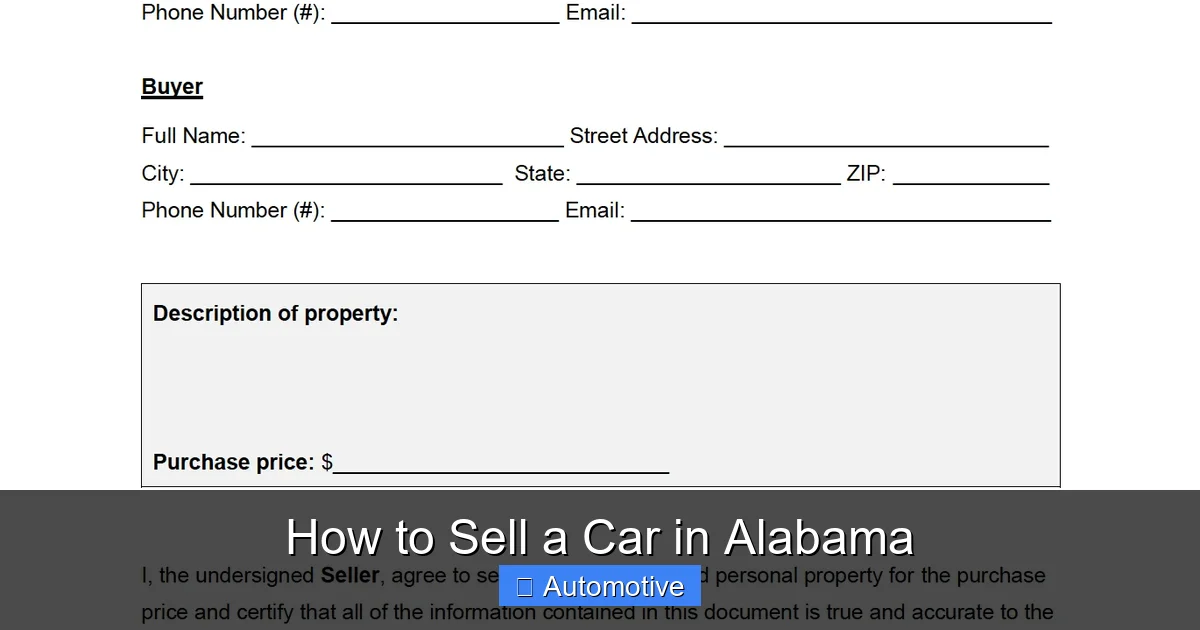
While not always required, a Bill of Sale is highly recommended. It’s a legal document that records the details of the transaction, including the buyer’s and seller’s names, addresses, vehicle information, sale price, and date.
You can download a free Alabama Bill of Sale template from the Alabama Department of Revenue website or use a generic one from a legal site. Fill it out completely and have both parties sign it. Keep a copy for your records.
Odometer Disclosure
Federal law requires you to disclose the vehicle’s mileage at the time of sale. This is done on the title itself—there’s a section for odometer reading. Be honest. Rolling back an odometer is illegal and can result in fines or jail time.
If the odometer is broken or the car has exceeded 999,999 miles, check the appropriate box on the title.
Release of Liability Form
After the sale, you must notify the Alabama Department of Revenue that you’re no longer responsible for the vehicle. This is done by submitting a Release of Liability form (Form MV-1). You can file it online, by mail, or in person.
Filing this form protects you if the buyer gets a ticket, causes an accident, or fails to register the car. Without it, you could still be held liable.
Maintenance and Repair Records
As mentioned earlier, having service records builds trust. Include them in the sale packet so the buyer knows the car has been cared for.
Step 4: Advertise Your Car Effectively
Visual guide about How to Sell a Car in Alabama
Image source: esign.com
Now that your car is ready and your paperwork is in order, it’s time to find a buyer. The key is to reach as many potential buyers as possible while presenting your car in the best light.
Choose the Right Platforms
Start with online marketplaces. Facebook Marketplace is one of the most popular options in Alabama—it’s free, easy to use, and reaches local buyers quickly. Craigslist is another solid choice, especially for older vehicles. Autotrader and Cars.com are better for higher-end or newer cars, though they may charge listing fees.
You can also post flyers at local coffee shops, libraries, or community centers—but online is usually faster and more effective.
Write a Compelling Listing
Your ad should be clear, honest, and attention-grabbing. Start with a strong headline: “2018 Honda Civic – Low Miles, Excellent Condition, Clean Title.” Include key details like year, make, model, mileage, transmission type, fuel economy, and any standout features (like leather seats, sunroof, or Apple CarPlay).
Be honest about flaws. If the paint is faded on the hood or the AC takes a while to cool, mention it. Buyers appreciate transparency and are more likely to trust you.
Take High-Quality Photos
Photos are crucial. Take pictures in good lighting—early morning or late afternoon works best. Capture the exterior from multiple angles, the interior (front and back seats), the dashboard, the engine bay, and the trunk. Include close-ups of any damage or unique features.
Avoid cluttered backgrounds. A clean, neutral setting makes the car stand out. If possible, take photos in a driveway or parking lot with minimal distractions.
Set a Realistic Asking Price
List your car at the price you researched earlier. You can say “firm” if you’re not open to negotiation, or “open to offers” if you’re flexible. Be prepared to negotiate—most buyers will try to haggle.
Step 5: Handle the Sale Safely and Legally
When buyers start contacting you, it’s time to move from advertising to action. But safety and legality should always come first.
Screen Potential Buyers
Ask questions to gauge seriousness. Are they local? Do they have financing ready? Have they seen the car in person? Avoid buyers who want to pay with a cashier’s check from another state or ask you to ship the car—these are common red flags for scams.
Meet in a Safe, Public Place
Always meet in a well-lit, public location like a police station parking lot, mall, or busy shopping center. Bring a friend or family member with you. Let someone know where you’re going and when you expect to return.
Never invite strangers to your home or meet at night in a secluded area.
Allow a Test Drive (With Caution)
Most buyers will want to test drive the car. To protect yourself, ask to see their driver’s license and verify it’s valid. Have them sign a test drive agreement (you can find templates online). Stay in the car with them during the drive, or have a friend follow in another vehicle.
Accept Secure Payment
Cash is the safest and most common form of payment for private car sales. Count it in front of the buyer to avoid disputes. Avoid personal checks—they can bounce.
If the buyer wants to pay with a cashier’s check, go to their bank with them to verify it’s legitimate. Wire transfers are risky and should be avoided.
Complete the Title Transfer
Once payment is secured, sign over the title and complete the Bill of Sale. Make sure both parties sign and date everything. Give the buyer the keys, owner’s manual, and any extra sets of keys.
Cancel Your Insurance and Registration
After the sale, contact your insurance company to cancel or transfer coverage. You don’t want to keep paying for a car you no longer own. Also, remove the license plates—Alabama requires sellers to keep their plates unless the buyer is a family member.
Step 6: Finalize the Sale and Protect Yourself
The sale isn’t truly complete until you’ve taken a few final steps to protect yourself legally and financially.
Submit the Release of Liability
As mentioned earlier, file Form MV-1 with the Alabama Department of Revenue within 30 days of the sale. This removes your responsibility for the vehicle.
Keep Records
Save copies of the title, Bill of Sale, and Release of Liability form for at least three years. You may need them if there’s a dispute or if the buyer fails to register the car.
Understand Tax Implications
In most cases, selling a personal vehicle doesn’t trigger capital gains tax—especially if you sell it for less than you paid. However, if you sell a classic car or a vehicle used for business, consult a tax professional.
Consider a Notarized Bill of Sale
While not required in Alabama, having the Bill of Sale notarized adds an extra layer of legal protection. It proves both parties agreed to the terms and can help resolve disputes.
Selling a car in Alabama doesn’t have to be complicated. With preparation, honesty, and attention to detail, you can complete the process smoothly and walk away with cash in hand—and peace of mind.
Frequently Asked Questions
Do I need a safety inspection to sell a car in Alabama?
No, Alabama does not require a safety or emissions inspection for private car sales. However, some buyers may request one, and having a recent inspection can make your car more attractive.
Can I sell my car if I still owe money on it?
Yes, but you must pay off the loan before transferring the title. Contact your lender to arrange payoff and title release. Some buyers may agree to pay the lender directly, but this requires coordination.
What happens if the buyer doesn’t register the car?
Once you file the Release of Liability form with the Alabama Department of Revenue, you’re no longer responsible for the vehicle—even if the buyer fails to register it.
Can I sell my car without a title?
No, you must have a valid title to sell a car in Alabama. If your title is lost, apply for a duplicate from the Alabama Department of Revenue before listing the vehicle.
Is it safe to sell my car online?
Yes, if you take precautions. Meet in public, verify payment, and avoid sharing personal information. Use trusted platforms and trust your instincts.
How long does it take to sell a car in Alabama?
It varies, but most cars sell within 2–6 weeks if priced correctly and advertised well. Clean, popular models in good condition often sell faster.