How to Sell a Car in a Different State

Selling a car in a different state can seem overwhelming, but with the right preparation, it’s totally doable. From handling paperwork to understanding tax rules and choosing between shipping or driving, this guide walks you through every step to ensure a safe, legal, and profitable sale.
In This Article
- 1 Key Takeaways
- 2 📑 Table of Contents
- 3 Introduction: Why Sell a Car Across State Lines?
- 4 Step 1: Research the Buyer’s State Requirements
- 5 Step 2: Prepare the Necessary Paperwork
- 6 Step 3: Handle Payment Securely
- 7 Step 4: Transfer the Vehicle Safely
- 8 Step 5: Cancel Insurance and Notify the DMV
- 9 Step 6: Market Your Car Effectively to Out-of-State Buyers
- 10 Conclusion: Make Your Cross-State Car Sale Stress-Free
- 11 Frequently Asked Questions
- 11.1 Do I need to pay sales tax when selling a car to another state?
- 11.2 Can I sell my car if it has a lien?
- 11.3 What if the buyer doesn’t register the car?
- 11.4 Can I ship a car that doesn’t run?
- 11.5 Is it safe to sell a car to someone in another state?
- 11.6 Do I need to provide a warranty when selling across state lines?
Key Takeaways
- Research state-specific requirements: Each state has unique rules for vehicle sales, titling, and registration—know them before listing your car.
- Complete all necessary paperwork: This includes the title, bill of sale, odometer disclosure, and emissions or safety inspection forms if required.
- Understand tax and fee implications: Sales tax, use tax, and registration fees vary by state and can affect your final payout.
- Choose a secure payment method: Use cashier’s checks, wire transfers, or escrow services to avoid scams and ensure funds clear safely.
- Decide how the car will be transferred: You can ship the vehicle or have the buyer pick it up—weigh cost, convenience, and timing.
- Cancel insurance and notify your DMV: Once the sale is complete, remove the car from your policy and report the sale to avoid liability.
- Use online platforms wisely: Market your car on trusted sites like Autotrader, Cars.com, or Facebook Marketplace to reach out-of-state buyers.
📑 Table of Contents
- Introduction: Why Sell a Car Across State Lines?
- Step 1: Research the Buyer’s State Requirements
- Step 2: Prepare the Necessary Paperwork
- Step 3: Handle Payment Securely
- Step 4: Transfer the Vehicle Safely
- Step 5: Cancel Insurance and Notify the DMV
- Step 6: Market Your Car Effectively to Out-of-State Buyers
- Conclusion: Make Your Cross-State Car Sale Stress-Free
Introduction: Why Sell a Car Across State Lines?
You’ve decided it’s time to sell your car—but the best offer comes from someone in another state. Maybe they’re willing to pay more, or perhaps you’re moving and want to sell before you go. Whatever the reason, selling a car in a different state isn’t as simple as handing over the keys and walking away. There are legal, financial, and logistical hurdles to clear. But don’t worry—this guide will walk you through the entire process, step by step, so you can sell your vehicle safely, legally, and profitably.
Cross-state car sales are more common than you might think. With online marketplaces and national buyer demand, people often look beyond their local area for better deals or specific models. However, each state has its own rules about vehicle transfers, taxes, and documentation. If you’re not prepared, you could end up with delays, fines, or even legal trouble. The good news? With a little planning and attention to detail, you can navigate the process smoothly. Whether you’re selling a sedan, SUV, or classic car, this guide covers everything you need to know to sell your car in a different state with confidence.
Step 1: Research the Buyer’s State Requirements
Before you even list your car, it’s crucial to understand the rules in the buyer’s state. Every state has different regulations for vehicle sales, and failing to comply can result in the buyer being unable to register the car—or worse, you being held liable for issues after the sale. Start by visiting the official Department of Motor Vehicles (DMV) website for the state where the buyer lives. Look for sections on “out-of-state vehicle registration” or “buying a car from another state.”

Visual guide about How to Sell a Car in a Different State
Image source: insurancecentermo.com
Common Requirements to Check
- Title transfer rules: Some states require a notarized title, while others accept a simple signature. A few states also require a bill of sale in addition to the title.
- Emissions and safety inspections: States like California, New York, and Texas require vehicles to pass emissions or safety tests before registration. If your car doesn’t meet these standards, the buyer may not be able to register it.
- Odometer disclosure: Federal law requires you to disclose the mileage on vehicles under 10 years old. Some states require this on the title, others on a separate form.
- Sales tax and use tax: Most states charge a use tax when a vehicle is registered from out of state. The rate varies—California charges based on purchase price, while others use the vehicle’s value.
For example, if you’re selling a 2018 Honda Civic from Arizona to a buyer in Oregon, you’ll need to ensure the car passes Oregon’s emissions test. Oregon also requires a completed Application for Title and Registration and a Vehicle Identification Number (VIN) Verification form. If your car hasn’t been inspected, the buyer may need to arrange that after purchase—something you should disclose upfront.
Tip: Ask the Buyer for Guidance
Don’t hesitate to ask the buyer what documents they need. Most buyers are familiar with their state’s process and can tell you exactly what to provide. This not only helps you avoid mistakes but also builds trust. A simple email like, “I want to make sure I send you everything you need to register the car in [State]. Can you confirm what paperwork is required?” goes a long way.
Step 2: Prepare the Necessary Paperwork
Once you know the requirements, it’s time to gather and complete all the necessary documents. Missing or incorrect paperwork is one of the most common reasons cross-state sales fall through. Take your time with this step—accuracy is key.
Visual guide about How to Sell a Car in a Different State
Image source: g-ecx.images-amazon.com
Essential Documents for Selling a Car in a Different State
- Vehicle Title: This is the most important document. Make sure it’s signed correctly by all owners listed. If there’s a lien, you’ll need to pay it off and get a lien release before selling.
- Bill of Sale: While not always required, a bill of sale protects both you and the buyer. It should include the sale price, date, vehicle details (make, model, VIN), and both parties’ names and addresses.
- Odometer Disclosure Statement: Required for vehicles under 10 years old. This must be filled out on the title or a separate form, depending on the state.
- Release of Liability Form: Some states allow you to file this online to notify the DMV that you’re no longer responsible for the vehicle. Check your state’s DMV website.
- Maintenance Records (Optional but Helpful): Providing service history can increase buyer confidence and justify a higher price.
Let’s say you’re selling a 2020 Toyota Camry from Florida to a buyer in Colorado. Florida requires a notarized bill of sale for vehicles over $500, so you’ll need to get that notarized before sending it. Colorado, on the other hand, doesn’t require a bill of sale for private sales, but it’s still a good idea to include one. You’ll also need to complete the odometer disclosure on the title and ensure the VIN matches the vehicle.
Pro Tip: Use a Bill of Sale Template
You can find free, state-specific bill of sale templates online through your DMV or legal websites like LegalZoom or Rocket Lawyer. Fill it out completely and keep a copy for your records. This document can protect you if the buyer claims the car was sold for less than agreed or if there’s a dispute later.
Step 3: Handle Payment Securely
Money matters can make or break a cross-state sale. Since you won’t be meeting in person, you need to choose a payment method that’s safe for both parties. Avoid cash for high-value transactions—it’s risky to ship or carry large amounts. Instead, opt for secure, traceable methods.
Visual guide about How to Sell a Car in a Different State
Image source: barnfinds.com
Recommended Payment Methods
- Cashier’s Check: Issued by a bank and guaranteed by the institution. Make sure it’s from a legitimate bank and verify it before releasing the car. Be cautious of fake checks—wait for it to fully clear.
- Wire Transfer: Fast and secure, but irreversible. Only accept wires from trusted banks. Never send your bank details over email—use a secure method.
- Escrow Service: A third party holds the funds until both parties confirm the transfer is complete. Ideal for high-value cars or if you’re unsure about the buyer. Services like Escrow.com charge a small fee but offer peace of mind.
- Zelle or Venmo (for smaller amounts): Convenient but not recommended for cars over $5,000 due to lack of buyer/seller protection.
For example, if you’re selling a $15,000 Ford F-150 to a buyer in Washington, a cashier’s check or wire transfer is your best bet. If the buyer sends a check, wait 5–7 business days for it to clear completely before shipping the car or handing over the title. Scammers often send fake checks that appear real at first but bounce later—don’t fall for it.
Red Flags to Watch For
- The buyer offers to overpay and asks for a refund.
- They insist on using an unfamiliar payment method.
- They pressure you to ship the car before payment clears.
- They refuse to provide identification or contact information.
If anything feels off, trust your instincts. It’s better to walk away from a suspicious deal than risk losing your car and money.
Step 4: Transfer the Vehicle Safely
Once payment is secured, it’s time to get the car to the buyer. You have two main options: shipping or having the buyer pick it up. Each has pros and cons, so choose based on cost, convenience, and timing.
Option 1: Ship the Car
Shipping is ideal if the buyer lives far away or doesn’t have a way to drive the car back. You can hire a professional auto transport company to pick up the vehicle and deliver it directly to the buyer’s door. This is especially useful for classic cars, luxury vehicles, or if the car isn’t drivable.
Costs vary based on distance, vehicle size, and transport type (open vs. enclosed trailer). On average, shipping a car across the country costs $1,000–$2,000. Get quotes from at least three reputable companies like Montway Auto Transport, AmeriFreight, or uShip. Check reviews on the Better Business Bureau (BBB) and verify they’re licensed with the Federal Motor Carrier Safety Administration (FMCSA).
Before shipping, remove all personal items from the car and take photos of the exterior and interior. This helps document the car’s condition in case of damage during transit. Provide the transport company with the title and any required paperwork, and make sure the buyer knows when to expect delivery.
Option 2: Buyer Picks Up the Car
If the buyer is nearby or willing to travel, they can drive the car home. This saves on shipping costs and allows them to inspect the vehicle in person. However, you’ll need to ensure the car is roadworthy and insured during the trip.
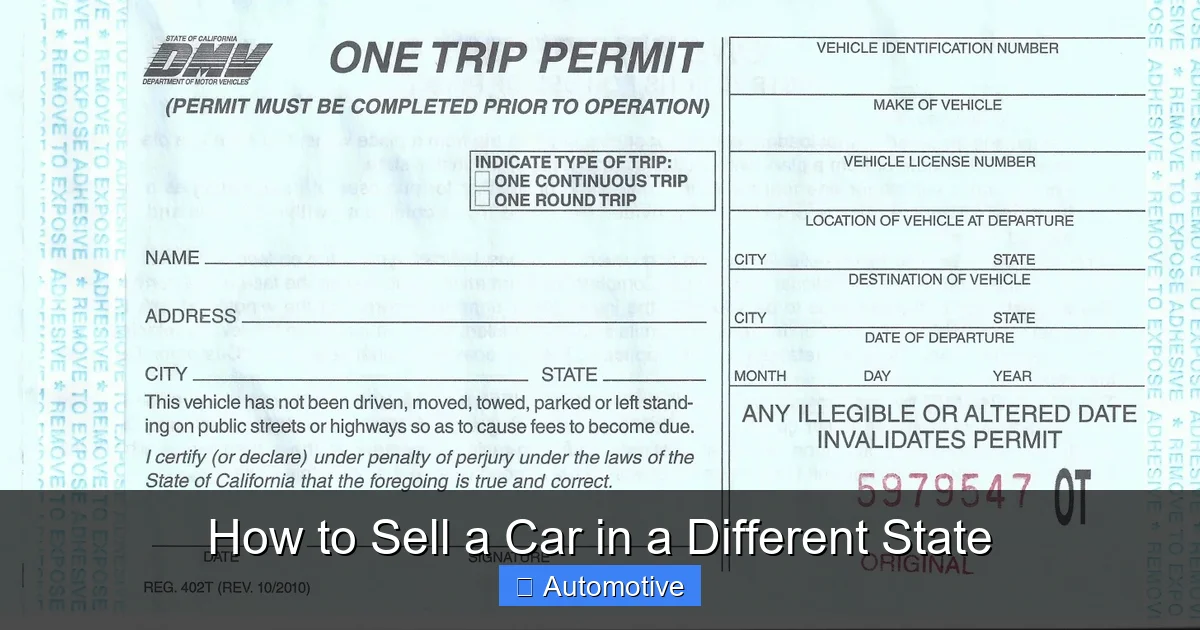
Some buyers may ask you to cover temporary tags or a trip permit so they can legally drive the car home. Check your state’s rules—some allow 30-day temporary registrations for out-of-state buyers. You can also add the buyer to your insurance policy for a short period, but this can be complicated and expensive. A better option is to have the buyer insure the car themselves before pickup.
For example, if you’re selling a 2016 Subaru Outback from Texas to a buyer in New Mexico (just a few hours away), the buyer might drive it home. You can meet at a neutral location like a DMV or police station for safety. Bring the title, bill of sale, and any other documents. Once the sale is complete, remove the license plates (required in Texas) and cancel your insurance.
Safety Tips for In-Person Transfers
- Meet in a public, well-lit place during daylight hours.
- Bring a friend or family member for support.
- Verify the buyer’s ID and take a photo of it.
- Don’t leave until payment has cleared and the car is gone.
Step 5: Cancel Insurance and Notify the DMV
After the sale, your responsibilities aren’t over. You must cancel your insurance and notify your state’s DMV to avoid future liability. If you don’t, you could be held responsible for parking tickets, accidents, or registration fees—even after the car is gone.
Cancel Your Insurance
Contact your insurance company as soon as the car is sold. Most insurers require you to remove the vehicle from your policy immediately. If you have other cars on the policy, your premium may decrease. If this was your only car, you may need to switch to a non-owner policy if you plan to drive occasionally.
Keep a copy of the cancellation confirmation for your records. This proves you’re no longer insured—and therefore not liable—for the vehicle.
Notify Your DMV
Many states allow you to file a “Release of Liability” form online. This notifies the DMV that you’ve sold the car and are no longer responsible for it. In California, for example, you can submit this form within 5 days of the sale. In Florida, it’s called a “Notice of Sale” and can be filed online or by mail.
If your state doesn’t offer an online option, send a written notice to your local DMV with the sale date, buyer’s name, and vehicle details. Keep a copy of the letter and proof of mailing (like a certified mail receipt).
For instance, if you sell your car in Illinois, you must file a Notice of Sale within 10 days. Failure to do so could result in fines or penalties if the buyer doesn’t register the car promptly.
Step 6: Market Your Car Effectively to Out-of-State Buyers
To attract buyers from other states, you need to market your car strategically. Online platforms are your best bet, but you’ll need to optimize your listing to stand out.
Best Platforms for Cross-State Sales
- Autotrader: Great for serious buyers. You can specify that you’re open to out-of-state offers.
- Cars.com: Offers detailed listing tools and nationwide reach.
- Facebook Marketplace: Free and easy to use. You can target buyers in specific states using location filters.
- Craigslist: Still popular, but be cautious of scams. Only communicate through the site’s messaging system.
- eBay Motors: Allows bidding and shipping options. Good for unique or high-value vehicles.
Tips for a Winning Listing
- Use high-quality photos: Take pictures in daylight from multiple angles—front, back, sides, interior, engine, and trunk.
- Write a detailed description: Include make, model, year, mileage, condition, recent repairs, and why you’re selling.
- Mention you’re open to out-of-state buyers: Say something like, “Serious inquiries welcome from all states—shipping available.”
- Be transparent about issues: Disclose any mechanical problems or cosmetic flaws. Honesty builds trust.
- Respond quickly to messages: Buyers often compare multiple listings. A fast response can make the difference.
For example, if you’re selling a 2019 Jeep Wrangler with 45,000 miles, mention that it’s been garage-kept, has new tires, and includes a hardtop. Add photos of the undercarriage to show it’s rust-free. Then, state: “Open to buyers nationwide. Can assist with shipping or pickup.”
Conclusion: Make Your Cross-State Car Sale Stress-Free
Selling a car in a different state doesn’t have to be complicated. By researching the buyer’s state requirements, preparing the right paperwork, handling payment securely, and transferring the vehicle safely, you can complete the sale with confidence. Remember to cancel your insurance and notify your DMV to protect yourself from future liability.
While the process involves more steps than a local sale, the benefits—like reaching a larger pool of buyers and potentially getting a better price—are worth the effort. With the tips in this guide, you’re well-equipped to navigate the complexities of a cross-state car sale. So go ahead, list that car, and connect with the right buyer—no matter where they are.
Frequently Asked Questions
Do I need to pay sales tax when selling a car to another state?
No, as the seller, you don’t pay sales tax. However, the buyer will likely pay a use tax in their state when they register the vehicle. The rate and rules vary by state, so encourage the buyer to check with their local DMV.
Can I sell my car if it has a lien?
Yes, but you must pay off the loan first. Contact your lender to get a payoff amount, then use the sale proceeds to clear the debt. Once paid, the lender will release the lien and send you the title.
What if the buyer doesn’t register the car?
File a Release of Liability form with your state’s DMV as soon as the sale is complete. This protects you from fines, tickets, or other liabilities if the buyer fails to register the vehicle.
Can I ship a car that doesn’t run?
Yes, but it will cost more. Non-running vehicles require special transport (like a flatbed truck) and may incur additional fees. Inform the transport company in advance.
Is it safe to sell a car to someone in another state?
It can be safe if you take precautions. Use secure payment methods, verify the buyer’s identity, meet in public if picking up, and avoid scams by trusting your instincts.
Do I need to provide a warranty when selling across state lines?
No, private sellers typically sell cars “as-is,” meaning no warranty is provided. Clearly state this in your listing to set expectations and avoid disputes.