How to Replace a Lost Car Key
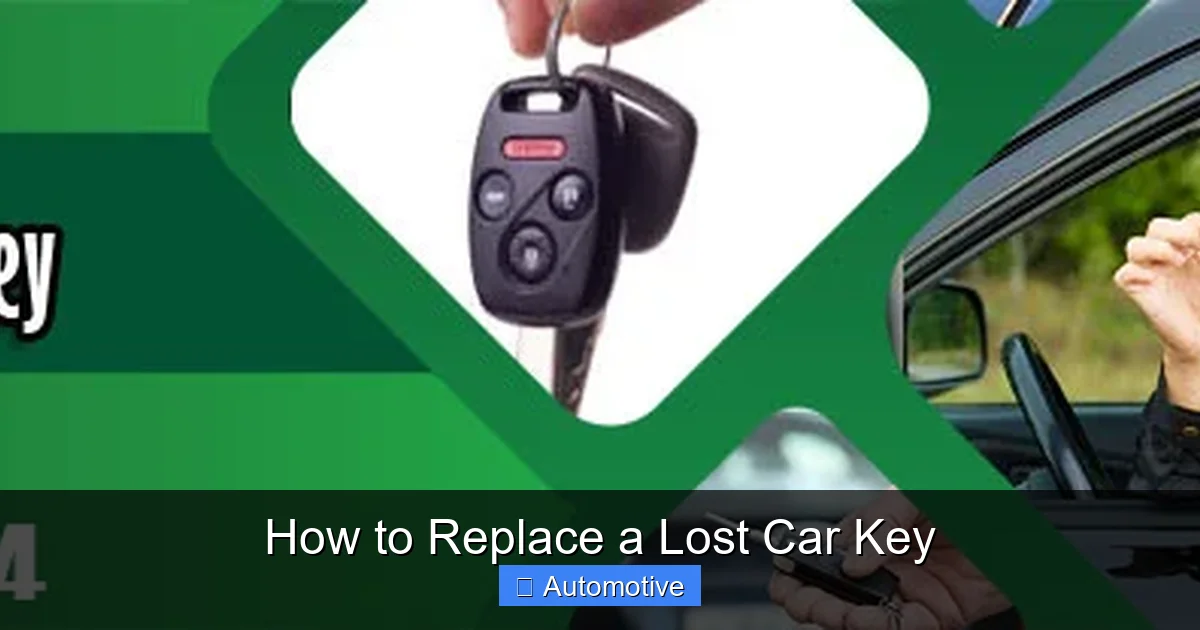
Losing your car key doesn’t have to leave you stranded. This guide walks you through every step—from assessing your key type to choosing the right replacement method—so you can get back on the road safely and efficiently.
Losing your car key is one of those frustrating moments that can throw your entire day off track. Whether you dropped it in a parking lot, left it at a friend’s house, or simply can’t remember where you last saw it, the panic sets in quickly: *How do I get into my car? How much will this cost? Will I need a tow?* The good news is that replacing a lost car key is more straightforward than many people think—but it does require knowing the right steps and understanding your options.
The first thing to remember is that not all car keys are created equal. Gone are the days when a simple metal key could be copied at any hardware store for a few dollars. Today’s vehicles often use advanced security features like transponder chips, remote entry systems, and even smartphone-integrated smart keys. Each type demands a different approach for replacement, and skipping this crucial first step can lead to wasted time, money, and frustration. But don’t worry—we’ll break it all down so you know exactly what to do, whether you’re driving a 2005 sedan or a 2024 luxury SUV.
In this comprehensive guide, we’ll walk you through every stage of replacing a lost car key—from identifying your key type and gathering essential documents to choosing between a dealership, locksmith, or DIY solution. We’ll also cover cost expectations, programming requirements, and smart strategies to prevent future losses. By the end, you’ll feel confident and prepared, no matter where (or when) your keys go missing.
In This Article
- 1 Key Takeaways
- 2 📑 Table of Contents
- 3 Step 1: Identify Your Car Key Type
- 4 Step 2: Gather Essential Information and Documents
- 5 Step 3: Choose the Right Replacement Method
- 6 Step 4: Understand the Programming Process
- 7 Step 5: Manage Costs and Explore Savings Options
- 8 Step 6: Prevent Future Key Loss
- 9 Frequently Asked Questions
Key Takeaways
- Identify your key type first: Traditional metal keys, transponder keys, remote fobs, and smart keys each require different replacement processes and costs.
- Contact your dealership or a certified locksmith: Both can replace most keys, but locksmiths often offer faster service and lower prices.
- Have your vehicle information ready: You’ll need your VIN, registration, and proof of ownership to verify identity and authorize key creation.
- Expect varying costs: Replacing a simple key may cost $20–$50, while smart keys can run $200–$500 or more depending on the vehicle.
- Consider programming requirements: Most modern keys must be programmed to your car’s immobilizer system—this isn’t optional and usually requires professional tools.
- Keep a spare key handy: Once replaced, make duplicates immediately and store one in a secure, accessible location to avoid future lockouts.
- Explore insurance coverage: Some auto insurance policies or roadside assistance plans may reimburse key replacement costs—check your policy details.
📑 Table of Contents
Step 1: Identify Your Car Key Type
Before you can replace your lost car key, you need to know exactly what kind of key you’re dealing with. This determines everything from who can make a replacement to how much it will cost. Let’s look at the four main types of car keys found on modern vehicles.
Traditional Metal Key
This is the simplest and oldest type—just a plain metal blade that fits into the ignition and door locks. Common in older cars (pre-2000s), these keys have no electronic components. If you drive a classic car or an older model truck, this might be your key type. Replacement is easy: take the key code (if available) or bring your vehicle to a locksmith or hardware store. They can cut a new key in minutes for as little as $10–$20.
Transponder Key
Introduced in the mid-1990s to deter theft, transponder keys contain a small electronic chip embedded in the plastic head. When you insert the key into the ignition, the car’s immobilizer system sends a radio signal to the chip. If the chip responds with the correct code, the engine starts. Without it, the car won’t turn over—even if the metal blade fits perfectly. Most vehicles from the early 2000s to about 2015 use transponder keys. Replacing one requires both cutting the physical key and programming the chip, which usually needs professional equipment.
Remote Key Fob (Flip Key or Smart Entry Fob)
These keys combine a traditional or transponder key with a remote control for locking, unlocking, and sometimes starting the car. You’ve probably seen them—they often flip open to reveal the metal blade or have buttons on the front. Popularized by brands like Honda, Toyota, and Ford in the 2010s, these fobs require programming to sync with your vehicle’s security system. Some also include panic buttons, trunk releases, and remote start functions. Replacement involves cutting the key (if applicable) and syncing the remote—a process that typically can’t be done at home.
Smart Key (Keyless Entry & Push-Button Start)
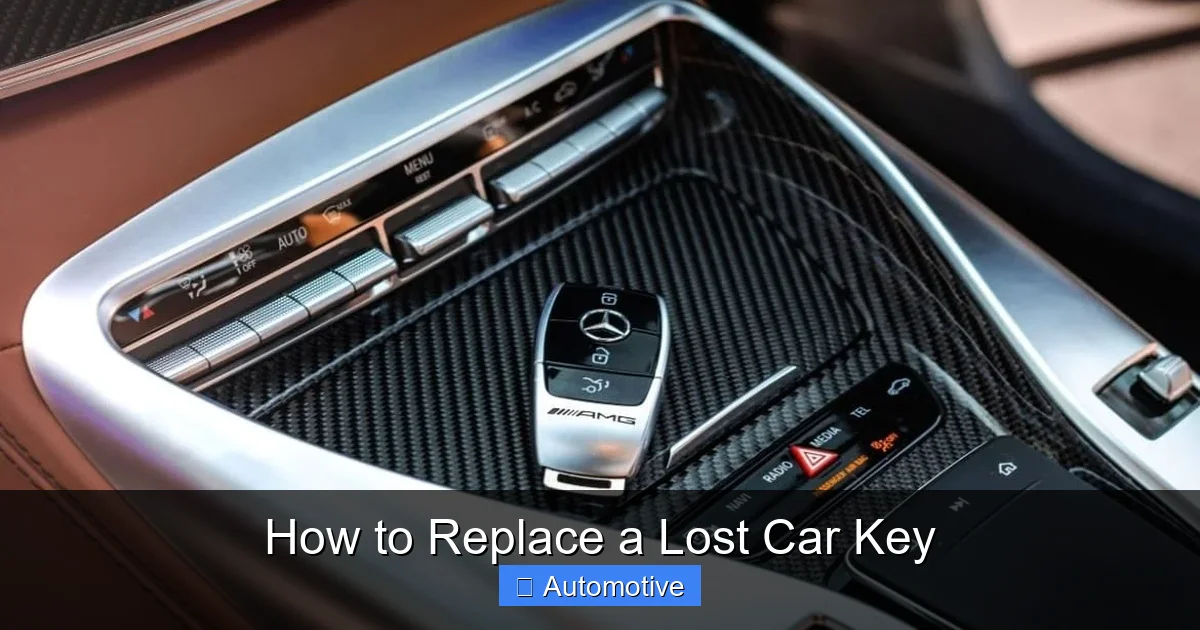
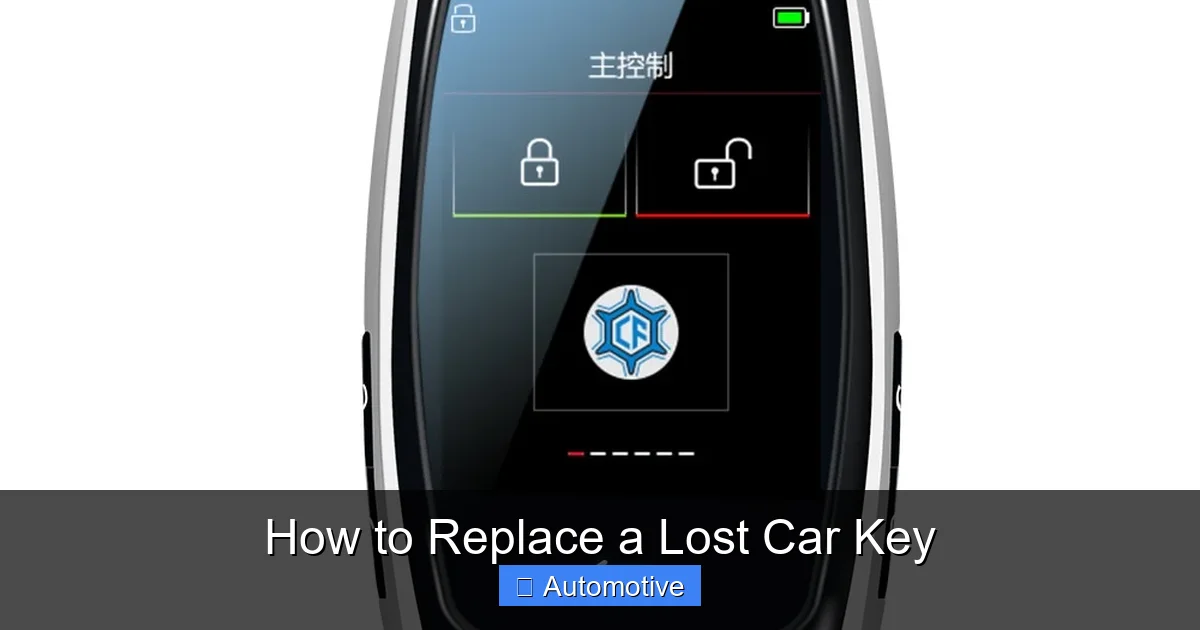
The most advanced type, smart keys allow you to unlock and start your car without ever taking the key out of your pocket. Sensors detect the key’s presence and enable push-button ignition. Found in luxury vehicles and many newer models (e.g., BMW, Mercedes, Lexus, Hyundai), these keys are essentially mini-computers with encrypted signals. Replacing a smart key is complex and expensive—often requiring dealership-level diagnostics and proprietary software. Costs can easily exceed $400, and in some cases, the entire system may need reprogramming.
Knowing your key type helps you set realistic expectations for cost, time, and who can help. If you’re unsure, check your owner’s manual or look up your vehicle’s make, model, and year online. Many automakers list key specifications on their websites.
Step 2: Gather Essential Information and Documents
Visual guide about How to Replace a Lost Car Key
Image source: carljarl.com
Once you’ve identified your key type, the next step is proving you’re the rightful owner of the vehicle. This isn’t just a formality—it’s a critical security measure to prevent theft and unauthorized key duplication.
Vehicle Identification Number (VIN)
Your VIN is a 17-character code unique to your car. You can find it on the driver’s side dashboard (visible through the windshield), on the door jamb sticker, in your insurance documents, or on your vehicle registration. The VIN tells locksmiths and dealerships everything they need to know about your car’s make, model, year, and factory-installed security features. It’s essential for ordering the correct key blank and programming it properly.
Proof of Ownership
You’ll need to show legal proof that you own the vehicle. Acceptable documents usually include:
– A valid vehicle registration card
– A title certificate (if recently purchased)
– Insurance policy listing you as the primary driver
– A notarized letter of authorization (if replacing a key for someone else)
Most reputable locksmiths and dealerships won’t proceed without this documentation. It protects both you and them from liability.
Personal Identification
Bring a government-issued photo ID (driver’s license, passport, etc.) that matches the name on your registration. This confirms your identity and ties it to the vehicle.
Additional Tips
– If you’ve lost *all* keys, some services may require extra verification, like a police report or a call to your insurance company.
– Keep digital copies of your VIN and registration on your phone for emergencies.
– If you’re renting or leasing, contact the leasing company—they may need to authorize the key replacement.
Having these items ready saves time and avoids delays. Imagine showing up to a locksmith empty-handed only to be turned away—it’s avoidable with a little preparation.
Step 3: Choose the Right Replacement Method
Visual guide about How to Replace a Lost Car Key
Image source: static.quickcreator.io
Now that you know your key type and have your documents, it’s time to decide how to get a new key. You generally have three options: the dealership, a certified automotive locksmith, or a DIY approach. Each has pros and cons.
Dealership
Going to your car’s manufacturer dealership guarantees compatibility and access to original equipment manufacturer (OEM) parts. They have the exact key blanks and programming tools for your specific vehicle. However, dealerships are often the most expensive option—especially for smart keys—and may require appointments or wait times. For example, replacing a Toyota smart key at a dealership might cost $350–$500, while a locksmith could do it for $200–$300.
Certified Automotive Locksmith
A professional locksmith who specializes in automotive keys is usually the best balance of speed, cost, and expertise. Many offer mobile services—they’ll come to your home, office, or roadside location with portable programming tools. Reputable locksmiths are licensed, insured, and trained to handle everything from basic cuts to advanced immobilizer programming. They often charge 30–50% less than dealerships and can complete the job in under an hour. Just be sure to verify their credentials and read reviews before hiring.
DIY Key Replacement (Limited Use Cases)
For very basic traditional keys (no chip), you might be able to get a copy made at a hardware store or big-box retailer like Walmart or Home Depot. Some stores even offer key-cutting kiosks. However, this won’t work for transponder, remote, or smart keys—those require programming that only professionals can perform. Attempting DIY programming with aftermarket tools can damage your car’s electronics or void warranties.
Online Key Services
A few companies now sell replacement keys online. You provide your VIN and vehicle details, and they ship a pre-cut and pre-programmed key. While convenient, this method carries risks: shipping delays, compatibility issues, and potential security concerns. It’s generally safer to use local, in-person services where you can verify the work immediately.
**Pro Tip:** Call ahead! Whether you choose a dealership or locksmith, call to confirm they can handle your key type and ask for a quote. This prevents surprises and helps you compare options.
Step 4: Understand the Programming Process

Visual guide about How to Replace a Lost Car Key
Image source: jaxdoornlock.com
If your key has a chip, remote, or smart function, programming is non-negotiable. Without it, the key won’t start the car—or may not even unlock the doors. Here’s what you need to know.
What Is Key Programming?
Programming syncs the electronic components of your key with your vehicle’s onboard computer. For transponder keys, the chip must “learn” the car’s unique code. For remote fobs, the buttons must be paired to the central locking system. Smart keys use encrypted rolling codes that change with each use, requiring advanced diagnostic tools to authenticate.
Can You Program a Key Yourself?
In rare cases—yes. Some older vehicles (e.g., early 2000s Ford or GM models) allow “on-board programming,” where you can add a new key by inserting existing ones in a specific sequence. Your owner’s manual will explain if this is possible. However, if you’ve lost *all* keys, this method won’t work—you’ll need professional help.
For most modern cars, programming requires specialized equipment like an OBD2 scanner or manufacturer-specific software. These tools cost thousands of dollars and are only available to dealerships and trained locksmiths.
Programming After Replacement
Even if a locksmith cuts your new key, they’ll likely need to program it on-site. This usually takes 10–30 minutes, depending on the vehicle. During this time, they’ll connect a diagnostic tool to your car’s port (usually under the dashboard) and follow a series of steps to register the key. Once complete, test the key thoroughly: try starting the car, locking/unlocking doors, and using any remote features.
**Important:** Never assume a newly cut key will work without programming. Always verify functionality before leaving the service location.
Step 5: Manage Costs and Explore Savings Options
Replacing a lost car key can be surprisingly expensive—especially if you’re unprepared. But with smart planning, you can minimize the financial hit.
Average Replacement Costs
Here’s a rough breakdown by key type:
– **Traditional metal key:** $10–$50
– **Transponder key:** $80–$200
– **Remote key fob:** $150–$400
– **Smart key:** $200–$500+
Prices vary by region, vehicle brand, and service provider. Luxury and import cars typically cost more due to proprietary technology.
Ways to Save Money
– **Use a locksmith instead of a dealership:** As mentioned, locksmiths often charge significantly less.
– **Ask about discounts:** Some locksmiths offer senior, military, or first-responder discounts.
– **Check your insurance:** Comprehensive auto insurance sometimes covers key replacement, especially if theft or vandalism was involved. Call your agent to confirm.
– **Roadside assistance perks:** Services like AAA, Allstate Motor Club, or manufacturer roadside programs may include key replacement or reimbursement.
– **Buy a spare in advance:** If you still have one working key, get a duplicate now—it’s cheaper than emergency replacement.
Beware of Scams
Unfortunately, unscrupulous locksmiths exist. Avoid “too good to be true” ads or unsolicited calls claiming to replace keys cheaply. Always verify licenses, read online reviews, and get a written estimate before work begins.
Step 6: Prevent Future Key Loss
Once you’ve replaced your lost key, take steps to avoid repeating the ordeal. A little prevention goes a long way.
Make and Store Spare Keys
As soon as you get your new key, make at least one high-quality duplicate. Store it in a secure but accessible place—like a locked drawer at home, with a trusted family member, or in a magnetic key box hidden on your car (though this carries some risk). Avoid keeping spares in obvious spots like under the doormat or in the glove compartment.
Use Key Finders or Trackers
Bluetooth trackers like Tile or Apple AirTag can attach to your keychain and help you locate lost keys via your smartphone. They’re inexpensive ($25–$40) and incredibly useful for frequent misplacers.
Establish a Key Routine
Designate a specific spot for your keys—a bowl by the door, a hook in the entryway, or a pocket in your bag. Consistency reduces the chance of forgetting where you put them.
Consider a Keyless Entry Upgrade
If you frequently lose keys, investing in a keyless entry system (like a smartphone app or fingerprint scanner) might be worth it. Some newer cars offer this factory, or you can install aftermarket systems.
Losing your car key is inconvenient, but it doesn’t have to be a crisis. With the right knowledge and preparation, you can replace it quickly, safely, and affordably—and maybe even learn a thing or two about your vehicle’s security features along the way.
Frequently Asked Questions
Can I replace a lost car key myself?
Only if it’s a basic traditional metal key with no chip or remote. Most modern keys require professional programming that can’t be done at home without specialized tools.
How long does it take to replace a lost car key?
A locksmith can often replace and program a key in under an hour. Dealerships may take longer due to scheduling and parts ordering, especially for smart keys.
Do I need all my keys to get a replacement?
No—but if you’ve lost all keys, the process is more complex and may require additional verification or system reprogramming. Having at least one working key simplifies things.
Will my car insurance cover a lost key?
Some comprehensive policies or roadside assistance plans may reimburse key replacement costs, particularly if theft is involved. Check your policy or call your insurer.
Can a locksmith really program a smart key?
Yes, many certified automotive locksmiths have the tools and training to program smart keys for most vehicle makes and models—often at a lower cost than dealerships.
What if I lost my key and my car is locked?
Call a professional locksmith or roadside assistance service. They can often unlock your car without damaging it and then proceed with key replacement on the spot.