How to Remove Tree Sap from Car Glass

Contents
- 1 Key Takeaways
- 2 📑 Table of Contents
- 3 Why Tree Sap Is a Problem for Car Glass
- 4 Common Causes of Tree Sap on Windshields
- 5 Safe and Effective Methods to Remove Tree Sap
- 6 Step-by-Step Guide to Removing Stubborn Sap
- 7 Preventing Tree Sap from Sticking to Your Car
- 8 What Not to Do When Removing Tree Sap
- 9 When to Call a Professional
- 10 Conclusion
- 11 Frequently Asked Questions



Tree sap on car glass is sticky, stubborn, and can damage your windshield if left untreated. This guide walks you through safe, effective methods to remove tree sap without scratching or harming your glass, using household items and professional tools.
Key Takeaways
- Act quickly: The sooner you remove tree sap, the easier it comes off and the less chance it has to etch into the glass.
- Use the right tools: Avoid abrasive scrubbers; opt for microfiber cloths, plastic scrapers, and non-abrasive cleaners.
- Household items work: Rubbing alcohol, vinegar, and hand sanitizer can dissolve sap without harsh chemicals.
- Protect surrounding areas: Tape off paint and rubber seals when using solvents to prevent damage.
- Prevent future buildup: Park under cover or use a car cover to minimize exposure to sap-dropping trees.
- Test first: Always do a spot test when trying a new cleaning method to ensure it won’t harm your glass or wipers.
- Know when to call a pro: If sap has baked on for weeks or caused etching, consult a detailer or glass specialist.
📑 Table of Contents
Why Tree Sap Is a Problem for Car Glass
If you’ve ever parked under a pine, maple, or sweetgum tree, you’ve probably come back to find your windshield dotted with sticky, amber-colored globs. That’s tree sap—and while it might look harmless, it’s anything but. Tree sap is a natural resin that trees secrete to seal wounds or protect against insects. When it lands on your car glass, especially the windshield, it can quickly become a major nuisance.
The real issue isn’t just the sticky mess. Tree sap is acidic and can bond tightly to glass surfaces. Over time, especially when exposed to heat from the sun, it hardens and becomes much harder to remove. If left too long, it can actually etch into the glass, leaving permanent marks or hazing that affects visibility. And because windshields are critical for safe driving, any obstruction—whether visual or physical—needs to be addressed promptly.
Another concern is that many people try to remove sap with the wrong tools. Using a metal scraper, harsh chemicals, or abrasive pads might seem like a quick fix, but they can scratch the glass or damage the delicate rubber seals around the windshield. That’s why knowing the right way to remove tree sap from car glass is essential—not just for cleanliness, but for safety and long-term vehicle care.
Common Causes of Tree Sap on Windshields

Visual guide about How to Remove Tree Sap from Car Glass
Image source: img.cabindiy.com
Understanding why tree sap ends up on your car in the first place can help you prevent it in the future. While it might seem random, there are actually several common scenarios that lead to sap buildup on car glass.
One of the most frequent causes is parking under or near sap-producing trees. Conifers like pine, fir, and spruce are well-known for dripping sap, especially during warm weather when the resin becomes more fluid. But deciduous trees like maples, elms, and sweetgum also produce sap, particularly in spring when they’re actively growing. Even if you don’t park directly under a tree, wind can carry sap droplets several feet, landing on nearby vehicles.
Another factor is the time of year. Spring and summer are peak seasons for sap flow. As temperatures rise, trees become more active, and sap production increases. This means your car is more likely to get hit during these months, especially after a warm day followed by a cool night—conditions that encourage sap to drip.
Weather also plays a role. Rain can wash away some sap, but it can also spread it, making it harder to spot. On the other hand, dry, sunny days cause sap to harden quickly, turning it into a tough, glass-like substance that’s much harder to remove. And if you live in an area with high humidity, sap can attract dust and dirt, forming a grimy film that’s even more stubborn.
Finally, some trees are just more prone to “bleeding” sap. Young trees or those that have been recently pruned are especially likely to ooze resin. If you notice a particular tree in your neighborhood that always seems to drop sap, it’s worth noting and avoiding parking near it when possible.
Safe and Effective Methods to Remove Tree Sap
Visual guide about How to Remove Tree Sap from Car Glass
Image source: img.cabindiy.com
When it comes to removing tree sap from car glass, the key is to use methods that are both effective and gentle. You want to dissolve the sap without scratching the glass or damaging the surrounding materials. Here are some of the safest and most reliable techniques, starting with the simplest household solutions.
Method 1: Rubbing Alcohol (Isopropyl Alcohol)
Rubbing alcohol is one of the most effective and accessible solutions for removing tree sap. It’s a solvent that breaks down the resin without harming glass. Here’s how to use it:
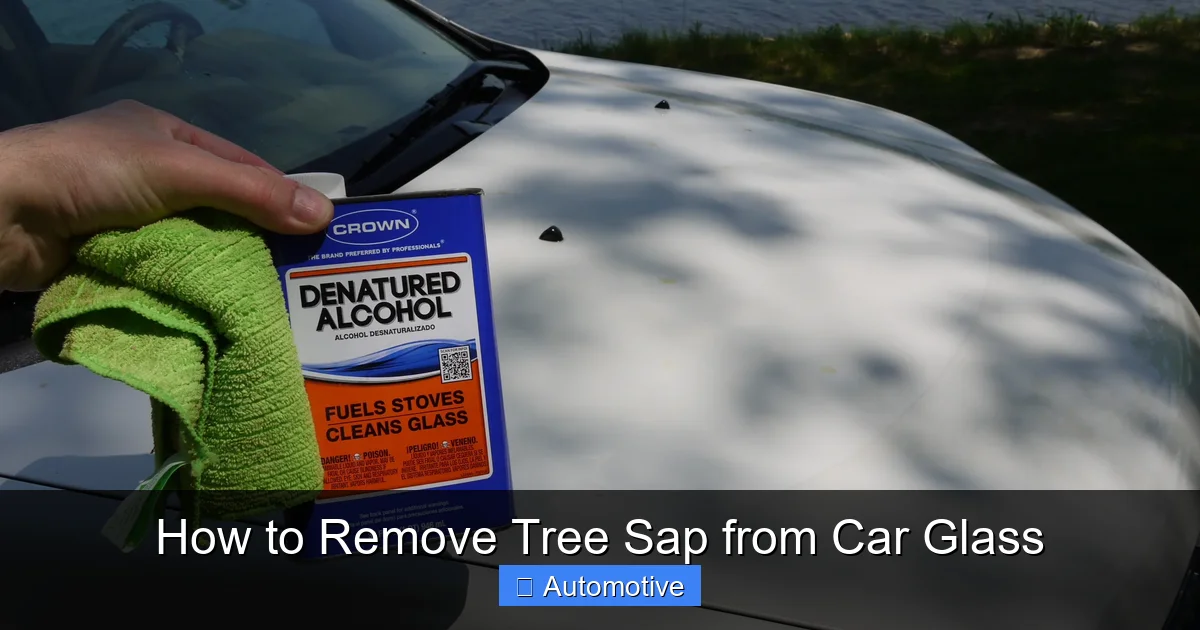
First, gather your supplies: a bottle of 70% or higher isopropyl alcohol, a clean microfiber cloth, and a plastic razor blade or credit card (for stubborn spots). Start by dampening a corner of the cloth with alcohol—don’t pour it directly onto the glass, as it can seep into seals or damage paint.
Gently rub the sap spot in a circular motion. You’ll notice the sap start to soften and lift. For larger or older deposits, let the alcohol sit for 30–60 seconds before wiping. If the sap is particularly tough, use the plastic scraper at a low angle to gently lift it off. Never use metal scrapers—they can scratch the glass.
After removing the sap, wipe the area with a clean, damp cloth to remove any residue, then dry with a fresh microfiber towel. This method works well on windshields, side windows, and even rear glass.
Method 2: Hand Sanitizer
Yes, hand sanitizer! Many hand sanitizers contain alcohol and glycerin, which help dissolve sap while being gentle on surfaces. This is a great option if you don’t have rubbing alcohol on hand.
Apply a small amount of hand sanitizer directly to the sap spot. Let it sit for about a minute to penetrate the resin. Then, use a microfiber cloth to wipe it away. For stubborn spots, repeat the process or use a plastic scraper as described above.
One tip: choose a clear, alcohol-based sanitizer without added dyes or fragrances, as these can leave stains. After cleaning, rinse the area with water and dry thoroughly.
Method 3: Vinegar and Water Solution
White vinegar is a natural cleaner that can help break down sap, especially when combined with water. Mix equal parts white vinegar and water in a spray bottle. Spray the solution onto the sap and let it sit for 2–3 minutes.
Use a soft cloth to wipe the area. The acidity of the vinegar helps loosen the sap, making it easier to remove. This method is less aggressive than alcohol, so it’s a good first step for light sap buildup.
For best results, follow up with a rinse using plain water and dry with a microfiber cloth. Avoid using vinegar on tinted windows or rubber seals for extended periods, as it can degrade them over time.
Method 4: Commercial Glass Cleaners with Solvents
There are several commercial products designed specifically for removing tree sap and other tough residues from car glass. Look for cleaners labeled as “sap removers” or “tar and sap dissolvers.” These often contain mild solvents like citrus extracts or isopropyl alcohol.
Popular brands include Goo Gone Automotive, 303 Tarminator, and Invisible Glass with Rain Repellent. Always read the label to ensure the product is safe for automotive glass and won’t damage paint or trim.
To use, apply the cleaner to a cloth (not directly on the glass), then gently rub the sap spot. Let it sit for the recommended time—usually 30–60 seconds—then wipe clean. Follow up with a standard glass cleaner to remove any oily residue.
Method 5: Warm Soapy Water and Patience
For fresh sap that hasn’t hardened, sometimes the simplest method works best. Mix a few drops of mild dish soap with warm water. Soak a soft cloth in the solution and place it over the sap for 5–10 minutes. The warmth and moisture help soften the resin.
After soaking, gently wipe the area with the cloth. If needed, use a plastic scraper to lift the softened sap. This method is ideal for small spots or when you want to avoid chemicals altogether.
Step-by-Step Guide to Removing Stubborn Sap
Visual guide about How to Remove Tree Sap from Car Glass
Image source: img.cabindiy.com
Sometimes, tree sap has been sitting on your windshield for days—or even weeks. It’s hardened, baked on by the sun, and seems impossible to remove. Don’t worry. With the right approach, even the most stubborn sap can be cleared safely.
Step 1: Assess the Situation
Before you start, take a close look at the sap. Is it fresh and sticky, or hard and shiny? Is it on the windshield, side windows, or rear glass? Are there multiple spots? This will help you choose the best method and tools.
If the sap is near the edge of the windshield or close to the rubber seal, be extra careful. Solvents can degrade rubber over time, so avoid letting them pool in these areas.
Step 2: Soften the Sap
Hardened sap needs to be softened before it can be removed. Start by applying a generous amount of rubbing alcohol or hand sanitizer directly to the spot. Let it sit for 2–3 minutes. You can also use a warm, damp cloth to cover the area for 10–15 minutes—the heat helps break down the resin.
For very old sap, you might need to repeat this step a few times. Patience is key. Rushing can lead to scratches or damage.
Step 3: Gently Scrape (If Needed)
Once the sap is soft, use a plastic razor blade or an old credit card to gently lift it off. Hold the tool at a low angle (about 15–20 degrees) and scrape in one direction—don’t saw back and forth. This reduces the risk of scratching.
If the sap doesn’t come off easily, apply more solvent and wait longer. Never force it. Forcing can damage the glass or leave behind micro-scratches that scatter light and reduce visibility.
Step 4: Wipe and Clean
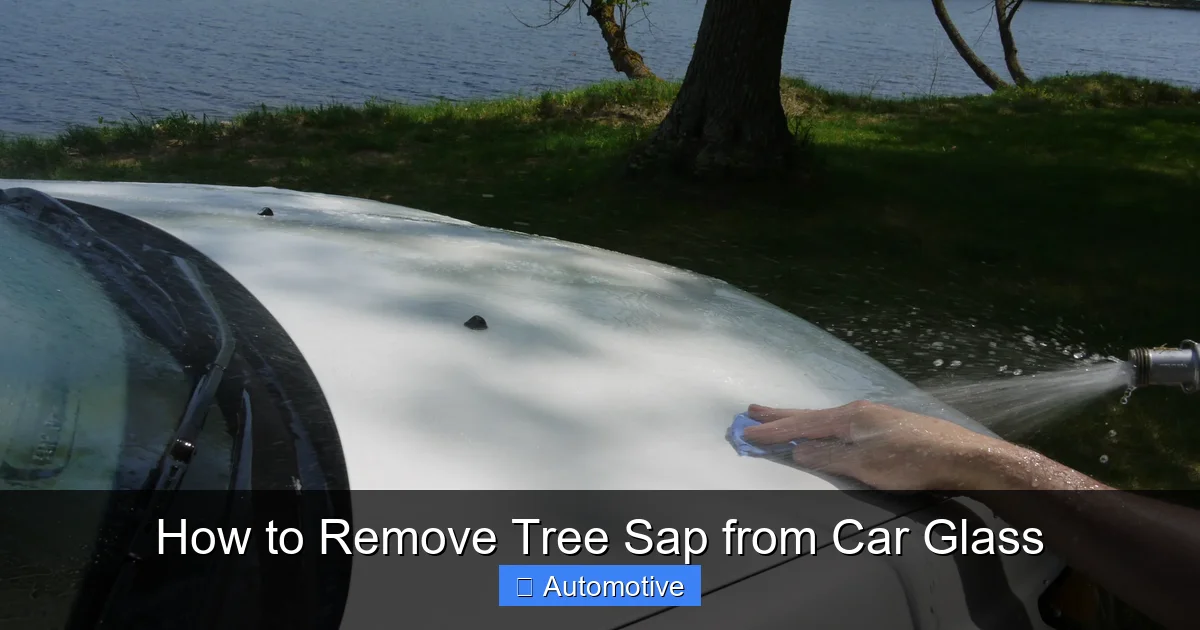
After removing the bulk of the sap, wipe the area with a clean microfiber cloth dampened with your chosen cleaner. Follow up with a rinse using plain water to remove any residue.
Finally, dry the glass thoroughly with a fresh, dry microfiber towel. This prevents water spots and ensures a clear, streak-free finish.
Step 5: Inspect and Repeat if Necessary
Check the area under good lighting. If you see any remaining residue or haze, repeat the process. Sometimes a second application is needed for complete removal.
Once the glass is clean, apply a glass sealant or rain repellent (like Rain-X) to help prevent future sap from sticking as easily.
Preventing Tree Sap from Sticking to Your Car
The best way to deal with tree sap is to avoid it altogether. While you can’t control the trees, you can take steps to minimize your car’s exposure.
Choose Your Parking Spot Wisely
Whenever possible, park in a garage or under a carport. If that’s not an option, look for shaded areas away from sap-producing trees. Pay attention to the types of trees in your neighborhood—pines, maples, and sweetgums are common culprits.
If you must park under a tree, try to position your car so the windshield isn’t directly beneath heavy branches. Even a few feet can make a difference.
Use a Car Cover
A high-quality car cover is one of the most effective ways to protect your vehicle from sap, bird droppings, and other environmental hazards. Look for a breathable, waterproof cover that fits your car snugly.
For daily use, a lightweight, foldable cover is convenient. If you park outside long-term, consider a heavier-duty model with UV protection.
Apply a Protective Coating
Glass sealants and ceramic coatings can create a hydrophobic barrier that makes it harder for sap to adhere. Products like Rain-X or ceramic glass treatments repel water and contaminants, making cleanup easier.
These coatings don’t prevent sap from landing, but they do make it easier to wipe off before it hardens. Reapply every few months for best results.
Regular Maintenance
Make it a habit to inspect your windshield weekly, especially during spring and summer. Spotting sap early makes removal much easier. Keep a small bottle of rubbing alcohol and a microfiber cloth in your car for quick touch-ups.
Also, clean your windshield regularly with a quality glass cleaner. A clean surface is less likely to trap sap and dirt.
What Not to Do When Removing Tree Sap
While there are many safe ways to remove tree sap, there are also several common mistakes that can do more harm than good. Avoid these pitfalls to protect your car glass.
Don’t Use Metal Scrapers
Metal razor blades or putty knives might seem effective, but they can easily scratch automotive glass. Even minor scratches can distort your view, especially at night when headlights hit them.
Stick to plastic scrapers or credit cards. They’re gentle yet effective when used correctly.
Don’t Use Harsh Chemicals
Avoid acetone, nail polish remover, or brake cleaner. These solvents are too strong and can damage paint, rubber seals, and even the glass itself. They may also leave behind a hazy film.
Stick to mild, automotive-safe cleaners or household items like alcohol and vinegar.
Don’t Scrub Aggressively
Scrubbing too hard with abrasive pads or paper towels can create micro-scratches. Always use soft microfiber cloths and gentle pressure.
If the sap isn’t coming off, it’s better to reapply solvent and wait than to force it.
Don’t Ignore the Surrounding Areas
When using solvents, be careful not to let them drip onto your car’s paint or rubber trim. Tape off the edges of the windshield with painter’s tape to protect these areas.
Also, avoid spraying cleaners directly onto the glass—apply them to the cloth first to control the amount used.
When to Call a Professional
Most tree sap can be removed at home with the right tools and techniques. But there are times when it’s best to leave it to the experts.
If the sap has been on the glass for several weeks and has started to etch or haze the surface, a professional detailer may be able to polish it out. They have specialized tools like dual-action polishers and glass compounds that can restore clarity.
Similarly, if you’ve tried multiple methods and the sap won’t budge, or if you’re unsure about using chemicals on your specific type of glass (like heated or tinted windows), consult a professional.
Auto glass shops and mobile detailing services often offer sap removal as part of their services. While it may cost $50–$100, it’s a small price to pay to protect your windshield and ensure safe driving.
Conclusion
Tree sap on car glass is a common but manageable problem. With the right knowledge and tools, you can remove it safely and effectively without damaging your windshield. The key is to act quickly, use gentle methods, and avoid common mistakes like harsh chemicals or metal scrapers.
Start with simple household solutions like rubbing alcohol or hand sanitizer, and escalate to commercial products only if needed. Always protect surrounding areas, test new cleaners first, and consider preventive measures like car covers or glass sealants.
By following the steps in this guide, you’ll keep your windshield clear, your visibility sharp, and your car looking its best—no matter how many trees are in your neighborhood.
Frequently Asked Questions
Can tree sap damage car glass permanently?
Yes, if left untreated, tree sap can etch into the glass, especially when exposed to heat and sunlight. This can cause permanent hazing or pitting that affects visibility and may require professional polishing or replacement.
Is it safe to use Goo Gone on car glass?
Goo Gone Automotive is generally safe for car glass when used as directed. However, avoid contact with paint and rubber seals, and always rinse thoroughly after use. Test on a small area first.
How long can tree sap stay on glass before it becomes a problem?
Ideally, remove tree sap within 24–48 hours. The longer it sits, the harder it becomes and the greater the risk of etching. Fresh sap is much easier to remove than hardened sap.
Can I use WD-40 to remove tree sap?
WD-40 can help loosen sap, but it’s not recommended for regular use on glass. It can leave an oily residue and may damage rubber seals. Use rubbing alcohol or a dedicated sap remover instead.
Will vinegar damage my windshield?
Diluted white vinegar is generally safe for short-term use on glass. However, avoid prolonged exposure, especially on tinted windows or rubber seals, as it can degrade them over time.
Should I use a glass sealant after removing sap?
Yes, applying a glass sealant or rain repellent after cleaning helps prevent future sap from sticking and makes future cleanups easier. Reapply every few months for best protection.