How to Remove Tar from Car Glass

Contents
- 1 Key Takeaways
- 2 📑 Table of Contents
- 3 Why Tar Sticks to Car Glass—And Why It’s a Problem
- 4 Common Causes of Tar on Car Glass
- 5 Tools and Products You’ll Need to Remove Tar
- 6 Step-by-Step Guide to Safely Remove Tar from Car Glass
- 7 Alternative Methods for Stubborn or Baked-On Tar
- 8 Preventing Tar Buildup on Your Car Glass
- 9 Common Mistakes to Avoid When Removing Tar
- 10 When to Call a Professional
- 11 Conclusion
- 12 Frequently Asked Questions

Liquid Car Polish

Car Shampoo Concentrate

Car LED Headlight Bulb

Car Sunshade for Windshield
Tar on car glass is stubborn but removable with the right approach. This guide covers safe, effective techniques using household items and professional products to clean your windshield and windows without scratches or damage.
Key Takeaways
- Act quickly: The sooner you remove tar, the easier it is to prevent it from bonding to the glass surface.
- Use gentle solvents: Products like WD-40, rubbing alcohol, or commercial tar removers break down tar without harming glass or paint.
- Avoid abrasive tools: Steel wool or harsh scrubbers can scratch glass—opt for microfiber cloths or plastic scrapers instead.
- Protect surrounding areas: Tape off rubber seals and paint to prevent accidental damage during cleaning.
- Wash and wax after removal: Always follow up with a thorough wash and glass sealant to restore shine and protection.
- Prevent future buildup: Regular cleaning and parking away from roadwork zones reduces tar exposure.
- Test first: Always do a spot test when using new cleaners to ensure compatibility with your vehicle’s glass and trim.
📑 Table of Contents
- Why Tar Sticks to Car Glass—And Why It’s a Problem
- Common Causes of Tar on Car Glass
- Tools and Products You’ll Need to Remove Tar
- Step-by-Step Guide to Safely Remove Tar from Car Glass
- Alternative Methods for Stubborn or Baked-On Tar
- Preventing Tar Buildup on Your Car Glass
- Common Mistakes to Avoid When Removing Tar
- When to Call a Professional
- Conclusion
Why Tar Sticks to Car Glass—And Why It’s a Problem
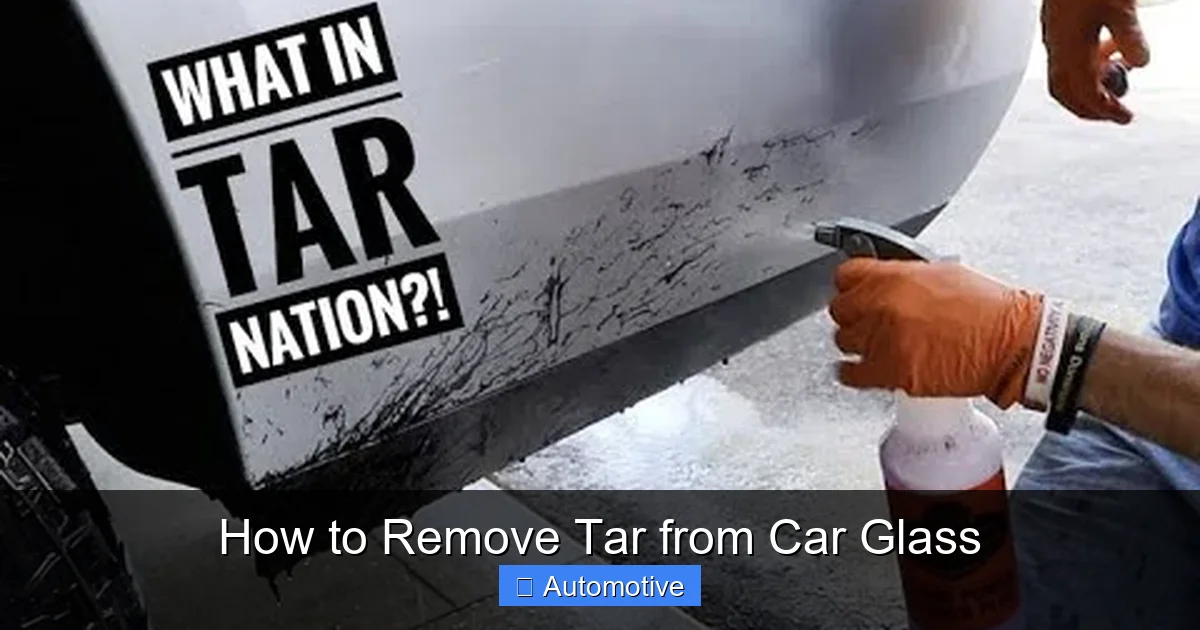
If you’ve ever driven behind a paving truck or passed through a freshly resurfaced road, you’ve probably seen it: tiny black specks splattered across your windshield, side windows, or even rear glass. That sticky, gooey substance is tar—a byproduct of asphalt production used in road construction. While it might seem harmless at first, tar can quickly become a major nuisance—and even a safety hazard—if left untreated.
Tar is designed to be durable and weather-resistant, which makes it incredibly difficult to remove once it bonds to surfaces. When it lands on your car glass, it doesn’t just look unsightly. Over time, exposure to heat, sunlight, and moisture can cause the tar to harden and penetrate microscopic pores in the glass. This makes it tougher to clean and can lead to permanent staining or cloudiness. Worse, if tar builds up near the wiper blades or along the edges of the windshield, it can interfere with visibility, especially during rain or nighttime driving.
But here’s the good news: tar isn’t invincible. With the right tools, techniques, and a little patience, you can remove it safely and restore your glass to crystal-clear condition. The key is acting fast—before the tar cures—and using methods that dissolve or loosen it without scratching or damaging the glass or surrounding components like rubber seals and paint.
Common Causes of Tar on Car Glass
Visual guide about How to Remove Tar from Car Glass
Image source: automototips.com
Understanding how tar ends up on your car is the first step toward preventing it. While road construction is the most obvious culprit, there are several other ways tar can find its way onto your vehicle’s glass.
Driving Through Freshly Paved Roads
This is by far the most common cause. When asphalt is laid down, it’s hot and soft—often exceeding 300°F (150°C). As vehicles drive over it, tiny droplets can splash upward, especially from trucks or heavy machinery. These droplets cool rapidly in the air and harden into sticky globs that cling to your car’s undercarriage, wheels, and glass.
Even if you’re not directly behind a paving machine, you can still pick up tar. Wind can carry fine particles several car lengths away, and if you drive over a section that hasn’t fully cooled, your tires can pick up residue and fling it onto your windshield.
Proximity to Construction Zones
Even if you’re not driving through active paving, simply passing near a construction site can expose your car to tar. Workers often use tar-based sealants, primers, or adhesives that can aerosolize in the air or drip from equipment. If you park near such a site—or drive past it regularly—your car may accumulate tar over time.
Accidental Contact with Tarred Surfaces
Sometimes, tar gets on your car through direct contact. For example, if you lean against a freshly painted fence, touch a tarred roof, or even brush against a construction worker’s gloves, you might transfer tar to your clothing—and eventually to your car’s interior or exterior.
Older Vehicles and Road Debris
Older roads may have degraded asphalt that sheds tar particles, especially during hot weather. Additionally, debris from damaged pavement or pothole repairs can contain tar-like substances that get kicked up by traffic.
Parking Near Industrial Areas
Factories, roofing supply stores, or asphalt plants often handle large quantities of tar and bitumen. Windborne particles from these sites can settle on parked vehicles, including glass surfaces.
Recognizing these sources helps you take preventive measures—like avoiding freshly paved roads when possible or washing your car more frequently during construction season.
Tools and Products You’ll Need to Remove Tar
Visual guide about How to Remove Tar from Car Glass
Image source: i.ytimg.com
Before you start scrubbing, gather the right tools and cleaning agents. Using the wrong product or tool can do more harm than good, so it’s important to choose wisely.
Household Solvents
You don’t always need to buy specialty cleaners. Many common household items can effectively dissolve tar:
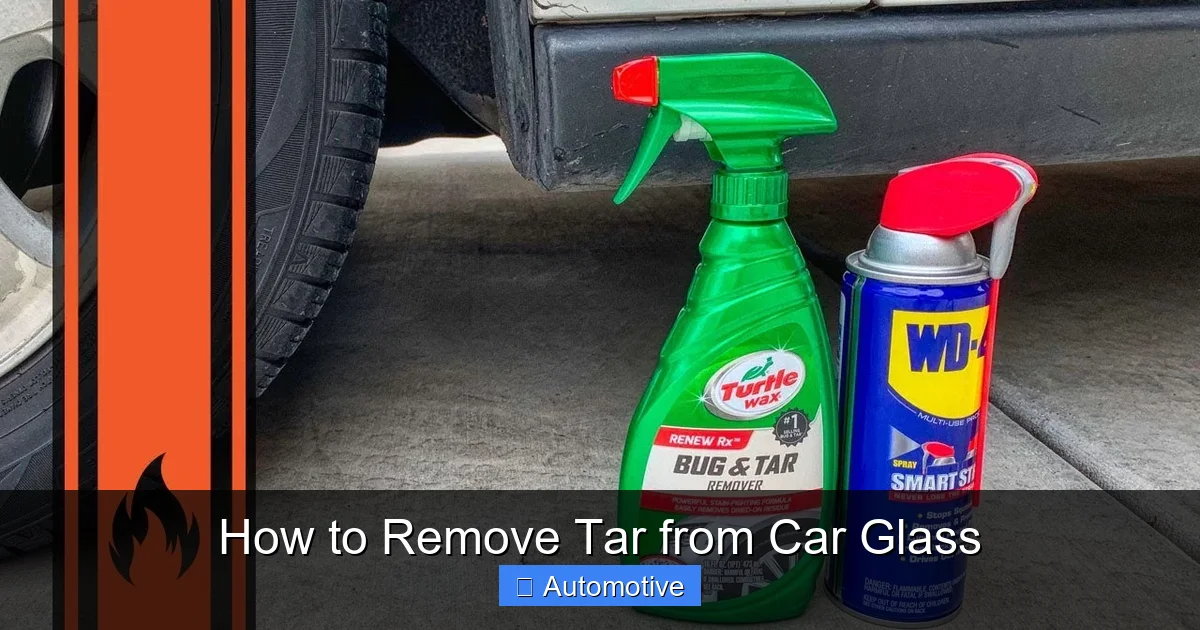
– **WD-40**: Originally designed to displace water, WD-40 is also a powerful solvent for grease, oil, and tar. Spray it on, let it sit for a few minutes, then wipe away.
– **Rubbing Alcohol (Isopropyl Alcohol)**: A 70% or higher concentration works well. It evaporates quickly and won’t leave residue.
– **Nail Polish Remover (Acetone-based)**: Effective but use with caution—acetone can damage paint and plastic trim. Always test in a small area first.
– **Peanut Butter or Olive Oil**: Surprisingly, oils can break down tar by penetrating its structure. Apply, wait 10–15 minutes, then wipe off with a cloth.
Commercial Tar and Bug Removers
For tougher jobs, consider a dedicated product:
– **Goo Gone Automotive**: Specifically formulated for cars, it’s safe for glass, paint, and rubber.
– **3M Adhesive Remover**: Excellent for stubborn tar and residue.
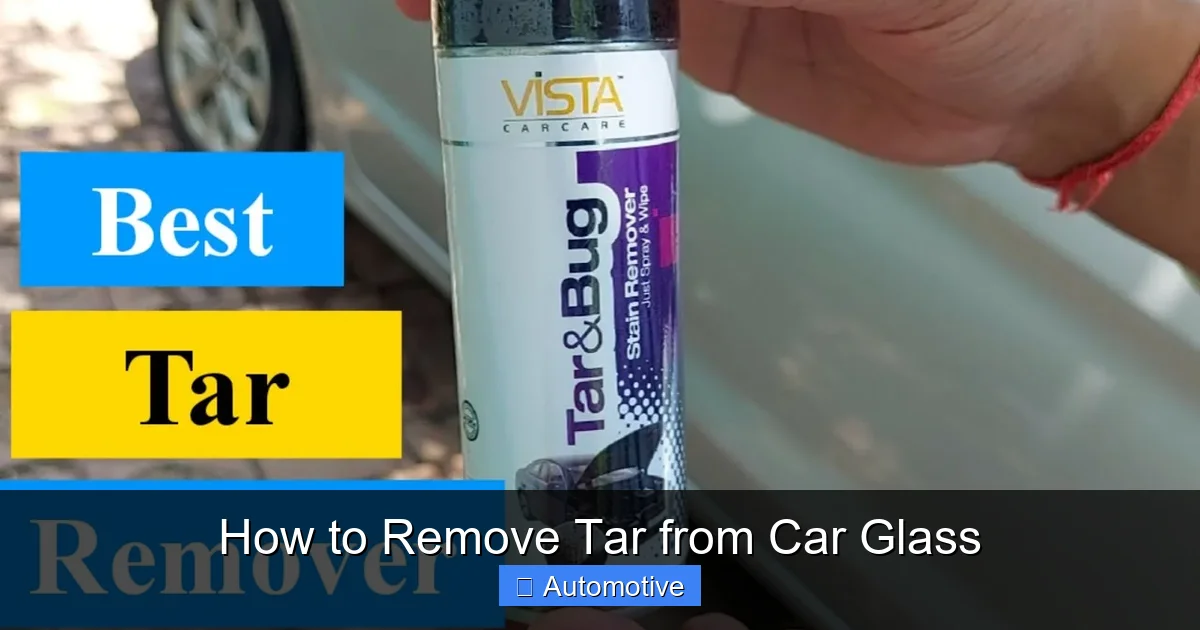
– **Meguiar’s Bug and Tar Remover**: Popular among car enthusiasts for its effectiveness and gentle formula.
These products are widely available at auto parts stores and online. Always read the label to ensure compatibility with automotive glass.
Cleaning Tools
The right tools prevent scratches and make the job easier:
– **Microfiber Cloths**: Soft, lint-free, and non-abrasive. Use separate cloths for applying cleaner and wiping.
– **Plastic Razor Blades or Scrapers**: Ideal for gently lifting hardened tar without scratching glass. Avoid metal scrapers.
– **Soft-Bristled Brush**: Useful for loosening tar in tight spots, like around wiper arms or window edges.
– **Spray Bottle**: For applying water or diluted cleaners.
– **Painter’s Tape**: To protect rubber seals, trim, and paint from accidental contact with solvents.
Safety Gear
While most tar removal methods are low-risk, it’s smart to protect yourself:
– **Gloves**: Nitrile or rubber gloves prevent skin irritation from solvents.
– **Safety Glasses**: Especially if using aerosol sprays or working near the windshield.
– **Ventilation**: Work in a well-ventilated area, especially when using strong chemicals.
Having these items ready will save time and reduce frustration during the cleaning process.
Step-by-Step Guide to Safely Remove Tar from Car Glass
Visual guide about How to Remove Tar from Car Glass
Image source: i.ytimg.com
Now that you’re equipped, let’s walk through a proven method to remove tar from your car glass. This process works for windshields, side windows, and rear glass.
Step 1: Prepare the Area
Start by parking your car in a shaded, flat area. Direct sunlight can cause cleaners to dry too quickly, reducing their effectiveness. Turn off the engine and ensure the glass is cool to the touch.
Next, tape off any rubber seals, trim, or painted surfaces near the affected area using painter’s tape. This protects them from accidental exposure to solvents, which can cause discoloration or damage.
Step 2: Rinse the Glass
Use a hose or bucket of water to rinse the glass. This removes loose dirt and debris that could scratch the surface during cleaning. Avoid high-pressure washers, as they can force water into seals or damage wiper blades.
Step 3: Apply the Cleaning Solution
Choose your preferred cleaner based on availability and tar severity:
– For light tar: Spray WD-40 or apply rubbing alcohol with a cloth.
– For moderate tar: Use a commercial tar remover or dab on peanut butter.
– For heavy, baked-on tar: Try acetone (with caution) or a dedicated adhesive remover.
Apply the cleaner directly to the tar spots. Don’t dilute it unless instructed. Let it sit for 2–5 minutes to penetrate and soften the tar. For very stubborn spots, you may need to reapply.
Step 4: Gently Scrub or Wipe
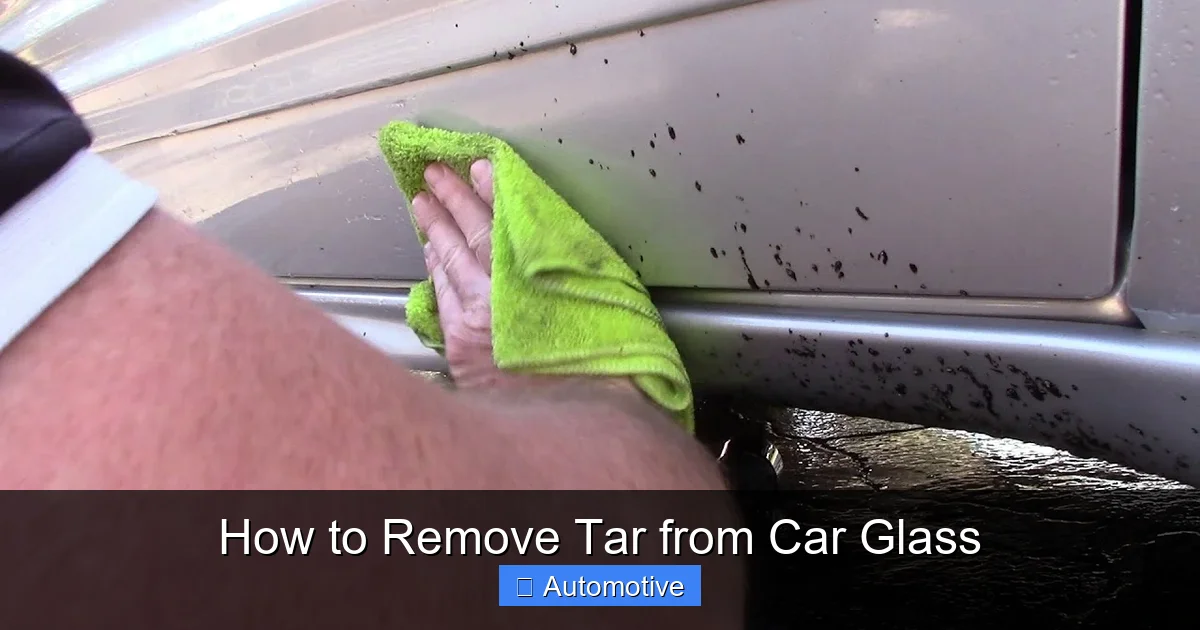
Using a microfiber cloth, gently rub the tar in circular motions. Avoid pressing too hard—let the solvent do the work. If the tar is still sticky, use a plastic scraper at a shallow angle to lift it off. Never use metal tools or excessive force.
For tight areas, like around the wiper blade base, use a soft-bristled brush dipped in cleaner to loosen the tar.
Step 5: Rinse and Inspect
Once the tar is removed, rinse the glass thoroughly with clean water. Check for any remaining residue. If you spot leftover tar, repeat the process.
Step 6: Dry and Polish
Dry the glass with a clean, dry microfiber cloth. For extra shine, follow up with a glass cleaner like Invisible Glass or Windex. Spray it on and wipe in a circular motion for a streak-free finish.
Step 7: Protect the Glass
To prevent future buildup, consider applying a glass sealant or rain repellent like Rain-X. These products create a hydrophobic layer that makes it harder for tar, bugs, and water to stick.
Alternative Methods for Stubborn or Baked-On Tar
Sometimes, tar has been on the glass for days or weeks and has hardened into a crusty layer. In these cases, standard methods may not be enough. Here are advanced techniques for tough jobs.
Using Heat to Soften Tar
Heat can make tar more pliable. Use a hairdryer or heat gun on a low setting to warm the affected area for 30–60 seconds. Be careful not to overheat the glass, as rapid temperature changes can cause cracking. Once the tar softens, apply your cleaner and wipe it away.
Overnight Soaking with Oil
For deeply embedded tar, try an overnight treatment. Apply a thick layer of olive oil, coconut oil, or even mayonnaise to the spots. Cover with plastic wrap to prevent evaporation. In the morning, wipe off with a cloth. The oil penetrates the tar, breaking it down over time.
Commercial Clay Bars
Detailing clay bars are designed to remove contaminants from paint and glass. Lubricate the area with a clay lubricant or soapy water, then gently glide the clay over the tar. It will pick up the residue like magic. This method is especially effective for fine tar particles that cling to the surface.
Professional Detailing Services
If DIY methods fail or you’re short on time, consider a professional detailer. They have access to industrial-grade solvents and tools that can remove even the most stubborn tar without risking damage.
Preventing Tar Buildup on Your Car Glass
An ounce of prevention is worth a pound of cure. While you can’t always avoid tar, you can reduce your exposure and make future cleanups easier.
Avoid Freshly Paved Roads
If possible, reroute your commute to avoid roads under construction. If you must drive through them, keep a safe distance from paving equipment and drive slowly to minimize splatter.
Wash Your Car Regularly
Frequent washing—especially during construction season—helps remove tar before it hardens. Aim to wash your car every 1–2 weeks, focusing on the windshield and front end.
Use a Windshield Protector
Apply a ceramic coating or glass sealant every few months. These treatments create a slick surface that repels tar, bugs, and water.
Park Strategically
Avoid parking near construction zones, industrial areas, or freshly paved driveways. If you must park outside, consider using a car cover.
Keep Cleaning Supplies Handy
Store a small bottle of tar remover and a microfiber cloth in your car. If you spot tar early, you can treat it immediately—before it becomes a bigger problem.
Common Mistakes to Avoid When Removing Tar
Even with the best intentions, it’s easy to make mistakes that can damage your car or make the problem worse.
Using Abrasive Tools
Steel wool, rough sponges, or metal scrapers can scratch glass, creating permanent marks that scatter light and reduce visibility. Always use soft cloths or plastic tools.
Applying Too Much Force
Pressing hard won’t speed up the process—it’ll just increase the risk of damage. Let the solvent work, and use gentle pressure.
Ignoring Surrounding Materials
Solvents like acetone or strong cleaners can damage rubber seals, paint, and plastic trim. Always tape off these areas and wipe away excess cleaner promptly.
Using Household Cleaners Not Designed for Cars
Bleach, ammonia-based cleaners, or all-purpose sprays may seem convenient, but they can degrade glass coatings or leave streaks. Stick to automotive-safe products.
Skipping the Final Wash
After removing tar, always wash the glass with soap and water to remove any chemical residue. This prevents long-term damage and ensures a clean finish.
When to Call a Professional
While most tar removal jobs can be handled at home, there are times when it’s best to leave it to the experts.
If the tar has been on the glass for weeks and has hardened into a thick, crusty layer, professional tools like steam cleaners or specialized solvents may be needed. Similarly, if you’re unsure about using chemicals or don’t have the time, a detailer can do the job quickly and safely.
Additionally, if you notice any cracks, chips, or damage to the glass during cleaning, stop immediately and consult a glass repair specialist. Attempting to remove tar from compromised glass can worsen the issue.
Conclusion
Tar on car glass is more than just an eyesore—it’s a potential safety hazard that can impair visibility and damage your vehicle over time. But with the right knowledge and tools, you can remove it safely and effectively. From quick fixes using household items to advanced techniques for stubborn buildup, this guide equips you with everything you need to keep your windshield and windows crystal clear.
Remember: act fast, use gentle methods, protect surrounding areas, and always follow up with a thorough wash and polish. By incorporating regular maintenance and preventive measures, you can minimize tar exposure and enjoy a cleaner, safer driving experience.
Whether you’re dealing with a few specks or a full-blown tar storm, don’t panic. With patience and the right approach, your car glass will be spotless in no time.
Frequently Asked Questions
Can I use vinegar to remove tar from car glass?
Vinegar is mildly acidic and can help dissolve some residues, but it’s not strong enough for most tar. It’s better suited for water spots or light grime. For tar, use a dedicated solvent like WD-40 or rubbing alcohol.
Will tar remover damage my car’s paint?
Most automotive tar removers are safe for paint when used correctly. However, always test in a small, hidden area first and avoid letting the product sit too long. Rinse thoroughly after use.
How long should I let the cleaner sit on the tar?
Generally, 2–5 minutes is sufficient. For hardened tar, you may need to reapply or let it sit longer—up to 10 minutes. Avoid letting it dry completely, as this reduces effectiveness.
Can I use a metal scraper on car glass?
No. Metal scrapers can scratch glass, especially if used with pressure. Always use a plastic scraper or razor blade designed for automotive use.
Is it safe to use acetone on car windows?
Acetone is effective but harsh. It can damage paint, rubber, and plastic trim. Use it sparingly, only on glass, and always protect surrounding areas with tape.
How often should I clean my car to prevent tar buildup?
During construction season or in high-traffic areas, wash your car every 1–2 weeks. In normal conditions, monthly washing is usually sufficient to prevent tar and debris accumulation.