How to Remove Spray Paint from Car Glass

Contents
- 1 Key Takeaways
- 2 📑 Table of Contents
- 3 How to Remove Spray Paint from Car Glass
- 4 Understanding the Problem: Why Spray Paint Sticks to Glass
- 5 Tools and Materials You’ll Need
- 6 Step-by-Step Methods to Remove Spray Paint
- 7 Safety Tips and Common Mistakes to Avoid
- 8 Preventing Future Spray Paint Incidents
- 9 Final Thoughts: Restoring Clarity and Confidence
- 10 Frequently Asked Questions

Car Wax Polish

Car Interior LED Light

Magnetic Car Phone Mount

Car Scratch Remover
Removing spray paint from car glass can seem daunting, but with the right tools and techniques, it’s entirely doable. Whether it’s accidental overspray or vandalism, this guide walks you through safe, effective methods to restore your windshield and windows without scratching or damaging the glass.
Key Takeaways
- Act quickly: The sooner you address spray paint, the easier it is to remove before it fully cures.
- Use the right tools: Razor blades, plastic scrapers, and microfiber cloths help avoid scratches on glass surfaces.
- Choose safe cleaners: Isopropyl alcohol, vinegar, or commercial glass cleaners are effective and gentle on automotive glass.
- Avoid abrasive pads: Steel wool or harsh scrubbers can scratch glass and reduce visibility.
- Test first: Always test any cleaning solution on a small, inconspicuous area to ensure it doesn’t damage tinting or coatings.
- Protect surrounding areas: Mask off paint, trim, and rubber seals to prevent accidental damage during cleaning.
- Consider professional help: For large or stubborn overspray, a detailer or auto glass specialist may be the safest option.
📑 Table of Contents
- How to Remove Spray Paint from Car Glass
- Understanding the Problem: Why Spray Paint Sticks to Glass
- Tools and Materials You’ll Need
- Step-by-Step Methods to Remove Spray Paint
- Safety Tips and Common Mistakes to Avoid
- Preventing Future Spray Paint Incidents
- Final Thoughts: Restoring Clarity and Confidence
How to Remove Spray Paint from Car Glass
We’ve all been there—driving down the road, minding our own business, when suddenly you notice something strange on your windshield. Maybe it’s a splatter of neon green near the wiper blade, or a fine mist of silver across the driver’s side window. Spray paint on car glass is more common than you might think. It can happen during a DIY paint job gone wrong, from nearby construction, or even as an act of vandalism. Whatever the cause, the good news is that removing spray paint from car glass is usually straightforward—if you know what you’re doing.
Unlike paint on your car’s body, glass is non-porous and smooth, which actually makes it easier to clean. However, the challenge lies in doing it safely. You want to remove the paint without scratching the glass, damaging window tinting, or harming surrounding rubber seals and paint. That’s why using the right tools and techniques is crucial. In this guide, we’ll walk you through step-by-step methods to remove spray paint from car glass, from quick home remedies to professional-grade solutions. Whether you’re dealing with a small spot or a full windshield covered in overspray, you’ll find a solution that works.
Understanding the Problem: Why Spray Paint Sticks to Glass
Before diving into removal methods, it helps to understand why spray paint ends up on your car glass in the first place—and why it can be tricky to remove. Spray paint is designed to adhere to surfaces, and while glass isn’t its ideal target, it can still bond strongly, especially if the paint has had time to dry and cure.
Visual guide about How to Remove Spray Paint from Car Glass
Image source: painthow.com
Common Causes of Spray Paint on Car Glass
There are several scenarios where your car might end up with spray paint on the windows:
- DIY painting projects: If you’re painting a fence, wall, or even another vehicle nearby, wind can carry paint particles onto your car.
- Graffiti or vandalism: Unfortunately, some people use spray paint to deface vehicles, and glass is a common target.
- Construction or renovation: Nearby sandblasting, painting, or coating work can send paint mist into the air.
- Accidental overspray: Even professional auto body shops can sometimes miss shielding nearby vehicles.
How Spray Paint Bonds to Glass
Spray paint contains solvents, resins, and pigments. When sprayed, the solvents evaporate, leaving the resin and pigment to form a solid film. On porous surfaces like metal or wood, the paint seeps in and bonds tightly. But on non-porous glass, it sits on the surface—making it easier to remove, but still stubborn if left too long.
The key factor is time. Fresh spray paint is much easier to remove than paint that has fully cured. Cured paint forms a harder, more durable layer that resists solvents and scraping. That’s why acting quickly is one of the most important steps in the removal process.
Tools and Materials You’ll Need
Having the right tools on hand makes all the difference when removing spray paint from car glass. You don’t need fancy equipment—just a few essentials that are likely already in your garage or kitchen.
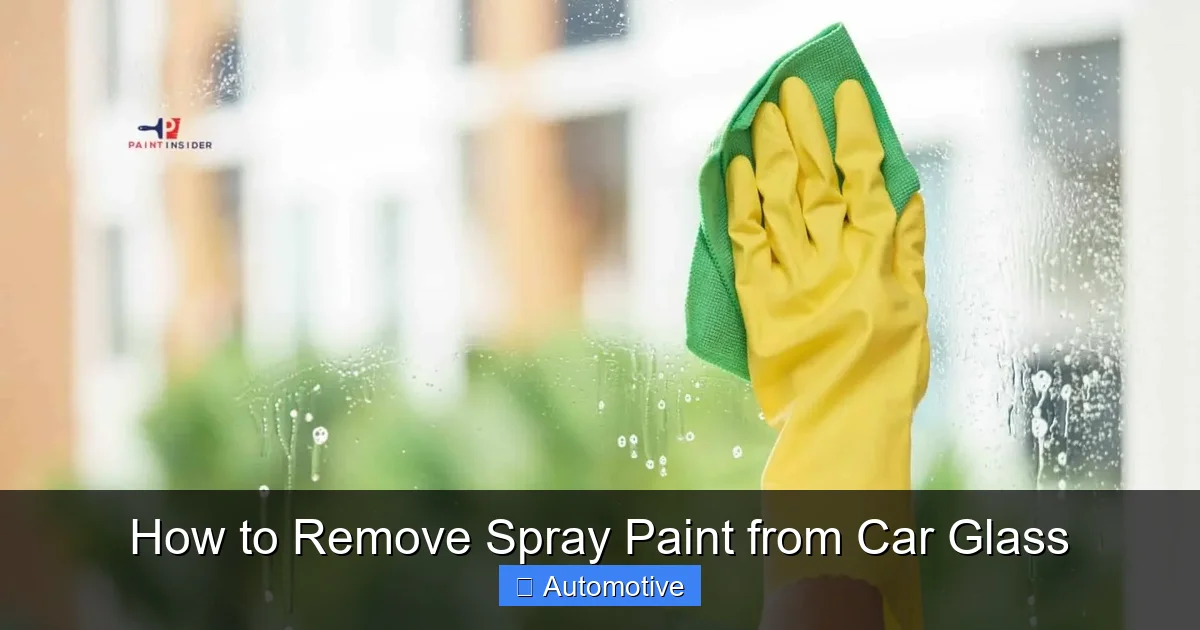
Visual guide about How to Remove Spray Paint from Car Glass
Image source: paintinsider.com
Essential Tools
- Razor blade scraper: A single-edge razor blade is ideal for scraping paint off flat glass surfaces. Make sure it’s sharp and clean.
- Plastic scraper: A safer alternative to metal blades, especially if you’re nervous about scratching.
- Microfiber cloths: These are gentle on glass and great for wiping away residue.
- Spray bottle: For applying cleaning solutions evenly.
- Gloves and safety glasses: Protect your hands and eyes, especially when using chemicals.
Cleaning Solutions
You don’t need harsh chemicals to remove spray paint from glass. In fact, many household items work surprisingly well:
- Isopropyl alcohol (70% or higher): Breaks down paint without damaging glass.
- White vinegar: A natural solvent that’s safe and effective.
- Commercial glass cleaner: Brands like Windex can help loosen paint.
- Rubbing alcohol and water mix: A 50/50 blend is gentle yet effective.
- WD-40: Surprisingly useful for dissolving paint—just wipe it off thoroughly afterward.
Optional but Helpful
- Clay bar: Automotive detailing clay can lift embedded paint particles.
- Steam cleaner: Softens paint for easier removal.
- Masking tape: To protect surrounding paint and trim.
Always remember to test any solution on a small, hidden area first—especially if your windows are tinted or have special coatings.
Step-by-Step Methods to Remove Spray Paint
Now that you’re prepared, let’s get into the actual removal process. We’ll cover several methods, from the simplest to more advanced techniques, so you can choose what works best for your situation.
Visual guide about How to Remove Spray Paint from Car Glass
Image source: glasshelper.com
Method 1: The Razor Blade Scrape (Best for Flat Surfaces)
This is the most effective method for removing spray paint from flat glass, like windshields and side windows. Glass is hard enough to withstand gentle scraping without scratching—unlike paint or plastic.
Steps:
- Spray the affected area with water or a glass cleaner to lubricate the surface.
- Hold the razor blade at a 30- to 45-degree angle to the glass.
- Gently scrape in one direction—don’t go back and forth like you’re shaving.
- Use short, controlled strokes to lift the paint.
- Wipe away residue with a microfiber cloth.
- Repeat as needed until the paint is gone.
Pro Tip: Keep the blade and glass wet during scraping. Dry scraping increases the risk of scratches. If the paint is thick, apply a solvent like isopropyl alcohol first and let it sit for a few minutes.
Method 2: Soaking with Solvents (Great for Stubborn Paint)
If scraping alone doesn’t work, or if the paint is still wet, soaking it with a solvent can soften it for easier removal.
Steps:
- Soak a clean cloth or paper towel in isopropyl alcohol, vinegar, or WD-40.
- Place it directly over the paint spot.
- Let it sit for 5–10 minutes to penetrate the paint.
- Gently rub the area with the cloth.
- If needed, follow up with a razor blade scrape.
- Wipe clean with a damp microfiber cloth.
Example: I once had a client who parked near a mural project and came back to find their rear window covered in blue spray paint. After soaking with rubbing alcohol for 10 minutes, the paint wiped away with minimal effort.
Method 3: Using a Clay Bar (For Fine Overspray)
Clay bars are typically used to remove contaminants from car paint, but they work wonders on glass too—especially for fine mist or overspray that’s lightly bonded.
Steps:
- Lubricate the glass with a clay bar lubricant or soapy water.
- Knead the clay bar to expose a clean surface.
- Glide it gently over the painted area in straight lines.
- The clay will pick up paint particles as it moves.
- Wipe the area clean with a microfiber cloth.
Note: Clay bars won’t remove thick layers of paint, but they’re excellent for removing haze or light residue after scraping.
Method 4: Steam Cleaning (Gentle and Effective)
A handheld steam cleaner can soften spray paint without chemicals. The heat and moisture break down the paint’s bond with the glass.
Steps:
- Fill the steam cleaner with distilled water.
- Hold the nozzle 2–3 inches from the glass.
- Apply steam to the painted area for 30–60 seconds.
- Wipe with a microfiber cloth or use a plastic scraper.
- Repeat if necessary.
Safety Tip: Don’t over-steam one spot, as rapid temperature changes can stress the glass. Also, avoid using steam on tinted windows unless the manufacturer approves it.
Method 5: Commercial Paint Removers (For Tough Jobs)
If home remedies aren’t cutting it, you might need a commercial product. Look for cleaners specifically labeled for use on glass or automotive surfaces.
Recommended Products:
- 3M Adhesive Remover: Safe for glass and effective on spray paint.
- Goo Gone Automotive: Designed for car surfaces, including glass.
- Krud Kutter: A powerful degreaser that also removes paint.
Steps:
- Apply the product to a cloth—not directly to the glass—to avoid overspray.
- Let it sit for the recommended time (usually 1–5 minutes).
- Gently rub the area.
- Rinse thoroughly with water and dry with a clean cloth.
Warning: Always read the label and test in a small area first. Some removers can damage rubber seals or tinting.
Safety Tips and Common Mistakes to Avoid
Even with the best intentions, it’s easy to make mistakes when removing spray paint from car glass. A few wrong moves can lead to scratches, damaged tinting, or even cracked glass. Here’s how to stay safe and effective.
Protect Surrounding Areas
Before you start, mask off the car’s paint, trim, and rubber seals with painter’s tape. Many solvents and scrapers can damage these surfaces. For example, acetone—sometimes used to remove paint—can melt plastic trim or strip car paint.
Avoid Abrasive Tools
Never use steel wool, steel brushes, or harsh scrubbing pads on glass. These can leave fine scratches that scatter light and reduce visibility, especially at night. Stick to plastic scrapers, razor blades (used correctly), and soft cloths.
Don’t Use Excessive Force
Glass is strong, but it’s not invincible. Pressing too hard with a scraper can cause micro-scratches or, in rare cases, cracks—especially if the glass has existing chips or stress points. Let the solvent do the work; don’t force it.
Be Cautious with Tinted Windows
If your windows are tinted, avoid harsh chemicals and high heat. Many solvents can break down the adhesive layer behind the tint, causing bubbling or peeling. Stick to mild solutions like vinegar or soapy water, and always test first.
Work in the Shade
Cleaning in direct sunlight can cause cleaning solutions to dry too quickly, leaving streaks or making the paint harder to remove. Choose a cool, shaded area—like a garage or under a tree—for best results.
When to Call a Professional
Sometimes, DIY methods just aren’t enough. If the paint covers a large area, has been there for weeks, or you’re unsure about the type of glass or coating, it’s wise to consult a professional. Auto detailers and glass specialists have tools and experience to remove paint safely without risking damage.
Preventing Future Spray Paint Incidents
Once you’ve cleaned your car, you’ll want to avoid a repeat. While you can’t control everything—like wind carrying paint from a neighbor’s project—there are steps you can take to reduce the risk.
Park Smart
Whenever possible, park away from construction zones, painting projects, or areas with high vandalism risk. If you’re doing your own painting, cover nearby vehicles with drop cloths or plastic sheeting.
Use a Car Cover
A high-quality car cover can protect your entire vehicle, including the glass, from overspray, dust, and debris. Look for one made from breathable, non-abrasive material.
Install Paint Protection Film (PPF)
While typically used on the body, some PPF products are designed for windshields and windows. These transparent films can shield glass from paint, bugs, and minor scratches. They’re removable and won’t damage the glass.
Regular Maintenance
Keep your windows clean and inspect them regularly. The sooner you spot spray paint, the easier it is to remove. A quick wipe with glass cleaner once a week can help you catch issues early.
Final Thoughts: Restoring Clarity and Confidence
Finding spray paint on your car glass can be frustrating, but it’s rarely a permanent problem. With the right approach, you can restore your windows to crystal-clear condition without costly repairs. The key is to act quickly, use gentle but effective methods, and prioritize safety—both for your car and yourself.
Remember, glass is one of the most forgiving surfaces on your vehicle when it comes to cleaning. Unlike paint, it doesn’t scratch easily if you use the right tools. Whether you’re using a simple razor blade and alcohol or investing in a clay bar, the process doesn’t have to be intimidating. And if you ever feel unsure, don’t hesitate to seek professional help. Your safety and your car’s appearance are worth it.
So the next time you spot an unexpected splash of color on your windshield, take a deep breath. You’ve got this. With the tips and techniques in this guide, you’ll be back to clear, unobstructed driving in no time.
Frequently Asked Questions
Can I use nail polish remover to remove spray paint from car glass?
It’s not recommended. Nail polish remover often contains acetone, which can damage rubber seals, plastic trim, and window tinting. Stick to safer alternatives like isopropyl alcohol or vinegar.
Will vinegar damage my car’s glass?
No, white vinegar is safe for automotive glass. It’s a mild acid that helps break down paint without scratching or harming the surface. Just rinse thoroughly after use.
Can I use a regular kitchen sponge to scrub spray paint off glass?
Abrasive sponges can scratch glass. Use a soft microfiber cloth or a non-scratch sponge instead. For tougher jobs, pair it with a solvent and gentle pressure.
How long does it take for spray paint to cure on glass?
Most spray paints dry to the touch in 15–30 minutes, but full curing can take 24–48 hours. The sooner you remove it, the easier it will be.
Is it safe to use a razor blade on tinted windows?
Use caution. While the glass itself is safe, the razor can damage the tint film if pressed too hard. Test on a small area first, or use a plastic scraper instead.
What if the spray paint won’t come off after trying multiple methods?
If home remedies fail, consult a professional auto detailer or glass specialist. They have advanced tools and solvents that can remove stubborn paint without risking damage.