How to Privately Sell a Car in Missouri
Successfully selling a car privately in Missouri starts with preparing a clean title, accurate vehicle history, and a competitive listing to attract serious buyers. Complete the sale safely by meeting in a public place, accepting secure payment, and filing a Notice of Sale with the Missouri DOR to avoid future liability.
In This Article
- 1 Key Takeaways
- 2 📑 Table of Contents
- 3 How to Privately Sell a Car in Missouri
- 4 Preparing Your Car for Sale
- 5 Setting the Right Price
- 6 Creating an Effective Listing
- 7 Handling Inquiries and Test Drives
- 8 Completing the Sale Legally and Safely
- 9 Common Mistakes to Avoid
- 10 Final Tips for a Smooth Sale
- 11 Conclusion
- 12 Frequently Asked Questions
- 12.1 How do I start the process of privately selling a car in Missouri?
- 12.2 What paperwork is required to sell a car privately in Missouri?
- 12.3 Do I need to provide a vehicle history report when selling a car in Missouri?
- 12.4 How do I transfer the title when privately selling a car in Missouri?
- 12.5 Should I accept cash or a cashier’s check when selling a car privately in Missouri?
- 12.6 Do I need to notify the Missouri DOR after selling my car privately?
Key Takeaways
- Prepare all documents: Gather title, bill of sale, and maintenance records.
- Set a fair price: Research market value using Kelley Blue Book or Edmunds.
- Advertise effectively: Use clear photos and honest descriptions online.
- Meet safely: Conduct transactions in public, well-lit areas.
- Complete payment securely: Use cash, cashier’s check, or bank transfer.
- Transfer ownership properly: Sign title and submit Notice of Sale to DMV.
📑 Table of Contents
How to Privately Sell a Car in Missouri
So, you’ve decided it’s time to part ways with your trusty old car. Maybe it’s been a faithful companion through college, road trips, and daily commutes—but now, it’s time for an upgrade. Selling your car privately in Missouri can be a smart move. You’ll likely get more money than trading it in at a dealership, and you have full control over the process. But let’s be honest: selling a car isn’t as simple as slapping a “For Sale” sign on the windshield and waiting for the offers to roll in.
Whether you’re selling a beat-up sedan that’s seen better days or a well-maintained SUV with low mileage, the private car sale process in Missouri has its own set of steps, rules, and best practices. From preparing your vehicle to transferring the title legally, there’s a lot to consider. And while it might seem overwhelming at first, don’t worry—you’re not alone. Thousands of Missourians sell their cars privately every year, and with the right approach, you can do it smoothly, safely, and profitably.
In this guide, we’ll walk you through every step of how to privately sell a car in Missouri—from pricing your vehicle fairly to completing the sale without a hitch. We’ll cover everything you need to know, including legal requirements, safety tips, and practical advice based on real experiences. By the end, you’ll feel confident and ready to hand over the keys to your next buyer.
Preparing Your Car for Sale
Before you even think about listing your car, you need to get it ready. First impressions matter—especially when selling a car privately. A clean, well-maintained vehicle not only attracts more buyers but can also justify a higher asking price. Think of it this way: if you were buying a used car, would you rather see one that looks like it’s been through a mud race or one that sparkles like it just rolled off the showroom floor?
Clean It Inside and Out
Start with a thorough cleaning. Wash the exterior, wax it if possible, and clean the windows inside and out. Don’t forget the wheels—grime buildup can make even a nice car look neglected. For the interior, vacuum the carpets, wipe down surfaces, and clean the seats. If you have fabric seats, consider using a fabric cleaner to remove stains. Leather seats? Use a leather conditioner to restore their shine.
One Missouri seller I spoke with, Sarah from Springfield, shared how a simple $20 cleaning made a huge difference: “I spent an afternoon detailing my 2015 Honda Civic. I even cleaned under the seats and wiped down the dashboard. When the first buyer came, they said, ‘This looks like it’s never been driven!’ That comment alone helped me sell it $500 above my asking price.”
Address Minor Repairs and Maintenance
You don’t need to rebuild the engine, but fixing small issues can boost your car’s value. Replace burnt-out light bulbs, fix cracked windshields (or at least get a quote), and top off fluids. If your tires are worn, consider replacing them—buyers will notice. Even something as simple as replacing worn wiper blades can signal that the car has been well cared for.
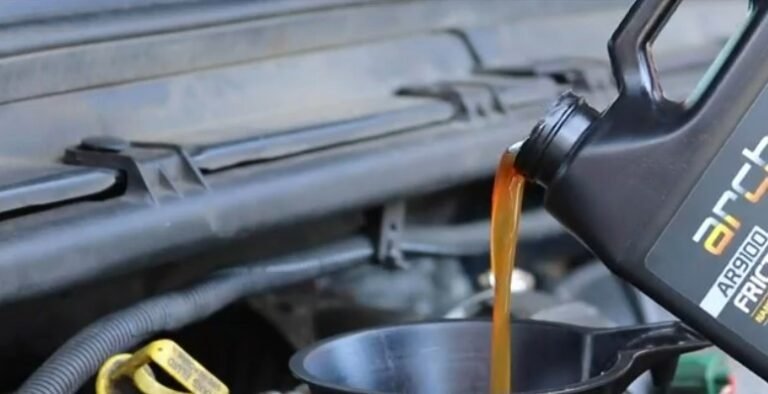
Check the owner’s manual for recommended maintenance. If your car is due for an oil change, do it. Fresh oil and a clean filter make a good impression. Also, make sure the air conditioning works—Missouri summers can be brutal, and a non-functional A/C is a major turnoff.
Gather All Documentation
Buyers will want to see proof that the car is in good condition and legally yours to sell. Gather the following:
- Vehicle title – This is the most important document. Make sure it’s in your name and free of liens.
- Service records – Keep receipts for oil changes, brake work, tire replacements, etc.
- Owner’s manual – Shows you’ve taken care of the car.
- Warranty information – If the car is still under warranty, this can be a selling point.
- Emissions test results – Required in some Missouri counties (more on that later).
Having these documents ready not only builds trust but also speeds up the sale process. A buyer who sees organized records is more likely to believe the car has been well maintained.
Setting the Right Price
Pricing your car correctly is one of the most critical steps in how to privately sell a car in Missouri. Price it too high, and you’ll scare off buyers. Price it too low, and you’ll leave money on the table. The goal is to find that sweet spot where your car is competitive but still reflects its true value.
Research Comparable Listings
Start by checking online marketplaces like Facebook Marketplace, Craigslist, Autotrader, and Cars.com. Look for vehicles similar to yours—same make, model, year, mileage, and condition. Pay attention to how long they’ve been listed. If a car has been up for months, it might be overpriced.
For example, if you’re selling a 2017 Toyota Camry with 60,000 miles, search for other 2017 Camrys in Missouri with similar mileage. Note the asking prices and average them out. This gives you a realistic baseline.
Use Valuation Tools
Websites like Kelley Blue Book (KBB) and Edmunds offer free car valuation tools. Enter your car’s details, and they’ll give you a price range based on private party sales in your area. These tools consider factors like condition, mileage, and local demand.
Here’s a quick example: A 2018 Ford F-150 with 75,000 miles in good condition might be valued at $22,000–$24,000 on KBB. But if you’ve added aftermarket upgrades like a bed liner or tow package, you might justify pricing it at the higher end.
Adjust for Condition and Extras
Be honest about your car’s condition. If it has minor dents, scratches, or interior wear, price it accordingly. On the flip side, if it’s in excellent shape with low mileage and recent repairs, you can ask for a premium.
Also, consider extras that add value:
- New tires
- Upgraded sound system
- Roof rack or cargo carrier
- Recent brake job or transmission service
These can justify a higher price, but don’t overvalue them. A $500 stereo system doesn’t automatically add $500 to the car’s value—buyers know they can install their own.
Factor in Market Demand
Some cars sell faster than others. In Missouri, trucks and SUVs are especially popular due to the rural landscape and weather conditions. If you’re selling a pickup or a 4WD SUV, you might be able to ask a bit more—especially in winter.
Conversely, compact cars or older sedans might take longer to sell. Be patient, but also be willing to adjust your price if you’re not getting interest after a few weeks.
Creating an Effective Listing
Once your car is clean, priced, and documented, it’s time to create a listing. This is your chance to make a great first impression. A well-crafted ad can attract serious buyers and reduce the number of tire-kickers.
Write a Clear, Honest Title
Your title should include the year, make, model, and key selling points. For example: “2016 Honda Accord EX-L – Low Miles, One Owner, Clean Title.” Avoid vague titles like “Car for Sale” or “Nice Vehicle.”
Be honest about the condition. If the car has a rebuilt title or minor damage, mention it upfront. Hiding issues can lead to disputes later and damage your credibility.
Take High-Quality Photos
Photos are everything. Take pictures in good lighting—early morning or late afternoon works best. Shoot from multiple angles:
- Front, back, and both sides
- Interior (dashboard, seats, trunk)
- Engine bay
- Tires and wheels
- Any damage (to show transparency)
Use a clean background—avoid cluttered driveways or busy streets. A plain wall or empty parking lot works well. If possible, take photos on a sunny day to make the car shine.
Write a Detailed Description
Your description should answer the questions buyers are likely to ask. Include:
- Mileage
- Transmission type (automatic/manual)
- Fuel type (gas, diesel, hybrid)
- Number of previous owners
- Accident history
- Recent repairs or maintenance
- Reason for selling
Example: “Selling my 2019 Subaru Outback with 48,000 miles. One owner, non-smoker, always garaged. Just had new brakes and tires installed last month. Clean title, no accidents. Need to upgrade to a larger vehicle for my growing family.”
Avoid exaggerations like “perfect condition” if there are minor flaws. Buyers appreciate honesty and are more likely to trust you.
Choose the Right Platforms
List your car on multiple platforms to reach more buyers:
- Facebook Marketplace – Great for local sales; easy to use and free.
- Craigslist – Still popular in many Missouri cities; be cautious of scams.
- Autotrader – Reaches serious buyers; may charge a fee.
- Cars.com – Another trusted platform with a large audience.
Include your location (city or ZIP code) and respond to inquiries quickly. The faster you reply, the more likely you are to close the sale.
Handling Inquiries and Test Drives
Once your listing goes live, you’ll start getting messages. Some will be serious buyers; others will be scammers or time-wasters. Knowing how to handle inquiries and test drives safely is crucial.
Screening Potential Buyers
Ask questions to gauge seriousness:
- “Are you looking to buy soon?”
- “Do you have financing ready?”
- “Have you seen similar cars in this price range?”
Red flags include buyers who:
- Ask to see the car immediately without asking questions
- Want to pay with a cashier’s check or wire transfer
- Ask for your personal information (Social Security number, bank details)
- Want to ship the car or use a third-party escrow service
These are common scam tactics. Legitimate buyers will want to inspect the car in person and pay with cash or a cashier’s check from a local bank.
Scheduling Safe Test Drives
Always meet in a public place—like a mall parking lot or police station. Bring a friend or family member with you. Never let a buyer drive alone with you in the car.
Before the test drive:
- Verify the buyer’s driver’s license
- Make a copy or take a photo (for your records)
- Set a time limit (30–45 minutes is typical)
- Stay in well-lit, populated areas
During the drive, pay attention to how the buyer handles the car. Are they respectful? Do they ask thoughtful questions? These clues can help you decide if they’re serious.
Be Prepared to Negotiate
Most buyers will try to negotiate. That’s normal. Decide in advance the lowest price you’re willing to accept—your “walk-away number.” Don’t feel pressured to go below it.
If a buyer offers $20,000 on a $22,000 listing, you might counter with $21,500. Be polite but firm. Remember, you’re not obligated to accept any offer.
Tip: If a buyer seems hesitant, ask, “What would it take for you to drive away today?” This can reveal their true budget.
Completing the Sale Legally and Safely
Congratulations—you’ve found a buyer! Now it’s time to finalize the sale. This is where many private sellers make mistakes, so pay close attention to the legal steps.
Complete the Bill of Sale
Missouri requires a Bill of Sale for private car transactions. You can download a free template from the Missouri Department of Revenue website or use one from a reputable source like the DMV.org.
The Bill of Sale should include:
- Buyer and seller names and addresses
- Vehicle make, model, year, and VIN
- Sale price
- Date of sale
- Odometer reading
- Signatures of both parties
Both you and the buyer must sign it. Keep a copy for your records.
Transfer the Title
The title must be signed over to the buyer. Make sure:
- The buyer’s name is correctly filled in
- The sale price is listed (even if it’s $0—some buyers do this to avoid sales tax)
- The odometer reading is accurate
- You sign in the presence of the buyer (or as required by Missouri law)
Missouri does not require a notary for private title transfers, but it’s a good idea to have a witness present.
Remove License Plates and Cancel Insurance
In Missouri, license plates stay with the seller, not the car. Remove them before handing over the keys. You can reuse them on your next vehicle or return them to the DMV.
Cancel your insurance immediately after the sale. Most insurers require notification within 10 days. If you don’t, you could be liable if the new owner gets into an accident.
Notify the DMV
While Missouri doesn’t require sellers to file a release of liability, it’s highly recommended. Submit a Notice of Sale form (Form 768) to the Missouri DMV within 30 days. This protects you if the buyer doesn’t register the car and gets a ticket or causes an accident.
You can file online or by mail. Keep the confirmation for your records.
Common Mistakes to Avoid
Even experienced sellers make errors. Here are some common pitfalls and how to avoid them:
Accepting Risky Payment Methods
Only accept cash or a cashier’s check from a local bank. Personal checks can bounce, and wire transfers are often used in scams. If a buyer insists on paying another way, walk away.
Skipping the Emissions Test
In some Missouri counties (like St. Louis, St. Charles, and Jefferson), vehicles must pass an emissions test before registration. If your car is in one of these areas, make sure it passes before selling. Buyers won’t be able to register it otherwise.
Forgetting to Remove Personal Items
Before handing over the keys, check the glove box, trunk, and under the seats. Remove registration, insurance cards, and any personal belongings. You don’t want the new owner finding your old gym clothes or family photos.
Not Getting Everything in Writing
Verbal agreements aren’t enough. Always use a Bill of Sale and keep copies of all documents. This protects both you and the buyer.
Final Tips for a Smooth Sale
Selling a car privately takes time and effort, but the payoff is worth it. Here are a few final tips to make the process smoother:
- Be patient – It may take a few weeks to find the right buyer.
- Be responsive – Reply to messages within 24 hours.
- Be honest – Transparency builds trust and reduces disputes.
- Be safe – Always meet in public and bring a friend.
- Be prepared – Have all documents ready before listing.
And remember: every car has a buyer. Whether it’s a high-mileage hatchback or a luxury sedan, there’s someone out there looking for exactly what you’re selling.
Conclusion
Learning how to privately sell a car in Missouri doesn’t have to be stressful. With the right preparation, pricing, and paperwork, you can sell your vehicle quickly, legally, and for a fair price. From cleaning the interior to transferring the title, each step brings you closer to a successful sale.
Take your time, do your research, and don’t rush into anything. A little effort upfront can save you headaches later. And when that final handshake happens and the keys change hands, you’ll know you did it the right way—privately, safely, and on your own terms.
So go ahead—list that car, meet some interesting people, and enjoy the satisfaction of a job well done. Your next adventure is just around the corner.
Frequently Asked Questions
How do I start the process of privately selling a car in Missouri?
Begin by gathering all necessary documents, including the vehicle title, maintenance records, and a completed bill of sale. Make sure the title is signed correctly and matches your current name and address to avoid delays during the transfer.
What paperwork is required to sell a car privately in Missouri?
You’ll need the vehicle’s title signed over to the buyer, a bill of sale, and an odometer disclosure statement if the car is under 10 years old. Missouri also recommends providing a safety inspection certificate, though it’s not always required for private sales.
Do I need to provide a vehicle history report when selling a car in Missouri?
While not legally required, providing a vehicle history report (like from Carfax or AutoCheck) builds buyer trust and can speed up the sale. It shows transparency about accidents, title status, and previous ownership.
How do I transfer the title when privately selling a car in Missouri?
The buyer must take the signed title to a Missouri Department of Revenue office to complete the transfer and register the vehicle. As the seller, keep a copy of the bill of sale and title for your records in case of future disputes.
Should I accept cash or a cashier’s check when selling a car privately in Missouri?
Cash is safest for private transactions, but if using a cashier’s check, verify it with the issuing bank before handing over the keys. Avoid personal checks, as they can bounce and delay the sale.
Do I need to notify the Missouri DOR after selling my car privately?
Yes, you should submit a Notice of Sale form (Form 768) to the Missouri Department of Revenue within 30 days of the sale. This protects you from liability for parking tickets or accidents involving the vehicle after the sale.