How to Make a Copy of a Car Key
Making a copy of a car key is easier than you think—whether you’re dealing with a basic metal key or a high-tech transponder fob. With the right tools, knowledge, and precautions, you can save time and money while ensuring you always have a backup when you need it most.
In This Article
- 1 Key Takeaways
- 2 📑 Table of Contents
- 3 Why You Should Make a Copy of Your Car Key
- 4 Understanding Different Types of Car Keys
- 5 How to Copy a Traditional Mechanical Key
- 6 Copying Transponder and Remote Key Fobs
- 7 Copying Smart Keys and Keyless Entry Systems
- 8 Tips for Safely Storing and Using Your Spare Key
- 9 When to Call a Professional
- 10 Conclusion
- 11 Frequently Asked Questions
Key Takeaways
- Know your key type: Identify whether your car uses a traditional mechanical key, a transponder key, a remote key fob, or a smart key before attempting to copy it.
- DIY copying works for simple keys: Basic metal keys can often be duplicated at home using a key cutting machine or by visiting a hardware store with a key duplicator.
- Transponder and smart keys require programming: These advanced keys contain electronic chips that must be synced with your vehicle’s immobilizer system—professional help or specialized tools are usually needed.
- Use reputable locksmiths or dealerships: For complex keys, certified automotive locksmiths or your car dealership offer reliable, secure copying services, though costs may vary.
- Always keep a spare key accessible: Having a second key prevents lockouts and reduces stress during emergencies—store it safely with a trusted person or in a secure location.
- Check local laws and warranty implications: Some vehicles restrict key duplication for security reasons, and unauthorized copying could affect your warranty or insurance coverage.
- Invest in a key organizer or tracker: Consider using a Bluetooth key finder or keychain organizer to keep track of your keys and avoid future lockouts.
📑 Table of Contents
Why You Should Make a Copy of Your Car Key
Losing your car key is one of those frustrating moments that can throw your entire day off track. Whether you’ve misplaced it during a busy morning rush or accidentally locked it inside your vehicle, being without a key is more than just an inconvenience—it can be a safety risk, especially if you’re stranded in an unfamiliar area. That’s why making a copy of your car key is one of the smartest, most practical things you can do as a car owner.
Having a spare key isn’t just about convenience; it’s about preparedness. Imagine coming home late at night only to realize your keychain is missing. Or worse—your child accidentally locks the keys in the car while you’re at a playground. A spare key eliminates these worries and gives you peace of mind. Plus, if your original key starts to wear down or break, a copy ensures you won’t be left stranded. In short, copying your car key is a small investment of time and money that pays off big in emergencies.
Understanding Different Types of Car Keys
Before you can make a copy of your car key, it’s essential to understand what type of key you’re dealing with. Not all car keys are created equal—modern vehicles use a variety of key technologies, each with its own duplication requirements. Knowing the difference will help you choose the right method and avoid costly mistakes.

Visual guide about How to Make a Copy of a Car Key
Image source: sp-ao.shortpixel.ai
Traditional Mechanical Keys
The most basic type of car key is the traditional mechanical key—a simple metal blade that fits into the ignition and door locks. These keys have no electronic components and are typically found in older vehicles or base model cars. Because they lack chips or remote functions, they’re the easiest and cheapest to copy. You can usually duplicate them at a local hardware store, supermarket, or even some gas stations using a key-cutting machine. All you need is the original key, and within minutes, you’ll have a working copy.
Transponder Keys
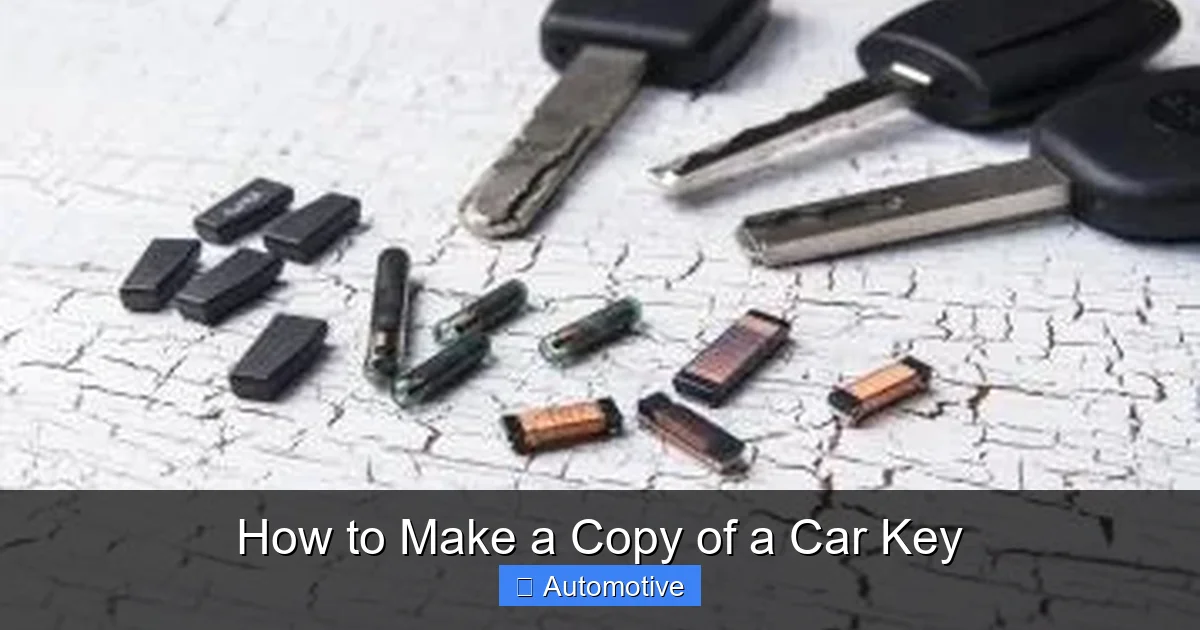
Introduced in the 1990s to improve vehicle security, transponder keys contain a small electronic chip embedded in the plastic head of the key. When you insert the key into the ignition, the chip sends a unique signal to the car’s immobilizer system. If the signal matches the one programmed into the vehicle, the engine will start. If not, the car won’t start—even if the key physically turns in the ignition. This technology significantly reduces the risk of theft, but it also means that copying a transponder key isn’t as simple as cutting metal. You’ll need to duplicate both the physical key and program the chip to match your car’s system.
Remote Key Fobs
Remote key fobs, also known as keyless entry remotes, combine the functions of a traditional key with electronic controls. These fobs allow you to lock, unlock, and sometimes even start your car from a distance using buttons. Many also include a flip-out metal blade for manual entry. Copying a remote fob involves two steps: duplicating the physical key (if present) and programming the remote functions to sync with your vehicle. Some fobs can be programmed at home using a specific sequence of button presses, while others require professional equipment.
Smart Keys (Keyless Entry and Push-Button Start)
Smart keys represent the latest in automotive key technology. These sleek, credit-card-sized devices allow you to unlock and start your car without ever taking the key out of your pocket. They use radio frequency identification (RFID) or Bluetooth to communicate with the vehicle. When you approach the car, sensors detect the key and unlock the doors. Pressing a button on the dashboard starts the engine. Because smart keys are highly sophisticated, copying them is complex and usually requires specialized tools and software. In most cases, you’ll need to visit a dealership or a certified automotive locksmith.
How to Copy a Traditional Mechanical Key
If your car uses a basic mechanical key, congratulations—you’re in luck! Copying this type of key is straightforward, affordable, and can often be done in under 10 minutes. Here’s a step-by-step guide to help you make a reliable copy at home or at a local store.

Visual guide about How to Make a Copy of a Car Key
Image source: thumbs.dreamstime.com
Gather the Necessary Tools
To copy a mechanical key yourself, you’ll need a few basic items. First, you’ll need the original key—make sure it’s clean and undamaged, as any wear or bends can affect the accuracy of the copy. Next, you’ll need a blank key that matches your car’s make and model. These blanks are widely available online or at hardware stores and usually cost between $2 and $10. Finally, you’ll need a key-cutting machine. If you don’t own one, don’t worry—most hardware stores, home improvement centers, and even some pharmacies have self-service key duplicators that are easy to use.
Choose the Right Blank Key
Not all blank keys are compatible with every car. Using the wrong blank can result in a key that doesn’t fit or function properly. To find the correct blank, check your vehicle’s owner’s manual or search online using your car’s year, make, and model. Many websites offer key blank lookup tools that help you identify the right one. For example, a 2005 Honda Civic typically uses a HU66 or HU100 blank, while a 2010 Ford F-150 might use a FO21 or FO25. When in doubt, take your original key to a hardware store—they can often identify the correct blank just by looking at it.
Use a Key-Cutting Machine
Once you have the right blank, it’s time to cut the key. If you’re using a self-service machine at a store, the process is usually simple. Insert your original key into the machine’s guide, then place the blank key in the cutting slot. The machine will trace the pattern of the original key and cut the blank to match. Most machines have a lever or button you press to start the cutting process. After a few seconds, the machine will beep or stop, indicating the key is ready. Remove both keys and test the copy in your car’s lock to ensure it works smoothly.
DIY Key Cutting at Home
If you’re feeling adventurous, you can purchase a portable key-cutting machine for home use. These devices range from $50 to $200 and are ideal if you frequently need to copy keys or want to save money in the long run. To use a home key cutter, clamp the original key and blank into the machine, adjust the settings to match your key type, and slowly turn the handle to cut the blank. Take your time—rushing can result in a poorly cut key. After cutting, use a fine file to smooth any rough edges and test the key in your car.
Tips for Success
- Always double-check that the blank matches your original key before cutting.
- Clean both the original and blank keys to remove dirt or debris that could interfere with the cutting process.
- If the copy doesn’t work, try flipping it over—some keys are double-sided and can be inserted either way.
- Store your spare key in a safe place, like a locked drawer or with a trusted family member.
Copying Transponder and Remote Key Fobs
Copying a transponder key or remote fob is more complicated than duplicating a mechanical key, but it’s still possible with the right approach. These keys require both physical duplication and electronic programming, which means you’ll need specialized tools or professional assistance. Here’s what you need to know.

Visual guide about How to Make a Copy of a Car Key
Image source: thumbs.dreamstime.com
Identify Your Key’s Programming Requirements
The first step is determining whether your key can be programmed at home or if it requires professional equipment. Some vehicles allow you to program a new transponder key using a specific sequence of actions, such as turning the ignition on and off multiple times or pressing certain buttons. Check your owner’s manual or search online for your car’s programming instructions. For example, many Toyota and Honda models have DIY programming procedures that take just a few minutes. However, if your car uses a more advanced immobilizer system—like those found in BMW, Mercedes, or Audi vehicles—you’ll likely need a diagnostic tool or locksmith.
Use a Key Programming Tool
If your car supports DIY programming, you can purchase a key programming tool online. These devices, such as the OBD2 scanner with key programming capabilities, plug into your car’s diagnostic port and guide you through the programming process. Prices range from $50 to $300, depending on the features. Once connected, the tool will detect your vehicle and prompt you to insert the new key. Follow the on-screen instructions to sync the transponder chip with your car’s immobilizer. After programming, test the key to ensure it starts the engine.
Visit a Professional Locksmith or Dealership
For keys that can’t be programmed at home, your best bet is to visit a certified automotive locksmith or your car dealership. Locksmiths often charge less than dealerships and can usually copy and program keys on the spot. They use professional-grade equipment to read your original key’s chip and program a new one. Dealerships, while more expensive, offer the advantage of using OEM (original equipment manufacturer) parts and ensuring full compatibility. Expect to pay between $100 and $300 for a transponder key copy, depending on the vehicle and key complexity.
Remote Fob Programming
Copying a remote fob involves two parts: duplicating the physical key (if applicable) and programming the remote functions. Some fobs can be programmed using a simple button sequence. For example, on many Ford vehicles, you can program a new fob by turning the ignition on and off eight times within 10 seconds, then pressing any button on the new fob. Other vehicles require a diagnostic tool or professional assistance. If you’re unsure, consult your owner’s manual or contact a locksmith.
Copying Smart Keys and Keyless Entry Systems
Smart keys are the most advanced type of car key, and copying them is no small task. These keys use encrypted signals and complex software to communicate with your vehicle, making duplication difficult without the right tools and expertise. Here’s how to approach copying a smart key.
Understand the Complexity
Smart keys are designed to prevent unauthorized duplication. They often use rolling codes or encrypted signals that change every time the key is used, making it nearly impossible to clone them with basic tools. Additionally, many smart keys are linked to your vehicle’s VIN (vehicle identification number), which adds another layer of security. This means that even if you have a physical copy of the key, it won’t work unless it’s properly programmed and registered with your car’s system.
Use OEM or Aftermarket Programming Tools
To copy a smart key, you’ll need access to specialized programming equipment. Some advanced OBD2 scanners and key programmers can handle smart key duplication, but they often cost hundreds or even thousands of dollars. These tools connect to your car’s computer and allow you to program a new key fob or smart key. However, not all tools support every vehicle make and model, so research compatibility before purchasing. For most people, this level of investment isn’t practical, which is why professional help is usually the best option.
Visit a Dealership or Certified Locksmith
When it comes to smart keys, dealerships and certified automotive locksmiths are your best allies. Dealerships have the original software and tools needed to create a new smart key that’s fully compatible with your vehicle. They can also ensure that the key is properly registered and secure. Locksmiths with advanced training and equipment can often do the same job for less money. Be prepared to provide proof of ownership, such as your driver’s license and vehicle registration, as a security measure. Costs for smart key duplication typically range from $200 to $500 or more, depending on the vehicle.
Tips for Safely Storing and Using Your Spare Key
Once you’ve made a copy of your car key, the next step is ensuring it stays safe and accessible when you need it. A spare key is only useful if it’s secure and easy to retrieve in an emergency. Here are some practical tips for storing and using your backup key.
Choose a Secure Location
Avoid hiding your spare key in obvious places like under the doormat, in a fake rock, or above the doorframe. These spots are well-known to thieves and offer little protection. Instead, consider giving the key to a trusted family member or friend who lives nearby. Alternatively, use a secure lockbox mounted to your home or garage. Some people also use magnetic key holders attached to the underside of their car, but this method carries a higher risk of theft and should only be used if the holder is well-hidden and tamper-resistant.
Use a Key Tracker
Bluetooth key trackers like Tile or Apple AirTag can help you keep tabs on your keys. Attach the tracker to your keychain, and use your smartphone to locate it if it goes missing. Some trackers even alert you if you leave your keys behind. This is especially helpful if you tend to misplace things or travel frequently.
Label Your Keys
If you have multiple keys—such as for your car, house, and office—consider labeling them with small, discreet tags. This makes it easier to identify which key is which, especially in low-light conditions. Just be careful not to include personal information like your address or car model on the label.
Test Your Spare Key Regularly
Don’t wait until you’re locked out to test your spare key. Every few months, try using it to start your car or unlock the doors. This ensures the key is still functional and that the transponder chip (if applicable) is still synced with your vehicle. If the key doesn’t work, have it reprogrammed or replaced before an emergency occurs.
When to Call a Professional
While many key-copying tasks can be done at home or at a local store, there are times when it’s best to call in a professional. If you’re unsure about your key type, don’t have the right tools, or are dealing with a high-security key, a certified automotive locksmith or dealership can save you time, money, and frustration.
Professionals have the expertise and equipment to handle even the most complex keys, and they can often provide same-day service. They also offer warranties on their work, giving you peace of mind that your new key will work reliably. When choosing a locksmith, look for certifications from organizations like the Associated Locksmiths of America (ALOA) and read online reviews to ensure they’re reputable.
Conclusion
Making a copy of your car key is a simple yet essential step in responsible car ownership. Whether you’re dealing with a basic mechanical key or a high-tech smart fob, understanding your options and taking the right precautions can save you from stress, expense, and inconvenience down the road. By knowing your key type, using the right tools, and storing your spare safely, you’ll always be prepared—no matter what life throws your way.
Don’t wait until you’re locked out to think about a spare key. Take action today, and enjoy the confidence that comes with knowing you’re ready for anything. After all, a little preparation today can prevent a big headache tomorrow.
Frequently Asked Questions
Can I copy my car key at home?
Yes, you can copy a traditional mechanical key at home using a key-cutting machine and the correct blank key. However, transponder, remote, and smart keys usually require programming tools or professional assistance.
How much does it cost to copy a car key?
Costs vary widely. Basic mechanical keys can be copied for $2–$10 at a hardware store. Transponder keys range from $50–$200, while smart keys can cost $200–$500 or more, depending on the vehicle and service provider.
Do I need the original key to make a copy?
Yes, you typically need the original key to create an accurate copy. Some advanced systems allow key creation from a code, but this is rare and usually requires dealership involvement.
Can a locksmith copy any car key?
Most certified automotive locksmiths can copy a wide range of keys, including transponder and remote fobs. However, some high-security or smart keys may require dealership tools and authorization.
Is it legal to copy my own car key?
Yes, it is legal to copy your own car key as long as you are the vehicle owner or have permission from the owner. Always carry proof of ownership when getting keys copied professionally.
What should I do if my spare key doesn’t work?
First, check that the key is the correct type and properly cut. If it’s a transponder or smart key, it may need reprogramming. Contact a locksmith or dealership for assistance if the issue persists.