
How to Keep a Car Seat Cool in the Summer: Ultimate Guide for Drivers

Stepping into a vehicle parked under the blazing sun can feel like opening a kitchen oven. When your interior temperatures spike, touching a scorching steering wheel or sitting down on a burning hot seat turns your daily commute into an uncomfortable experience. Knowing how to keep a car seat cool in the summer protects your comfort, safeguards your upholstery from heat damage, and prevents burns—especially if you travel with children or pets.
Excessive cabin heat does more than cause immediate discomfort; prolonged high temperatures can degrade leather, crack vinyl, and warp fabric seams. According to the National Highway Traffic Safety Administration (NHTSA) vehicle safety guidelines, cabin and seat temperatures can skyrocket within minutes, making interior heat management a genuine safety and health priority.
This comprehensive guide explores proven strategies, budget-friendly preventative habits, and cooling accessories to help you master heat management. You will learn how to block UV rays before they enter, cool down your seats rapidly when driving, and protect your vehicle’s interior for years to come.
Quick Answer
To keep a car seat cool in the summer, park in the shade, use a quality front-windshield sunshade, and crack your windows slightly if weather permits. For rapid cooling once inside, turn on your AC’s fresh-air intake mode briefly to push out trapped hot air before switching to recirculation mode.
Why Car Seats Retain Extreme Heat
Understanding why your car seats heat up so quickly helps you target the root cause of the problem. Modern vehicle cabins act like miniature greenhouses. Sunlight passes through glass windows, and interior surfaces—especially dark leather, vinyl, and thick foam padding—absorb that solar energy and convert it into thermal heat.
Different upholstery materials react to heat differently:
- Leather and Vinyl: These materials absorb heat rapidly and retain it for long periods. They can cause skin discomfort or mild burns if exposed to direct sunlight.
- Cloth and Fabric: While cloth seats do not reach the scorching temperatures of leather, they still trap ambient heat and absorb body moisture, leading to a sticky ride.
- Foam Padding: Underneath the surface material, thick foam padding acts as a thermal blanket, storing heat long after the sun has moved away.
Proactive Strategies: Stopping Heat Before It Builds
Preventing heat buildup is always easier than trying to cool down a sweltering interior. Incorporating these simple habits into your daily routine drastically reduces seat temperatures.
1. Master the Art of Smart Parking
The easiest way to keep your car cool is to block direct sunlight from hitting your seats in the first place.
- Seek out covered parking structures, garages, or shady spots under leafy trees whenever possible.
- If shade is limited, park with the rear of your vehicle facing the sun. This minimizes direct sunlight hitting your front windshield and driver’s seat.
2. Invest in a Quality Windshield Sunshade
A thick, reflective accordion or folding sunshade is one of the best investments you can make for your vehicle. It blocks up to 90% of incoming solar radiation, protecting your dashboard, steering wheel, and front seats from direct thermal exposure. For maximum protection, consider pairing a front sunshade with side window shades, especially if you regularly transport children or pets in the back.
3. Safely Vent Your Windows
If you park in a secure location, cracking your front or rear windows by half an inch creates cross-ventilation. This allows hot, rising air to escape instead of getting trapped against your car seats and headliner.
Safety Warning: Only crack your windows if you are parked in a secure, low-risk area and weather forecasts guarantee clear skies. Never leave windows open during a sudden summer storm, as interior water damage can ruin electronics and foster mold growth.
Rapid Cooling Techniques When You Get Back In
Even with the best preventative steps, your car may still be warm after sitting for hours. Use this step-by-step process to cool down your car seats quickly without wasting fuel or straining your air conditioning system.
[Hot Interior] ➔ [Roll Down Windows & Vent Heat (30 sec)] ➔ [Drive with Fresh Air Intake] ➔ [Switch to Recirculation Mode]
Step-by-Step Rapid Cooling Process
- Roll down the windows: Before turning on the ignition, roll down two opposite windows (e.g., driver and rear passenger) to let the heaviest trapped heat escape.
- Use the door-fan technique: If you are in a rush, open and close one front door rapidly three or four times while keeping the opposite window open. This acts like a bellows, forcing hot air out of the cabin instantly.
- Turn on fresh-air intake: Start your engine, turn your AC on high, and set the vents to fresh-air intake (not recirculation). This pushes out stale, superheated air trapped inside the dashboard ducts.
- Switch to recirculation: After driving for about one minute—once the initial wave of heat has escaped—switch your AC to recirculation mode to cool the already chilled cabin air efficiently.
Cooling Accessories: What Works and What is Hype?
The automotive market offers numerous gadgets designed to keep car seats cool. Evaluating these options helps you spend your money wisely.
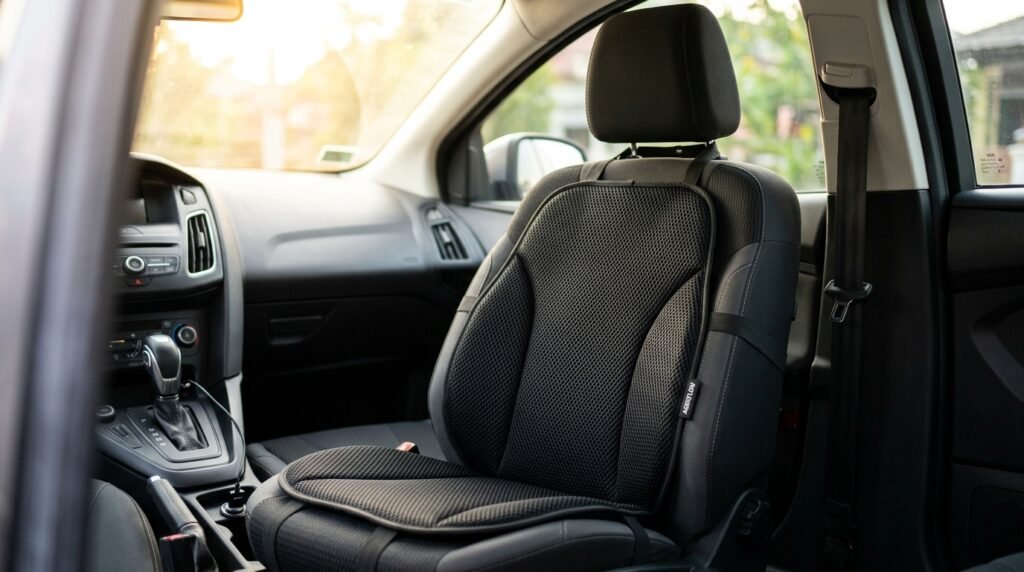
Comparison of Car Seat Cooling Solutions
| Cooling Accessory | Effectiveness | Cost Range | Pros | Cons |
| Reflective Windshield Sunshade | High (Prevention) | $15 – $40 | Blocks UV rays, protects dashboard and seats, highly durable. | Must be set up and taken down manually every trip. |
| Ventilated/Powered Seat Cushions | High (Active Cooling) | $30 – $100 | Active fans pull air away from the body; quick relief. | Requires plugging into a 12V socket or USB port. |
| Gel Cooling Mats | Moderate | $20 – $50 | Cool to the touch immediately without requiring electricity. | Warm up after prolonged contact with body heat. |
| Window Tinting (Ceramic) | High (Permanent) | $200 – $600 | Blocks infrared heat permanently, improves cabin privacy. | Upfront professional installation cost; legal limits vary by state. |
Common Mistakes Car Owners Should Avoid
When trying to beat the summer heat, drivers often make critical errors that can damage their vehicle or create safety hazards. Avoid these common pitfalls:
- Leaving Aerosol Cans or Lighters on Seats: Direct sunlight heating up vinyl or leather seats can easily cause pressurized containers or lighters left on the surface to explode.
- Cracking Windows in Unsafe Areas: Leaving windows wide open in public or high-crime areas invites theft or weather damage.
- Spraying Water Directly on Hot Leather: Pouring cold water onto scorching leather seats to cool them down can cause the material to warp, crack, or discolor permanently.
- Overworking the AC on Maximum Immediately: Blasting freezing air onto a blazing hot windshield can cause thermal shock, potentially resulting in windshield stress cracks.
Expert Tip
Expert Tip: If your vehicle has leather seats, apply a quality leather conditioner or UV-protectant spray at the start of summer. Conditioning keeps the natural oils supple, preventing the sun’s harsh ultraviolet rays from drying out the hide and causing premature cracking.
When to Call a Professional Mechanic or Auto Shop
While most summer heat management techniques are simple DIY tasks, certain issues require professional attention. You should consult an auto repair specialist if:
- Your AC fails to cool: If your air conditioning blows ambient or warm air even on maximum settings, your system likely suffers from a refrigerant leak or a failed compressor.
- Ventilation fans malfunction: If you installed a powered 12V cooling seat cushion and your vehicle’s auxiliary power outlets (cigarette lighter ports) stop working, a blown fuse or wiring issue may need professional diagnosis.
- Window tint bubbling: If your aftermarket window tint starts bubbling or peeling from heat exposure, professional replacement prevents obstructed rear and side visibility.
FAQs
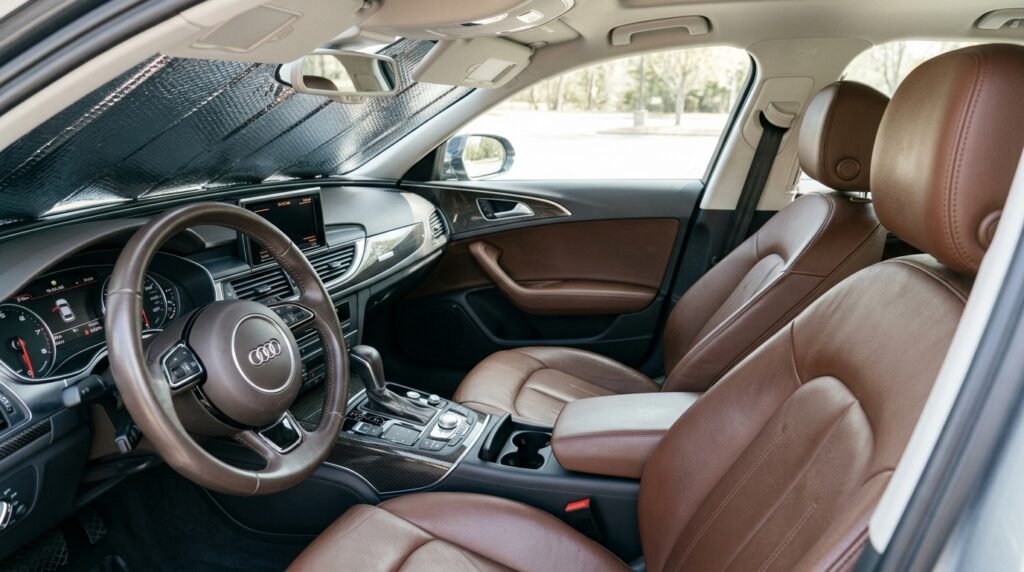
Can extreme heat ruin my car seats?
Yes. Prolonged exposure to high interior temperatures and ultraviolet rays dries out natural leather, fades fabric colors, weakens stitching, and can cause vinyl dashboards and seat trim to crack or warp.
Do seat cooling cushions drain the car battery?
Most 12V or USB-powered seat cushions only draw power while the engine is running or when the accessory socket is active. However, always unplug portable fans if you leave your vehicle parked for extended periods to avoid draining your battery.
Is ceramic window tint worth the investment for heat reduction?
Yes. Unlike standard dyed window films that only darken the glass, high-quality ceramic tint blocks a significant percentage of infrared solar heat, keeping your seats noticeably cooler even when parked in direct sunlight.
Conclusion
Mastering how to keep a car seat cool in the summer saves you from daily discomfort and protects your vehicle’s interior upholstery from premature wear. By combining proactive habits like using a quality windshield sunshade, cracking your windows safely, and applying the correct rapid-cooling ventilation steps when you return, you can maintain a comfortable cabin environment all season long. Take action today by equipping your vehicle with proper sun protection, and enjoy a cooler, safer drive wherever your travels take you.
